Overview
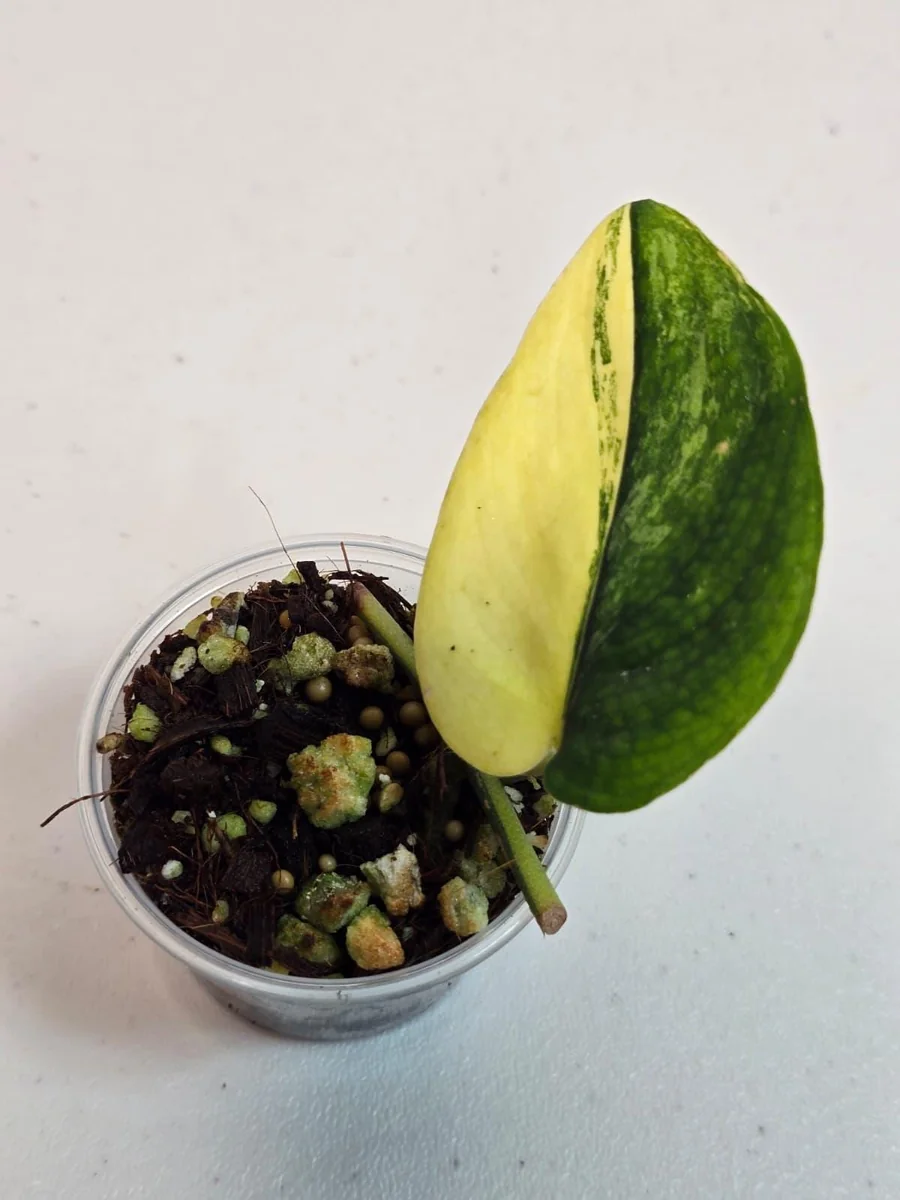
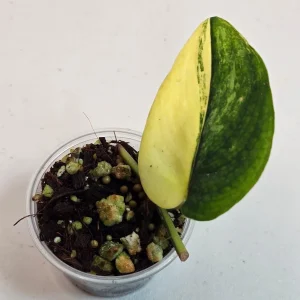
Introducing the captivating Variegated Scindapsus Pictus Jade Satin, a highly sought-after live plant that promises to be a stunning addition to any indoor plant collection. This particular variety of Scindapsus Pictus, often referred to as ‘Satin Pothos’ due to its velvety texture, stands out with its exceptional variegation. Each heart-shaped leaf is a unique work of art, displaying intricate patterns of creamy-white to light yellow splashes and marbling against a rich, dark green canvas. As a vining plant, it gracefully trails, making it ideal for hanging baskets or allowing it to climb for a dramatic effect. This rare Scindapsus plant is cherished by collectors for its vibrant foliage and relatively straightforward care requirements, making it a rewarding choice for both seasoned plant parents and eager beginners looking to expand their green oasis.
The Variegated Scindapsus Pictus Jade Satin is a true testament to nature’s artistry, offering continuous visual interest with its ever-evolving leaf patterns. Its resilience and adaptability make it a popular choice for enhancing various interior aesthetics, from minimalist modern to lush bohemian. Whether you’re a connoisseur of exotic plants or simply appreciate unique botanical beauty, this Scindapsus variety is sure to impress and become a focal point in your home or office space. Its unique appearance sets it apart from more common houseplants, ensuring it captures attention and sparks conversation.
Key Benefits
The Variegated Scindapsus Pictus Jade Satin offers numerous advantages, making it a beloved choice for plant enthusiasts:
- Stunning Variegated Foliage: The primary allure of this plant lies in its breathtaking leaves, which feature a striking interplay of creamy-white and light yellow variegation against a deep green backdrop. Each leaf is distinct, ensuring a constantly evolving display of natural beauty that enhances any room.
- Air-Purifying Qualities: Like many houseplants, the Variegated Scindapsus Pictus Jade Satin contributes to healthier indoor air by helping to filter out common airborne toxins. This makes your living space not only more beautiful but also more refreshing.
- Versatile Display Options: Its vining growth habit allows for diverse styling. You can let it cascade elegantly from hanging planters, trail along shelves, or encourage it to climb a moss pole for a more upright, lush appearance, adapting to your aesthetic preferences.
- Relatively Low Maintenance: Despite its exotic appearance, this rare Scindapsus plant is surprisingly forgiving. It tolerates a range of indoor conditions and doesn’t demand constant attention, making it suitable for those with busy schedules.
- Collector’s Item: For plant collectors, the ‘Jade Satin’ variety is a prized possession due to its unique and vibrant variegation, making it a standout specimen in any rare plant collection. Its distinctive patterns are highly sought after.
- Enhances Indoor Ambiance: The lush foliage and vibrant patterns of the Variegated Scindapsus Pictus Jade Satin add a touch of natural elegance and tranquility to any indoor environment, creating a calming and inviting atmosphere.
Plant Care & Growing Tips
Caring for your Variegated Scindapsus Pictus Jade Satin is a rewarding experience, and with a few key considerations, it will thrive and display its stunning variegation. This indoor trailing plant prefers bright, indirect light. Placing it near an east or west-facing window where it receives gentle morning or late afternoon sun is ideal. Avoid direct, harsh sunlight, as this can scorch its delicate leaves and diminish the vibrancy of its variegation. While it can tolerate lower light conditions, the creamy-white patterns will be less pronounced. Rotate your plant periodically to ensure even growth and light exposure on all sides.
When it comes to watering, allow the top inch or two of the soil to dry out completely between waterings. Overwatering is a common issue that can lead to root rot, so it’s crucial to ensure proper drainage. Water thoroughly until you see water draining from the bottom of the pot, then discard any excess water in the saucer. During its active growing season (spring and summer), you may need to water more frequently, while reducing watering in the dormant period (fall and winter). The ideal soil for Scindapsus Pictus care is a well-draining, peat-based potting mix. Incorporating perlite or orchid bark can further improve aeration and drainage, which is vital for healthy root development. Always ensure your pot has adequate drainage holes.
This tropical plant thrives in average room temperatures, ideally between 65-80°F (18-27°C). It appreciates moderate to high humidity, so consider misting its leaves occasionally, especially in drier environments, or placing it near a humidifier. Fertilize your Variegated Scindapsus Pictus Jade Satin with a balanced liquid fertilizer diluted to half strength every 2-4 weeks during the growing season. Reduce or stop fertilization during the fall and winter months. Watch out for common pests like spider mites or mealybugs; address them promptly with insecticidal soap if they appear. Pruning can encourage bushier growth and maintain its desired shape, and the cuttings can often be propagated to create new plants.
Size & Details
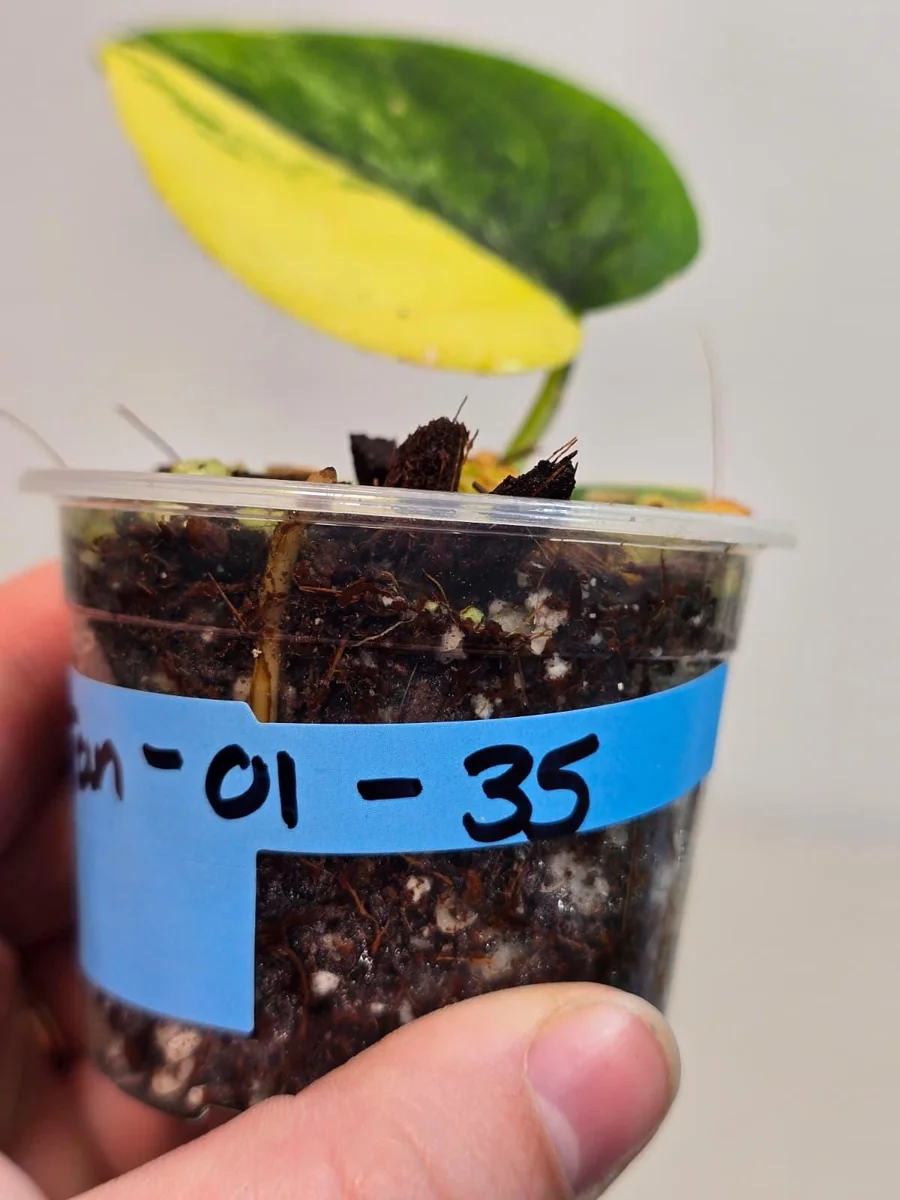
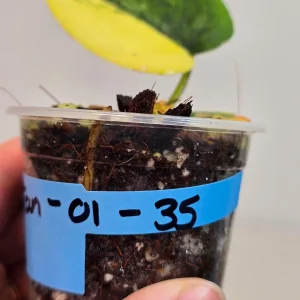
The Variegated Scindapsus Pictus Jade Satin typically ships as a well-rooted live plant in a nursery pot, ready for you to enjoy. The exact size will vary, but you can expect a healthy specimen with established foliage and active growth. As a vining plant, its stems can eventually reach several feet in length, creating a beautiful cascading effect. The individual leaves are heart-shaped and generally grow to be 2-4 inches long, showcasing their unique variegation. This plant exhibits a moderate growth rate, allowing you to observe its development and appreciate its changing form over time. It is perfectly suited for indoor environments, making it an excellent choice for tabletops, shelves, or hanging baskets where its trailing vines can be admired. When you receive your Variegated Scindapsus Pictus Jade Satin, it will be a vibrant, healthy specimen, carefully prepared for its journey to your home.
Frequently Asked Questions
- Q: How big does this plant get? A: The Variegated Scindapsus Pictus Jade Satin is a vining plant, and its stems can grow quite long, often several feet. The size of the individual leaves typically ranges from 2 to 4 inches, contributing to a lush, full appearance.
- Q: What size pot does it come in? A: Your Variegated Scindapsus Pictus Jade Satin will arrive in a standard nursery pot, usually around 4-6 inches in diameter, suitable for its initial growth. You may choose to repot it into a slightly larger decorative pot after it acclimates to its new environment.
- Q: Is this an indoor or outdoor plant? A: This plant is primarily an indoor houseplant in most climates. It thrives in typical indoor temperatures and humidity. If you live in a tropical region with consistently warm temperatures and high humidity, it can be grown outdoors in a shaded area.
- Q: How much sunlight does it need? A: The Variegated Scindapsus Pictus Jade Satin prefers bright, indirect light. Avoid direct sunlight, as it can burn the leaves and cause the variegation to fade. A spot near an east or west-facing window is usually ideal.
- Q: Is this plant easy to care for? A: Yes, for an exotic-looking plant, the Scindapsus Pictus care is considered relatively easy. It’s forgiving of minor neglect, making it a great choice for both beginners and experienced plant enthusiasts looking for a stunning yet manageable plant.
- Q: What condition will it arrive in? A: Your Variegated Scindapsus Pictus Jade Satin will be carefully packaged to ensure it arrives healthy and in excellent condition, ready to thrive in your home. We prioritize the well-being of the plant during transit.
- Q: What type of soil is best for this plant? A: A well-draining, peat-based potting mix is recommended. You can enhance drainage by adding perlite or orchid bark to the mix, which helps prevent waterlogging and promotes healthy root development for your rare Scindapsus plant.
- Q: How often should I water my Scindapsus? A: Water when the top 1-2 inches of soil feel dry to the touch. It’s better to underwater slightly than to overwater. During warmer months, you’ll water more frequently than in winter.
- Q: Is this plant pet-safe? A: Scindapsus Pictus, like many aroids, is considered toxic if ingested. It’s best to keep this indoor trailing plant out of reach of pets and small children to prevent any issues.
- Q: Why is my satin pothos variegated losing its variegation? A: A common reason for reduced variegation in your satin pothos variegated is insufficient light. Ensure it is receiving adequate bright, indirect light to maintain its vibrant patterns. Too much direct sun can also cause issues, so finding the right balance is key.


Reviews
There are no reviews yet.