Overview
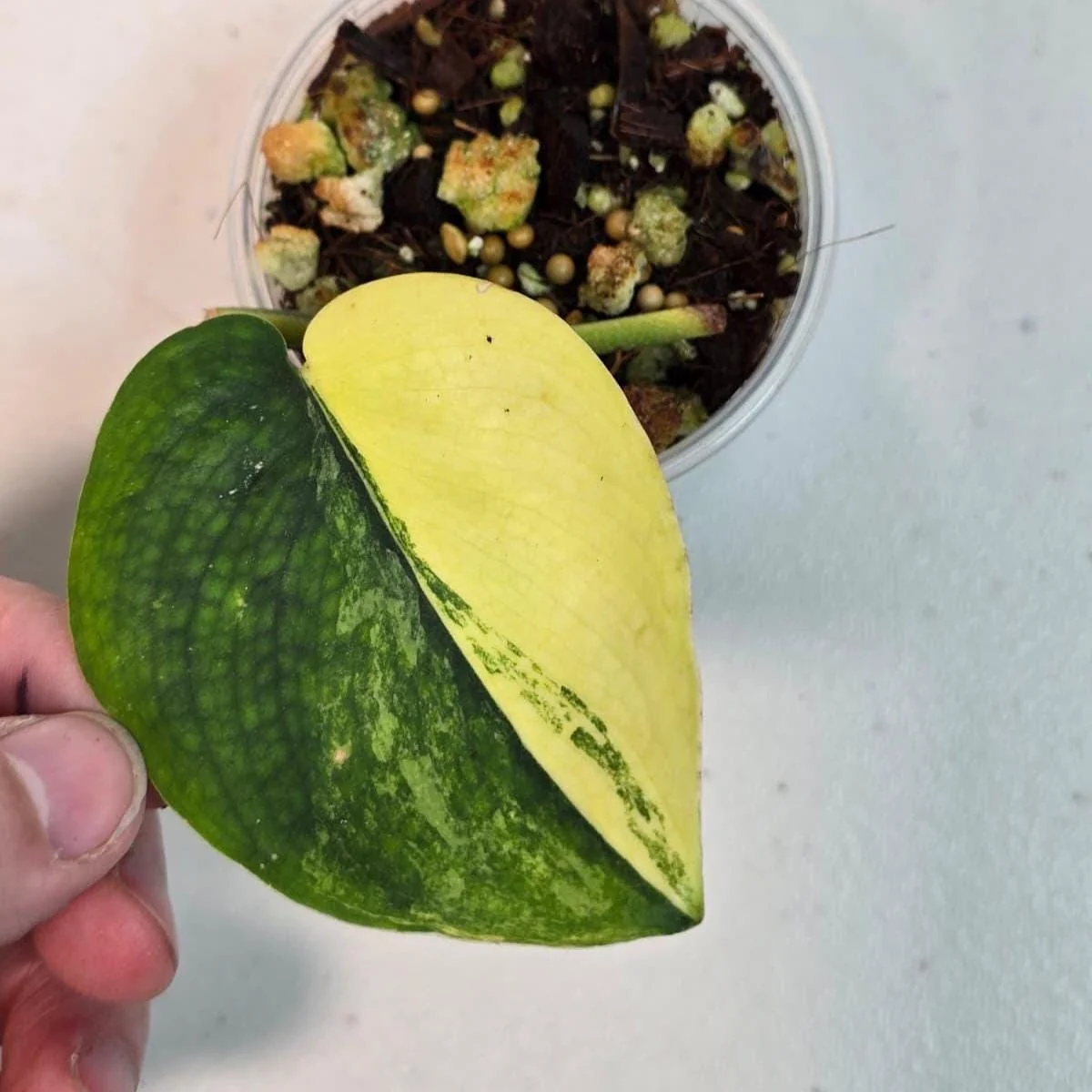
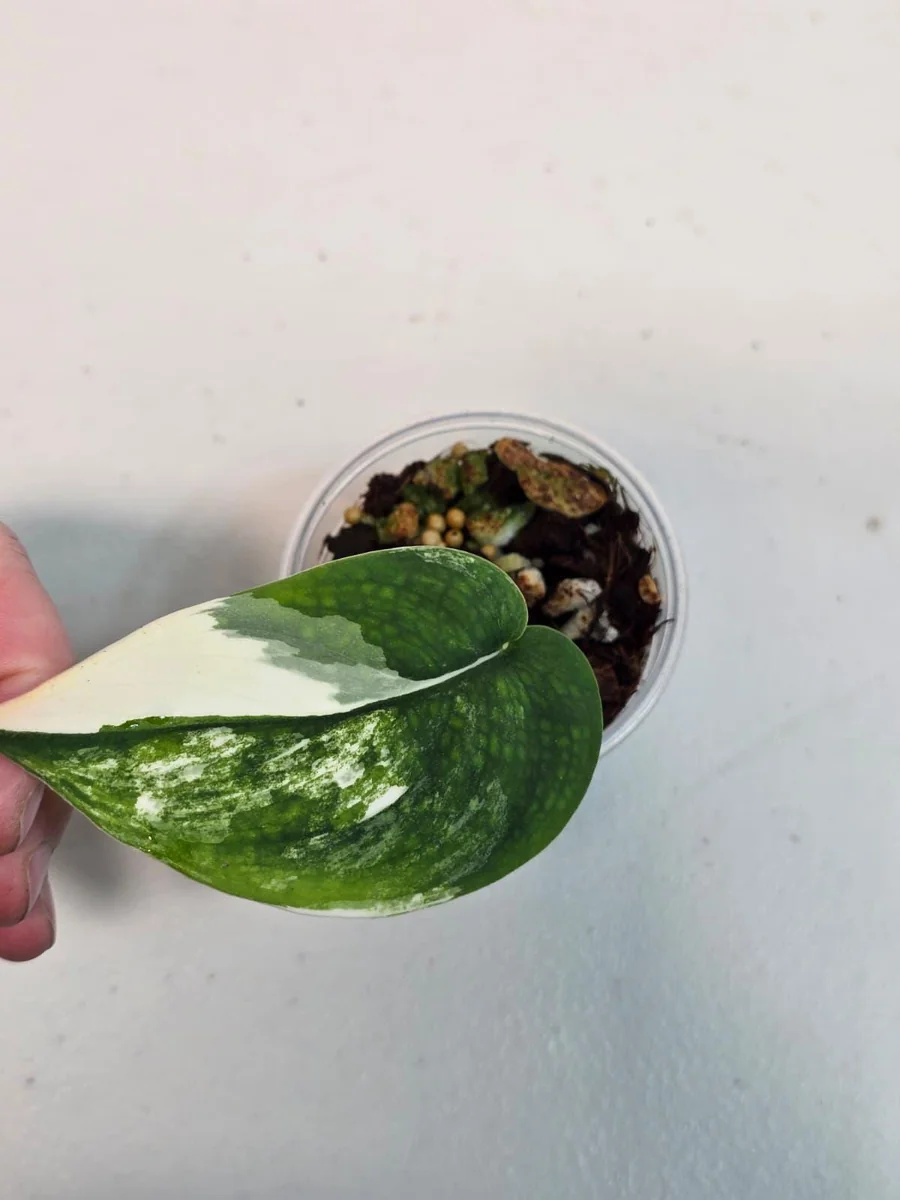
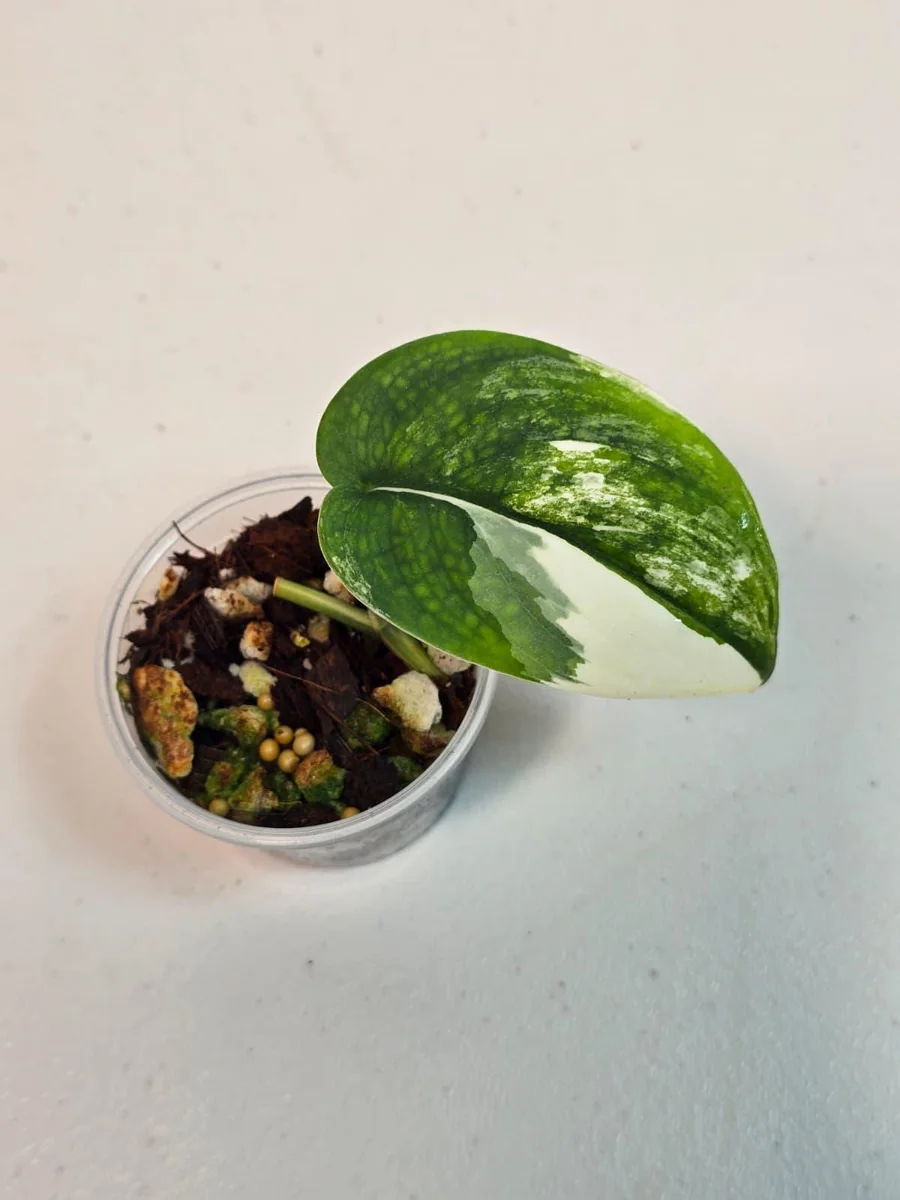
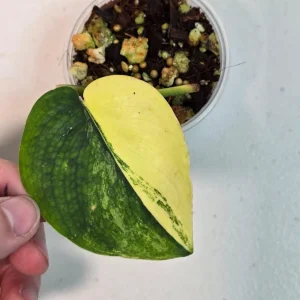
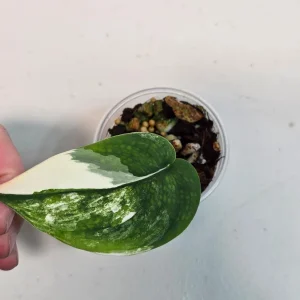
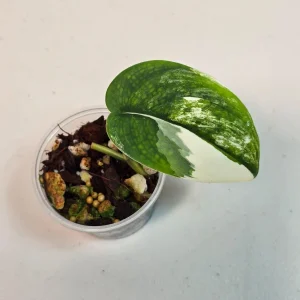
The Variegated Scindapsus Pictus Jade Satin is a truly captivating and highly sought-after live plant, renowned for its exquisite foliage and relatively easy care. Also known as Satin Pothos ‘Jade Satin’ or simply Scindapsus ‘Jade Satin’, this plant is a cultivar of Scindapsus pictus, native to Southeast Asia. What sets this particular variety apart is its stunning variegation: each heart-shaped leaf showcases a beautiful interplay of creamy-white to light yellow patches and marbling against a rich, dark green background. As a vining plant, it gracefully trails or climbs, making it an excellent choice for hanging baskets, shelves, or as a vibrant accent on a plant stand. This rare Scindapsus plant is a must-have for collectors and anyone looking to add a touch of unique, living artistry to their indoor environment.
This particular offering is for a live, potted specimen, ready to bring immediate beauty to your home or office. Its distinctive appearance and manageable growth habit make it a fantastic addition to any indoor plant collection, whether you’re a seasoned plant parent or just beginning your green journey. The intricate patterns on its leaves ensure that no two leaves are exactly alike, providing endless visual interest and a constant source of admiration.
Key Benefits
The Variegated Scindapsus Pictus Jade Satin offers numerous benefits beyond its undeniable beauty, making it a valuable addition to any indoor space. Its unique aesthetic and straightforward care regimen contribute to a rewarding plant ownership experience.
- Stunning Variegated Foliage: The primary appeal lies in its dramatic heart-shaped leaves, featuring a striking creamy-white and dark green variegation that catches the eye and adds sophisticated charm to your decor. This makes it an exceptional conversational piece.
- Air Purifying Qualities: Like many houseplants, the Variegated Scindapsus Pictus Jade Satin contributes to healthier indoor air by helping to filter out common toxins, improving the overall air quality in your home.
- Versatile Display Options: Its natural vining habit makes it perfect for a variety of display methods. Allow it to cascade elegantly from hanging baskets or shelves, or train it to climb a moss pole for a more upright, lush appearance.
- Relatively Easy Care: Despite its exotic appearance, this plant is surprisingly low-maintenance, making it suitable for both beginner and experienced plant enthusiasts. Understanding Scindapsus Pictus Jade Satin care is straightforward.
- Collector’s Item: Due to its unique variegation and visual appeal, the ‘Jade Satin’ cultivar is considered a rare and desirable plant among collectors, offering an opportunity to own something truly special.
- Enhances Home Aesthetics: The vibrant colors and unique patterns of this indoor variegated plant effortlessly elevate the aesthetic of any room, adding a natural and calming element to your living space.
- Resilient and Adaptable: While it thrives in optimal conditions, the Scindapsus Pictus Jade Satin is forgiving and can tolerate a range of indoor environments, adapting well to typical household conditions.
Plant Care & Growing Tips
Proper care is essential to ensure your Variegated Scindapsus Pictus Jade Satin thrives and maintains its vibrant variegation. This plant prefers conditions that mimic its tropical origin, focusing on consistent moisture and adequate light. For optimal growth and to keep the variegation pronounced, bright, indirect light is paramount. Place your plant near a window that receives plenty of natural light but avoids direct, harsh sunlight, which can scorch its delicate leaves. An east-facing window is often ideal, or a few feet back from a south or west-facing window. While it can tolerate lower light, the creamy white patches may become less vibrant.
When it comes to watering, allow the top inch or two of the soil to dry out completely before watering thoroughly. It’s crucial to ensure proper drainage to prevent root rot, so always use a pot with drainage holes. Overwatering is a common issue for this plant. During the active growing season (spring and summer), you’ll likely water more frequently, reducing the frequency in the dormant winter months. The ideal soil for your Variegated Scindapsus Pictus Jade Satin is a well-draining, peat-based potting mix. Incorporating perlite or orchid bark can significantly improve drainage and aeration, which these plants appreciate. Optimal temperatures range from 65-80°F (18-27°C) and it prefers moderate to high humidity; consider a pebble tray or humidifier if your home is very dry. Fertilize sparingly during the growing season with a balanced liquid fertilizer diluted to half strength. Understanding satin pothos care is key to a healthy plant.
Size & Details
This offering is for a healthy, live Variegated Scindapsus Pictus Jade Satin plant, shipped in its nursery pot. The exact size and height of the plant will vary slightly due to its organic nature, but it typically arrives with established vines, ready to continue its growth in your home. Scindapsus Pictus plants are known for their moderate growth rate, with vines that can grow several feet long over time, creating a beautiful cascading effect. When mature, individual leaves can reach several inches in length, showcasing their intricate patterns. This plant is most commonly grown as an indoor houseplant, thriving in typical home environments. It is shipped as a rooted plant, ensuring it is well-established and ready to adapt to its new surroundings. Expect a vibrant specimen that will quickly become a focal point in your plant collection.
Frequently Asked Questions
- Q: How big does this plant get? A: The Variegated Scindapsus Pictus Jade Satin is a vining plant, and its vines can grow several feet long (typically 3-6 feet or more indoors) if given proper care and conditions. The individual leaves usually reach 2-4 inches in length.
- Q: What size pot does it come in? A: The plant will arrive in a standard nursery pot, typically sized to support its current growth and root system, usually a 4-6 inch pot, ready for you to enjoy.
- Q: Is this an indoor or outdoor plant? A: This is primarily an indoor variegated plant, as it prefers stable temperatures and high humidity that are difficult to maintain outdoors in most climates. It can be moved outdoors in very warm, humid, and shaded conditions during summer, but should be brought inside before temperatures drop.
- Q: How much sunlight does it need? A: The Variegated Scindapsus Pictus Jade Satin thrives in bright, indirect light. Avoid direct sunlight, which can scorch its leaves and diminish the variegation. A spot near an east-facing window or a few feet from a south/west window is ideal.
- Q: Is this plant easy to care for? A: Yes, despite its exotic appearance, it’s considered relatively easy to care for, making it suitable for both beginners and experienced plant enthusiasts. Following basic Scindapsus Pictus Jade Satin care guidelines will ensure its health.
- Q: What condition will it arrive in? A: Your plant will arrive healthy and well-packaged, carefully prepared to minimize stress during transit. While some minor leaf imperfections can occur, we ensure it’s a viable, thriving plant upon dispatch.
- Q: Is it pet-safe? A: Like many plants in the Araceae family, Scindapsus Pictus contains calcium oxalates, which can be irritating if ingested. It is generally considered mildly toxic to pets, so it’s best to keep it out of reach of curious animals.
- Q: How often should I water my Scindapsus Pictus Jade Satin? A: Water when the top 1-2 inches of soil feel dry to the touch. This typically means once every 1-2 weeks, but it can vary based on light, humidity, and pot size. Always ensure good drainage.
- Q: How can I make the variegation more vibrant? A: Providing ample bright, indirect light is the best way to encourage strong and vibrant variegation in your rare Scindapsus plant. Insufficient light can cause the white patches to fade.
- Q: What type of soil is best for this plant? A: A well-draining, peat-based potting mix is recommended. You can amend it with perlite or orchid bark to improve aeration and drainage, which is crucial for root health.


Reviews
There are no reviews yet.