Overview
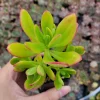
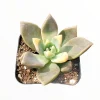
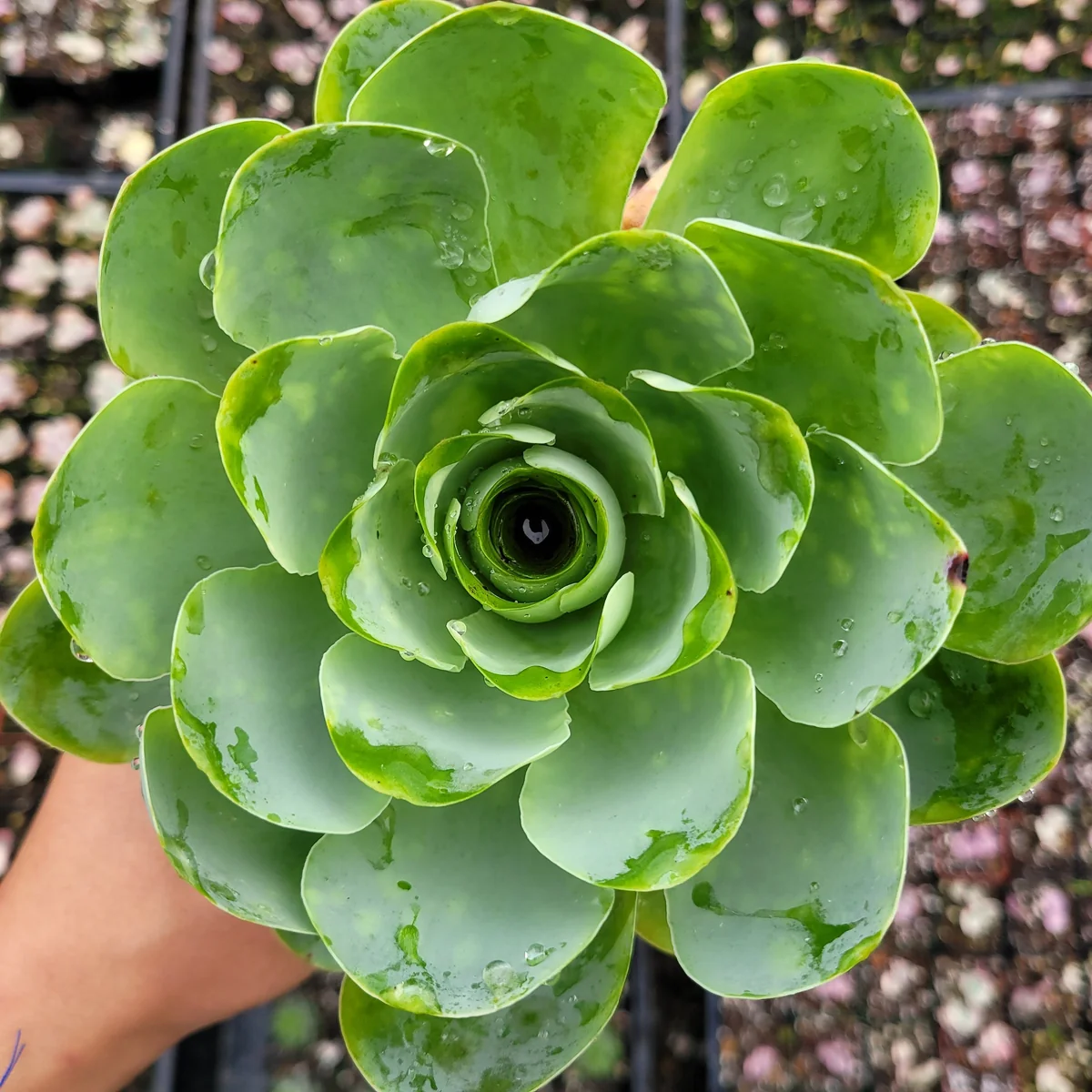
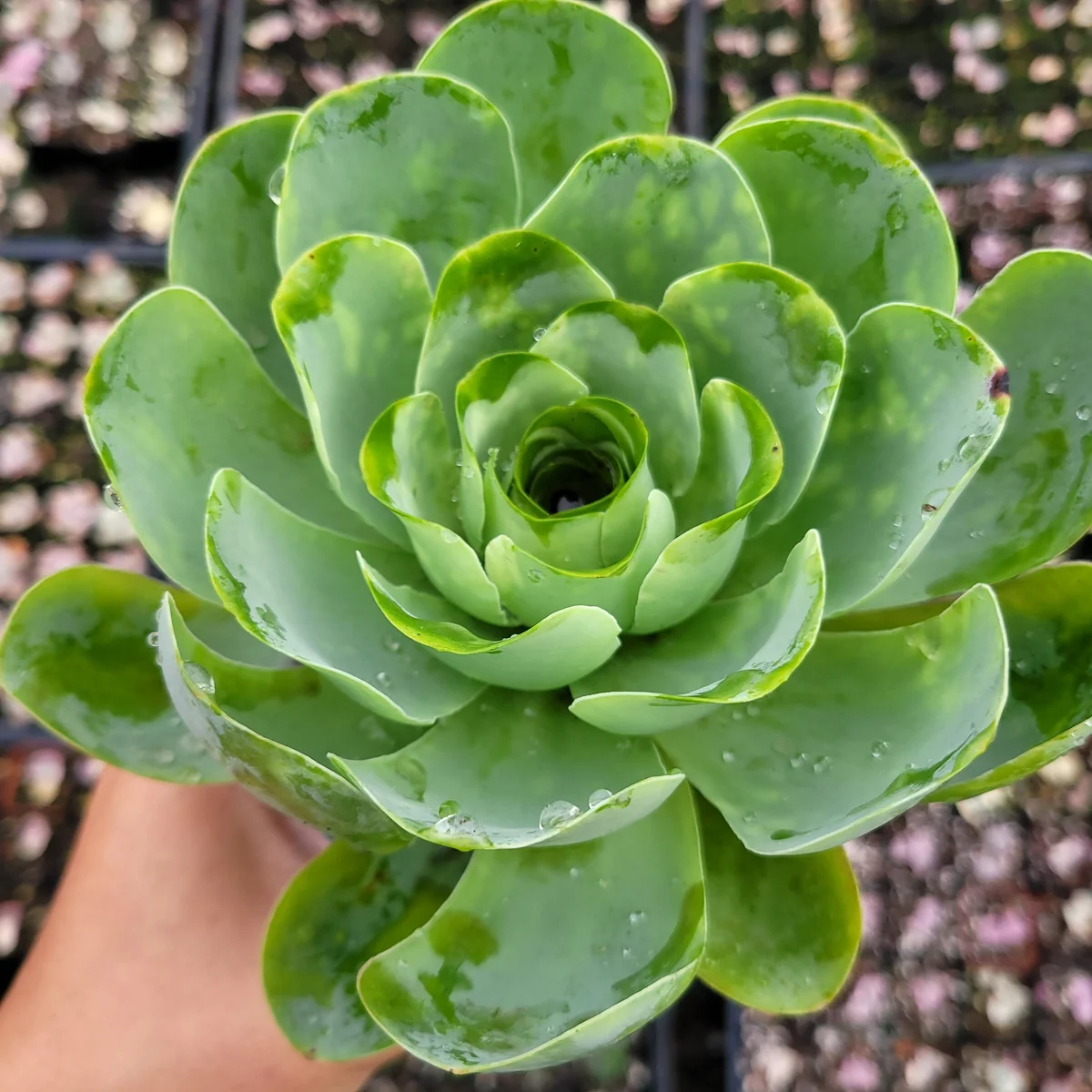
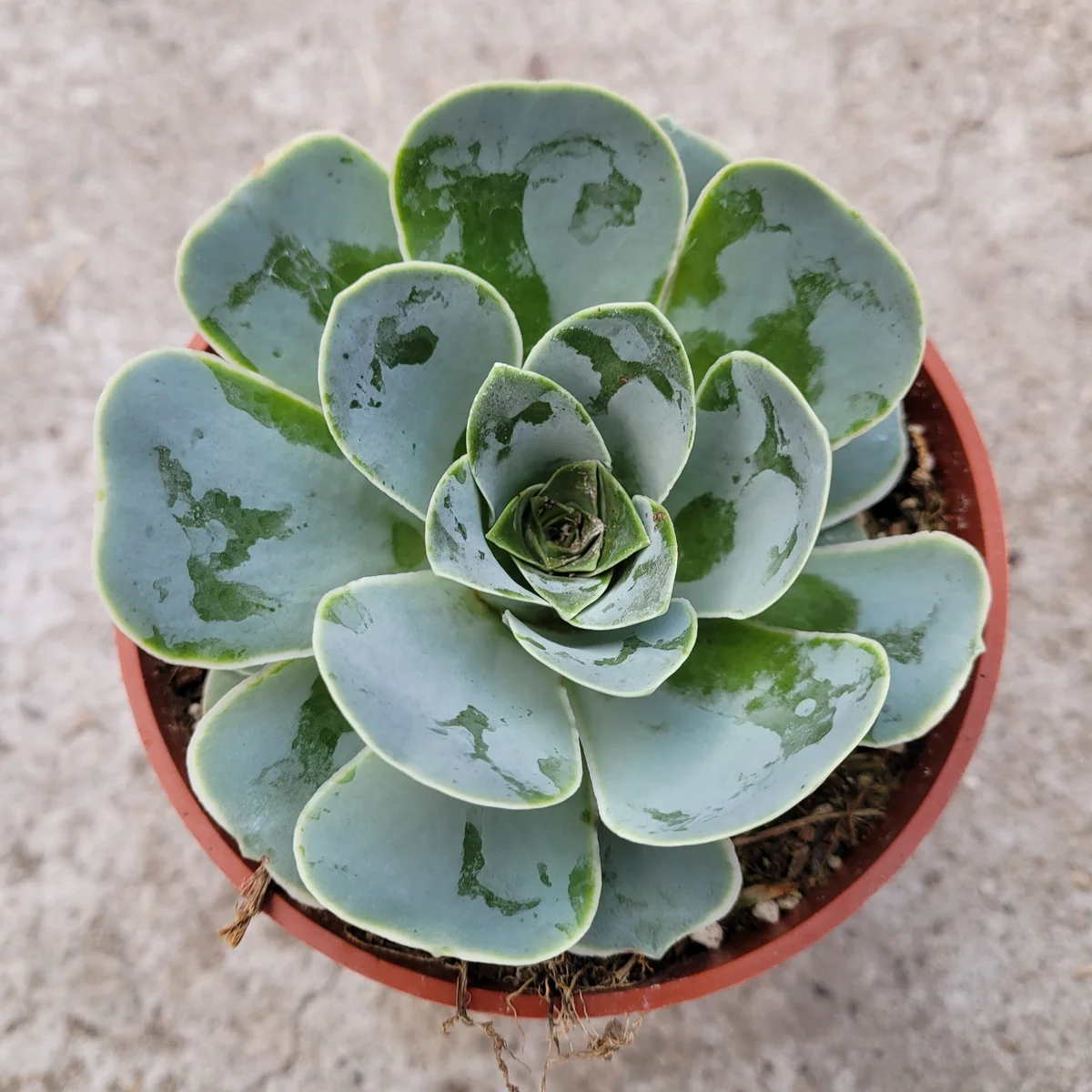
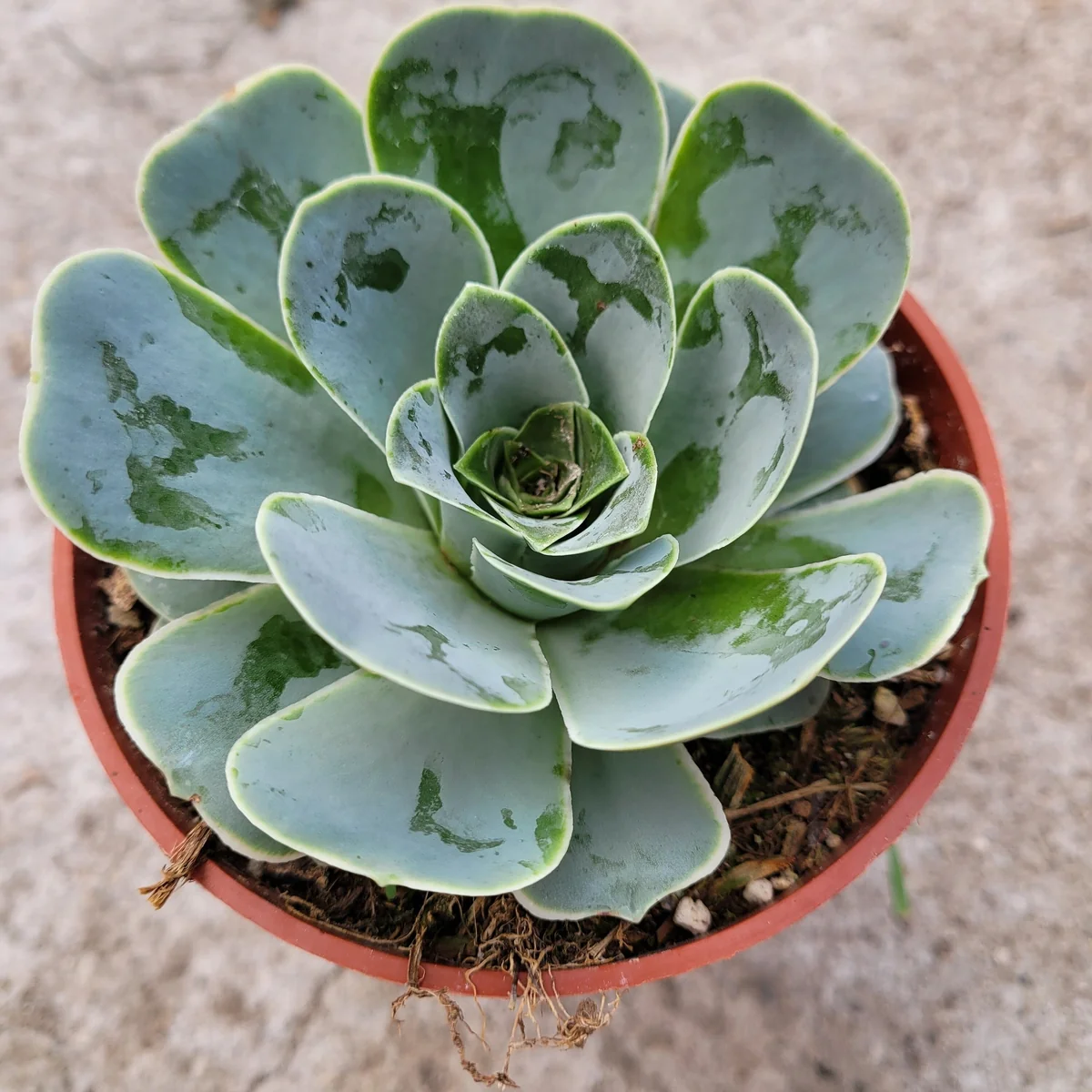
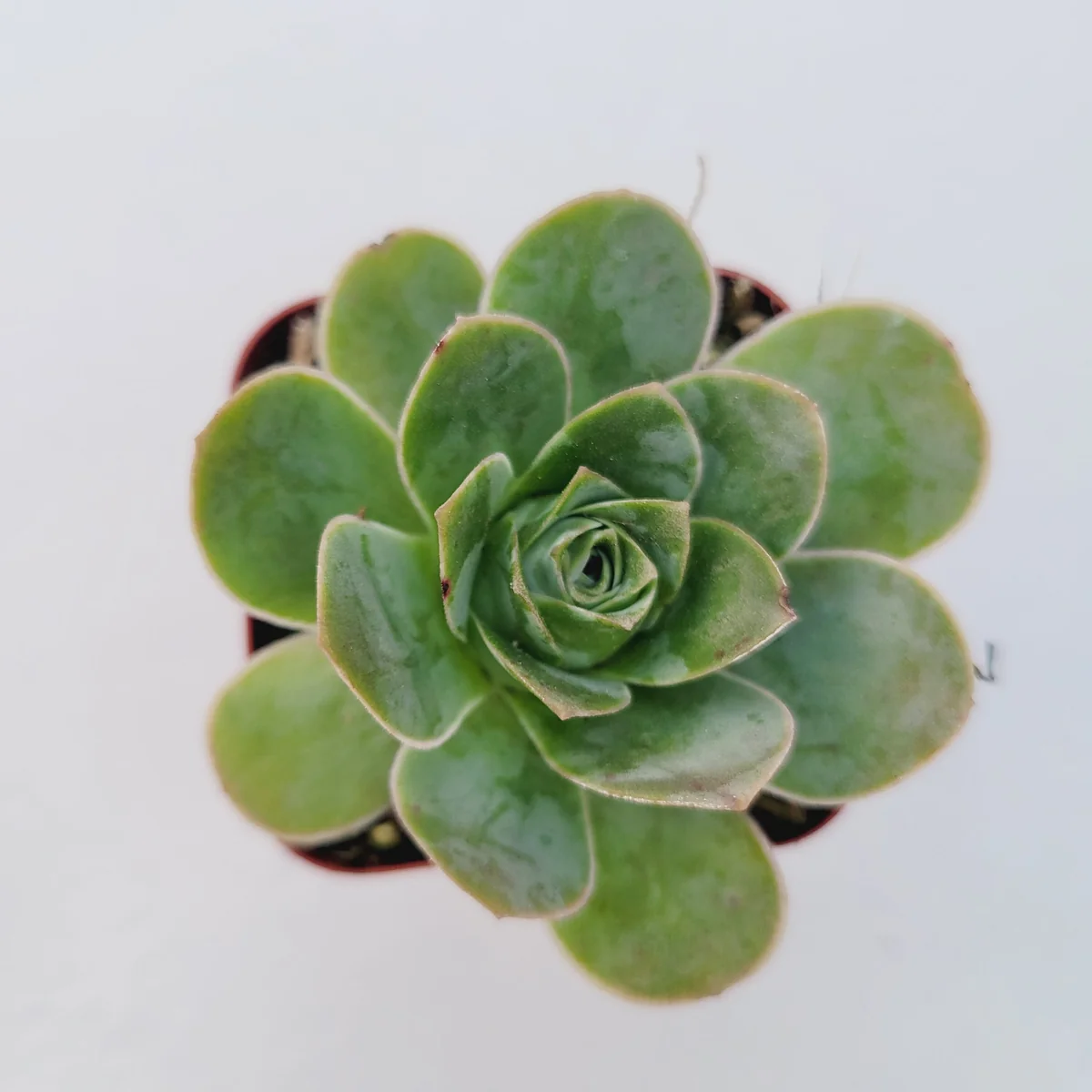
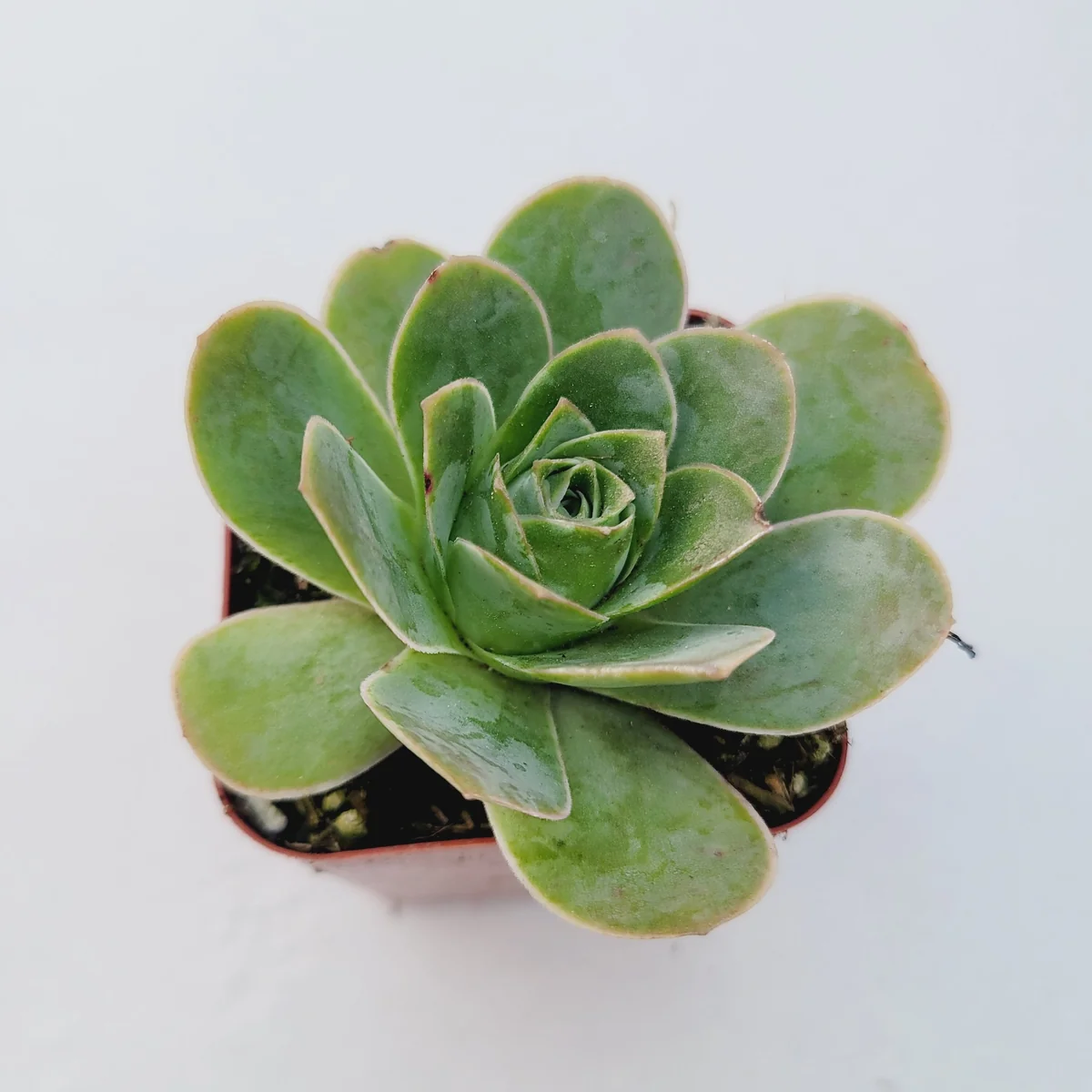
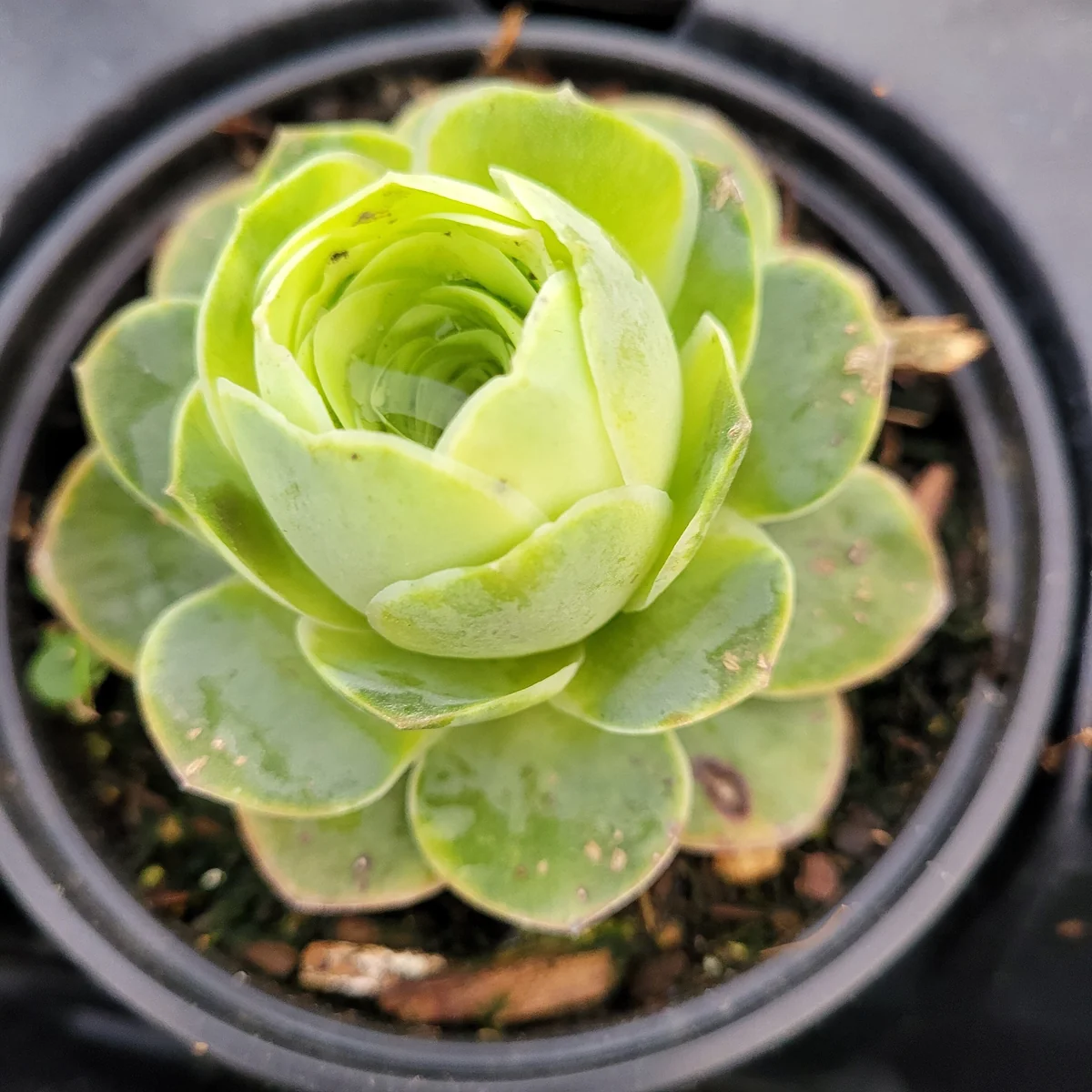
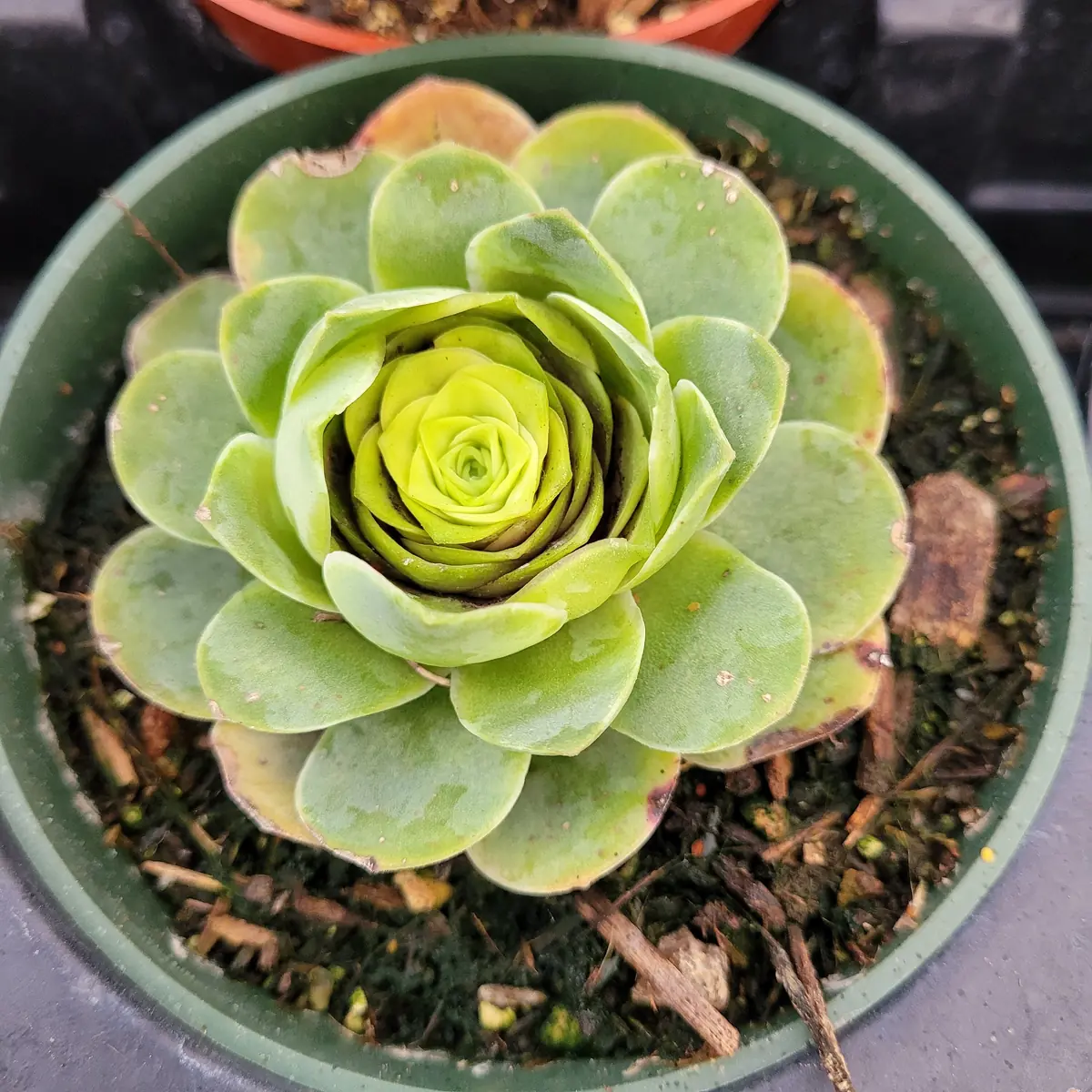
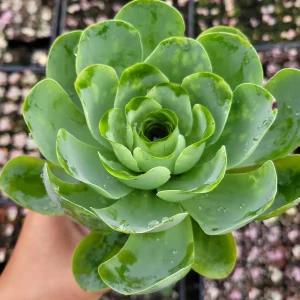
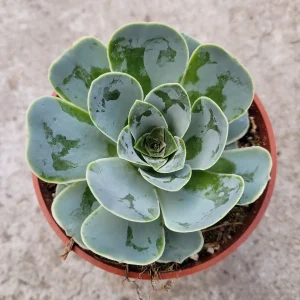
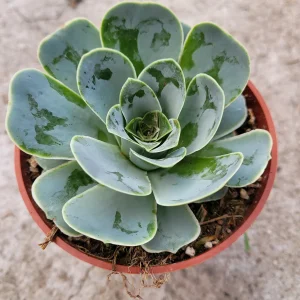
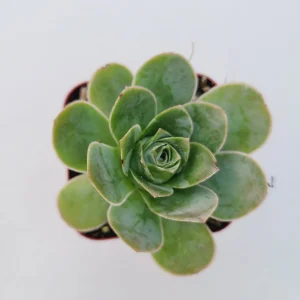
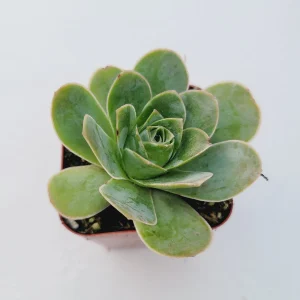
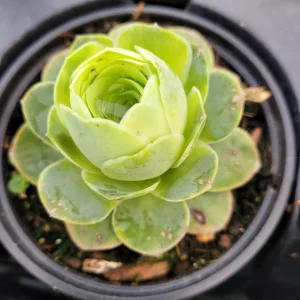
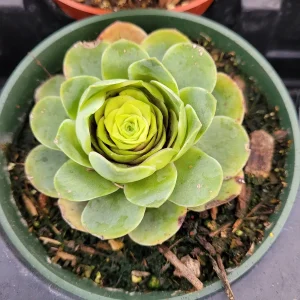
Introduce a touch of unique elegance to your plant collection with the Greenovia Aurea succulent plant. This captivating succulent is prized for its exquisite, rose-like rosettes that can vary in color from green to a lovely blush pink when exposed to ample sunlight. As a drought-tolerant succulent, it is remarkably low-maintenance, making it an excellent choice for both seasoned plant parents and beginners alike. Originating from the Canary Islands, Greenovia Aurea adapts well to various environments, provided its basic needs for light and water are met. Its distinctive appearance makes it a popular choice for succulent arrangements, rock gardens, and as a standalone specimen in a decorative pot. This live plant offers a unique aesthetic appeal that is sure to draw admiration.
The Greenovia Aurea is a fascinating species that showcases the incredible diversity within the succulent world. Unlike many other succulents, Greenovia species are often referred to as ‘mountain roses’ due to their tightly packed leaf formations that resemble blooming roses. This particular variety, Greenovia Aurea, is known for its beautiful golden-green hues. It is a long-lived plant that can grow into impressive clusters over time, adding significant visual interest and value to your garden or indoor space. Its resilience and striking beauty make it a truly rewarding plant to cultivate, embodying both hardiness and delicate charm.
Key Benefits
The Greenovia Aurea succulent plant offers a multitude of benefits, making it an excellent addition to any plant lover’s home or garden. Its unique characteristics contribute to its popularity and ease of care:
- Stunning Ornamental Value: The tight, rose-like rosettes of the Greenovia Aurea are incredibly attractive, providing a sculptural element to any plant display. Its unique form and potential for color variation make it a focal point.
- Exceptional Drought Tolerance: As a true drought-tolerant succulent, this plant requires minimal watering, making it perfect for busy individuals or those in arid climates. It stores water in its leaves, allowing it to withstand long periods without hydration.
- Low Maintenance: This succulent is incredibly easy to care for, thriving on neglect rather than constant attention. It asks for little beyond sufficient light and well-draining soil, making succulent plant care straightforward.
- Versatile Placement: The Greenovia Aurea can thrive as an indoor succulent on a sunny windowsill or as an outdoor succulent in a suitable climate, adding beauty to various settings.
- Unique Appearance: Its distinctive ‘mountain rose’ shape and potential for stress-induced colors make it stand out from more common succulents, offering a unique visual appeal.
- Air Purification: Like many plants, succulents contribute to better indoor air quality by absorbing toxins and releasing oxygen, albeit in smaller quantities compared to larger foliage plants.
- Propagation Potential: With proper care, Greenovia Aurea can produce offsets, allowing you to easily propagate and expand your collection or share with friends.
Plant Care & Growing Tips
Proper succulent plant care is essential for the health and vibrant appearance of your Greenovia Aurea succulent plant. These plants thrive in conditions that mimic their natural desert environments, focusing on ample light and conservative watering. For optimal growth, provide your Greenovia Aurea with at least 6 hours of bright, direct sunlight daily. A south-facing window is ideal for an indoor succulent, while an outdoor succulent should be placed in a location that receives morning sun and some afternoon shade in hotter climates to prevent scorching.
When it comes to watering, the key is to allow the soil to dry out completely between waterings. Overwatering is the most common cause of succulent demise. Water thoroughly until water drains from the bottom of the pot, then wait until the soil is bone dry before watering again. During its dormant period in summer, Greenovia Aurea requires even less water. Use a well-draining succulent or cactus potting mix, ideally amended with pumice, perlite, or coarse sand to ensure excellent drainage. This prevents root rot and promotes healthy root development. The ideal temperature range for Greenovia Aurea is between 60-80°F (15-27°C), but it can tolerate slightly cooler temperatures if kept dry. Protect it from freezing temperatures, as it is not frost-hardy.
Fertilization is generally not heavily required for this drought-tolerant succulent. If you choose to fertilize, do so sparingly during the active growing season (fall to spring) with a diluted succulent fertilizer. Repotting should only be done when the plant outgrows its container, typically every 2-3 years. Ensure the new pot has drainage holes. Keep an eye out for common pests like mealybugs, which can be treated with rubbing alcohol or insecticidal soap. Providing consistent light and careful watering will ensure your Greenovia Aurea remains a stunning and healthy specimen for years.
Size & Details
The Greenovia Aurea succulent plant is typically shipped as a bare root specimen, ensuring a healthier transition to its new home. The exact size of the rosette can vary, but generally, they range from 2 to 4 inches in diameter upon arrival, with the potential to grow larger and produce offsets over time. These plants are known for their relatively slow growth rate, making them excellent long-term additions to your collection without quickly outgrowing their space. When mature, a single rosette can reach up to 6 inches across, and with offsets, they can form impressive clumps, adding significant visual impact.
The characteristic ‘mountain rose’ shape is maintained throughout its growth, with tightly closed leaves during dormancy and opening up during active growth. The color can range from a vibrant green to a beautiful golden-yellow or even pinkish blush, depending on light exposure and stress levels. While shipped bare root, these plants establish quickly once potted in appropriate well-draining soil. Expect to see new root growth and signs of establishment within a few weeks of planting. This indoor succulent or outdoor succulent, when given the right conditions, will provide enduring beauty and a unique botanical focal point.
Frequently Asked Questions
- Q: How big does the Greenovia Aurea succulent plant get? A: A single rosette of the Greenovia Aurea succulent plant can grow up to 6 inches in diameter. Over time, it will produce offsets, forming a larger cluster.
- Q: Is this an indoor or outdoor succulent? A: This plant is versatile and can thrive as both an indoor succulent in a sunny location or an outdoor succulent in USDA zones 9-11, provided it receives adequate sunlight and protection from frost.
- Q: How much sunlight does it need? A: The Greenovia Aurea requires at least 6 hours of bright, direct sunlight per day to maintain its compact form and vibrant coloration.
- Q: Is this plant easy to care for? A: Yes, the Greenovia Aurea is considered an easy-care plant due to its nature as a drought-tolerant succulent and its minimal watering requirements, making succulent plant care simple.
- Q: What condition will it arrive in? A: Your Greenovia Aurea will typically arrive as a healthy bare root plant, carefully packaged to ensure its safety during transit.
- Q: How often should I water my Greenovia Aurea? A: Water only when the soil is completely dry to the touch. During its summer dormancy, significantly reduce watering frequency.
- Q: Can I propagate this succulent? A: Yes, Greenovia Aurea can be propagated from offsets that form around the base of the mother plant.
- Q: What kind of soil is best for this plant? A: A well-draining succulent or cactus mix, often amended with pumice or perlite, is ideal to prevent waterlogging and promote healthy roots for your indoor succulent or outdoor succulent.
- Q: What is the best time to plant a Greenovia Aurea? A: The best time to plant or repot is during its active growing season, which is typically fall through spring.
- Q: Will it survive winter in my zone? A: Greenovia Aurea is not frost-hardy. If you live in an area with temperatures below 40°F (4°C), it should be brought indoors or protected during winter.


Reviews
There are no reviews yet.