Overview
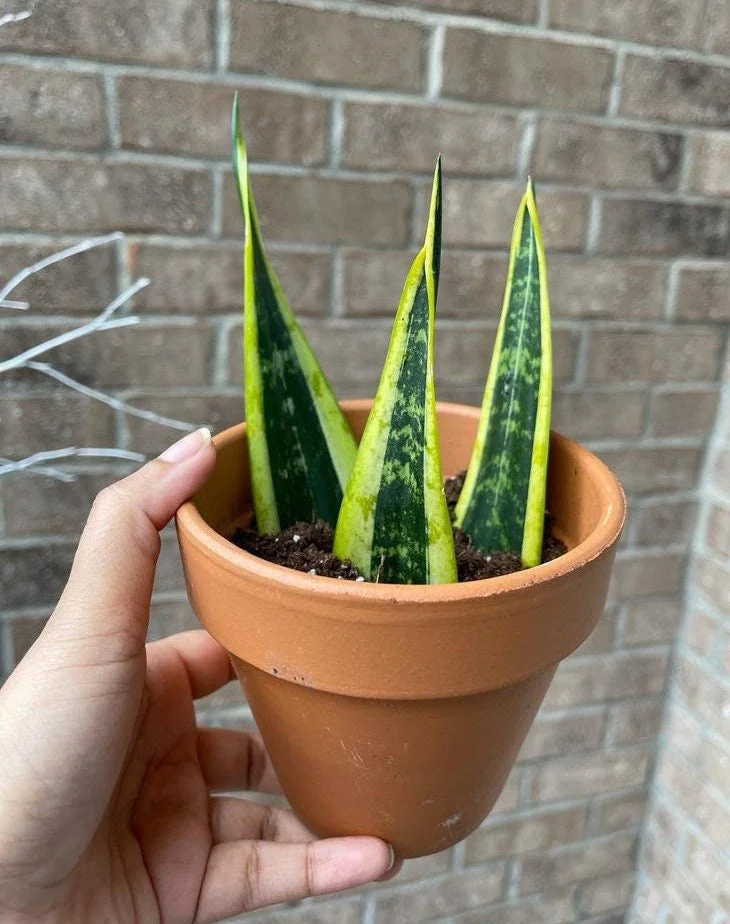
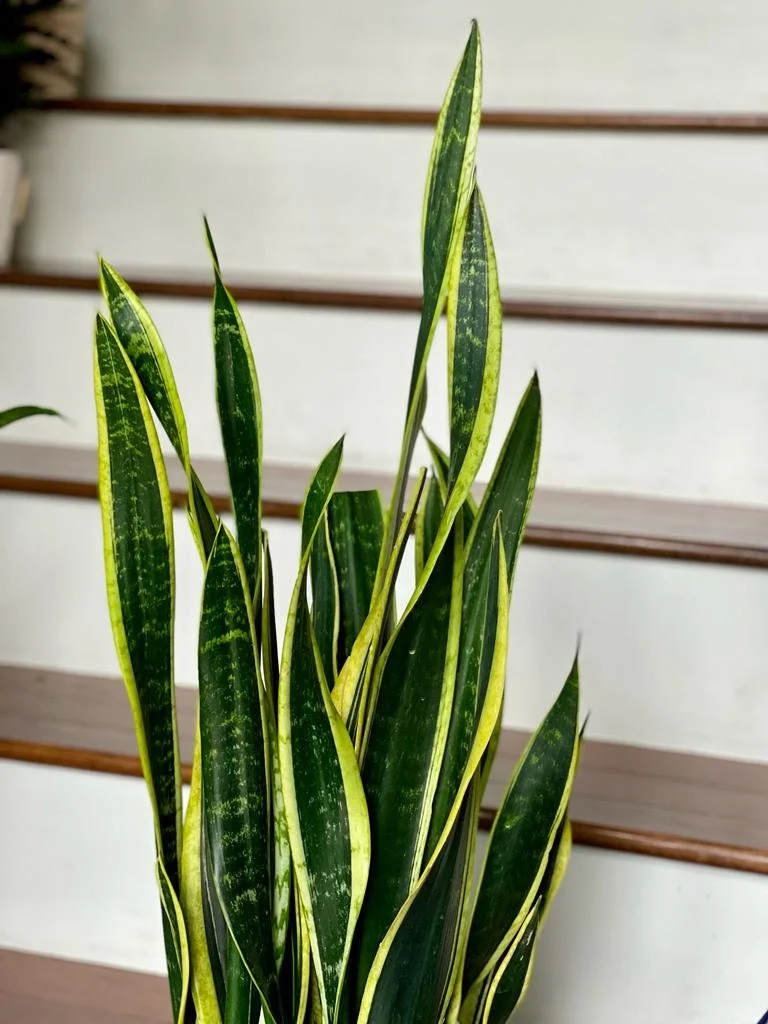
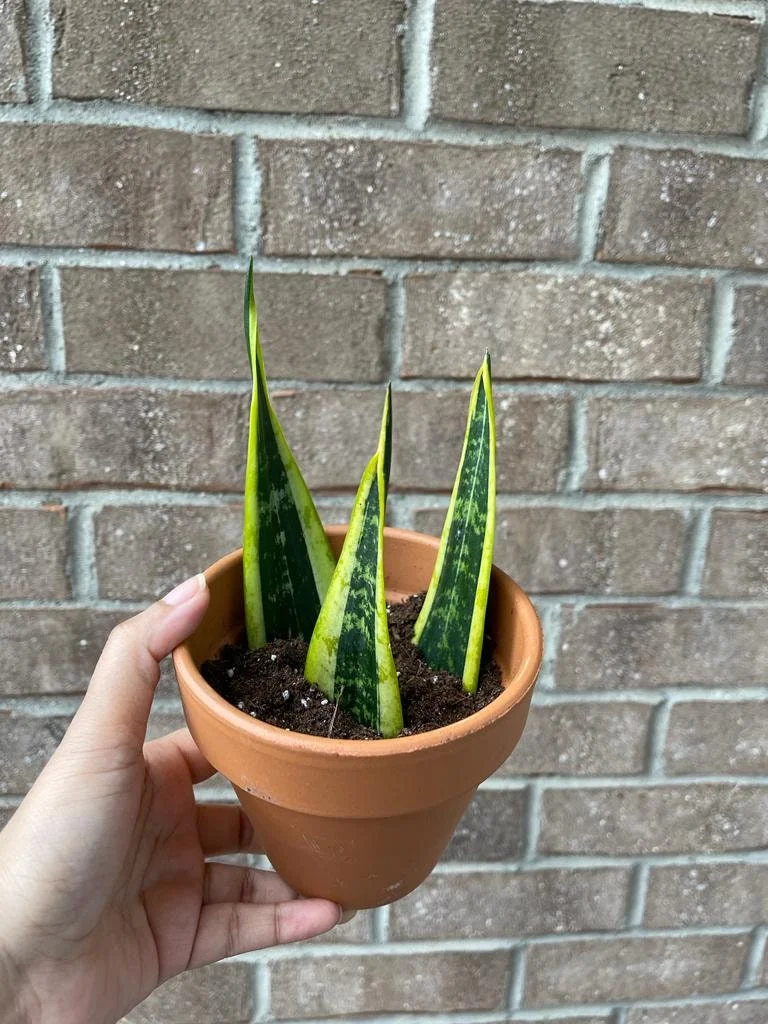
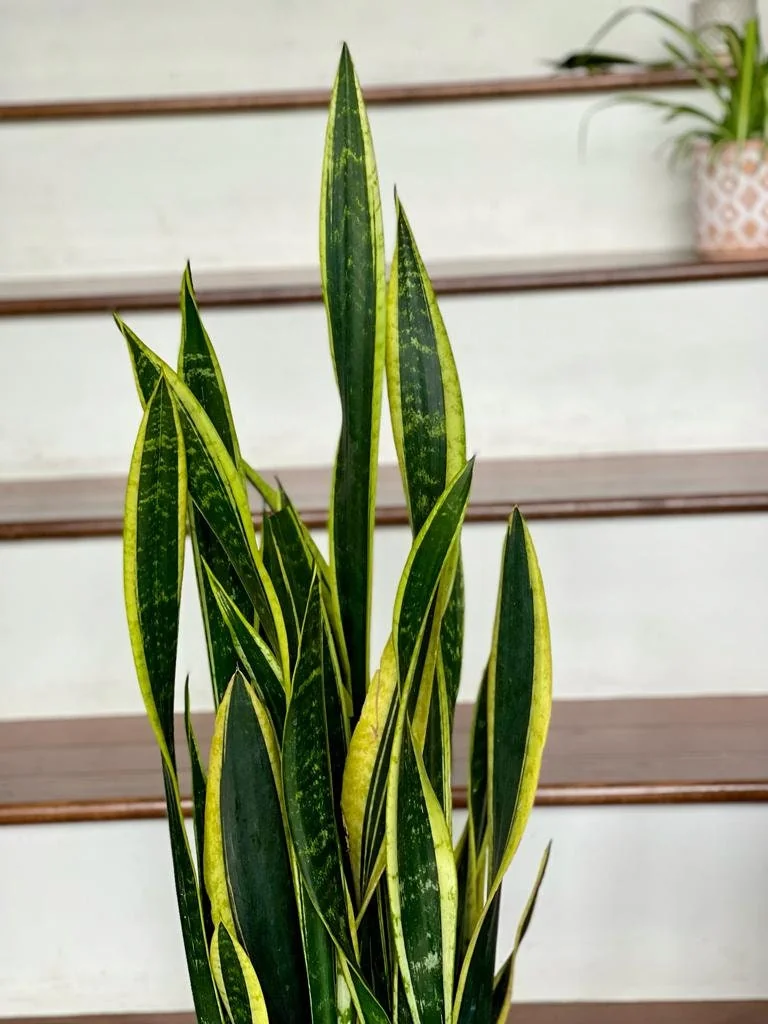
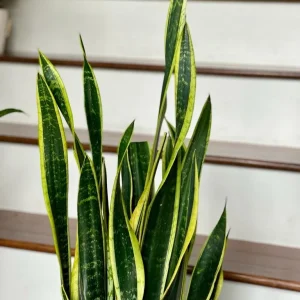
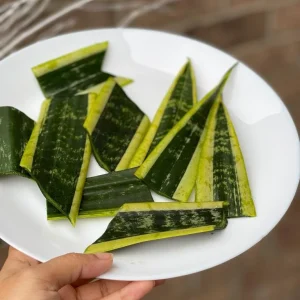
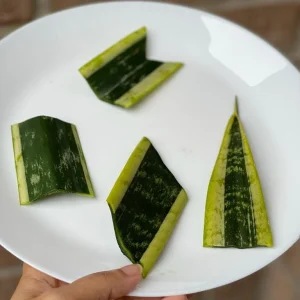
Bring the beauty of nature indoors with these robust snake plant unrooted cuttings. Known for their striking, architectural foliage and incredible resilience, Snake Plants (Sansevieria zeylanica, also commonly called Dracaena trifasciata) are among the most popular houseplants. These unrooted sections allow you to propagate your own thriving plants, offering a rewarding experience for any plant lover. The ‘Mother-in-Law’s Tongue’ is celebrated for its stiff, upright leaves that boast unique patterns, adding a sophisticated touch to any interior space. These cuttings are the perfect starting point for creating new, air-purifying additions to your home or office, embodying both elegance and an “easy to grow and hard to kill” reputation.
The botanical name for the snake plant has recently been updated to Dracaena trifasciata, though it is still widely recognized and sold under its previous genus, Sansevieria. Regardless of its scientific classification, the benefits and beauty of this plant remain constant. Propagating indoor plant cuttings is an economical and fun way to expand your plant collection, and the high success rate with snake plant cuttings makes it particularly appealing for beginners. These cuttings will develop into full, vibrant plants, contributing to a healthier and more aesthetically pleasing environment.
Key Benefits
The snake plant unrooted cuttings offer numerous advantages, transforming them into beloved additions to any indoor setting:
- Air Purification: Snake plants are renowned for their ability to purify indoor air by removing toxins such as formaldehyde, benzene, and xylene, contributing to a healthier living space. This makes the mother in law’s tongue plant an excellent choice for bedrooms and offices.
- Low Maintenance: These plants are incredibly forgiving and require minimal care, making them perfect for busy individuals or those new to plant care. They can tolerate periods of neglect, thriving even when forgotten.
- Drought Tolerant: Sansevieria zeylanica care is straightforward, especially regarding watering. They prefer dry conditions and are highly resistant to drought, needing water only when the soil is mostly dry.
- Adaptable to Light Conditions: While they thrive in bright, indirect light, snake plants can also tolerate low light conditions, making them versatile for placement in various rooms throughout your home.
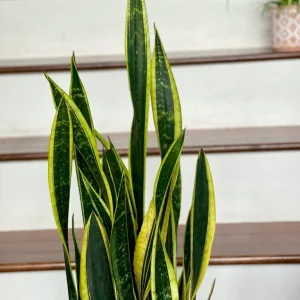
- Architectural Appeal: The unique, upright, and stiff leaves of the snake plant provide a strong vertical element to any decor, creating a modern and sculptural aesthetic that complements diverse interior styles.
- Easy Propagation: Starting with indoor plant cuttings is simple and highly successful, allowing you to easily multiply your collection or share with friends.
- Pet-Friendly (with caution): While considered mildly toxic if ingested, many plant enthusiasts still enjoy them, keeping them out of reach of pets. Always exercise caution.
Plant Care & Growing Tips
Caring for your snake plant unrooted cuttings is remarkably simple, contributing to their reputation as easy care houseplants. Once rooted, these plants are incredibly resilient. For optimal growth, provide bright, indirect light. While they can tolerate lower light conditions, bright light will help maintain the vibrancy of their leaf patterns. Avoid direct, harsh sunlight, which can scorch the leaves. They are not fussy about light, making them suitable for many indoor environments.
When it comes to watering, less is more. Allow the soil to dry out almost completely between waterings. Overwatering is the most common cause of problems for snake plants. During winter months, reduce watering even further. The soil should be well-draining, such as a loose potting mix or a cactus potting soil, to prevent root rot. Average room humidity is perfectly fine; they do not require high humidity. These plants thrive in typical indoor temperatures, ideally between 65-80°F (18-27°C). They are not frost-tolerant, so protect them from temperatures below 55°F (13°C). Fertilize sparingly, perhaps once or twice during the growing season (spring and summer) with a balanced liquid houseplant fertilizer diluted to half strength. Common problems are usually related to overwatering, leading to soft, mushy leaves. Ensure good drainage and allow the soil to dry out.
Size & Details
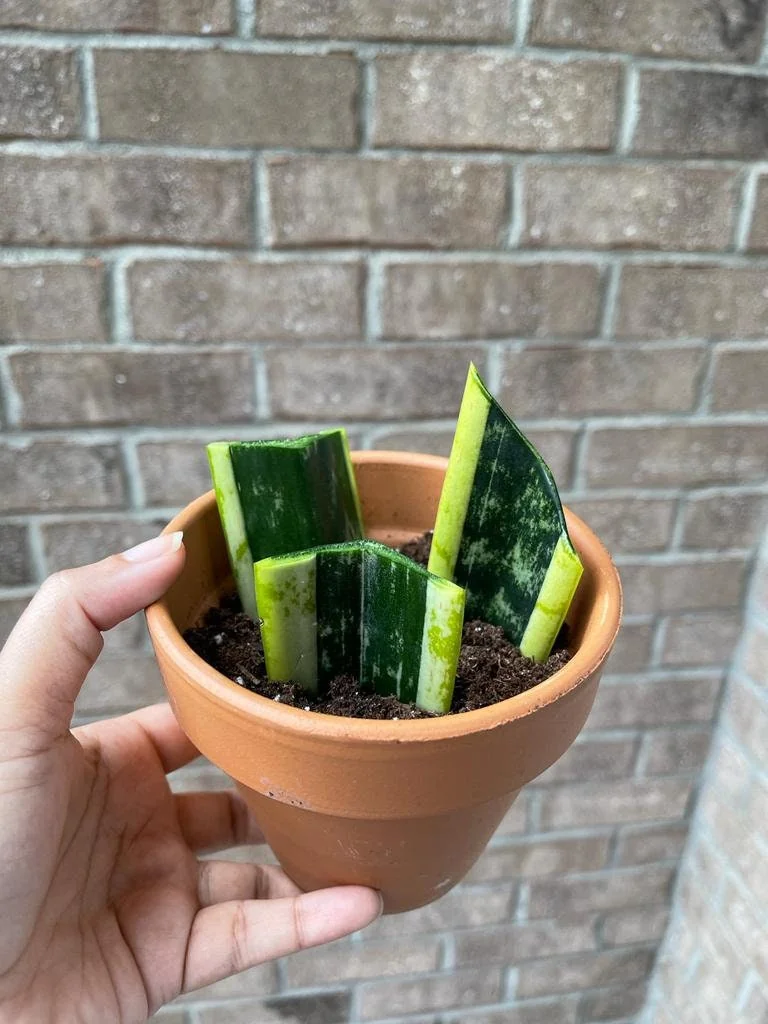
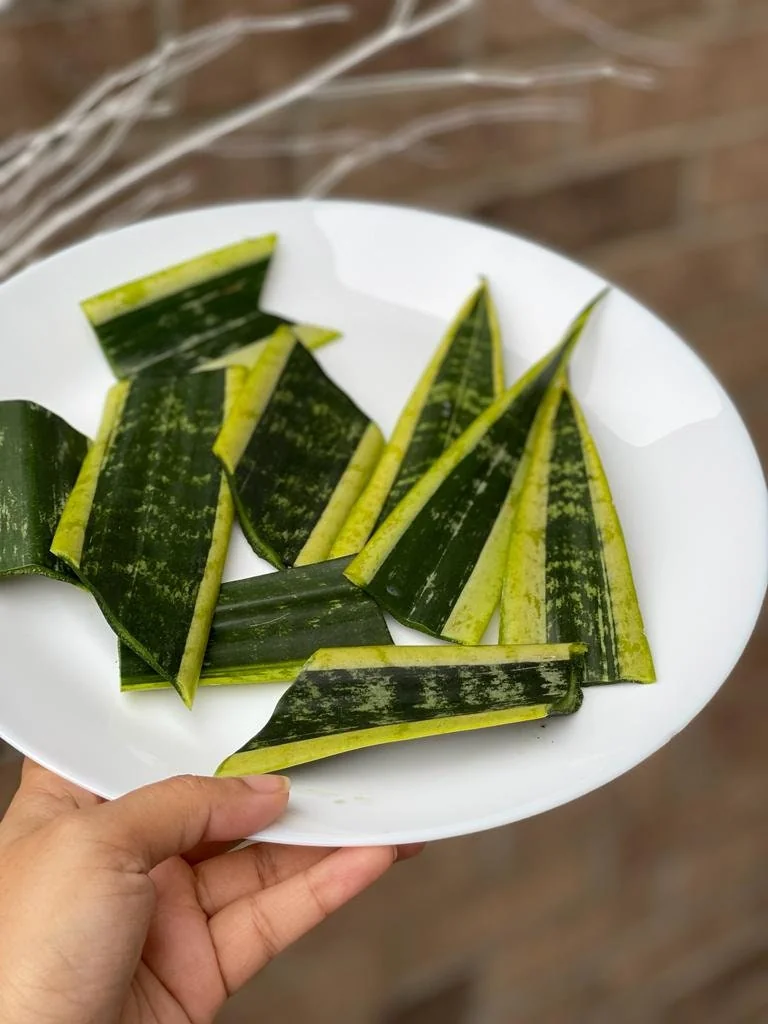
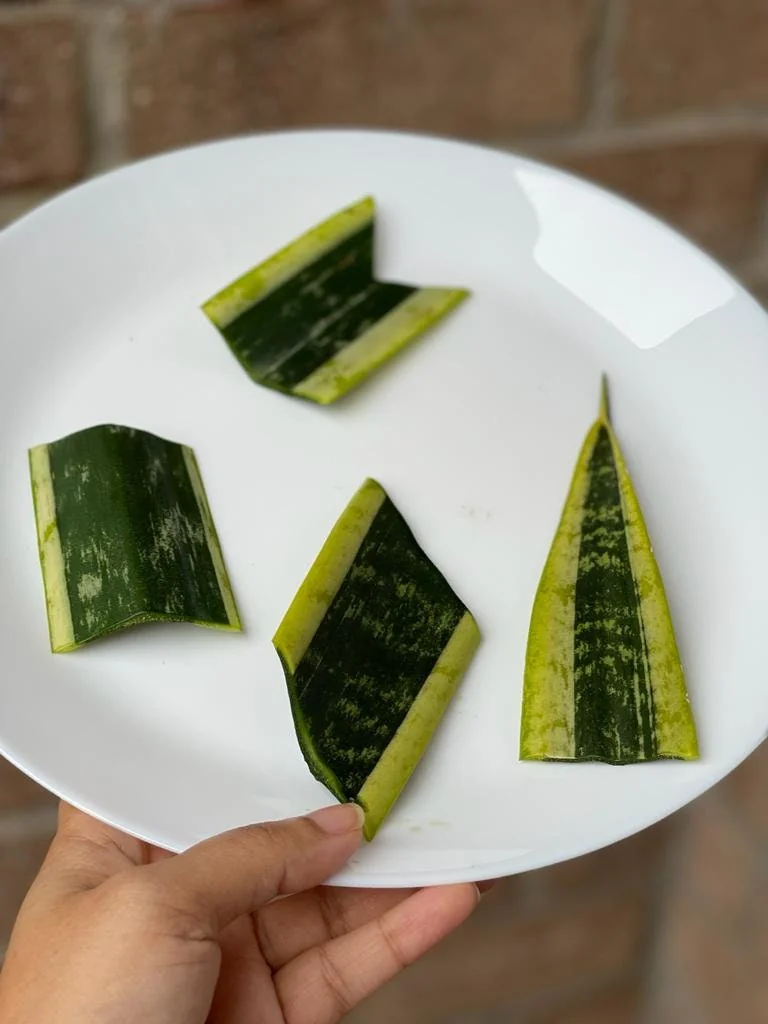
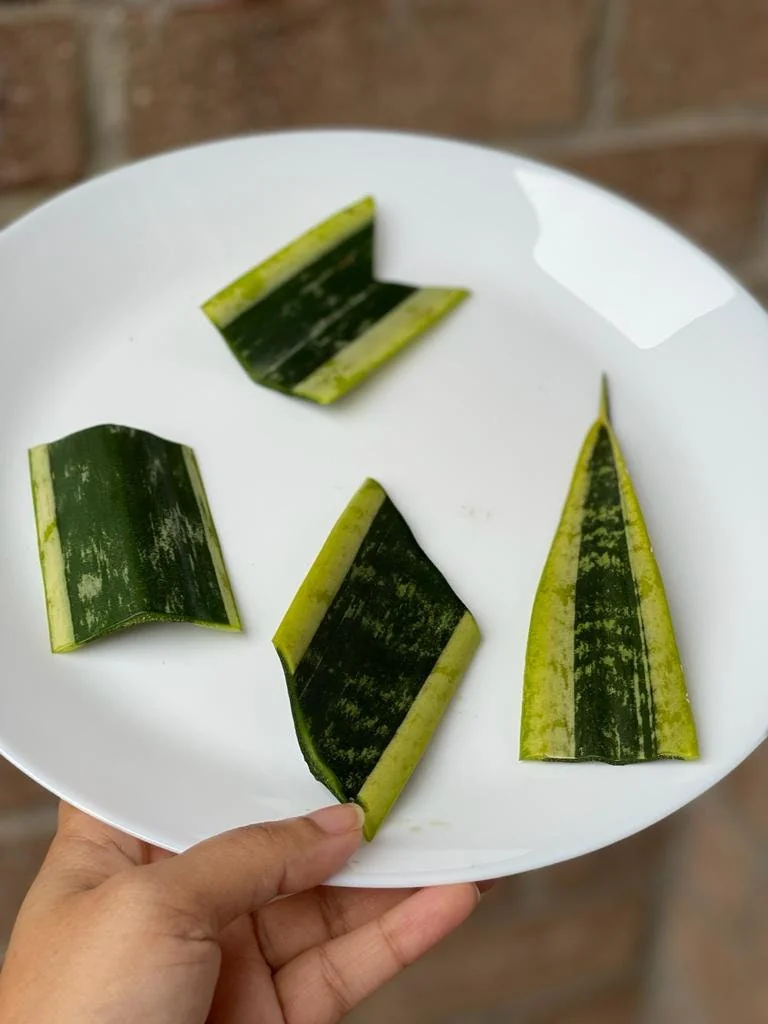
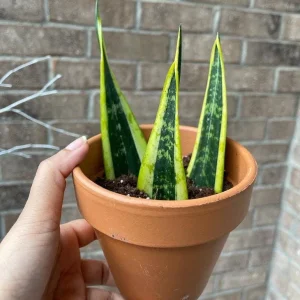
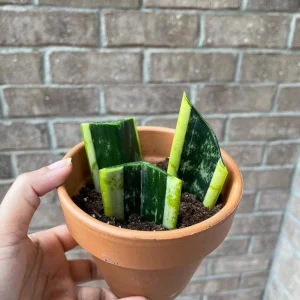
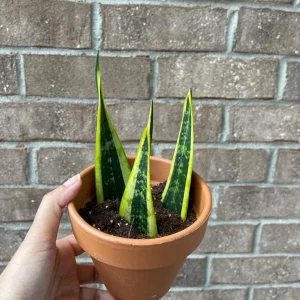
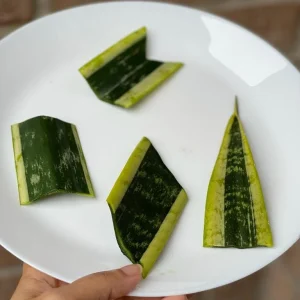
These snake plant unrooted cuttings are typically sections of a healthy leaf, ready for propagation. Once rooted and established, these plants are known for their upright growth habit. Mature snake plants can reach heights between 28-35 inches tall, depending on the variety and growing conditions, though these are unrooted cuttings. They will develop into robust individual plants with thick, reptile-textured glossy pointed leaves. The growth rate is moderate, and with proper sansevieria zeylanica care, you can expect noticeable development within a few months of rooting. They are shipped as unrooted leaf sections, requiring you to initiate the rooting process, which is a rewarding aspect of growing your own mother in law’s tongue plant.
Frequently Asked Questions
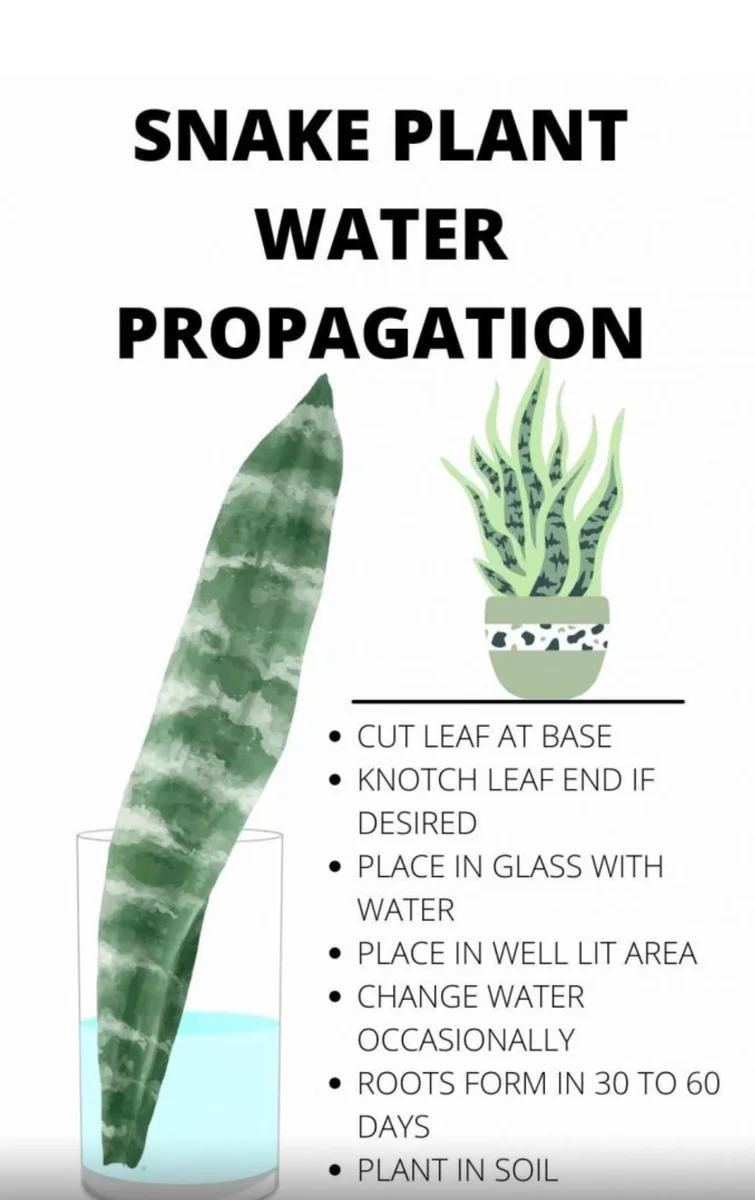
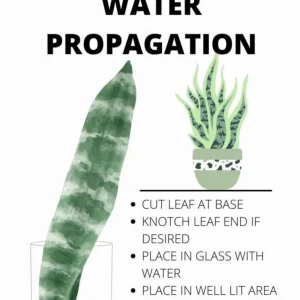
- Q: How do I root these snake plant unrooted cuttings? A: You can root them in water or directly in well-draining soil. If rooting in water, change the water every few days. If rooting in soil, keep the soil slightly moist until roots develop.
- Q: How big will my snake plant get from these cuttings? A: Once established, your snake plant can grow to be 28-35 inches tall, developing into a full-sized plant with its characteristic upright foliage.
- Q: Is this an indoor or outdoor plant? A: The snake plant is primarily an indoor plant for most climates. It can be grown outdoors in USDA zones 9-11 where temperatures do not drop below 55°F.
- Q: How much sunlight does a snake plant need? A: Snake plants thrive in bright, indirect light but are highly adaptable and can tolerate low light conditions, making them versatile for various indoor placements.
- Q: Is this plant easy to care for? A: Yes, snake plants are considered one of the easiest easy care houseplants, perfect for beginners due to their drought tolerance and ability to thrive with minimal attention.
- Q: What condition will the cuttings arrive in? A: Your indoor plant cuttings will arrive as healthy, unrooted leaf sections, ready for you to begin the propagation process. They are carefully prepared to ensure viability.
- Q: How long until the cuttings show roots? A: Rooting can take several weeks to a few months, depending on the method used and environmental conditions. Patience is key when propagating snake plant unrooted cuttings.
- Q: What type of soil is best for rooting and growing snake plants? A: A well-draining potting mix, such as a cactus or succulent blend, is ideal for both rooting and growing your mother in law’s tongue plant to prevent waterlogging.
- Q: Are snake plants pet-safe? A: Snake plants are considered mildly toxic if ingested. It is best to keep them out of reach of curious pets and children.
- Q: When is the best time to plant these cuttings? A: You can plant these cuttings year-round indoors. The warmer months of spring and summer might encourage slightly faster rooting.


Reviews
There are no reviews yet.