Overview
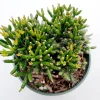
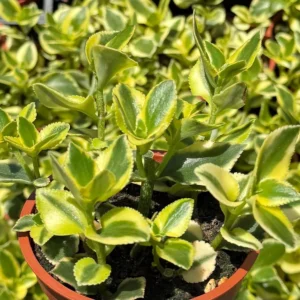
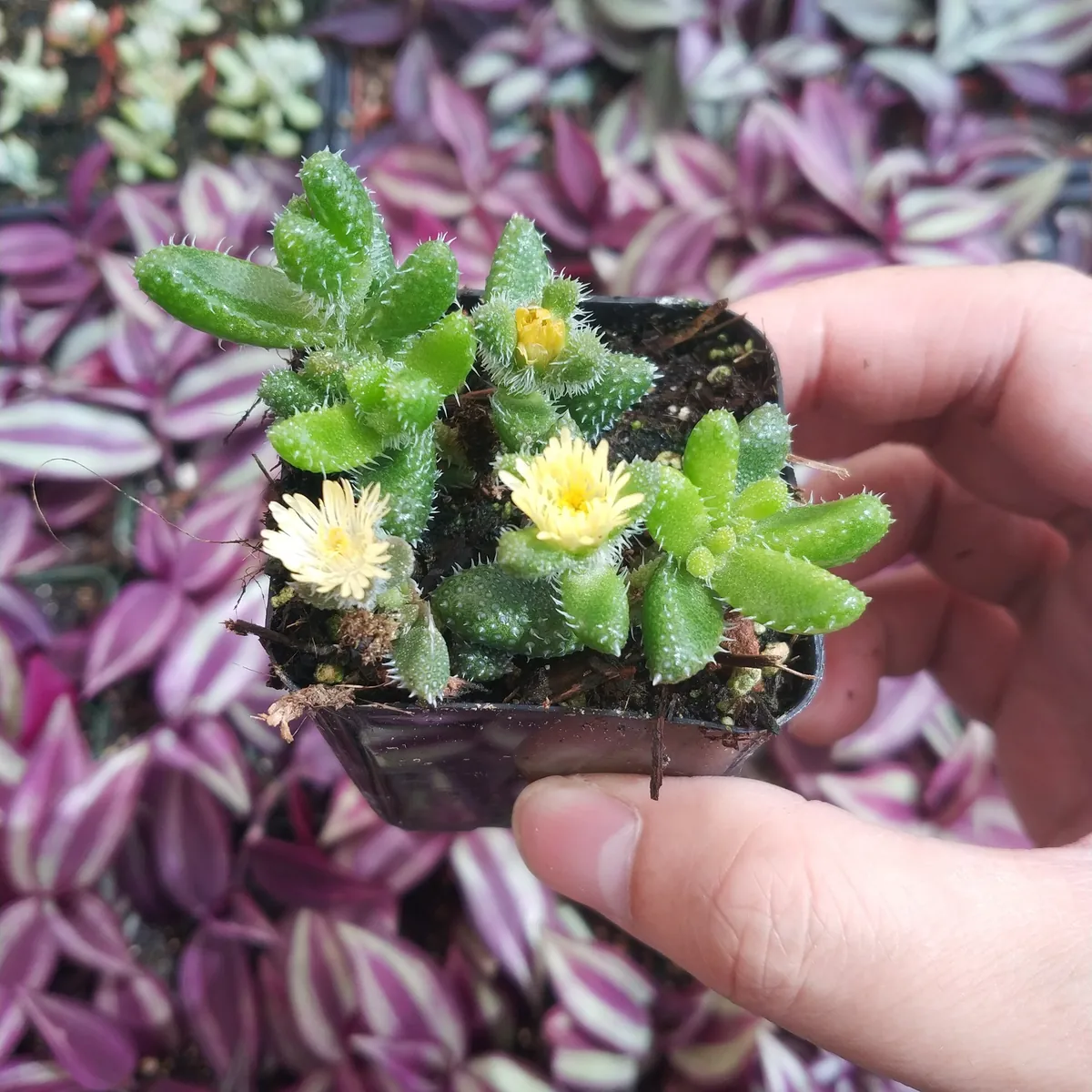
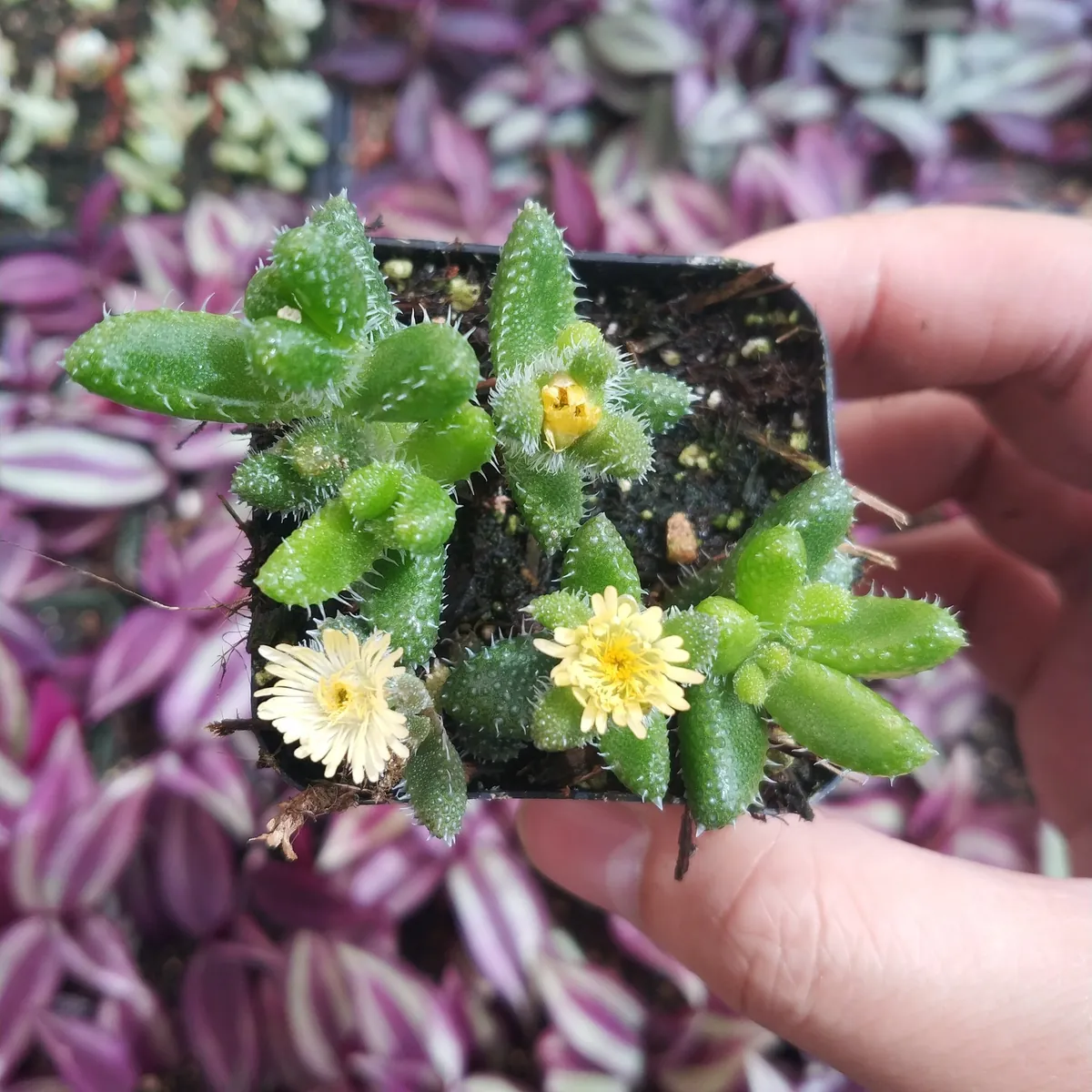
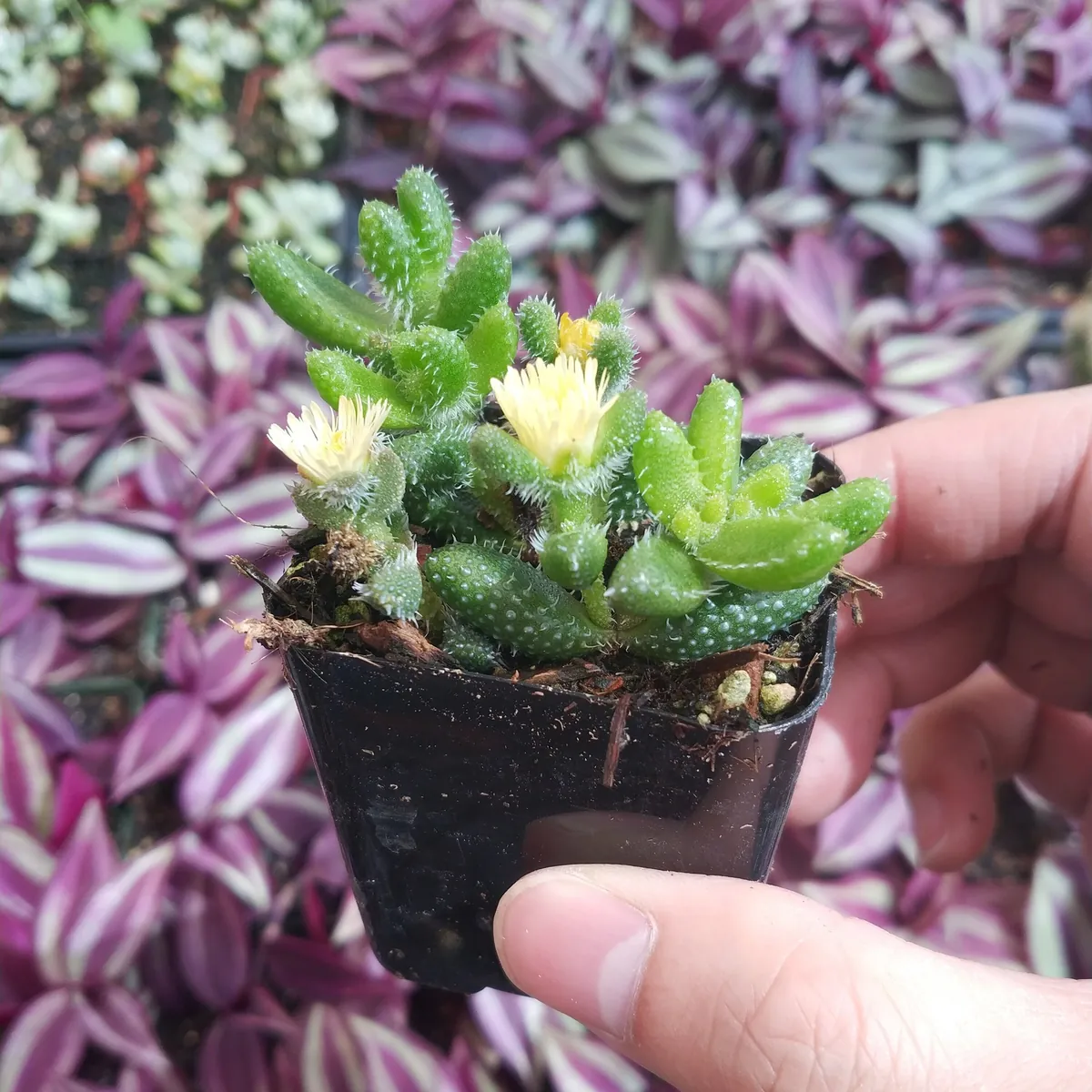
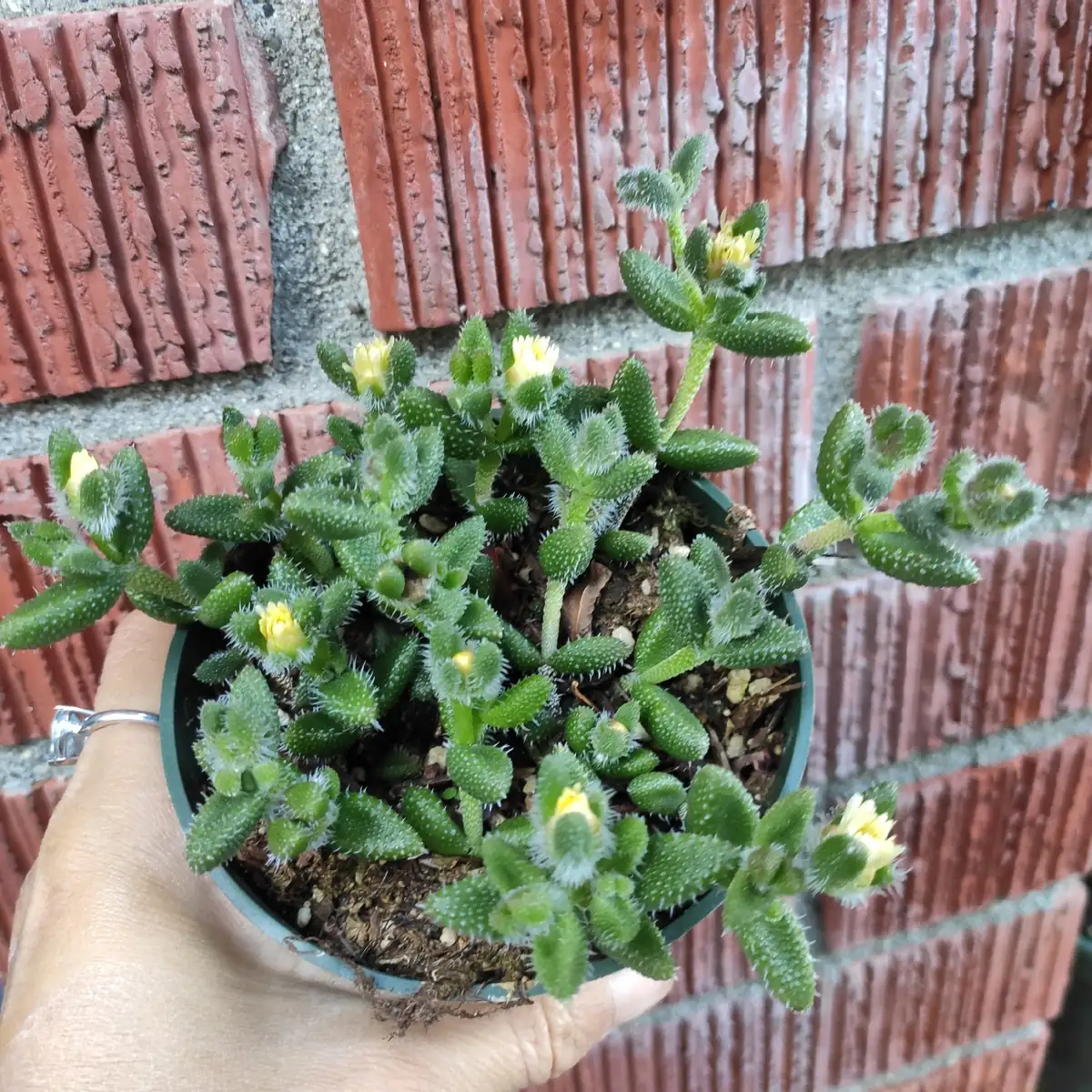
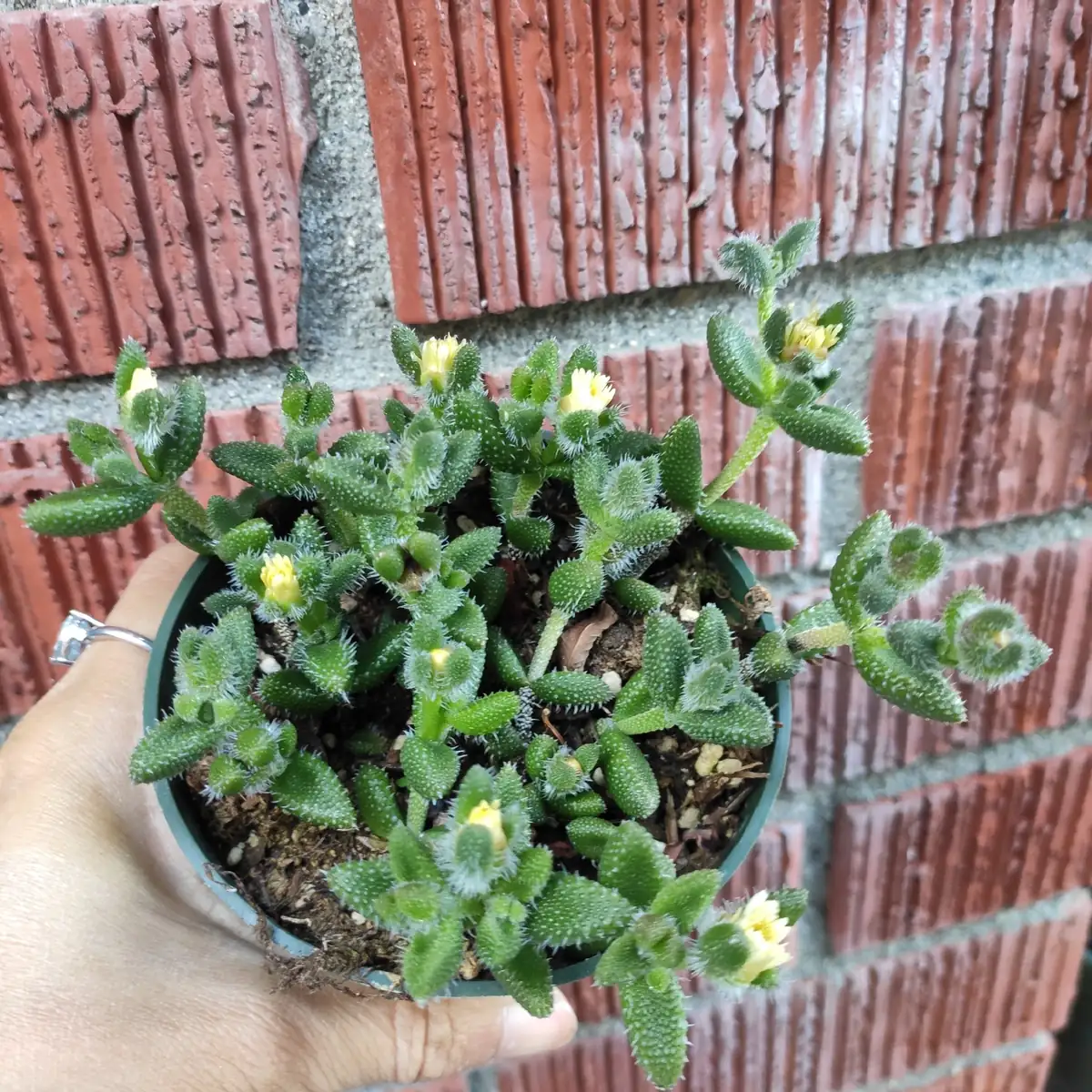
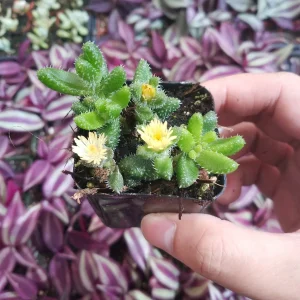
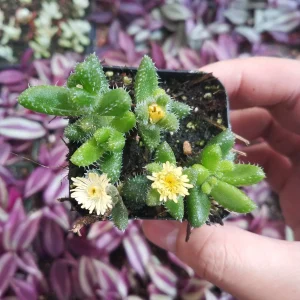
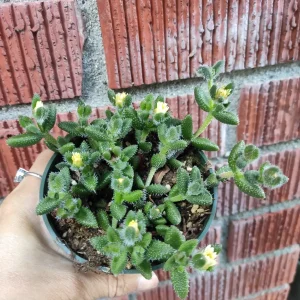
Introduce an extraordinary botanical specimen into your home or garden with the pickle plant succulent, scientifically known as Delosperma echinatum. This fascinating live plant is cherished for its highly distinctive appearance, featuring fleshy, barrel-shaped leaves covered in soft, spine-like hairs. Native to the arid regions of South Africa, the Pickle Plant is a subtropical succulent that thrives in conditions mimicking its natural habitat, making it remarkably drought-tolerant and easy to care for. Its unique foliage provides year-round visual interest, often complemented by small, charming white or yellow flowers that can bloom throughout the year. Whether you’re a seasoned succulent enthusiast or new to plant care, the Delosperma echinatum offers an intriguing and low-maintenance option for adding texture and character to your plant collection.
The Delosperma echinatum, commonly called Pickle Plant, is a member of the Aizoaceae family. It’s an ideal choice for various settings, from indoor decorative pots to rock gardens and xeriscapes. Its resilience and unique aesthetic make it a standout among other succulents, providing a conversation piece wherever it’s placed. This plant’s ability to adapt to varying light conditions and its minimal watering needs contribute to its popularity, solidifying its place as a favorite among those seeking an easy-to-grow yet visually striking plant.
Key Benefits
The pickle plant succulent offers a range of benefits that make it a highly desirable addition to any plant enthusiast’s collection. Its unique characteristics contribute to both its aesthetic appeal and ease of care, providing long-lasting enjoyment with minimal effort.
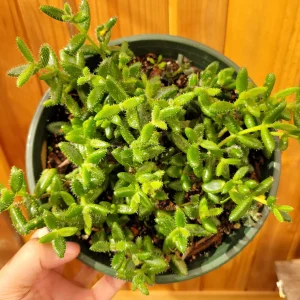
- Striking Foliage: The most prominent feature of the Pickle Plant is its barrel-shaped, bristle-covered leaves, which give it an unparalleled texture and visual interest. This unique succulent plant stands out from more common varieties, adding an exotic touch.
- Drought-Tolerant: As a succulent, Delosperma echinatum is incredibly efficient at storing water, making it highly drought-tolerant. This feature means less frequent watering compared to many other houseplants, ideal for busy individuals or those in arid climates.
- Low Maintenance: This plant requires minimal care, thriving on neglect rather than constant attention. Its simple needs for light and water make it an excellent choice for beginners and experienced gardeners alike.
- Versatile Decor: The Pickle Plant’s compact size and distinctive appearance make it perfect for various decorative uses. It can be a charming addition to indoor shelves, desks, terrariums, or as part of an outdoor succulent arrangement. It also serves as a beautiful accent in bathrooms or on wall hangings, enhancing any space with its delicate and elegant form.
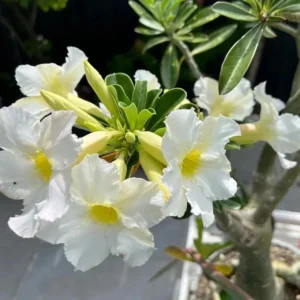
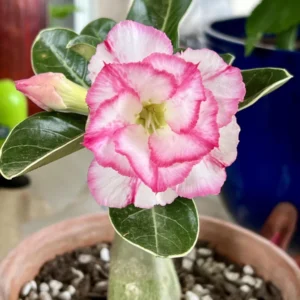
- Year-Round Blooms: While primarily grown for its foliage, the Delosperma echinatum can produce small, vibrant white or yellow flowers throughout the year, adding an extra layer of beauty to its already appealing structure.
- Air Purification: Like many plants, the unique succulent plant contributes to a healthier indoor environment by helping to filter air and improve oxygen levels, enhancing the overall well-being of your living space.
- Hardy and Resilient: Originating from tough environments, this plant is robust and can withstand a range of conditions, making it a long-lasting and rewarding plant to cultivate.
Plant Care & Growing Tips
Caring for your Delosperma echinatum, or Pickle Plant, is relatively straightforward, making it an excellent choice for both novice and experienced plant parents. Understanding its specific needs will ensure it thrives and continues to display its unique beauty.
Light: The pickle plant care routine begins with proper lighting. These succulents prefer full sun but can tolerate semi-shade. For optimal growth and to prevent etiolation (stretching due to lack of light), aim for at least three hours of direct sunlight daily. If kept indoors, place it near a south-facing window or consider supplemental grow lights. Insufficient light will cause the plant to become leggy, with longer distances between leaves and weaker stems.
Water: Watering is crucial for succulents. The soil should be kept slightly moist for extended periods, but never waterlogged. Allow the soil to dry out completely between waterings to prevent root rot. During winter, when temperatures drop below 41°F (5°C), significantly reduce watering. In summer, when temperatures exceed 95°F (35°C), the plant’s growth slows considerably; at this time, water sparingly, only about 2-4 times a month, preferably at night, to prevent old leaves from drying out while avoiding overwatering. This approach is key to effective pickle plant care.
Soil: The Pickle Plant thrives in loose, breathable loam. For potted plants, a mixture of sandy loam and coarse sand is ideal, ensuring excellent drainage. Adding a small amount of fertilizer to the soil can provide necessary nutrients for growth. Avoid heavy, water-retentive soils, as these can lead to root issues. A good cactus and succulent mix amended with perlite or pumice is often suitable.
Potting: Ceramic pots are recommended for Delosperma echinatum due to their moderate permeability, which helps regulate soil moisture. Clay pots can dry out too quickly, while plastic pots may retain too much water, leading to poor aeration. Ensure the pot has drainage holes to prevent water accumulation at the bottom.
Temperature & Humidity: The optimal growing temperature for this unique succulent plant is between 61-82°F (16-28°C). While it can tolerate cooler temperatures, it should be protected from freezing. If temperatures rise above 50°F (10°C), consider moving the plant outdoors to enjoy more direct sunlight. Pickle Plant grows well in average household humidity levels and does not prefer overly humid environments.
Fertilization: Fertilize sparingly during the growing season (spring and summer) with a balanced, diluted liquid fertilizer formulated for succulents. Over-fertilization can harm the plant.
Size & Details
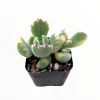
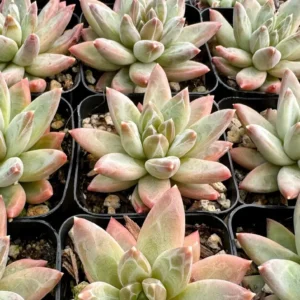
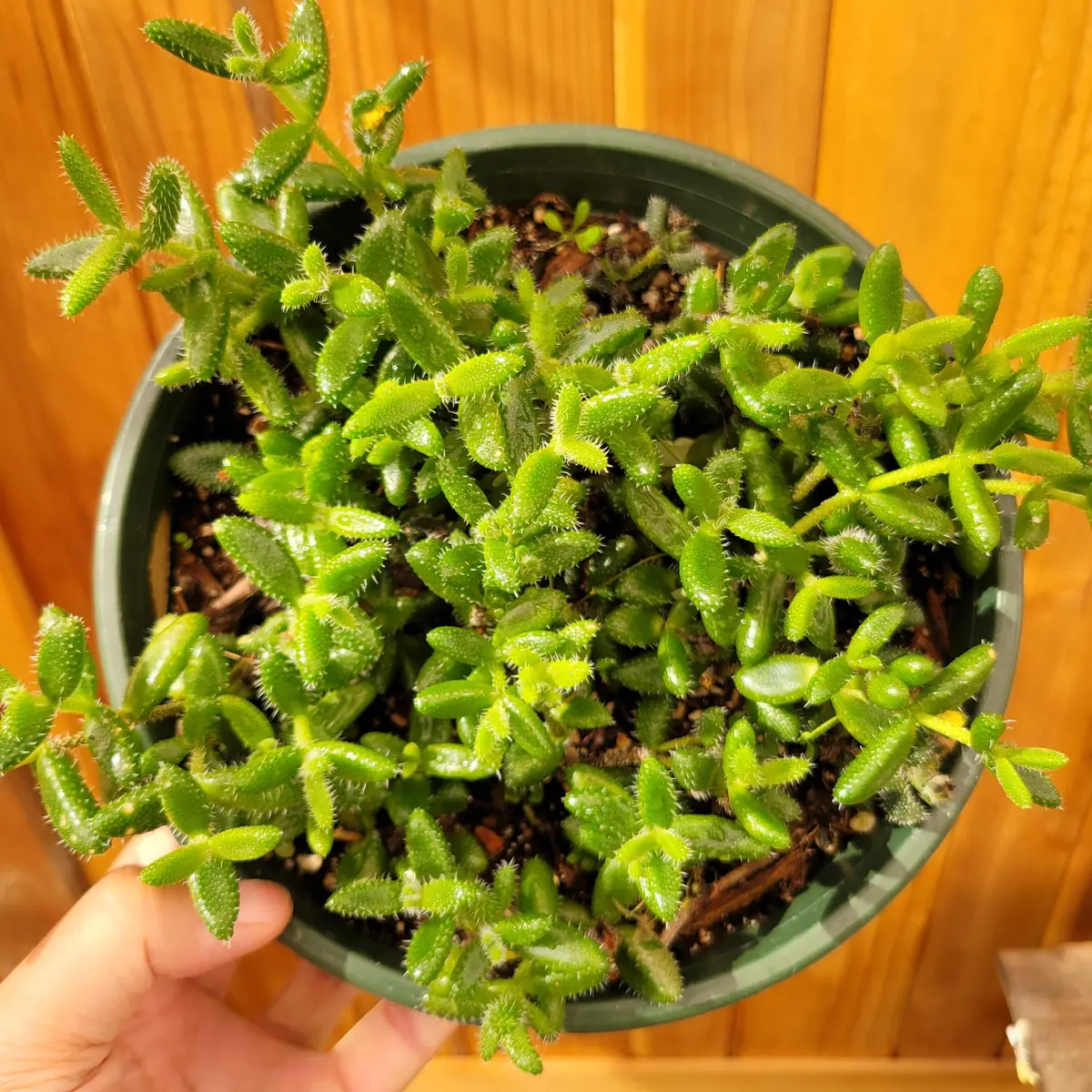
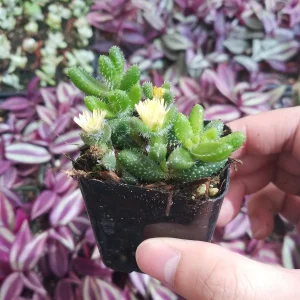
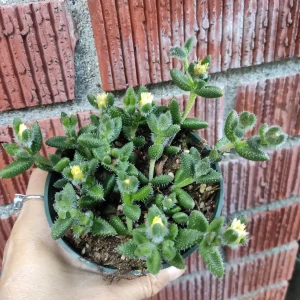
This Delosperma echinatum, or Pickle Plant, is typically offered as a live plant, varying in size based on age and cultivation. Smaller plants, such as 2-inch specimens, generally arrive potted with soil, ready for immediate placement or transplanting. Larger plants, including those 4 inches and above, are often shipped bare-root to ensure their health during transit and to offer a more robust root system upon arrival. The plant’s growth habit is shrub-like, with branches that can become densely grayish-brown or light brown over time. Its unique barrel-shaped leaves are its most distinguishing feature, covered with soft, spine-like hairs. The plant produces delicate white or yellow flowers that can appear throughout the year, adding to its ornamental value. When mature, the Pickle Plant can develop long branchlets covered with its distinctive pearl-like leaves, creating an elegant hanging or trailing effect suitable for various indoor and outdoor decorative applications. Expect a healthy, vigorous plant similar in appearance to the product images, though natural variations in shape and color are common.
Frequently Asked Questions
- Q: How big does this pickle plant succulent get? A: The pickle plant succulent is a fleshy shrub plant that can develop long branchlets covered with pearl-like leaves. Its size can vary depending on growing conditions and age, but it generally remains a manageable size for indoor pots or outdoor rock gardens.
- Q: Is this an indoor or outdoor plant? A: The Delosperma echinatum is a subtropical arid zone plant that can thrive both indoors and outdoors. It prefers full sun but can tolerate semi-shade. If grown outdoors, ensure it is protected from freezing temperatures below 40 degrees Fahrenheit.
- Q: How much sunlight does the Pickle Plant need? A: This plant requires three hours or more of direct sunlight each day. If there isn’t enough light, the plant will easily have excessive growth, becoming leggy and delicate.
- Q: Is this plant easy to care for? A: Yes, the Pickle Plant is considered a low-maintenance succulent, making it suitable for beginners. Its care tips are straightforward, focusing on proper light, minimal watering, and well-draining soil. Following good pickle plant care ensures its longevity.
- Q: What condition will the plant arrive in? A: Smaller 2-inch plants are typically shipped with the pot and soil. Larger 4-inch and above plants are shipped bare-root to ensure health and quality, requiring you to pot them upon arrival. You will receive a very similar plant to the one shown in photos; shape and color may vary.
- Q: What is the optimal temperature for Delosperma echinatum? A: The optimal growing temperature is between 61-82°F (16-28°C). It’s important to protect it from temperatures below 40°F (5°C) and be mindful of extreme heat above 95°F (35°C), where its growth may slow.
- Q: What kind of soil is best for this unique succulent plant? A: The Pickle Plant prefers loose and breathable loam. A mix of sandy loam and coarse sand with good drainage is recommended for potted plants. This ensures the roots do not sit in excessive moisture.
- Q: How often should I water my Pickle Plant? A: The soil needs to be kept slightly moist for a long time to avoid waterlogging. Water is basically cut off throughout the winter. In summer, water sparingly, only about 2-4 times a month, preferably at night, to prevent old leaves from drying out.
- Q: Can I use the Pickle Plant for indoor decoration? A: Absolutely! It is a foliage ornamental plant with long branchlets covered with pearl-like leaves, which are delicate and elegant. It can be used for indoor decoration in various cases and as a wall hanging in bedrooms and bathrooms, adding a touch of a unique succulent plant to your living space.
- Q: Is the Pickle Plant frost-hardy? A: No, living succulents like the Pickle Plant can be damaged by cold weather. If you live in an area that is below 40 degrees Fahrenheit, it’s recommended to provide protection or bring the plant indoors during colder months.


Reviews
There are no reviews yet.