Overview
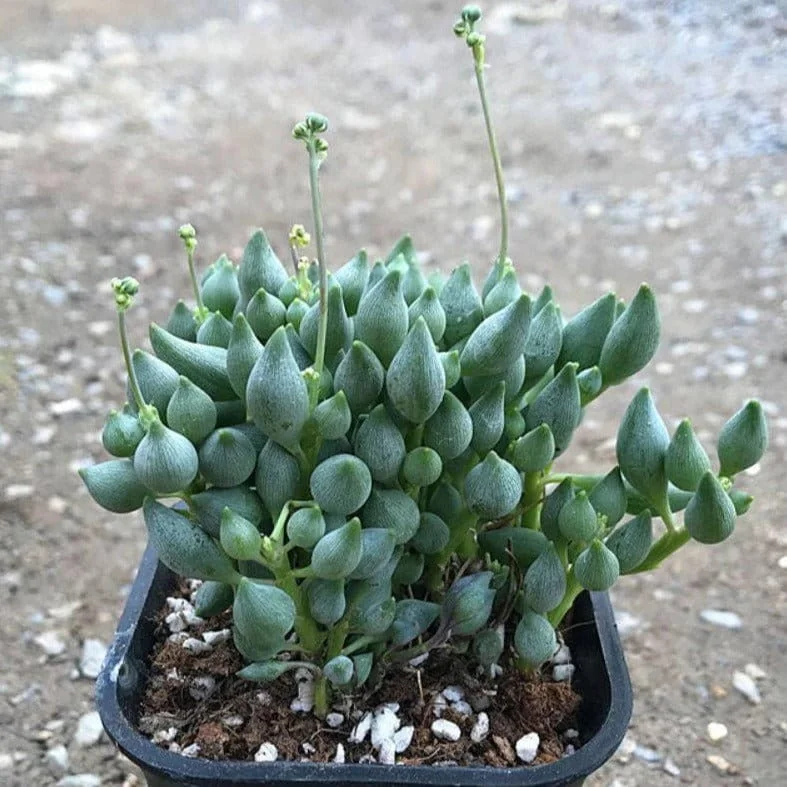
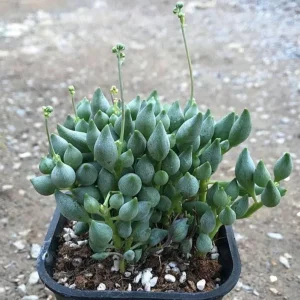
Introduce a touch of whimsical elegance to your plant collection with the string of tears senecio citriformis. This captivating succulent, known botanically as Senecio citriformis, is celebrated for its unique, tear-drop shaped leaves that cascade gracefully, resembling strings of green pearls. It’s a fantastic choice for both seasoned succulent enthusiasts and beginners alike, offering easy care and striking visual appeal. Originating from arid regions, this plant has evolved to thrive with minimal water, making it an incredibly resilient and low-maintenance indoor companion. Its distinct growth habit makes it ideal for hanging planters, elevated shelves, or as a fascinating element in a succulent arrangement, adding texture and interest to any room. The string of tears senecio citriformis is a truly special specimen that brings natural charm and tranquility to your living space.
The string of tears senecio citriformis stands out among other succulents due to its plump, juicy leaves that store water, allowing it to endure dry periods. Its vibrant green foliage can sometimes take on a reddish tint when exposed to ample sunlight, adding another layer of beauty. This live plant arrives ready to be potted and cared for, promising to be a delightful addition to your home or office. Its architectural form and easy-going nature make it a perfect plant for modern decor, bringing a piece of the desert’s resilience and beauty indoors.
Key Benefits
The string of tears senecio citriformis offers numerous advantages, making it a popular choice for plant lovers seeking beauty with minimal effort. Its distinctive appearance and robust nature contribute to a healthier and more aesthetically pleasing environment.
- Unique Ornamental Appeal: The cascading strings of tear-shaped leaves create a stunning visual display, perfect for adding a focal point to any room. Its unusual form is a conversation starter and a joy to behold.
- Drought-Tolerant Nature: As a succulent, this plant is naturally adapted to dry conditions, requiring infrequent watering. This makes it an excellent choice for those with busy schedules or who tend to forget watering their plants. The string of tears senecio citriformis thrives on neglect.
- Low Maintenance: This succulent is incredibly easy to care for, needing bright light and well-draining soil. It doesn’t demand constant attention, allowing you to enjoy its beauty without significant effort.
- Air Purification: Like many houseplants, the string of tears senecio citriformis contributes to improved indoor air quality by absorbing toxins and releasing oxygen, fostering a fresher living environment.
- Versatile Decor: Its trailing habit makes it ideal for hanging baskets, high shelves, or as a spillover plant in mixed containers, adding dynamic movement and texture to your decor.
- Resilient and Hardy: Succulents are known for their toughness, and this variety is no exception. It can withstand a range of conditions once established, proving to be a long-lasting addition to your home.
- Propagation Potential: The string of tears senecio citriformis is relatively easy to propagate from cuttings, allowing you to expand your collection or share with friends and family.
Plant Care & Growing Tips
Caring for your string of tears senecio citriformis is straightforward, especially if you understand its basic needs as a succulent. Providing the right environment will ensure a healthy and thriving plant. The most crucial aspects are light, water, and soil.
For sunlight, the string of tears senecio citriformis thrives in bright, indirect light. A south-facing window is often recommended, but east or west-facing windows can also work. If grown outdoors, ensure it receives morning sun and afternoon shade, especially in hotter climates, to prevent scorching. Insufficient light can lead to leggy growth and less vibrant foliage. When considering senecio citriformis care, proper watering is paramount. Allow the soil to dry out completely between waterings, then water thoroughly until water drains from the bottom of the pot. Overwatering is the most common cause of succulent demise, so err on the side of underwatering. Reduce watering significantly during the cooler, dormant months.
The right soil mix is essential for this trailing succulent plant. Use a porous, well-draining succulent or cactus mix. You can enhance drainage by adding perlite, pumice, or coarse sand to regular potting soil. Good drainage prevents root rot, which is vital for succulent health. This plant prefers average room temperatures, typically between 65-80°F (18-27°C). It is not frost-tolerant, so if you live in an area where temperatures drop below 40°F (4°C), it’s best to bring it indoors or ensure adequate protection. Fertilize sparingly during the growing season (spring and summer) with a diluted liquid succulent fertilizer, about once a month. Avoid fertilizing in fall and winter. Common problems include root rot from overwatering and pests like mealybugs, which can be treated with insecticidal soap.
Size & Details
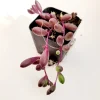
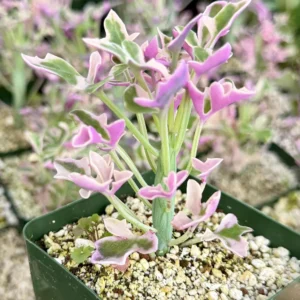
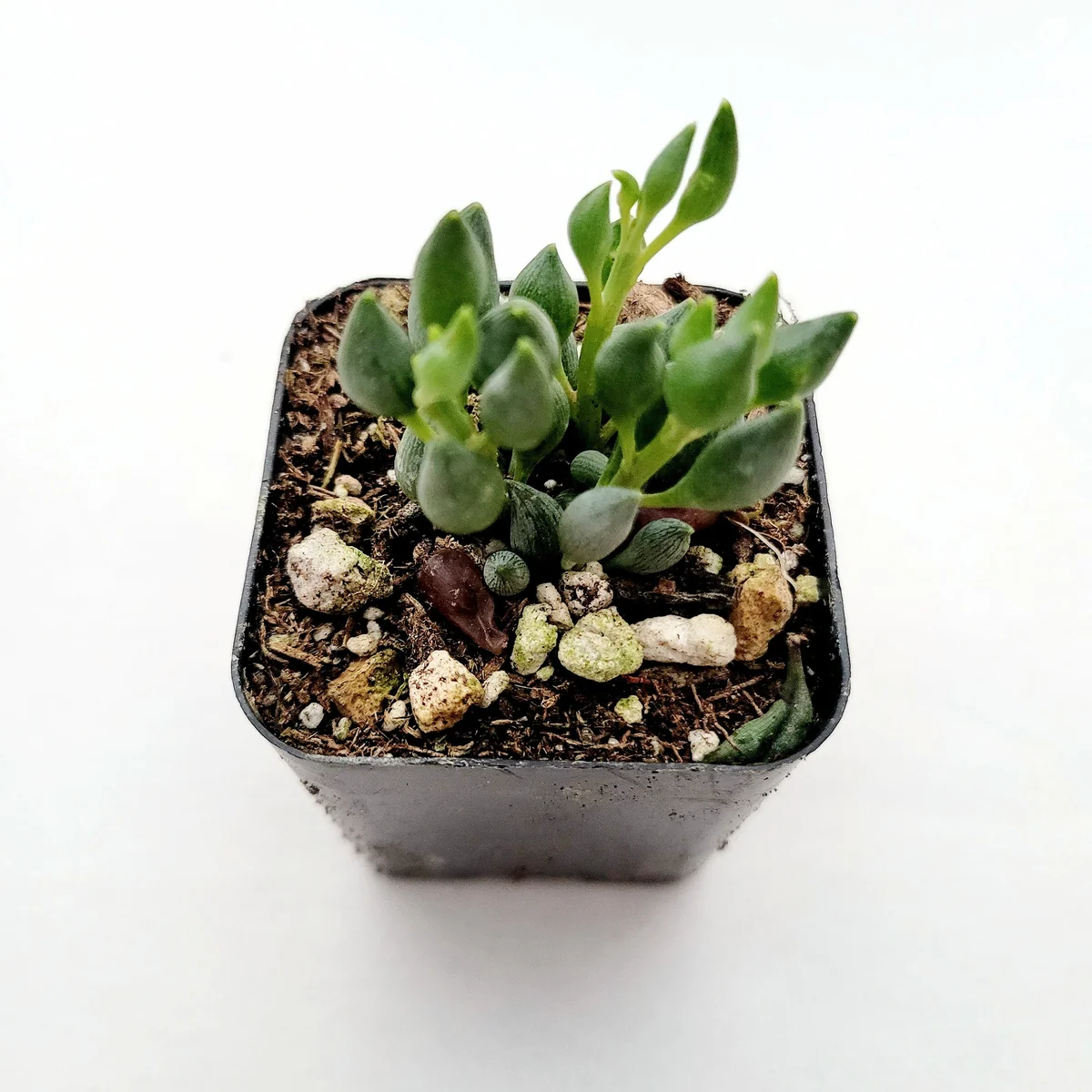
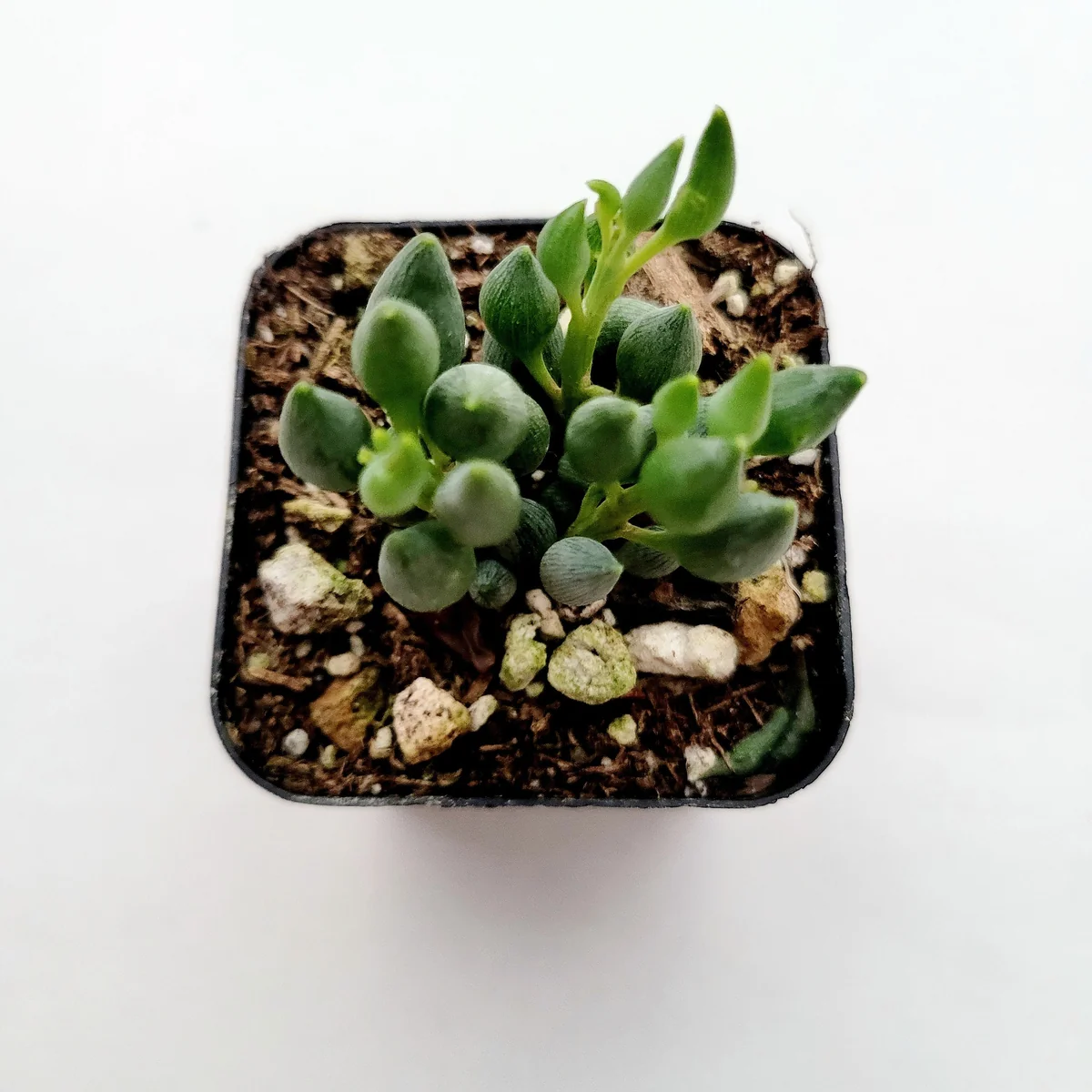
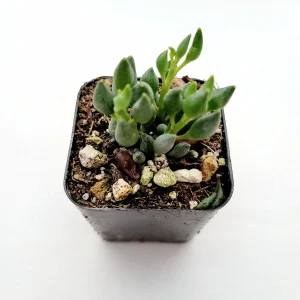
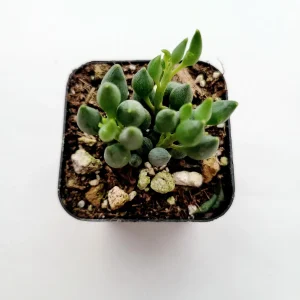
This unique indoor succulent typically arrives as a well-rooted plant, ready for transplanting into your preferred container. The plant’s trailing stems can reach lengths of several feet over time, gracefully spilling over the edges of pots or hanging baskets. Each tear-shaped leaf is plump and vibrant green, contributing to its distinctive appearance. While the exact size upon arrival may vary, you can expect a healthy specimen with established roots and developing foliage, similar to the plant shown in photos. The growth rate is moderate, allowing you to observe its development and enjoy its evolving form.
When fully mature, the string of tears senecio citriformis can create an impressive display of cascading foliage. It is best suited for indoor cultivation in most climates, though it can thrive outdoors in frost-free regions. It is shipped bare roots without soil to ensure safe transit and minimize stress, allowing you to plant it directly into your chosen well-draining medium upon arrival. This method also allows for easier inspection of the roots and reduces the risk of pest transfer. Expect a plant that will continue to grow and flourish with proper care, becoming a long-term feature in your home.
Frequently Asked Questions
- Q: How big does this plant get? A: The string of tears senecio citriformis is a trailing succulent whose stems can grow several feet long over time, creating a beautiful cascading effect. The individual tear-shaped leaves are typically small, about 0.5 to 1 inch in length.
- Q: What size pot does it come in? A: Our plants are typically shipped bare root, without a pot and soil, to ensure their health during transit. We recommend planting it in a pot with good drainage, approximately 4-6 inches in diameter, upon arrival.
- Q: Is this an indoor or outdoor plant? A: This plant is primarily cultivated as an indoor houseplant due to its sensitivity to cold temperatures. It can be grown outdoors in USDA zones 9-11, or in other warm, frost-free climates, provided it receives appropriate sunlight.
- Q: How much sunlight does it need? A: The string of tears senecio citriformis thrives in bright, indirect sunlight. A south-facing window is ideal, but it can also do well in east or west-facing windows. Avoid direct, harsh afternoon sun which can scorch its leaves.
- Q: Is this plant easy to care for? A: Yes, this is considered an easy-care succulent. Its drought-tolerant nature means it requires infrequent watering, and it’s quite forgiving if you miss a watering session. It’s a great choice for beginners looking for a drought tolerant succulents.
- Q: What condition will it arrive in? A: Your string of tears senecio citriformis will arrive healthy, carefully packaged, and shipped bare root to minimize stress during transit. While some minor leaf loss is normal during shipping, the plant will be ready to thrive once potted.
- Q: How often should I water my String of Tears? A: Water only when the soil has completely dried out. In most indoor environments, this might be every 2-4 weeks, but always check the soil moisture before watering. Reduce watering significantly in winter.
- Q: What type of soil is best for this plant? A: A well-draining succulent or cactus potting mix is essential. You can improve drainage by adding perlite, pumice, or coarse sand to a standard potting mix. This helps prevent root rot.
- Q: Is this plant pet-safe? A: Like many succulents, Senecio species can be mildly toxic if ingested. It’s best to keep this plant out of reach of pets and small children.
- Q: Can I propagate this trailing succulent plant? A: Yes, it propagates easily from stem cuttings. Simply snip a healthy stem, allow the cut end to callus for a few days, then plant it in well-draining soil.


Reviews
There are no reviews yet.