Overview
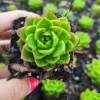
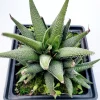
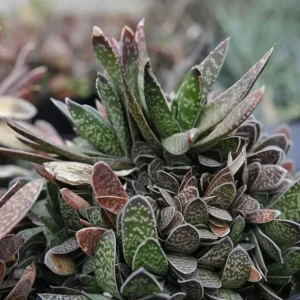
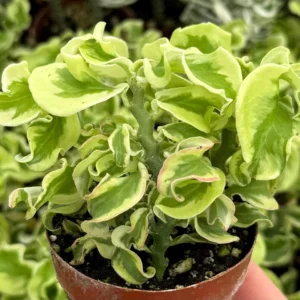
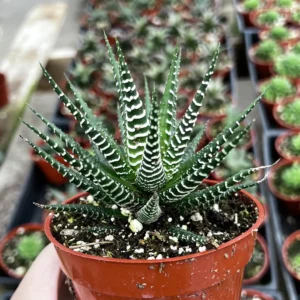
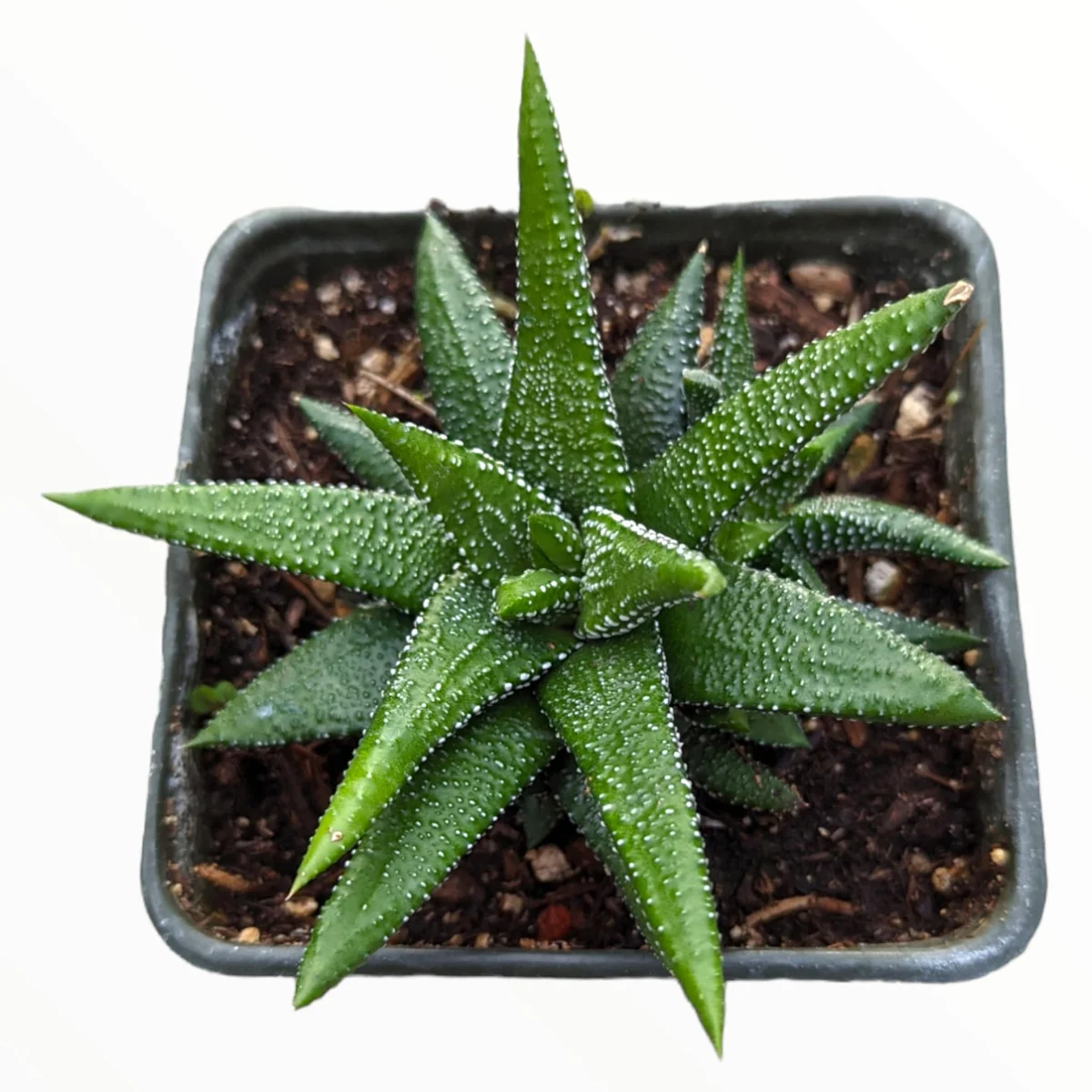
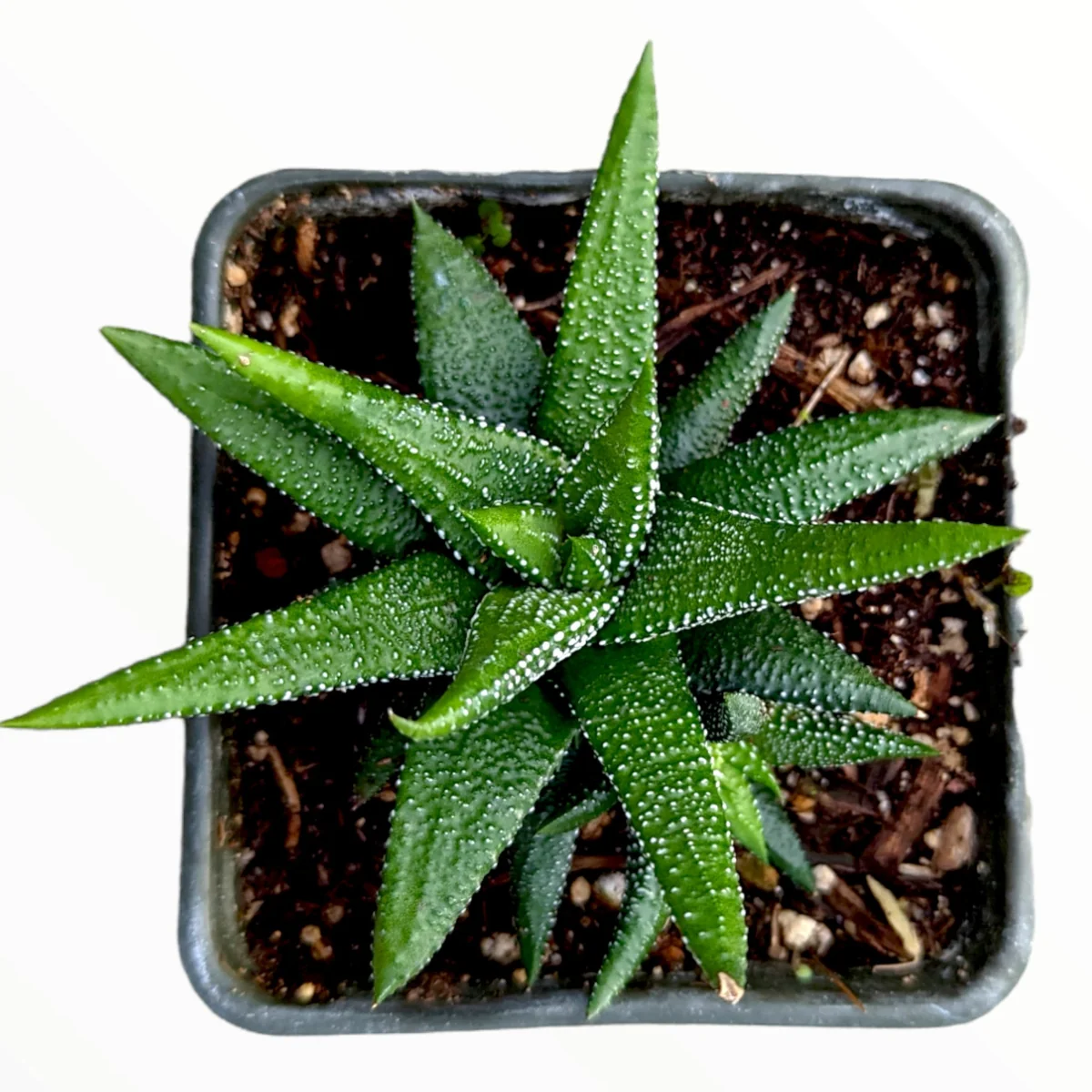
Introduce a touch of architectural elegance to your indoor plant collection with the remarkable Haworthia attenuata ‘Enon’. This captivating live succulent plant, often referred to as ‘Enon Zebra Plant’ due to its distinctive white-banded green leaves, is a popular choice for its unique aesthetic and straightforward care requirements. Belonging to the Asphodelaceae family, Haworthias are small, slow-growing succulents native to South Africa. The ‘Enon’ cultivar is particularly prized for its robust nature and striking appearance, forming compact rosettes of fleshy, pointed leaves adorned with raised white tubercles that create a beautiful striped pattern. Perfect for windowsills, desks, or terrariums, this Haworthia succulent adds texture and visual interest without demanding constant attention, making it an excellent option for busy individuals or those new to plant parenting. Its resilience and striking appearance make it a perennial favorite among succulent collectors and interior decorators alike.
The Haworthia attenuata ‘Enon’ is more than just a pretty face; it’s a living sculpture that brings a piece of the arid landscape into your home. Its compact size ensures it fits comfortably in smaller spaces, while its unique foliage provides a focal point. As a true easy care succulent, it’s forgiving of occasional neglect and thrives on minimal intervention, making it a rewarding plant to grow. Its ability to store water in its leaves allows it to endure periods of dryness, characteristic of a true drought tolerant plant, aligning perfectly with sustainable gardening practices.
Key Benefits
The Haworthia attenuata ‘Enon’ offers a multitude of benefits, making it an outstanding choice for any plant lover. Its unique characteristics contribute to both aesthetic appeal and ease of maintenance, ensuring a rewarding ownership experience. This Haworthia succulent is not only beautiful but also remarkably resilient.
- Striking Ornamental Value: The distinctive white stripes and pointed leaves of the ‘Enon’ cultivar create a visually appealing, sculptural form that enhances any indoor decor. It serves as an excellent focal point or a complementary piece in a succulent arrangement.
- Low Maintenance & Easy Care: Renowned as an easy care succulent, it requires minimal watering and attention, making it perfect for beginners or those with busy lifestyles. Its forgiving nature allows it to thrive even with occasional neglect.
- Drought Tolerance: As a true drought tolerant plant, the Haworthia attenuata ‘Enon’ stores water in its thick leaves, allowing it to withstand prolonged dry periods. This reduces the frequency of watering and conserves water resources.
- Compact Size: Its small, rosette-forming habit makes it ideal for small spaces like desks, shelves, windowsills, or terrariums. It won’t outgrow its spot quickly, maintaining its charming appearance.
- Air Purification: Like many houseplants, Haworthias can contribute to improved indoor air quality by absorbing certain toxins and releasing oxygen, creating a healthier living environment.
- Pet-Friendly: Unlike some other succulents, Haworthia attenuata is generally considered non-toxic to pets, offering peace of mind for pet owners. Always supervise pets around plants.
- Propagation Potential: This succulent readily produces offsets, commonly known as ‘pups’, which can be easily separated and propagated to grow new plants, expanding your collection or sharing with friends. This aspect truly embodies the joy of indoor succulent care.
Plant Care & Growing Tips
Caring for your Haworthia attenuata ‘Enon’ is a straightforward process, ensuring years of enjoyment from this beautiful succulent. Understanding its basic needs will help it thrive and maintain its vibrant appearance. This easy care succulent prefers conditions that mimic its natural arid habitat.
Sunlight Requirements: The Haworthia attenuata ‘Enon’ prefers bright, indirect light. While it can tolerate some direct morning sun, intense afternoon sun can scorch its leaves, causing them to turn reddish or brown. An east-facing window is often ideal, providing gentle morning light, or a south/west-facing window with sheer curtains to diffuse the light. If grown outdoors in suitable climates, place it in a shaded spot where it receives plenty of ambient light but is protected from harsh midday sun. Sufficient light is crucial for vibrant foliage and compact growth, directly impacting your indoor succulent care success.
Watering Schedule: As a drought tolerant plant, overwatering is the most common cause of problems for Haworthias. Water thoroughly only when the soil is completely dry to the touch, typically every 2-4 weeks during the growing season (spring and summer). In fall and winter, reduce watering significantly, perhaps once a month or even less, depending on your home’s humidity and temperature. Always ensure that excess water drains away freely from the pot to prevent root rot. Avoid letting the plant sit in standing water. When performing indoor succulent care, always check soil moisture first.
Soil Type and Drainage: Excellent drainage is paramount for the health of your Haworthia succulent. Plant it in a porous, well-draining succulent or cactus potting mix. A good mix typically consists of potting soil blended with inorganic amendments like perlite, pumice, or coarse sand at a ratio of 1:1 or 2:1. This allows water to pass through quickly and prevents the roots from sitting in soggy conditions, which can lead to fungal diseases and root rot. A pot with drainage holes is absolutely essential.
Temperature and Humidity: Haworthia attenuata ‘Enon’ prefers average room temperatures between 65°F and 80°F (18°C-27°C). It can tolerate temperatures down to about 40°F (4°C) but should be protected from frost. Avoid sudden temperature drops or drafts. These plants are accustomed to low humidity environments, so average household humidity is perfectly fine. High humidity combined with poor air circulation can sometimes lead to issues. This makes it an ideal candidate for indoor succulent care.
Fertilization: Fertilize sparingly, if at all. If you choose to fertilize, do so once or twice during the spring and summer growing season with a diluted, balanced liquid succulent or cactus fertilizer (at half strength). Avoid fertilizing during the dormant winter months. Over-fertilization can harm the plant.
Pests and Problems: Haworthias are generally pest-resistant. However, mealybugs or spider mites can occasionally be an issue. Inspect your plant regularly. If pests are found, treat with insecticidal soap or neem oil. Root rot is the most common problem, almost always due to overwatering. Ensure proper drainage and adjust your watering schedule to prevent this.
Size & Details
The Haworthia attenuata ‘Enon’ typically grows as a compact rosette, reaching an average height of about 4-6 inches (10-15 cm) and a similar spread. Its slow growth rate means it will maintain its charming, desk-friendly size for a considerable period, making it an excellent long-term indoor companion. This live plant is usually shipped bare root or in a small nursery pot, ready for you to transplant into your preferred decorative container. When mature, it may produce small, inconspicuous white flowers on a tall stalk, though the foliage remains its primary ornamental feature. This resilient Haworthia succulent is known for its ability to produce offsets or ‘pups’ around the base, which can be easily separated for propagation, allowing you to expand your collection of this beautiful drought tolerant plant.
Frequently Asked Questions
- Q: How big does this Haworthia attenuata ‘Enon’ plant get? A: The Haworthia attenuata ‘Enon’ typically forms a compact rosette, reaching about 4-6 inches (10-15 cm) in height and spread when mature. Its slow growth rate ensures it remains a manageable size for most indoor spaces.
- Q: Is this an indoor or outdoor plant? A: While it can tolerate some outdoor conditions in very mild climates (USDA zones 9-11), the Haworthia attenuata ‘Enon’ is predominantly grown as an indoor plant due to its preference for bright, indirect light and protection from frost.
- Q: How much sunlight does it need? A: This easy care succulent thrives in bright, indirect light. Avoid harsh, direct afternoon sun which can scorch its leaves. An east-facing window or a bright spot a few feet from a south or west-facing window is ideal for optimal indoor succulent care.
- Q: Is this plant easy to care for? A: Yes, the Haworthia attenuata ‘Enon’ is considered a very easy-care succulent, making it perfect for beginners. Its primary needs are bright, indirect light and infrequent watering, allowing the soil to dry completely between waterings.
- Q: What condition will it arrive in? A: Your live succulent plant will typically arrive healthy and well-packaged, either bare root or in a small nursery pot, ready for you to plant in your chosen container.
- Q: How often should I water my Haworthia succulent? A: Water only when the soil is completely dry to the touch. This could be every 2-4 weeks during the warmer months and even less frequently during winter. Always ensure good drainage to prevent root rot in your drought tolerant plant.
- Q: What kind of soil is best for Haworthia attenuata ‘Enon’? A: A well-draining succulent or cactus potting mix is essential. You can create one by mixing regular potting soil with perlite, pumice, or coarse sand to improve drainage for effective indoor succulent care.
- Q: Is this Haworthia attenuata ‘Enon’ plant pet-safe? A: Yes, Haworthia attenuata ‘Enon’ is generally considered non-toxic to pets, making it a safer choice for homes with cats and dogs. However, it’s always best to prevent pets from chewing on plants.
- Q: Will it produce flowers? A: While primarily grown for its foliage, the Haworthia attenuata ‘Enon’ can produce small, inconspicuous white flowers on a tall stalk, usually during spring or summer.
- Q: Can I propagate this Haworthia succulent? A: Absolutely! The Haworthia attenuata ‘Enon’ readily produces offsets (pups) at its base. These can be carefully removed and replanted once they are a decent size, allowing you to easily propagate new plants.


Reviews
There are no reviews yet.