Overview
Introduce a touch of the exotic to your home with the Rhipsalis Cereoides Cactus, a captivating and easy-to-grow succulent. Often referred to as the ‘Mistletoe Cactus’ due to its unique appearance, this live plant is a fantastic choice for both novice and experienced plant enthusiasts. Unlike desert cacti, Rhipsalis species are epiphytic, meaning they naturally grow on other plants in humid, tropical environments, often found clinging to trees in rainforests. This particular variety, Rhipsalis Cereoides Cactus, features intriguing, cylindrical, segmented stems that cascade beautifully, making it an excellent candidate for hanging displays or as a textural accent on shelves. Its distinctive form and relatively low maintenance requirements make it a popular choice for adding green elegance to indoor spaces. Embrace the unique charm of this trailing succulent and enjoy its effortless beauty.
The Rhipsalis Cereoides Cactus thrives in conditions that mimic its native habitat, preferring bright, indirect light and well-draining soil. Its drought-tolerant nature makes it forgiving for those who occasionally forget to water, solidifying its reputation as a hardy and resilient houseplant. This particular species is known for its robust growth and ability to reproduce easily, offering abundant greenery that can transform any room into a lush, vibrant sanctuary. If you’re looking for an unusual yet straightforward plant to care for, the Rhipsalis Cereoides Cactus is an excellent addition to consider.
Key Benefits
The Rhipsalis Cereoides Cactus offers a plethora of benefits that make it a highly desirable houseplant. Its unique growth habit and resilient nature contribute to its appeal, providing aesthetic and practical advantages for any plant enthusiast.
- Unique Aesthetic Appeal: The segmented, cylindrical stems of the Rhipsalis Cereoides Cactus create a visually striking display. Its trailing habit makes it perfect for hanging baskets, adding a dynamic and architectural element to your indoor decor. It stands out from typical foliage plants, offering an exotic touch.
- Low Maintenance: As a succulent, this plant is inherently drought-tolerant and requires infrequent watering, making it ideal for busy individuals or those new to plant care. Its resilience ensures it can thrive even with occasional neglect. Mastering Rhipsalis plant care is surprisingly simple.
- Air Purification: Like many houseplants, the Rhipsalis Cereoides Cactus contributes to improved indoor air quality by absorbing common household toxins and releasing oxygen, promoting a healthier living environment.
- Versatile Placement: Its ability to flourish in various indoor light conditions, particularly bright indirect light, allows for flexible placement within your home, from sunny windowsills to brighter corners of a room. This adaptability makes it a versatile indoor cactus.
- Easy Propagation: Rhipsalis plants are known for being easy to propagate from stem cuttings, allowing you to readily expand your collection or share with friends and family. This makes it a rewarding plant for propagation enthusiasts.
- Drought Tolerance: Its succulent nature means it stores water in its stems, enabling it to withstand periods of dryness. This makes it a truly drought-tolerant plant, reducing the need for constant attention to watering schedules.
- Pet-Friendly: Unlike some cacti with sharp spines, Rhipsalis species are generally spineless and non-toxic, making them a safer choice for homes with pets and small children.
Plant Care & Growing Tips
Caring for your Rhipsalis Cereoides Cactus is straightforward, especially if you understand its natural epiphytic origins. While it’s a cactus, it’s not a desert dweller, so its needs differ from typical arid-loving succulents. To ensure your Rhipsalis Cereoides Cactus thrives, pay close attention to its light, water, and soil requirements.
Sunlight Requirements: This Rhipsalis prefers bright, indirect light. A south, east, or west-facing window that receives filtered light is ideal. Direct, harsh sunlight, especially during the hottest parts of the day, can scorch its delicate stems, leading to discoloration or damage. If placed outdoors in warmer climates, ensure it’s in a shaded or partially shaded location. Adequate light is crucial for healthy growth and promoting the unique characteristics of this indoor cactus.
Watering Schedule and Soil Moisture: Unlike desert cacti, Rhipsalis appreciates more frequent watering, though good drainage is paramount. Allow the top inch or two of soil to dry out between waterings. When you water, do so thoroughly until water drains from the bottom of the pot. Reduce watering significantly during the cooler, dormant months. Overwatering is the most common cause of problems, leading to root rot. Proper Rhipsalis plant care emphasizes a balance of moisture without sogginess.
Soil Type and Drainage: A well-draining, airy potting mix is essential for the Rhipsalis Cereoides Cactus. A standard succulent or cactus mix can be amended with additional perlite, orchid bark, or pumice to improve drainage and aeration. This mimics the loose, organic matter it would grow in naturally. Avoid heavy, dense soils that retain too much moisture, as this can quickly lead to root issues for this trailing succulent.
Temperature Range and USDA Hardiness Zone: Being a tropical plant, Rhipsalis prefers consistent temperatures between 60-80°F (15-27°C). It is not tolerant of frost and should be protected from temperatures below 50°F (10°C). For outdoor growing, it is generally suited for USDA zones 10-11, but it is primarily grown as an indoor plant in most regions. Ensure it is kept away from cold drafts and sudden temperature fluctuations.
Fertilization Schedule: Fertilize sparingly. During the active growing season (spring and summer), feed your Rhipsalis Cereoides Cactus once a month with a balanced liquid fertilizer diluted to half strength. Avoid fertilizing during fall and winter when the plant’s growth slows down. Over-fertilization can lead to nutrient burn or excessive leggy growth.
Common Problems and Solutions: The most common issues are related to improper watering. Yellowing or mushy stems indicate overwatering and potential root rot. If this occurs, reduce watering and ensure better drainage. Shriveling or dull stems typically signal underwatering. Pests like mealybugs or spider mites can occasionally be a problem; treat with insecticidal soap or neem oil. Providing good air circulation also helps prevent fungal issues. Following these detailed tips will help you maintain a healthy and vibrant drought-tolerant plant.
Size & Details
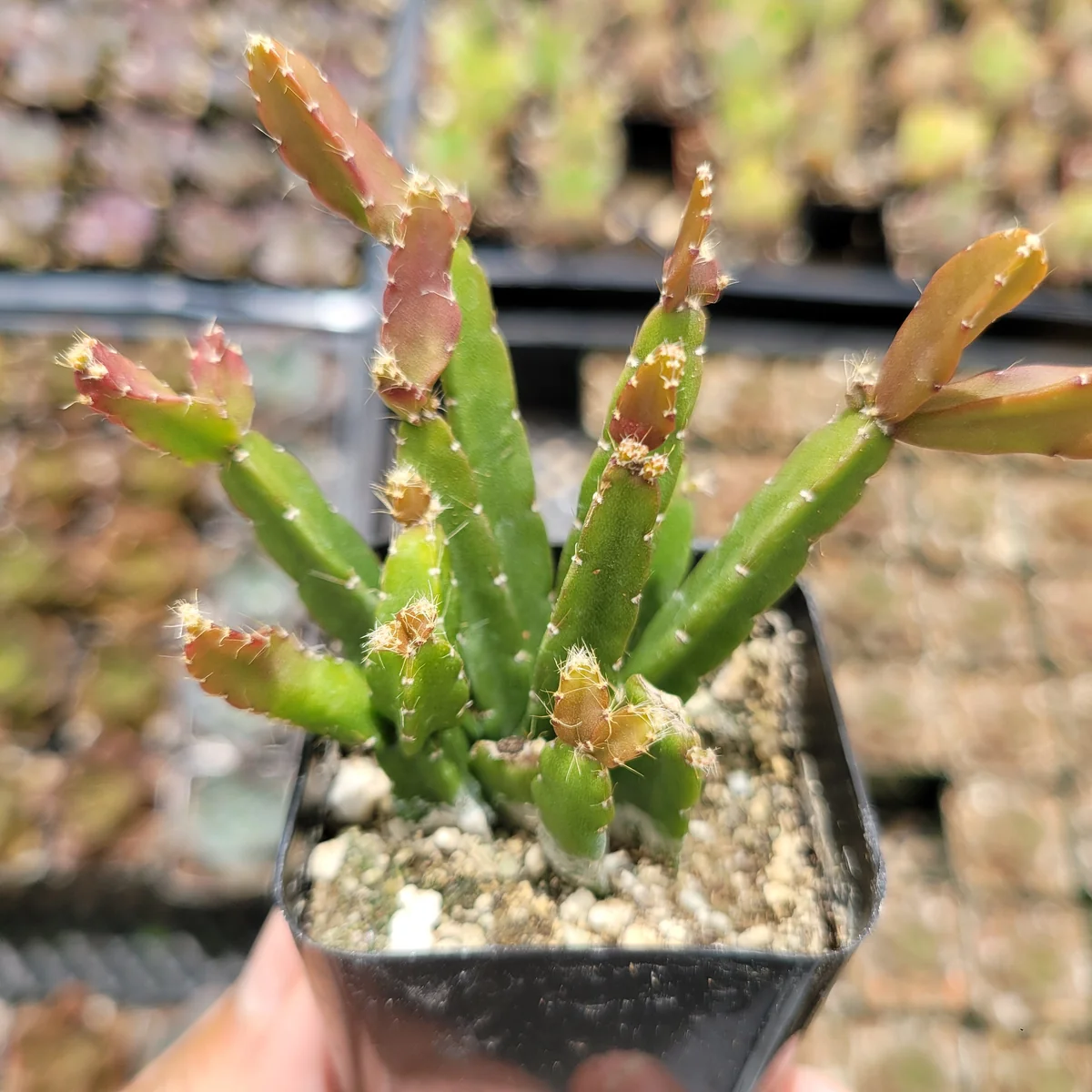
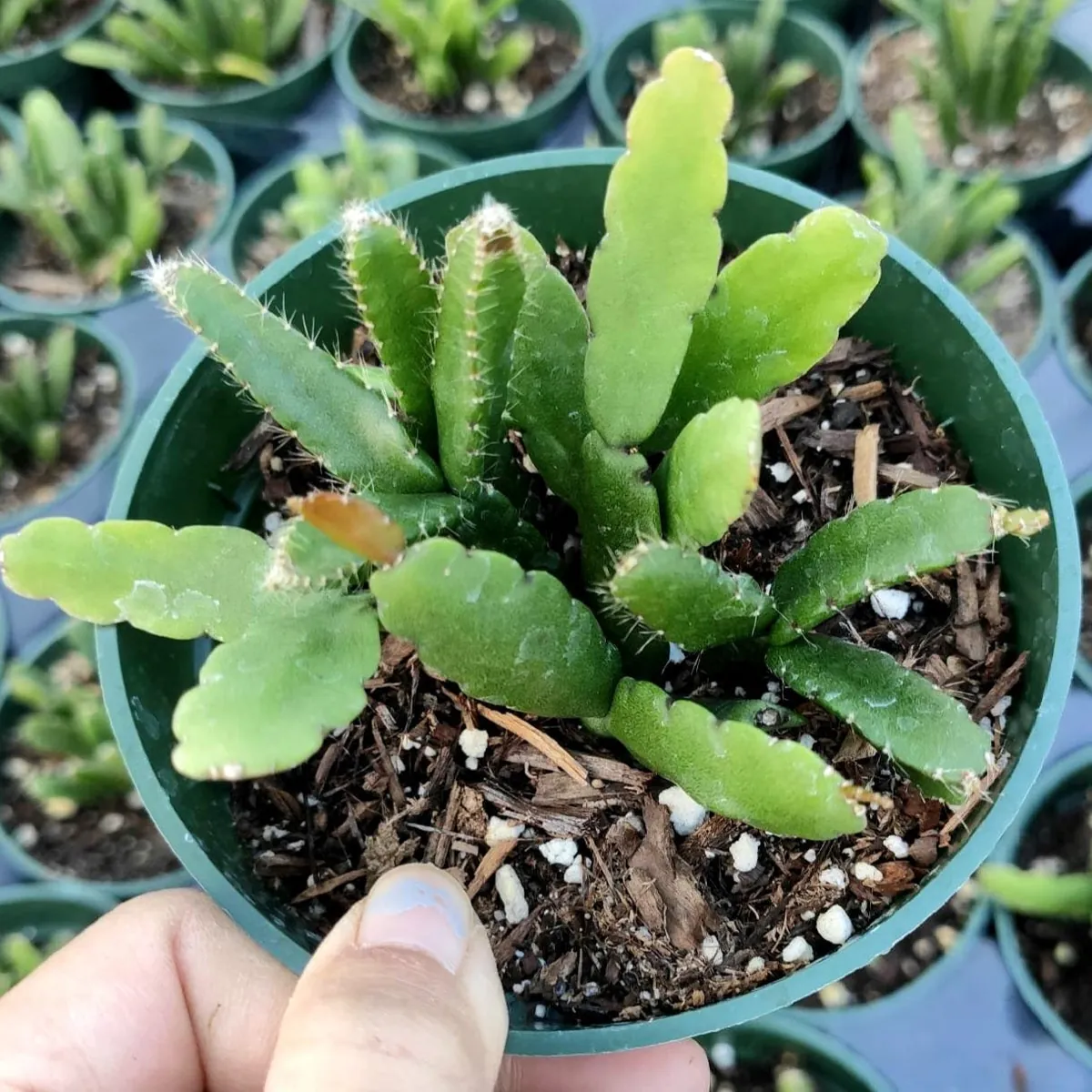
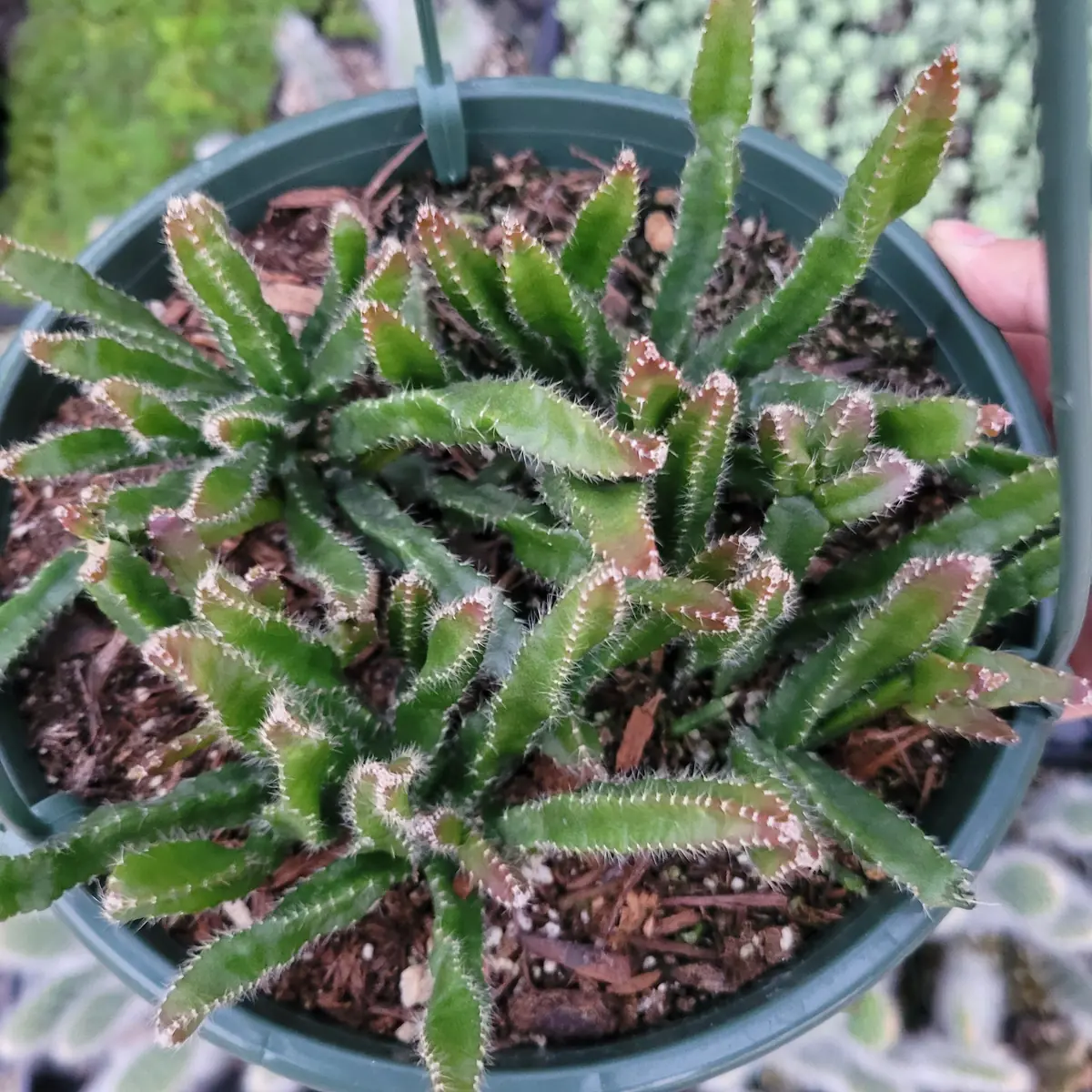
The Rhipsalis Cereoides Cactus is a charming and adaptable live plant, typically shipped bare root to ensure its health during transit. When mature, this trailing succulent can develop stems that cascade several feet, creating a beautiful curtain of greenery. The individual segments of the stems are usually a vibrant green, adding a fresh feel to any space. While exact dimensions vary based on age and growing conditions, you can expect a young plant to be compact, with the potential for significant growth over time. It typically grows at a moderate rate, gradually extending its unique segmented stems.
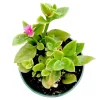
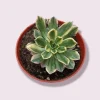
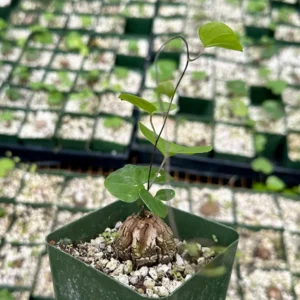
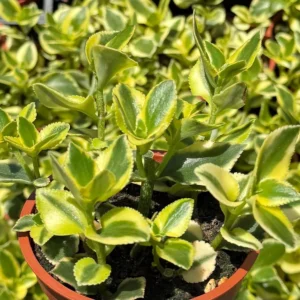
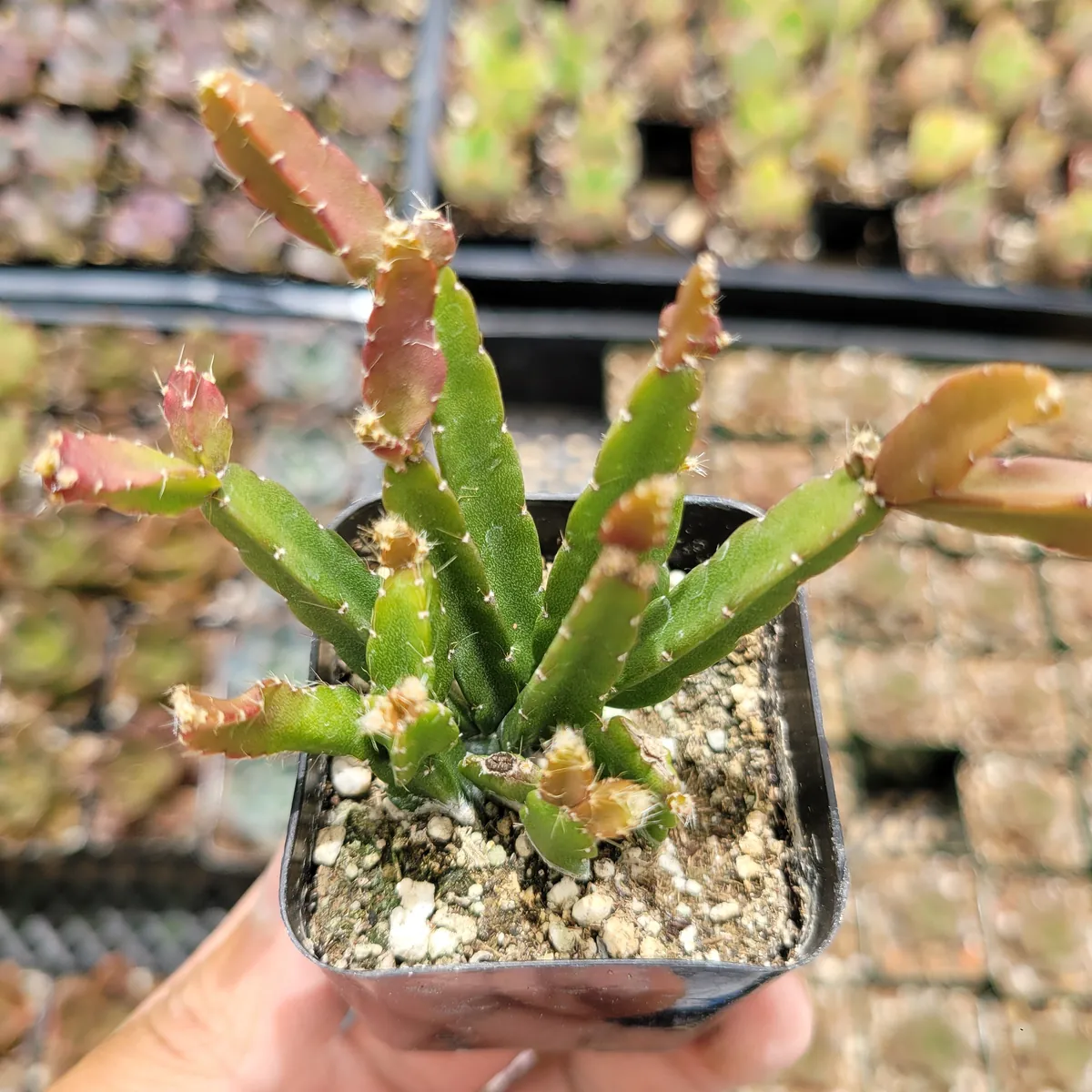
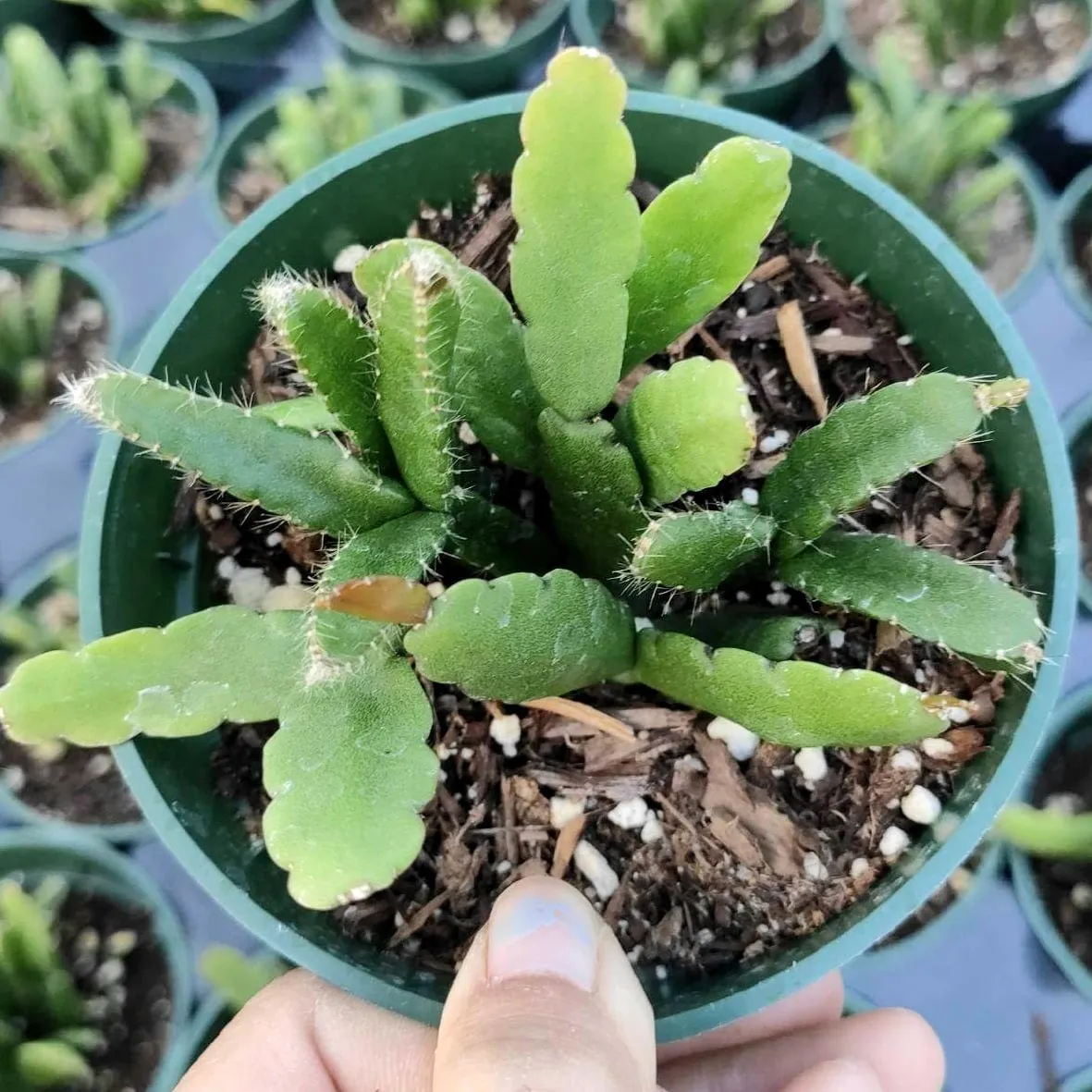
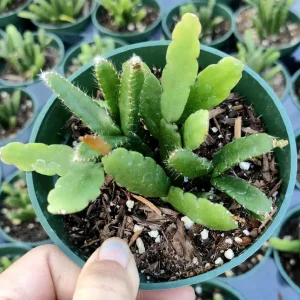
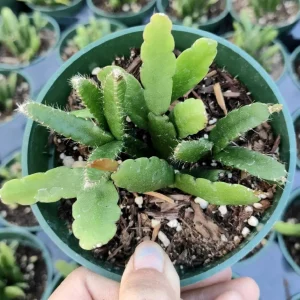
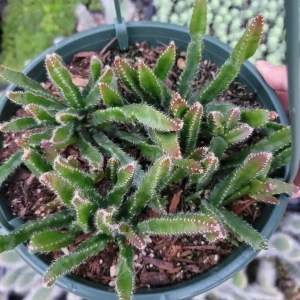
The plant you receive will be similar to the one pictured, though slight variations in shape and color are natural for live plants. It is ready to be potted into a well-draining container upon arrival. With proper Rhipsalis plant care, this indoor cactus will establish quickly and begin to show its characteristic trailing growth, making it an excellent long-term addition to your home or office decor. Expect it to fill out a 4-6 inch pot over its first year, eventually requiring larger containers as it matures and its stems lengthen.
Frequently Asked Questions
- Q: How big does this Rhipsalis Cereoides Cactus get? A: While the plant you receive will be compact, a mature Rhipsalis Cereoides Cactus can develop trailing stems that reach several feet in length, making it ideal for hanging baskets where it can fully display its cascading habit. Its growth rate is moderate, allowing it to become a substantial plant over time.
- Q: Is this an indoor or outdoor plant? A: The Rhipsalis Cereoides Cactus is primarily grown as an indoor cactus in most climates. It can be grown outdoors in USDA zones 10-11, provided it is in a shaded or partially shaded location, protected from direct sun and frost.
- Q: How much sunlight does it need? A: This trailing succulent thrives in bright, indirect light. Avoid harsh, direct sunlight, which can scorch its stems. A location near an east, west, or south-facing window with filtered light is usually perfect for optimal growth and color.
- Q: Is this plant easy to care for? A: Yes, the Rhipsalis Cereoides Cactus is considered relatively easy to care for, making it suitable for beginners. Its drought-tolerant nature and preference for indirect light simplify Rhipsalis plant care, requiring less frequent attention than many other houseplants.
- Q: What condition will it arrive in? A: Your Rhipsalis Cereoides Cactus live plant will typically be shipped bare root, carefully packaged to ensure it arrives healthy and ready for potting. This method minimizes stress during transit and promotes better establishment once planted.
- Q: Is it shipped in soil? A: Most plants, including this drought-tolerant plant, are shipped bare root without soil or pot to ensure optimal health and reduce shipping weight. You will need to provide your own well-draining succulent potting mix upon arrival.
- Q: When is the best time to plant this Rhipsalis? A: As an indoor plant, the Rhipsalis Cereoides Cactus can be planted or repotted any time of year. However, spring and summer are generally preferred as these are the active growing seasons, allowing the plant to establish more quickly.


Reviews
There are no reviews yet.