Overview
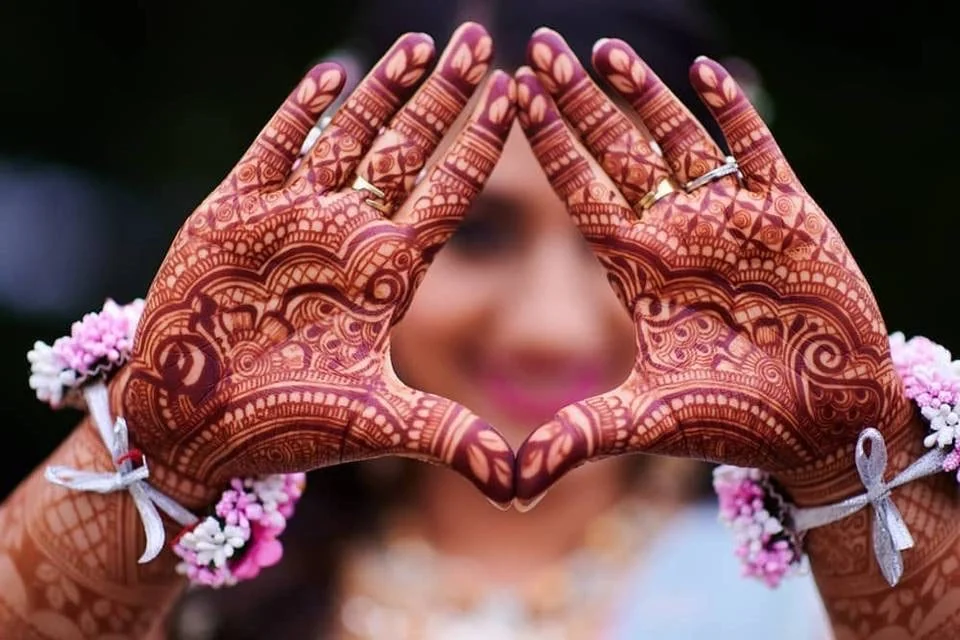
Bring the ancient beauty and versatile utility of the henna live plant into your home or garden. Scientifically known as Lawsonia inermis, this remarkable shrub is celebrated globally for producing the natural reddish-brown dye used in traditional mehndi body art, hair coloring, and textile dyeing. Beyond its cultural significance, the henna live plant is also a cherished ornamental, featuring small, wonderfully fragrant white to red flowers and dense, vibrant green foliage. Growing your own henna live plant offers a unique connection to centuries-old traditions and provides a visually appealing, aromatic addition to any botanical collection. Whether you are an experienced gardener seeking a new project or a curious beginner, this plant promises a rewarding and engaging experience.
Originating from the warm regions of North Africa, Western, and Southern Asia, the lawsonia inermis plant thrives in sunny conditions. It is a relatively low-maintenance shrub that adapts well to container growing, making it suitable for various climates as it can be easily brought indoors during colder months. The plant’s leaves are the primary source of the natural dye, released when crushed and mixed with a liquid. This robust plant can achieve several feet in height, forming a full, tropical-looking bush that enhances any setting. Embrace the journey of cultivating your own henna and discover its numerous applications from the comfort of your home.
Key Benefits
The henna live plant offers a multitude of compelling benefits, ranging from its rich cultural heritage to its significant aesthetic contributions in your garden. Cultivating this fascinating plant provides both practical advantages and a connection to history:
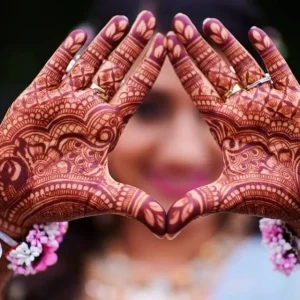
- Natural Dye Source: The paramount benefit is its capacity to produce a natural, non-toxic reddish-brown dye from its leaves. This dye is extensively used for temporary body art (mehndi), as a natural hair colorant, and for dyeing fabrics, offering an organic and safe alternative to synthetic chemical dyes.
- Ornamental Beauty: With its delicate, fragrant white to red flowers and lush, dense green leaves, the henna live plant serves as an attractive focal point in any garden, patio, or indoor space. It can be skillfully shaped into a beautiful shrub or hedge, significantly enhancing the visual appeal and tropical ambiance of your landscape.
- Cultural Significance: Growing a mehndi dye plant immerses you in rich cultural traditions that have spanned centuries across various civilizations. It is frequently associated with celebrations, rituals, and artistic expressions in many parts of the world, making it a plant with profound historical and symbolic roots.
- Fragrant Blooms: The small, elegant flowers of the Lawsonia inermis emit a wonderfully pleasant fragrance, which becomes particularly noticeable and enchanting during the evening hours, adding a delightful aromatic dimension to your outdoor or indoor environment.
- Drought Tolerance: Once properly established, the henna live plant demonstrates remarkable drought tolerance, making it a resilient and water-wise choice for gardeners in warmer, drier climates. This characteristic significantly reduces the need for frequent watering, contributing to more sustainable gardening practices.
- Air Purification: Like many living plants, the henna live plant actively contributes to improving indoor and outdoor air quality. It does this by absorbing carbon dioxide and releasing oxygen, thereby creating a healthier and more refreshing environment for you and your family.
- Versatile Growth: This adaptable plant can be successfully cultivated as an outdoor shrub in appropriate warm climates (USDA Zones 9-11) or as a thriving potted plant indoors, offering excellent flexibility to suit a wide range of growing environments and gardener preferences.
Plant Care & Growing Tips
Caring for your henna live plant is generally straightforward, particularly when you provide it with the ideal growing conditions. This resilient plant flourishes with proper attention to its light, water, and soil requirements. To ensure optimal growth and maximum dye production from its leaves, understanding these specific care needs is crucial. A healthy and well-maintained lawsonia inermis plant will reward you with abundant, lush foliage and the potential for beautiful blooms.
Sunlight: The henna live plant demands abundant sunlight to truly thrive. It prefers full sun exposure, which translates to at least 6-8 hours of direct, unfiltered sunlight each day. If you are growing it indoors, position it near a bright south-facing window or supplement with appropriate grow lights to guarantee it receives sufficient illumination. Inadequate light can result in leggy, weak growth and a reduction in leaf production, directly impacting its dye potential. For robust growth and the most vibrant leaves, always prioritize a sunny location.
Watering: While the henna live plant is relatively drought-tolerant once it has become established, younger plants and those grown in containers require consistent moisture. Water thoroughly when the top inch or two of the soil feels dry to the touch. It is critical to avoid overwatering, as this can lead to root rot. Always ensure that the pot has excellent drainage to prevent waterlogging. During periods of hot, dry weather, you may need to increase the frequency of watering. Conversely, reduce watering in cooler months or if the plant enters a dormant phase. Proper watering is absolutely essential for a thriving mehndi dye plant.
Soil: Henna plants prefer well-draining soil with a slightly acidic to neutral pH range (6.0-7.0). A high-quality potting mix enriched with some sand or perlite for enhanced drainage works exceptionally well for container-grown plants. If planting in the garden, ensure the soil is loose, friable, and not compacted. Excellent drainage is paramount to prevent waterlogging and maintain robust root health. A rich, loamy soil will significantly support vigorous growth and overall plant vitality.
Temperature & Humidity: This tropical species thrives in warm temperatures, ideally between 70-90°F (21-32°C). It is not frost-tolerant and must be protected from temperatures dropping below 50°F (10°C). If you reside in a region with cold winters, it is highly recommended to grow your henna live plant in a pot that can be easily moved indoors before the first frost. Average to high humidity levels are preferred but not strictly essential; occasional misting can provide beneficial moisture for indoor plants.
Fertilization: Feed your henna live plant with a balanced liquid fertilizer every 2-4 weeks during its active growing season, which typically occurs in spring and summer. Reduce fertilization frequency in the fall and cease entirely during winter when the plant’s growth naturally slows. Over-fertilization can be detrimental, so always adhere to the product instructions carefully. A consistent feeding schedule will promote healthy foliage and vigorous growth as part of your regular henna plant care routine.
Pruning: Prune your henna plant to maintain its desired shape, encourage bushier growth, and improve air circulation throughout the plant. The optimal time for pruning is in late winter or early spring, just before new growth commences. Regularly harvesting leaves for dye production also serves as a beneficial form of pruning, stimulating the plant to produce more foliage. Always remove any dead, diseased, or damaged branches to keep the plant healthy and productive.
Size & Details
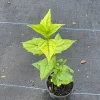
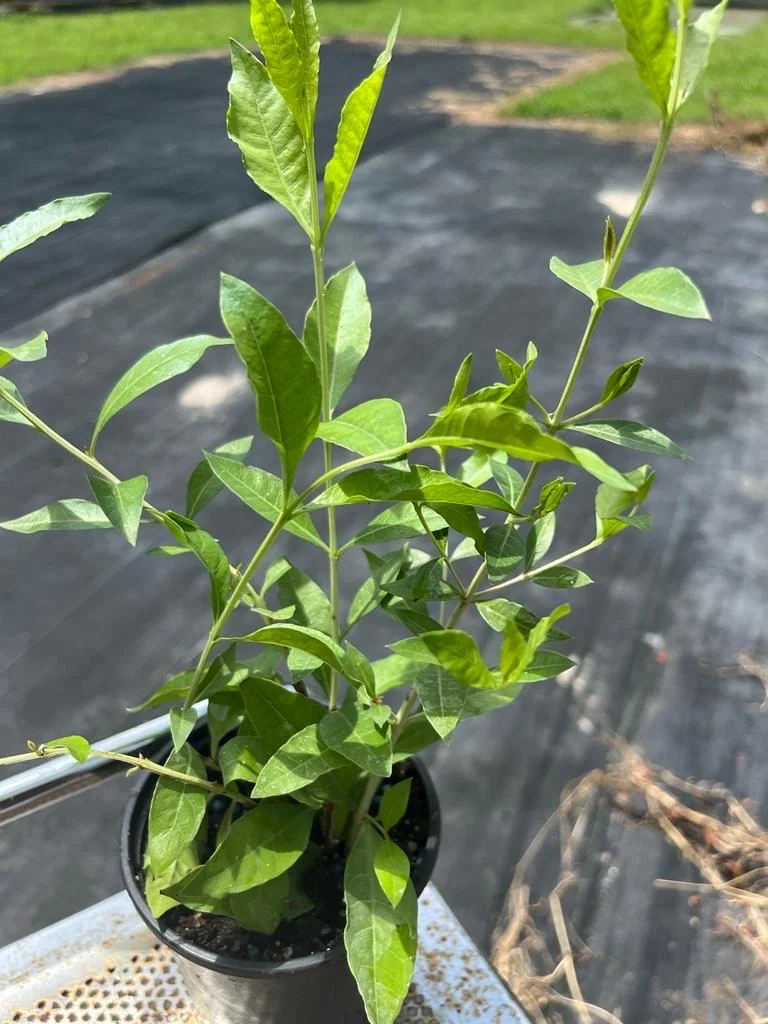
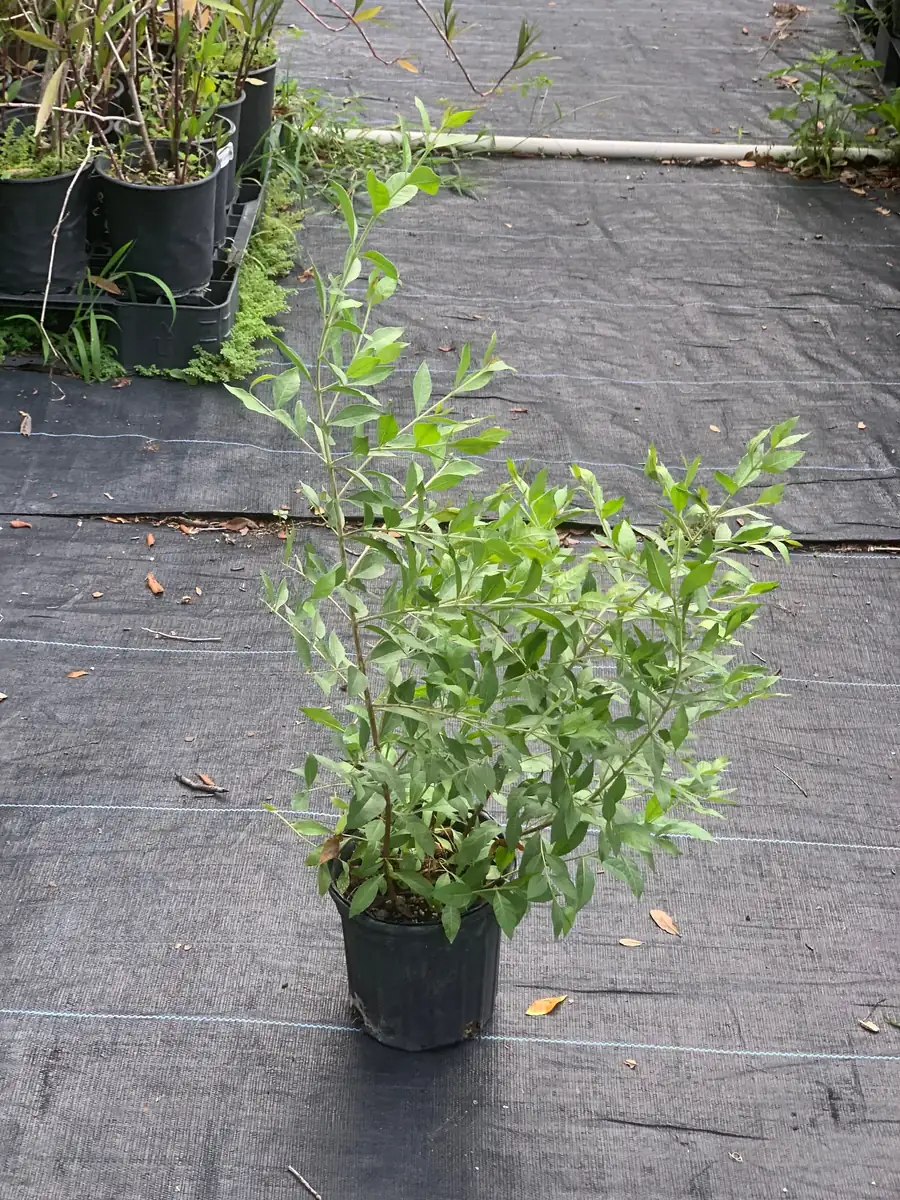
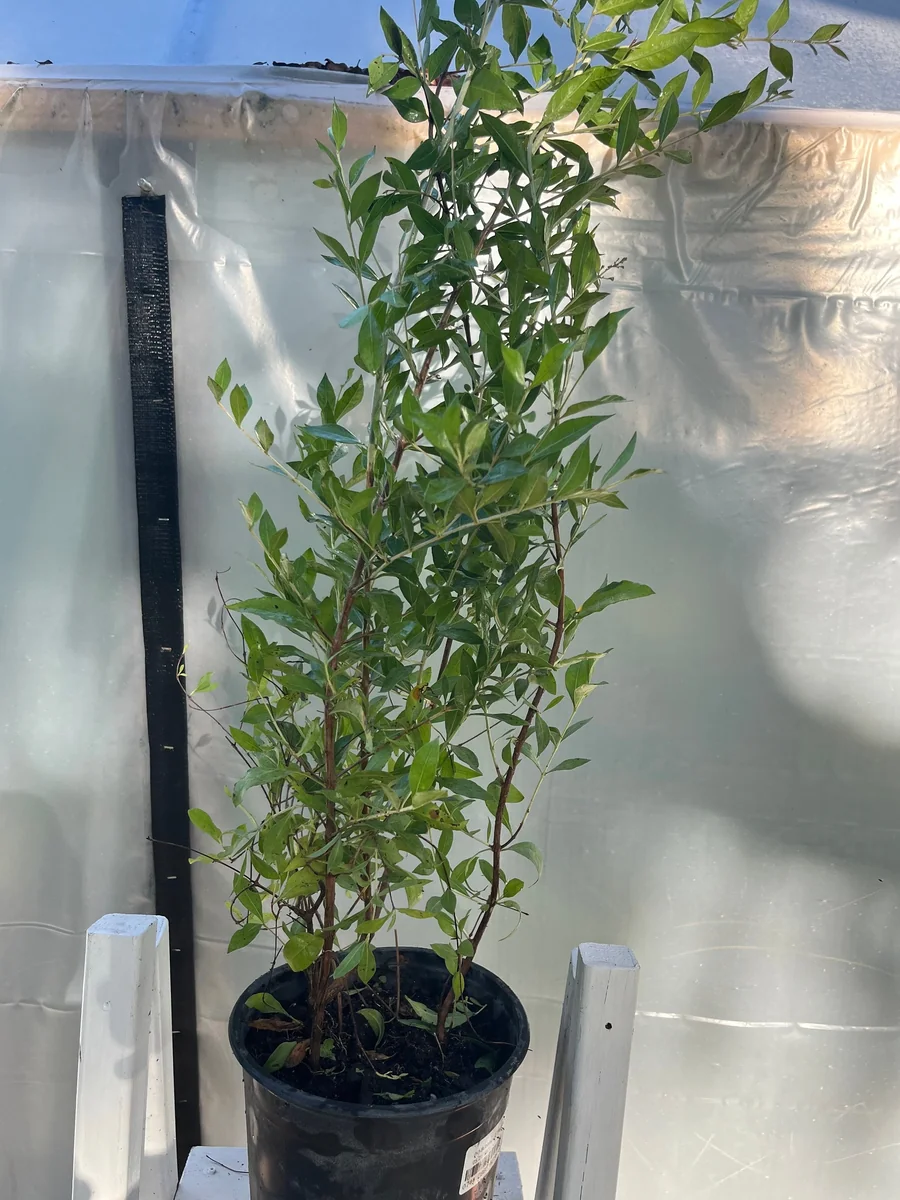
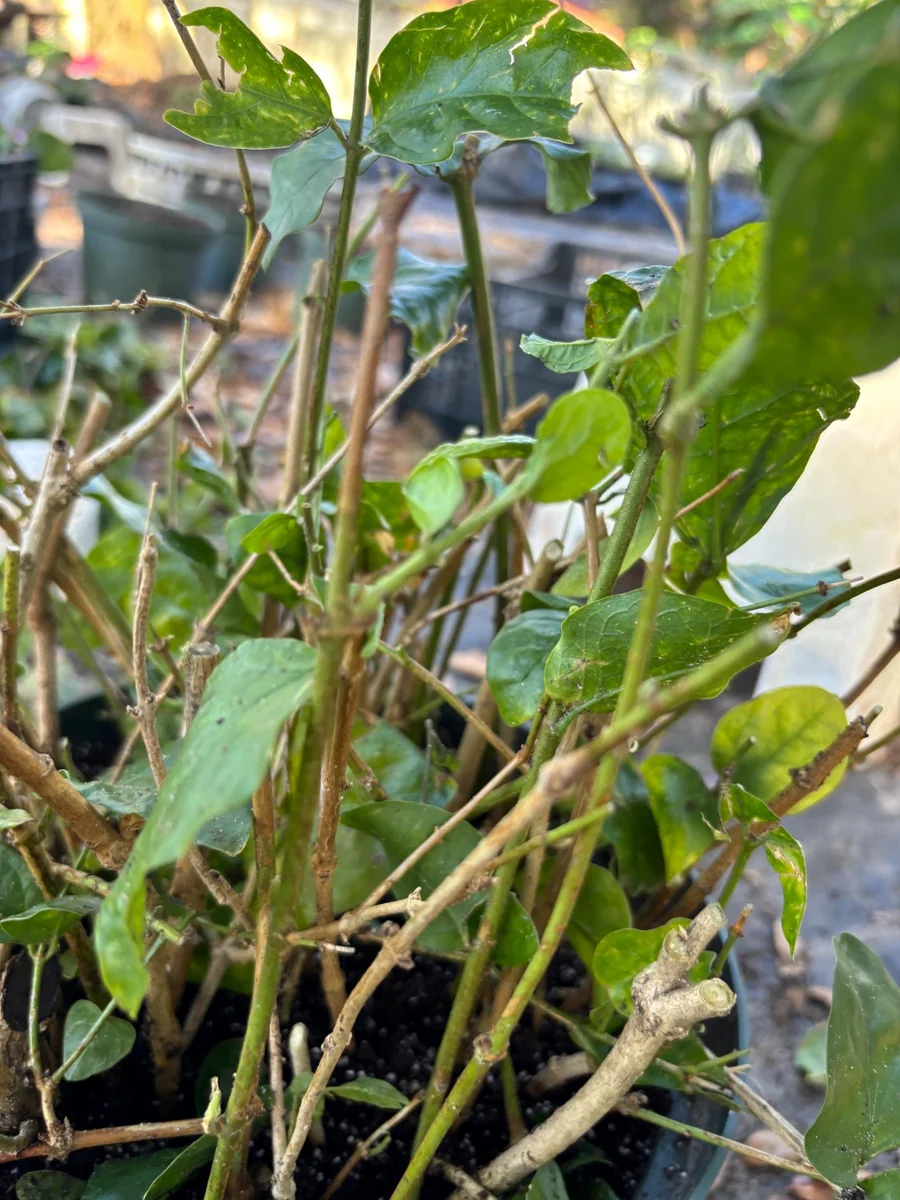
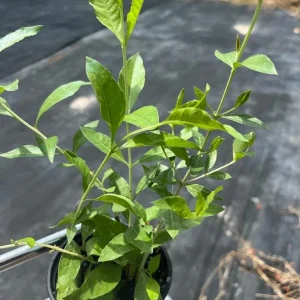
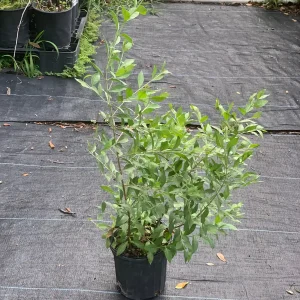
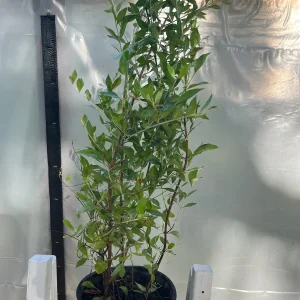
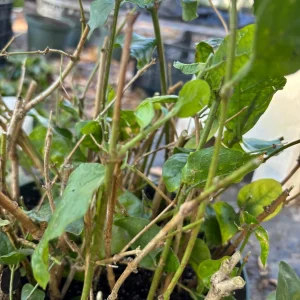
This henna live plant is typically offered as a mature specimen, robustly rooted in a 1-gallon nursery pot. At this stage, the plant has firmly established its root system and is well-prepared for continued growth in your garden or a larger container. When shipped, each plant is meticulously packaged to ensure it arrives healthy, fresh, and ready for its new home. Lawsonia inermis plant varieties can grow to be quite substantial, potentially reaching heights of 6 to 20 feet in ideal outdoor conditions. However, their size can be effectively managed and kept smaller when grown in containers or through regular pruning. The growth rate is moderate, allowing you to enjoy a well-developed plant within a reasonable timeframe. Upon arrival, it is important to allow the plant a brief period to acclimate to its new environment before considering repotting, especially if it has been recently rooted. You can expect a vibrant, leafy specimen with a strong root system, indicating a healthy start for your gardening endeavors. This size is perfect for those seeking a plant that has moved past its initial delicate stages and is ready to thrive and produce its renowned reddish-brown dye from its foliage.
Frequently Asked Questions
- Q: How big does this henna live plant get? A: In ideal outdoor conditions, a henna plant can grow 6 to 20 feet tall and wide. When grown in a container, its size can be managed through regular pruning, typically staying between 3 to 6 feet tall, making it suitable for various spaces.
- Q: Is this an indoor or outdoor plant? A: The henna live plant can be successfully grown outdoors in USDA Zones 9-11 where there is no risk of frost. In colder climates, it is best cultivated as a potted plant and brought indoors during the winter months to protect it from low temperatures.
- Q: How much sunlight does the lawsonia inermis plant need? A: Henna plants thrive in full sun, requiring at least 6-8 hours of direct sunlight per day. If growing indoors, place it in the brightest possible location, such as a south-facing window, to ensure vigorous growth.
- Q: Is this plant easy to care for? A: Yes, the henna live plant is considered relatively easy to care for once it is established. It requires consistent watering but is tolerant of occasional drought. Providing ample sunlight and well-draining soil are the primary keys to its success and health.
- Q: What condition will the mehndi dye plant arrive in? A: The plant is typically shipped well-rooted in a 1-gallon nursery pot with its soil intact. It will be carefully packaged to ensure it arrives healthy, fresh, and ready for continued growth in your garden or home.
- Q: When is the best time to plant a henna plant? A: For outdoor planting, spring is generally the most favorable time after the last frost has passed. If you are growing it indoors, it can be planted year-round, provided it receives adequate light and warmth.
- Q: Can I use the leaves from this henna live plant for mehndi? A: Yes, the leaves of the Lawsonia inermis are indeed the source of the natural henna dye. Once the plant is mature and has developed sufficient foliage, you can harvest the leaves to create your own fresh mehndi paste.
- Q: What kind of soil does ornamental henna prefer? A: It prefers well-draining soil with a slightly acidic to neutral pH. A good quality potting mix with added perlite or sand for improved drainage is ideal for container growing to prevent root issues.
- Q: Will the henna plant survive winter in my zone? A: If you are located in USDA Zones 9-11, it can survive outdoors year-round. In colder zones, it is crucial to bring the plant indoors before temperatures drop below 50°F (10°C) to protect it from frost damage.
- Q: How often should I water my henna plant care? A: Water when the top 1-2 inches of soil feel dry to the touch. It is important to avoid letting the plant sit in standing water, as this can lead to root rot. Watering frequency will vary based on temperature, humidity, and the size of its pot.


Reviews
There are no reviews yet.