Overview
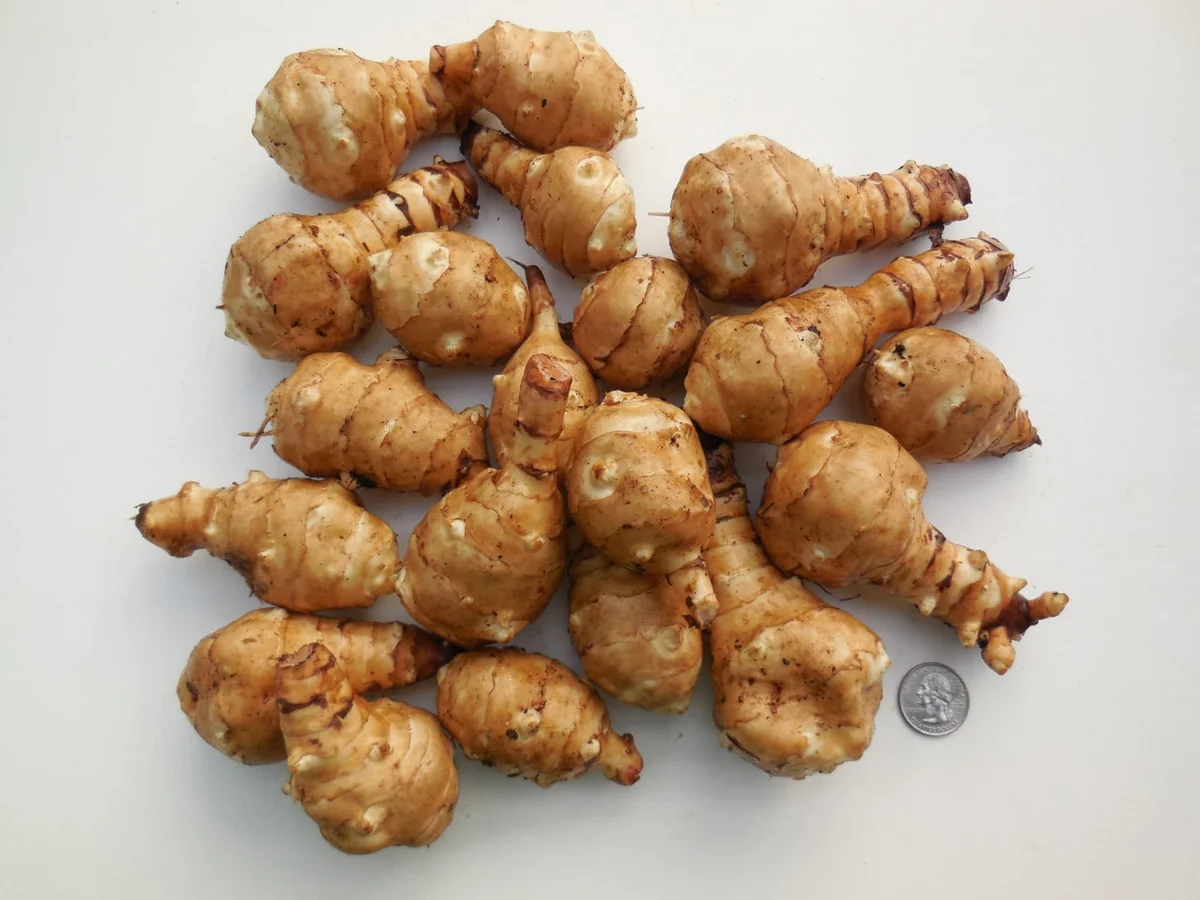
Discover the versatility and ease of growing Jerusalem artichoke tubers, commonly known as sunchokes. This offering provides 4 Lbs Jerusalem Artichoke tubers, perfect for both culinary adventures and establishing a thriving garden patch. Scientifically named Helianthus tuberosus, these remarkable plants are celebrated for their edible root vegetables and their ornamental value, producing vibrant yellow daisy-like flowers. Sunchokes are a fantastic addition to any garden, known for their robust growth and ability to thrive with minimal fuss. They are an excellent choice for gardeners looking for a sustainable and productive crop that offers both beauty and a bountiful harvest. Whether you’re a seasoned gardener or just starting, these tubers will bring a unique and rewarding experience to your home.
These tubers are freshly dug on the day you order, ensuring maximum vitality for either planting or immediate consumption. They are naturally grown without herbicides or pesticides, making them a healthy, non-GMO choice for your family. The large-sized tubers are ideal for planting, quickly establishing strong, productive plants. Alternatively, if you plan on enjoying them in the kitchen, they offer a crisp, nutty flavor that can be a delightful substitute for potatoes or a crunchy addition to stir-fries, similar to water chestnuts. With their dual purpose, sunchokes for planting or eating provide exceptional value and enjoyment.
Key Benefits
Beyond their delicious taste and ease of cultivation, Jerusalem artichoke tubers offer a range of benefits that make them a standout choice for any garden and kitchen. They are a healthy and versatile food source, and their plants provide an attractive visual element to your landscape. The benefits extend from the ground up, providing both sustenance and aesthetic appeal.
- Abundant Edible Harvest: These tubers produce a generous crop that can be cooked like potatoes, eaten raw, or added to stir-fries, providing a unique, slightly sweet, and nutty flavor. They are a fantastic source of inulin, beneficial for digestive health.
- Easy to Grow: Known for their resilience and adaptability, Helianthus tuberosus are incredibly easy to cultivate, even for beginner gardeners. They require minimal care once established and can thrive in various soil conditions.
- Beautiful Ornamental Flowers: As a bonus, the plants produce lovely yellow daisy-cut flowers in late summer to fall, adding a splash of color to your garden and serving as attractive long-lasting cut flowers.
- Health Benefits: Sunchokes are an excellent choice for individuals managing blood sugar levels or following a diet, as they have a lower glycemic index compared to potatoes. They are a good source of fiber and essential minerals.
- Organic and Non-GMO: Our tubers are grown without the use of herbicides or pesticides, ensuring you receive a truly natural and healthy product. This commitment to organic practices supports both your health and the environment.
- Soil Improvement: The robust root system of grow sunchokes can help improve soil structure, making them a beneficial addition to your garden’s ecosystem.
- Versatile Use: Whether you’re looking to plant a new crop or enjoy fresh, wholesome produce, these tubers serve both purposes perfectly. Just let us know your intention, and we’ll prepare them accordingly.
Plant Care & Growing Tips
Growing Jerusalem artichoke tubers is surprisingly straightforward, making them an ideal crop for gardeners of all experience levels. These resilient plants are quite forgiving and can produce a bountiful harvest with just a little attention. They are adaptable to a wide range of conditions, but providing optimal care will ensure the best possible yield and plant health. Understanding their basic needs will help you successfully grow sunchokes that are both productive and visually appealing.
For sunlight, Helianthus tuberosus thrives in full sun, meaning at least 6-8 hours of direct sunlight per day. While they can tolerate some partial shade, ample sun exposure encourages stronger growth and a better tuber yield. When it comes to watering, sunchokes prefer consistently moist, but not waterlogged, soil. Water deeply once or twice a week, especially during dry spells, allowing the top inch of soil to dry out slightly between waterings. They are fairly drought-tolerant once established but will perform best with regular moisture. The ideal soil type is well-draining, loose, and fertile, with a slightly acidic to neutral pH (6.0-7.0). Amending heavy clay soils with compost or organic matter can improve drainage and provide essential nutrients. These plants are cold hardy, generally thriving in USDA Zones 3-9, and can be planted anytime the ground is not frozen, from fall through early spring.
Fertilization is typically not heavily required for Jerusalem artichoke tubers, as they are not heavy feeders. However, incorporating some compost or a balanced organic fertilizer into the soil at planting time can give them a good start. Avoid excessive nitrogen, which can lead to lush foliage but fewer tubers. Common problems are rare, but watch out for slugs and snails when plants are young. The plants can grow quite tall, so consider staking in windy areas. Harvesting usually occurs after the first frost in fall, which sweetens the tubers. Dig carefully to avoid damaging the tubers, and leave some in the ground for next year’s crop to ensure continuous production. Remember that these are vigorous growers, so consider planting them where they have room to spread or can be contained.
Size & Details
This offering includes 4 Lbs Jerusalem Artichoke tubers, which are large-sized and freshly dug to ensure optimal quality whether you intend to plant them or use them for culinary purposes. Each tuber contains multiple ‘eyes,’ which are essential for successful planting. You can plant them whole, or for more plants, cut them into pieces, ensuring each piece has at least two eyes. The plants themselves can reach impressive heights, typically growing between 5 to 10 feet tall, and sometimes even taller, forming dense clumps that provide excellent privacy or windbreaks in the garden. They have a moderate to fast growth rate, quickly establishing themselves and producing tubers in their first year.
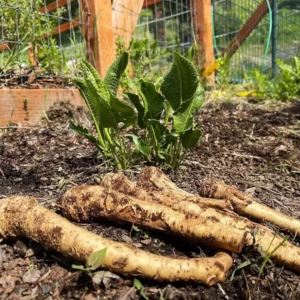
The tubers themselves vary in size and shape, generally resembling knobby ginger roots. You are purchasing a total of 4 pounds of these versatile tubers. When grown, the plants produce a substantial amount of tubers underground, making them a highly productive vegetable. They are shipped ready for either immediate planting or consumption. Detailed planting, growing, and care instructions are included with your order to guide you through the process, ensuring you have all the information needed to successfully grow sunchokes. Expect mature tubers to be ready for harvest in late fall, after the plant’s foliage dies back, and often improving in flavor after a light frost.
Frequently Asked Questions
- Q: What are Jerusalem artichoke tubers used for? A: Jerusalem artichoke tubers are incredibly versatile. They can be planted to grow new plants, or they can be eaten raw, cooked like potatoes, roasted, or added to stir-fries for a crisp, nutty flavor. They are a healthy and delicious vegetable.
- Q: How much sun do sunchokes need? A: Sunchokes thrive in full sun, requiring at least 6-8 hours of direct sunlight per day for optimal growth and tuber production. They can tolerate some partial shade but will yield less.
- Q: When is the best time to plant Jerusalem artichoke tubers? A: The best time to plant sunchokes for planting is in the fall after the first frost, or in early spring as soon as the soil can be worked and is no longer frozen. This allows them to establish roots before hot weather.
- Q: Are these tubers good for diabetics? A: Yes, Helianthus tuberosus are often considered a good option for diabetics because they contain inulin, a type of dietary fiber that doesn’t spike blood sugar levels like other carbohydrates.
- Q: How large will the plants grow? A: Jerusalem artichoke plants are tall growers, typically reaching heights of 5 to 10 feet, and sometimes even more. They can form dense patches, so plan their location accordingly.
- Q: What kind of soil do sunchokes prefer? A: Sunchokes prefer well-draining, fertile soil that is loose and rich in organic matter. They are quite adaptable but perform best in slightly acidic to neutral pH soil.
- Q: Can I grow sunchokes in containers? A: While sunchokes are vigorous growers, they can be grown in very large containers (at least 20-gallon size) to help manage their spread, though they will produce fewer tubers than if planted in the ground.
- Q: What is the USDA Hardiness Zone for Jerusalem Artichokes? A: Jerusalem artichoke tubers are very hardy and generally thrive in USDA Zones 3-9, making them suitable for a wide range of climates across the United States.
- Q: How do I harvest the tubers? A: Harvest sunchokes in late fall after the plants have died back, and after the first hard frost, which improves their flavor. Dig carefully around the base of the plant to unearth the tubers.
- Q: Will the tubers arrive washed or unwashed? A: If you indicate that you intend to plant them, the tubers will arrive unwashed to preserve their vitality. If for eating, they can be washed. Please specify your preference.


Reviews
There are no reviews yet.