Overview
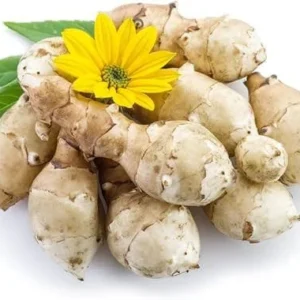
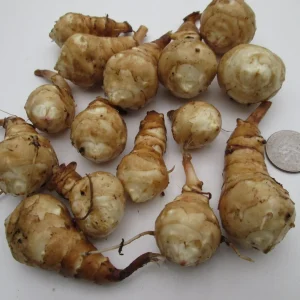
Embark on a rewarding gardening journey with these high-quality Jerusalem Artichoke tubers for planting. Also known as sunchokes, these tubers (scientific name Helianthus tuberosus) are celebrated for their delicious, earthy flavor and impressive versatility in the kitchen. Unlike traditional potatoes, Jerusalem Artichokes offer a unique taste profile, often described as a cross between a potato and a water chestnut, making them an excellent addition to stir-fries, roasts, or eaten fresh. They are an ideal choice for gardeners seeking a low-maintenance, high-yield crop that provides both culinary delights and ornamental beauty with their sunflower-like blooms.
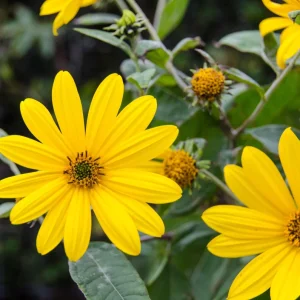
Each order provides 10 robust tubers, ensuring a strong start to your harvest. These tubers are specifically selected for their optimal size and vitality, ready to be planted directly into your garden or a large container. Growing Helianthus tuberosus is surprisingly simple, making it suitable for both novice and experienced gardeners. Beyond their edible roots, these plants also produce attractive yellow daisy-like flowers, adding a splash of color to your landscape late in the season. Discover the joy of cultivating this unique and beneficial vegetable in your own backyard.
Key Benefits
Growing Jerusalem Artichoke tubers for planting offers a multitude of advantages for the home gardener and culinary enthusiast alike. These robust plants are incredibly productive and provide a healthy, delicious harvest.
- Abundant Yield: Expect a prolific harvest of tubers, often yielding several gallons from just a few plants. This makes them a cost-effective and sustainable choice for your vegetable garden.
- Versatile Culinary Use: Enjoy the unique flavor of sunchokes, which can be roasted, boiled, fried, or eaten raw. They are a fantastic substitute for potatoes in many dishes and add a delightful crunch to salads and stir-fries. Learning how to grow Jerusalem Artichoke will open up new culinary possibilities.
- Easy to Grow: Helianthus tuberosus is remarkably hardy and adaptable, thriving in various soil conditions and requiring minimal care once established. They are an excellent option for gardeners looking for a low-effort, high-reward crop.
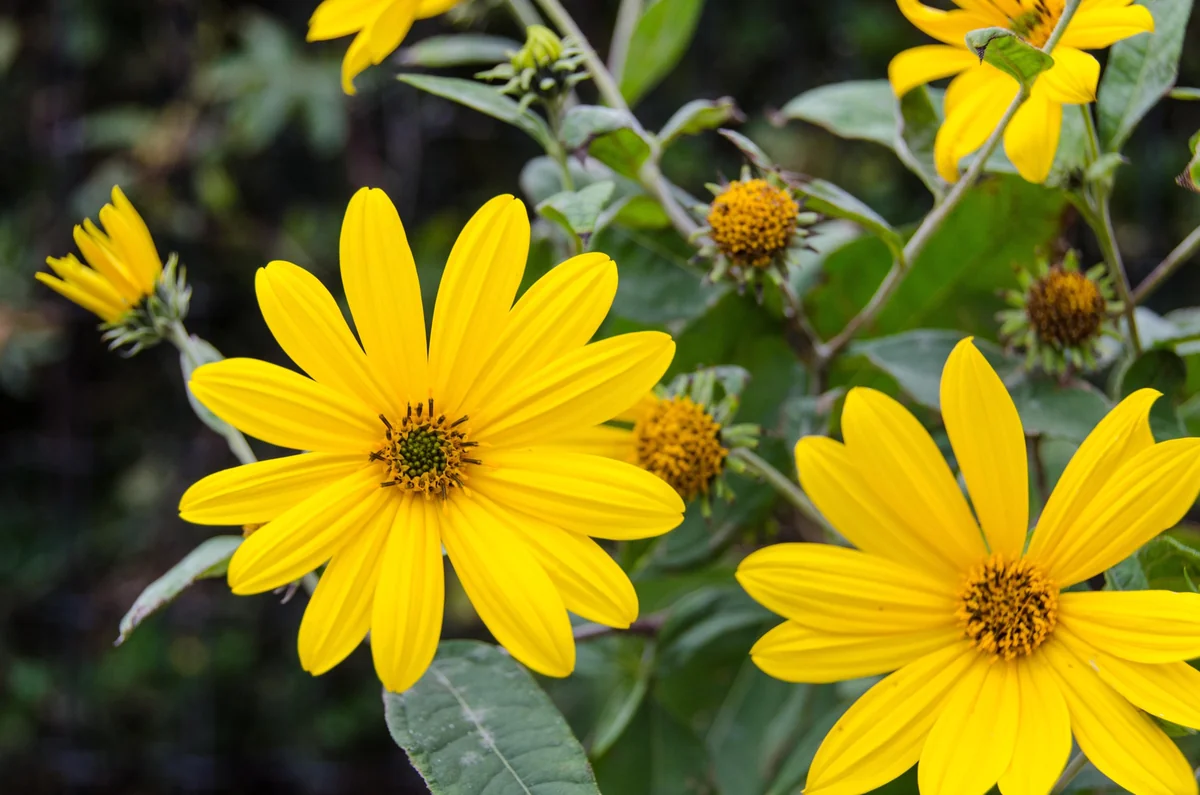
- Ornamental Value: Beyond their edible tubers, Jerusalem Artichokes produce beautiful, bright yellow, daisy-like flowers in late summer and fall, adding a vibrant touch to your garden landscape.
- Nutrient-Rich: These tubers are a good source of dietary fiber, iron, and potassium. They are also known for containing inulin, a prebiotic fiber, making them a healthy choice for digestion. Many choose sunchoke tubers for their nutritional benefits.
- Organic Gardening Friendly: These plants are naturally resistant to many pests and diseases, making them easy to grow organically without the need for harsh chemicals.
- Diabetic-Friendly: Due to their inulin content, edible tubers like Jerusalem Artichokes have a lower glycemic index compared to potatoes, making them a suitable option for those managing blood sugar levels.
Plant Care & Growing Tips
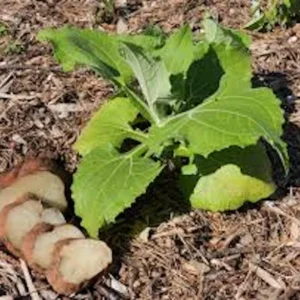
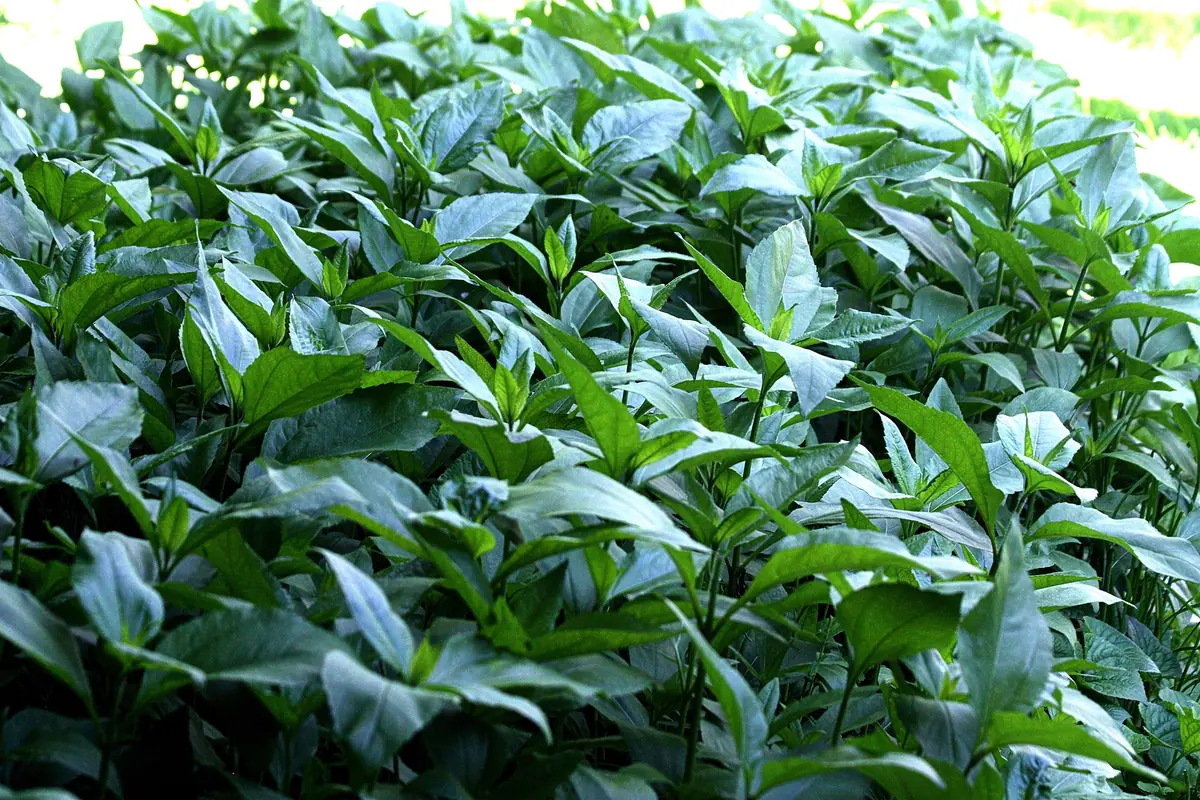
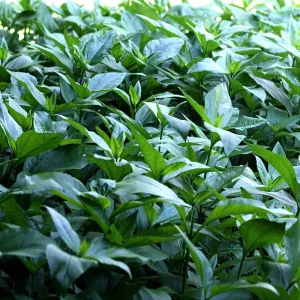
Caring for your Jerusalem Artichoke tubers for planting is generally straightforward, as they are quite resilient plants. They thrive in most garden conditions, making them an excellent choice for a wide range of climates. To ensure a successful harvest, select a location that receives ample sunlight. While they can tolerate partial shade, full sun (at least 6-8 hours of direct sunlight daily) will encourage the best tuber production and flowering. These plants can grow quite tall, sometimes reaching 6-10 feet, so consider their mature height when choosing a planting spot to avoid shading other plants.
When it comes to soil, Helianthus tuberosus prefers well-draining soil that is rich in organic matter. They are not overly fussy about soil type but avoid heavy, waterlogged clay soils. Amend your soil with compost before planting to improve fertility and drainage. Plant the tubers about 4-6 inches deep and 12-18 inches apart, allowing enough space for them to spread. Once planted, water thoroughly. During the growing season, especially during dry spells, consistent watering is beneficial, but avoid overwatering. Fertilize sparingly; a balanced organic fertilizer applied in spring can encourage vigorous growth. These plants are known for their hardiness, but in extremely cold climates, a layer of mulch can help protect the tubers over winter. Learning to grow Jerusalem Artichoke is a rewarding experience.
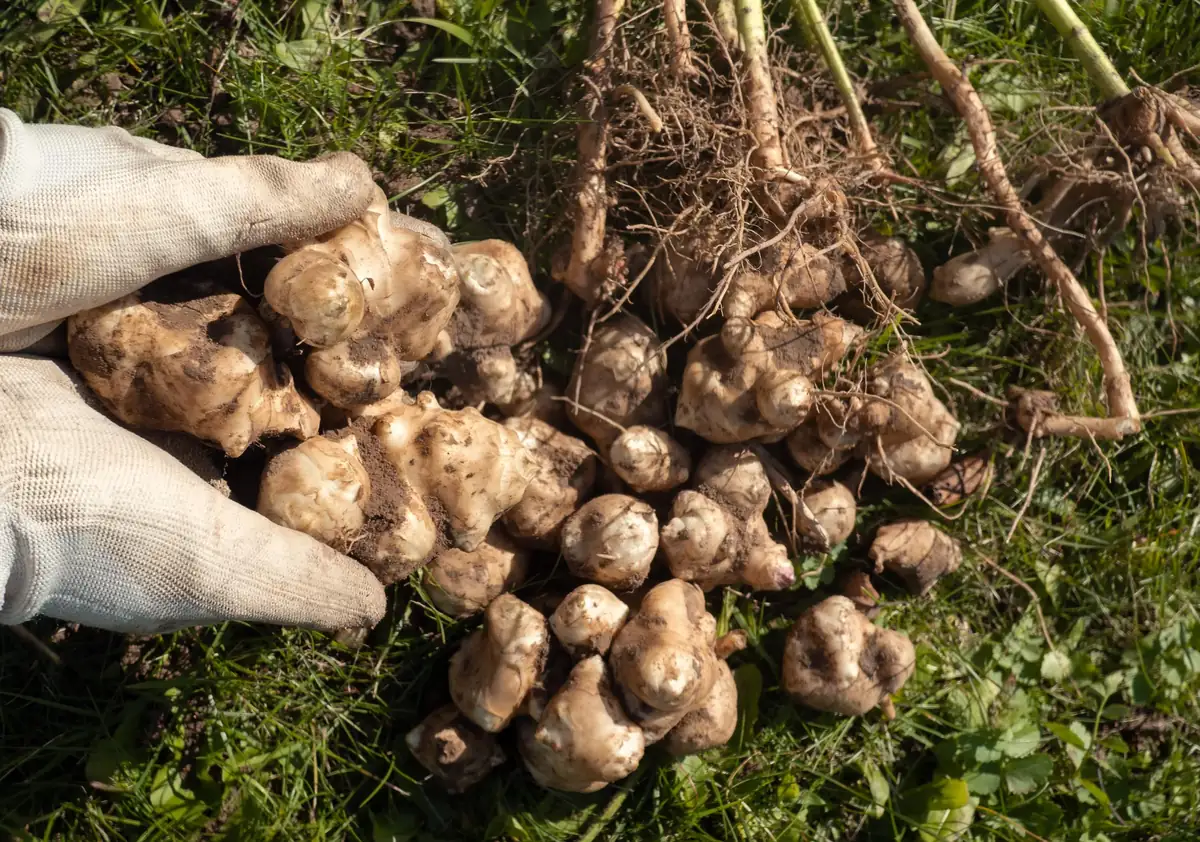
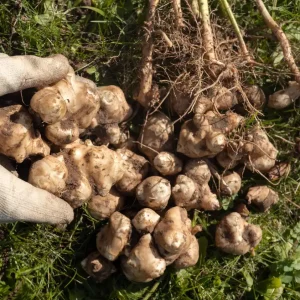
One important consideration is their tendency to spread vigorously. If you wish to contain their growth, consider planting them in a dedicated bed or large containers. Harvesting typically occurs in late fall after the plants have flowered and the foliage begins to die back. The tubers can be left in the ground and dug as needed throughout the winter, as long as the ground isn’t frozen. This also helps to ensure a crop for the following year. Keep an eye out for common garden pests, though Jerusalem Artichokes are generally quite resistant. With proper care, your sunchoke tubers will provide a bountiful and delicious harvest for years to come.
Size & Details
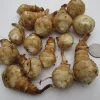
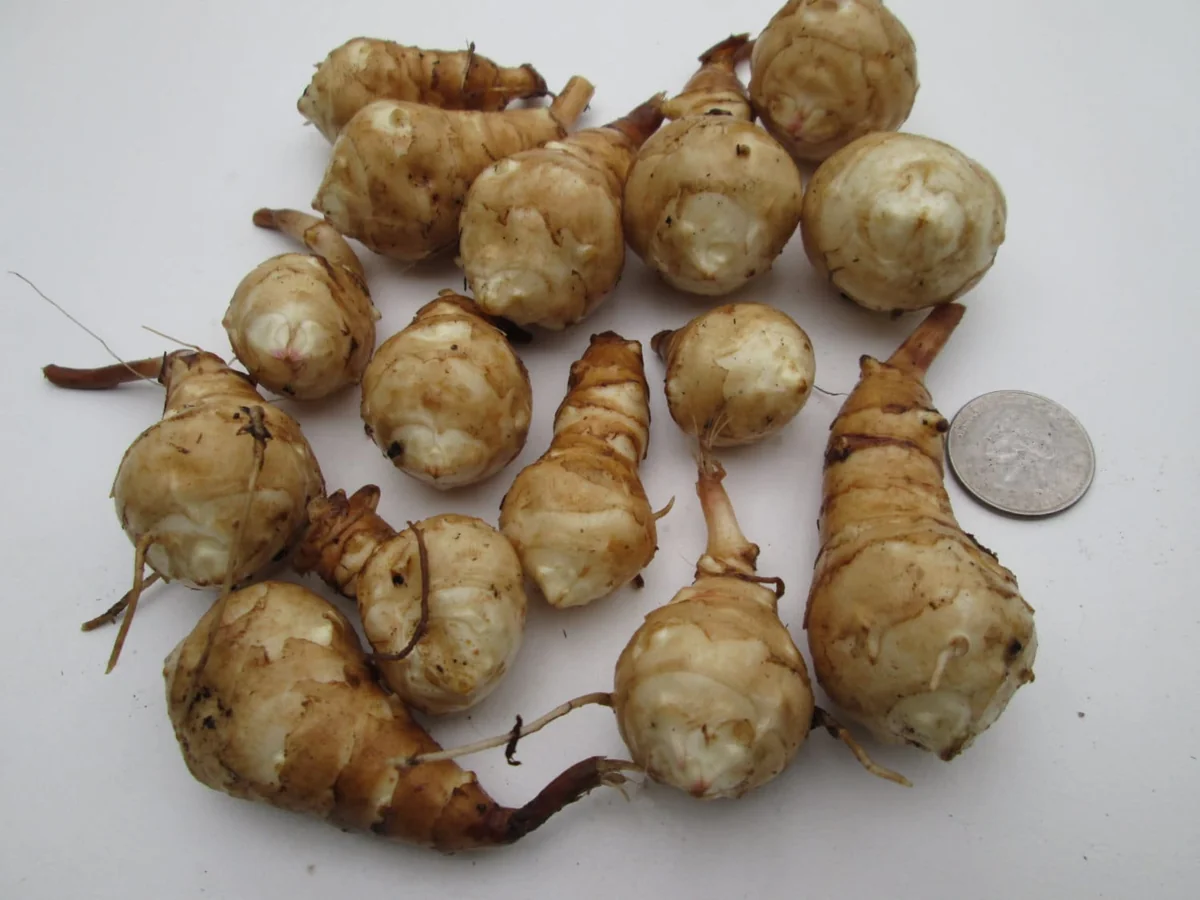
This offering includes 10 medium-sized Jerusalem Artichoke tubers for planting, ideal for establishing a healthy patch in your garden. Each tuber is carefully selected to ensure viability and robust growth. When mature, the plants of Helianthus tuberosus typically reach a height of 6 to 10 feet, creating an impressive visual impact in the landscape. They spread readily, forming extensive clumps of edible tubers beneath the soil. The tubers themselves vary in size and shape, generally resembling ginger roots, and are ready for harvest in the late fall and winter months.
These tubers are shipped freshly dug and ready for immediate planting. They can be planted anytime the ground is not frozen, from early spring through fall. The plants exhibit a fast growth rate, quickly establishing themselves and producing foliage throughout the summer before flowering and developing their delicious edible tubers. Expect your first significant harvest within the first year of planting. Their vigorous growth and easy naturalization make them an excellent choice for a perennial vegetable garden.
Frequently Asked Questions
- Q: How many Jerusalem Artichoke tubers are included in this order? A: This order includes 10 Jerusalem Artichoke tubers for planting, providing a good quantity to start your garden.
- Q: What size do these tubers typically get? A: The tubers provided are medium-sized, perfect for planting. Once grown, the harvested sunchoke tubers can vary in size and shape, similar to ginger roots.
- Q: Is this an indoor or outdoor plant? A: Helianthus tuberosus is primarily an outdoor plant, thriving in garden beds or large outdoor containers. It requires full sun exposure for best results.
- Q: How much sunlight do Jerusalem Artichokes need? A: For optimal growth and tuber production, Jerusalem Artichokes need full sun, which means at least 6-8 hours of direct sunlight per day.
- Q: Are these plants easy to care for? A: Yes, Jerusalem Artichokes are known for being very easy to grow and maintain, making them suitable for gardeners of all experience levels. They are quite hardy and require minimal attention once established.
- Q: When is the best time to plant these tubers? A: You can plant these edible tubers anytime the ground isn’t frozen, typically from early spring until late fall.
- Q: What condition will the tubers arrive in? A: The tubers are shipped freshly dug and ready for planting, ensuring their vitality upon arrival.
- Q: Can I grow Jerusalem Artichokes in a container? A: Yes, you can grow them in large containers, but be aware they can grow quite tall and spread, so choose a very spacious pot.
- Q: Will they survive winter in my zone? A: Jerusalem Artichokes are quite cold-hardy. They are typically perennial in USDA zones 3-9, and the tubers can often overwinter in the ground.
- Q: What are the best uses for Jerusalem Artichoke tubers? A: The tubers are incredibly versatile; they can be cooked like potatoes, eaten raw in salads, added to stir-fries, or roasted. They have a unique, slightly sweet, nutty flavor.


Reviews
There are no reviews yet.