Overview
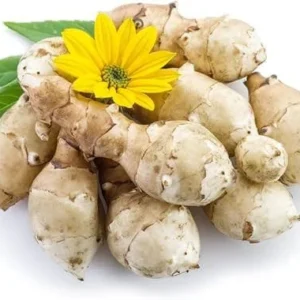
Discover the joy of growing your own nutritious vegetables with our jerusalem artichoke tubers. This generous 10-pound offering of Sunchokes, scientifically known as Helianthus tuberosus, provides ample tubers for both planting a thriving garden and enjoying as a unique culinary ingredient. These large, freshly dug tubers are an excellent choice for home gardeners and food enthusiasts alike. Known for their crisp texture and slightly sweet, nutty flavor, Jerusalem artichokes are a sustainable and rewarding crop that thrives with minimal effort. Whether you’re looking to expand your garden’s output or explore new healthy food options, these tubers are a fantastic starting point for a successful harvest.
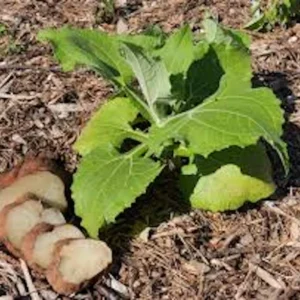
Our jerusalem artichoke tubers are sourced from organically grown stock, ensuring you receive a product free from herbicides and pesticides. They are perfect for planting in any region where the ground is not frozen, typically from fall through early spring. Once established, these resilient plants produce an abundance of tubers, making them a highly productive addition to your garden. Beyond their edible roots, the plants also yield attractive yellow daisy-like flowers, adding ornamental value to your landscape. Embrace the ease of growing sunchokes and enjoy a continuous supply of this versatile vegetable.
Key Benefits
These versatile tubers offer numerous advantages for both gardeners and health-conscious individuals:
- Highly Productive Crop: Each planting of jerusalem artichoke tubers can yield a significant harvest, providing a sustainable food source for your family. They multiply readily, ensuring a continuous supply year after year.
- Nutritional Powerhouse: Sunchokes are rich in inulin, a dietary fiber beneficial for gut health, and have a low glycemic index, making them an excellent choice for diabetics or those on a diet. Understanding the jerusalem artichoke benefits can help you integrate them into a healthy lifestyle.
- Versatile Culinary Use: Enjoy these tubers cooked like potatoes, raw in salads for a water chestnut-like crunch, or stir-fried. Their unique flavor profile adds a gourmet touch to many dishes.
- Easy to Grow Organically: These plants are naturally robust and resistant to many pests and diseases, requiring no herbicides or pesticides for a healthy yield. They are a truly non-GMO vegetable.
- Beautiful Cut Flowers: As a bonus, the plants produce vibrant yellow daisy flowers that make long-lasting and attractive additions to floral arrangements, enhancing your garden’s aesthetic appeal.
- Soil Improvement: The extensive root system of Helianthus tuberosus helps to aerate and improve soil structure, contributing to healthier garden beds.
- Low Maintenance: Once planted, sunchokes for planting require minimal ongoing care, making them ideal for busy gardeners or those new to vegetable cultivation.
Plant Care & Growing Tips
To ensure a successful harvest of your jerusalem artichoke tubers, proper planting and care are essential. These tubers are remarkably hardy and adaptable, thriving in a variety of conditions. For planting, ensure the ground is not frozen; they can be planted from fall until early spring (roughly November to April in many regions). Choose a location with full sun exposure, ideally receiving at least 6-8 hours of direct sunlight daily. While they tolerate partial shade, full sun promotes the best tuber development. The plants are quite vigorous and can grow tall, so consider their mature height when selecting a spot. Providing adequate space will also help prevent them from overcrowding other plants.
Soil Type and Watering: Jerusalem artichokes prefer well-draining soil but are not overly particular about soil pH. A sandy loam enriched with organic matter is ideal. Avoid heavy, waterlogged soils, as this can lead to tuber rot. Water regularly, especially during dry spells, to keep the soil consistently moist but not saturated. Once established, they are somewhat drought-tolerant but will produce larger tubers with consistent moisture. For planting, we do not wash the tubers to preserve their natural protective layer. Each tuber has multiple eyes; you can plant them whole or cut them into pieces, ensuring each piece has at least two eyes. Plant pieces about 4-6 inches deep and 12-18 inches apart.
Temperature and Hardiness: These plants are very cold-hardy and can withstand freezing temperatures, making them suitable for a wide range of USDA zones, typically 3-9. They are resistant to most common pests and diseases, further simplifying the process of growing sunchokes. No specialized fertilization is usually required in rich soils, but a balanced organic fertilizer can be applied if soil nutrients are low. Harvest tubers after the first frost in the fall, which helps sweeten their flavor. Leave some tubers in the ground for a continuous crop the following year. Detailed planting and care instructions are included with your order, and you can always reach out with additional questions.
Size & Details
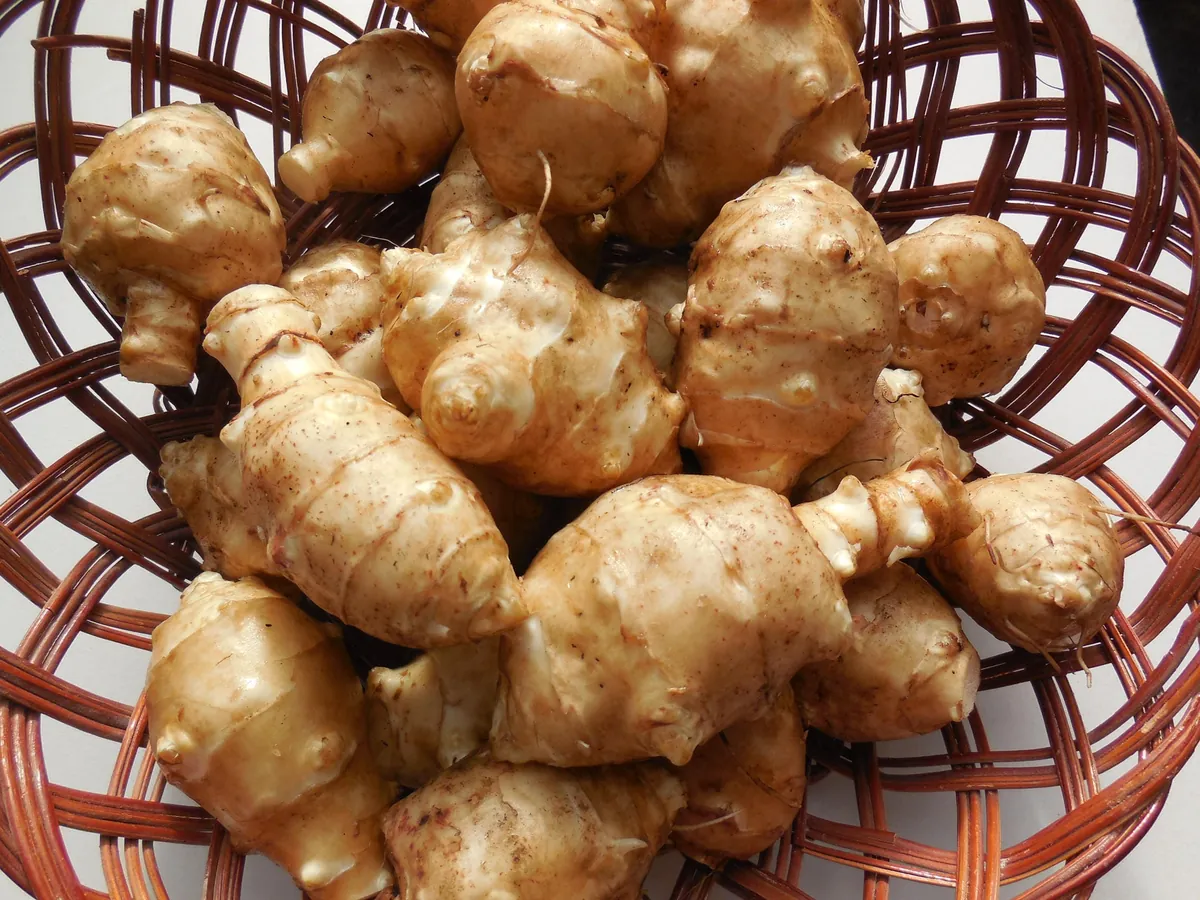
This offering includes 10 Lbs Jerusalem Artichoke tubers, carefully selected for their large size and viability. The tubers are freshly dug on the day of your order to ensure maximum freshness and readiness for planting or consumption. Each tuber boasts multiple eyes, indicating strong potential for vigorous growth. The quantity of 10 pounds provides enough material to establish a substantial patch of these rewarding plants, allowing for both a culinary harvest and future propagation. Expect the plants to reach heights of 6-10 feet, producing a dense canopy of foliage before flowering in late summer to early fall.
These tubers are sold as bare root for planting. If you intend to eat them, you can request them to be washed before shipping. They are ready to be planted as soon as the ground is workable and unfrozen, typically from late fall through mid-spring. The growth rate is rapid once temperatures warm, and tubers will begin to form underground throughout the summer, maturing in the fall. The photo provided offers an accurate representation of the size and quality of the tubers you will receive, emphasizing their robust and healthy appearance, perfect for sunchokes for planting.
Frequently Asked Questions
- Q: How big do these Jerusalem Artichoke tubers get? A: The tubers provided are generally large-sized, ideal for both planting and eating. The plants themselves can grow quite tall, typically reaching 6-10 feet in height, creating a substantial presence in the garden.
- Q: Is this an indoor or outdoor plant? A: Jerusalem artichoke tubers are primarily grown outdoors. They are hardy perennial plants that thrive in garden beds, producing a crop of edible tubers and attractive flowers. They are not typically grown as indoor houseplants.
- Q: How much sunlight do these sunchokes need? A: For optimal growth and tuber production, sunchokes require full sun exposure, meaning at least 6-8 hours of direct sunlight per day. They can tolerate partial shade, but yields may be reduced.
- Q: Is this plant easy to care for? Is it good for beginners? A: Yes, Jerusalem artichokes are renowned for being very easy to grow and are excellent for beginners. They are highly resilient, require minimal maintenance, and are generally resistant to pests and diseases, making growing sunchokes a rewarding experience.
- Q: What condition will the tubers arrive in? A: Your jerusalem artichoke tubers will arrive freshly dug on the day of your order. For planting purposes, they are shipped unwashed to maintain their protective layer and viability. If you plan to eat them, you can specify that you’d like them washed.
- Q: Can I use Jerusalem Artichoke in cooking? Is it pet-safe? A: Absolutely! Sunchokes are highly versatile in the kitchen. They can be cooked like potatoes, eaten raw, or stir-fried. As for pets, Jerusalem artichokes are generally considered non-toxic to most pets, but it’s always best to consult with a vet for specific concerns.
- Q: When is the best time to plant Jerusalem Artichoke tubers? A: The ideal time to plant sunchokes for planting is any time the ground isn’t frozen, typically from late fall through early spring (November to April). This allows them to establish before the main growing season.
- Q: Will it survive winter in my zone? What’s the minimum temperature? A: Jerusalem artichokes are very cold-hardy and can survive harsh winters. They are generally suitable for USDA Zones 3-9, tolerating freezing temperatures well below 0°F (-18°C).
- Q: What are the main jerusalem artichoke benefits for health? A: The primary health benefit of Jerusalem artichokes is their high content of inulin, a prebiotic fiber that supports gut health. They also have a low glycemic index, making them a good option for managing blood sugar levels and weight.
- Q: Do these tubers produce flowers? A: Yes, in addition to the edible tubers, the plants produce attractive yellow daisy-like flowers in late summer to early fall, adding an ornamental touch to your garden and providing long-lasting cut flowers.


Reviews
There are no reviews yet.