Overview
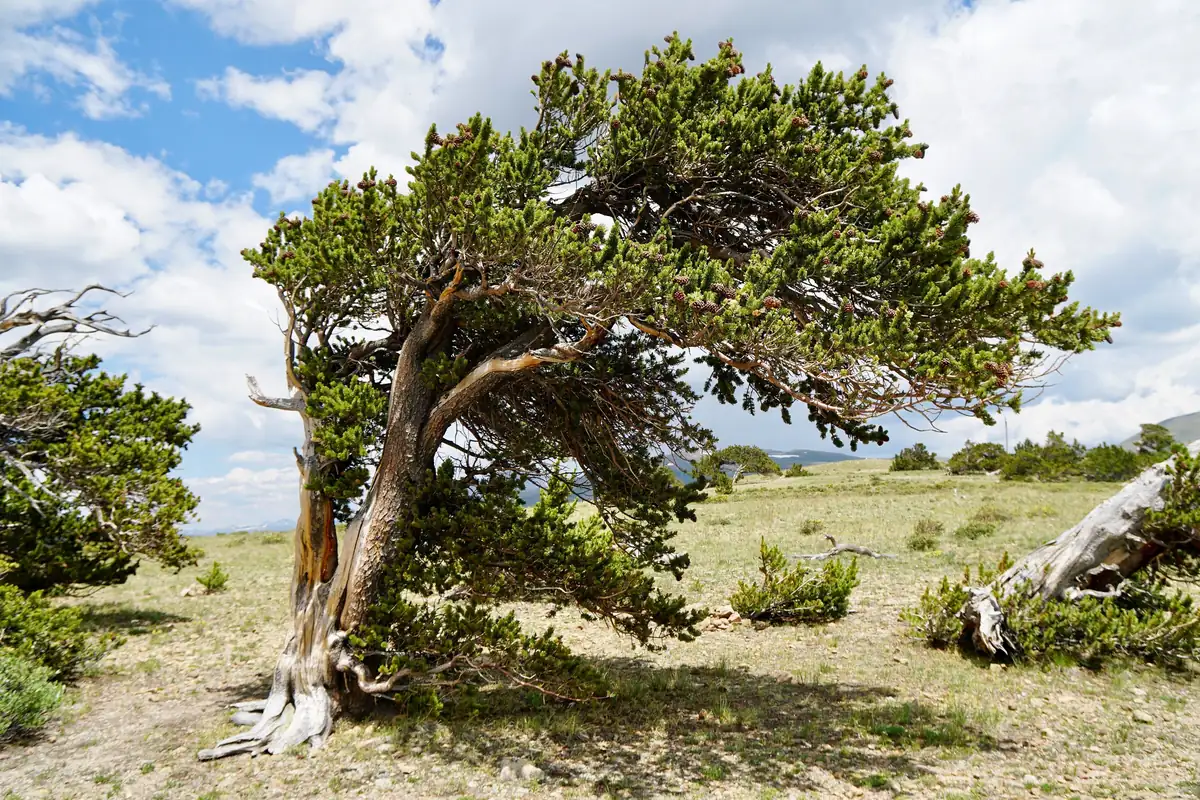
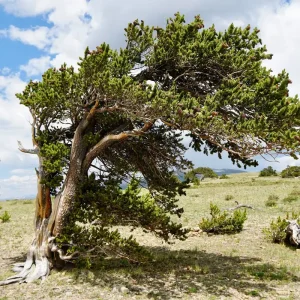
Embark on a journey to cultivate one of nature’s most enduring wonders with our bristlecone pine bare root. This 2-year-old Pinus aristata live plant offers a unique opportunity to grow a tree celebrated for its exceptional longevity and rugged beauty. Native to the harsh, high-altitude environments of the American West, the Bristlecone Pine is a true survivor, capable of thriving where other conifers falter. Its remarkable adaptability to extreme temperatures, poor soils, and rocky terrains makes it an iconic choice for resilient landscapes and specialized gardening practices.
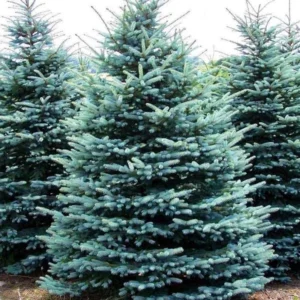
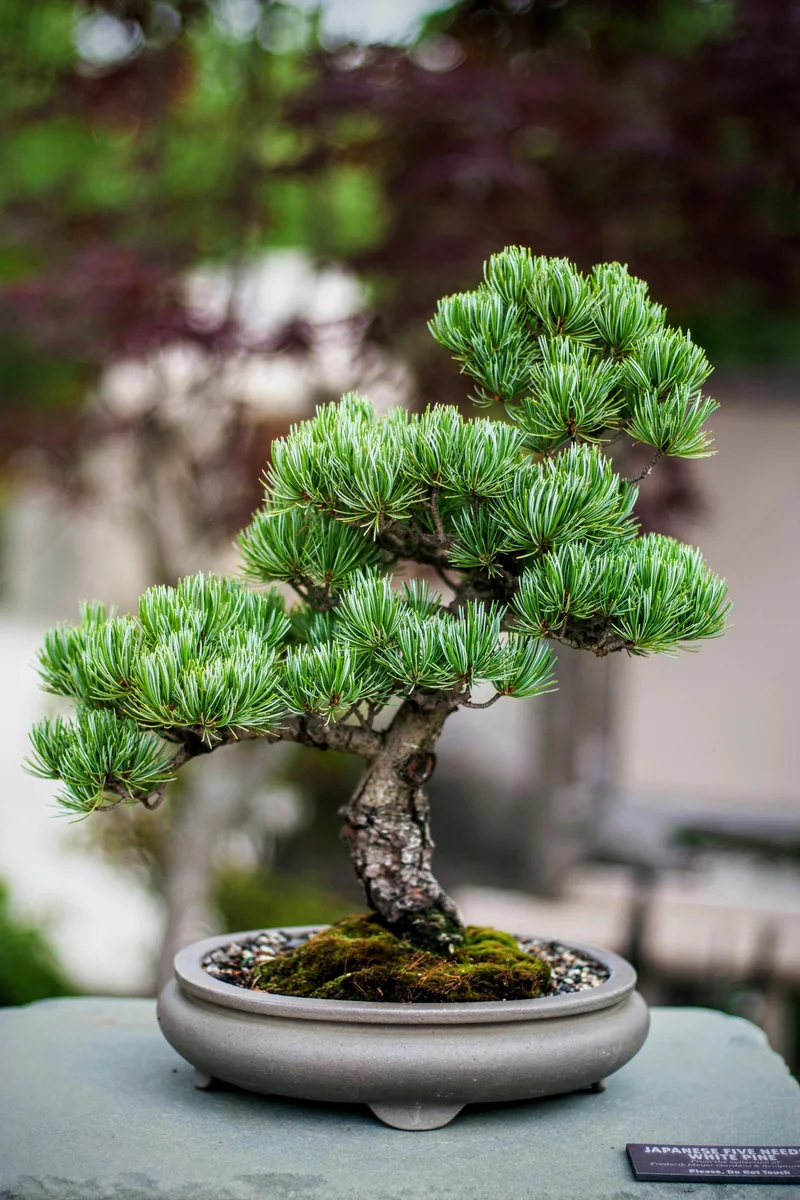
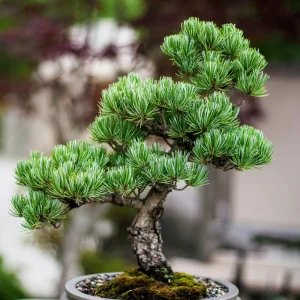
The Bristlecone Pine is not just a tree; it’s a living testament to resilience, often growing at elevations between 5,000 to 10,000 feet. It’s a popular choice for those seeking a unique specimen for bonsai, given its natural tendency to develop gnarled and twisted trunks, creating an aged, sculptural aesthetic even in its younger years. Its short, needle-like leaves, ranging from deep green to an enchanting blue-green hue, add to its distinct charm, making it a focal point in any garden or collection.
Key Benefits
The bristlecone pine bare root offers numerous advantages, making it a highly sought-after plant for various gardening needs. Its unique characteristics contribute to both aesthetic appeal and environmental resilience.
- Exceptional Longevity: Known as one of the oldest living organisms on Earth, growing a Bristlecone Pine allows you to cultivate a tree with incredible potential for a long life, becoming a generational plant.
- Drought and Cold Tolerance: This species is remarkably hardy, thriving in conditions that would challenge most other trees. It withstands extreme temperatures and requires minimal water once established, making it perfect for water-wise gardening.
- Unique Aesthetic for Bonsai: The natural gnarled growth habit and dense foliage of the Pinus aristata live plant make it an ideal candidate for bonsai, allowing you to create stunning, ancient-looking miniature trees.
- Ideal for Xeriscaping: Its low water requirements and ability to flourish in rocky, nutrient-poor soils make it an excellent choice for xeriscaping, contributing to sustainable landscape design.
- Adaptable to Rocky Landscapes: The Bristlecone Pine naturally thrives in rocky, high-elevation environments, making it a perfect addition to rock gardens or sloped terrains where other plants struggle.
- Distinctive Foliage: The short, blue-green to deep green needles provide year-round interest and a unique texture, adding visual appeal to any setting.
- Low Maintenance: Once established, the bristlecone pine bare root requires very little intervention, making it a great option for gardeners seeking a hardy, self-sufficient tree.
Plant Care & Growing Tips
Caring for your bristlecone pine bare root is straightforward, especially given its natural resilience. Understanding its specific needs will ensure a healthy and long-lived specimen. This Pinus aristata live plant thrives in conditions that mimic its native high-altitude habitat.
Sunlight: The Bristlecone Pine requires full sun to flourish. Choose a planting location that receives at least 6-8 hours of direct sunlight per day. In very hot climates, some afternoon shade might be beneficial during the hottest part of the summer, but generally, more sun is better. If grown indoors as a bonsai, ensure it receives ample bright light, preferably from a south-facing window or with supplemental grow lights.
Watering: As a drought-tolerant species, established Bristlecone Pines require infrequent watering. During the first year after planting, water regularly to help establish the root system. Once established, allow the soil to dry out completely between waterings. Overwatering is a common cause of issues, especially in containers. For container-grown plants or bonsai, ensure excellent drainage and water thoroughly when the top inch or two of soil is dry to the touch.
Soil Type: The Bristlecone Pine is not particular about nutrient-rich soil but demands excellent drainage. A sandy, gravelly, or rocky soil mix is ideal. For container planting or bonsai, a specialized ‘dryland’ or ‘high elevation conifer potting soil mix’ is highly recommended. Avoid heavy clay soils that retain too much moisture. The ideal pH for the ancient bristlecone pine is slightly acidic to neutral (6.0-7.0).
Temperature & USDA Zones: This tree is incredibly cold hardy and thrives in USDA Zones 4 to 9. It is well-adapted to extreme temperature fluctuations. While it tolerates cold winters, it also endures hot summers, making it a versatile choice for many regions. If temperatures are consistently above 89 degrees Fahrenheit or below 20 degrees Fahrenheit during establishment, provide some protection or adjust planting times.
Fertilization: Bristlecone Pines are adapted to low-nutrient soils, so heavy fertilization is not necessary and can even be detrimental. If growing in a container or as a bonsai, a very light application of a balanced, slow-release conifer fertilizer in early spring can be beneficial. For garden plants, an annual top-dressing of compost or a very dilute liquid feed is usually sufficient. Avoid fertilizing in late summer or fall, as this can stimulate new growth that is vulnerable to winter damage.
Common Problems: These trees are generally resistant to pests and diseases due to their harsh native environment. The primary issues arise from improper watering (too much) and poor drainage. Ensure proper soil conditions to prevent root rot. Monitor for common conifer pests like spider mites, especially in dry conditions, and treat with horticultural oil if necessary. The resilience of the xeriscape tree means it typically requires minimal intervention.
Size & Details
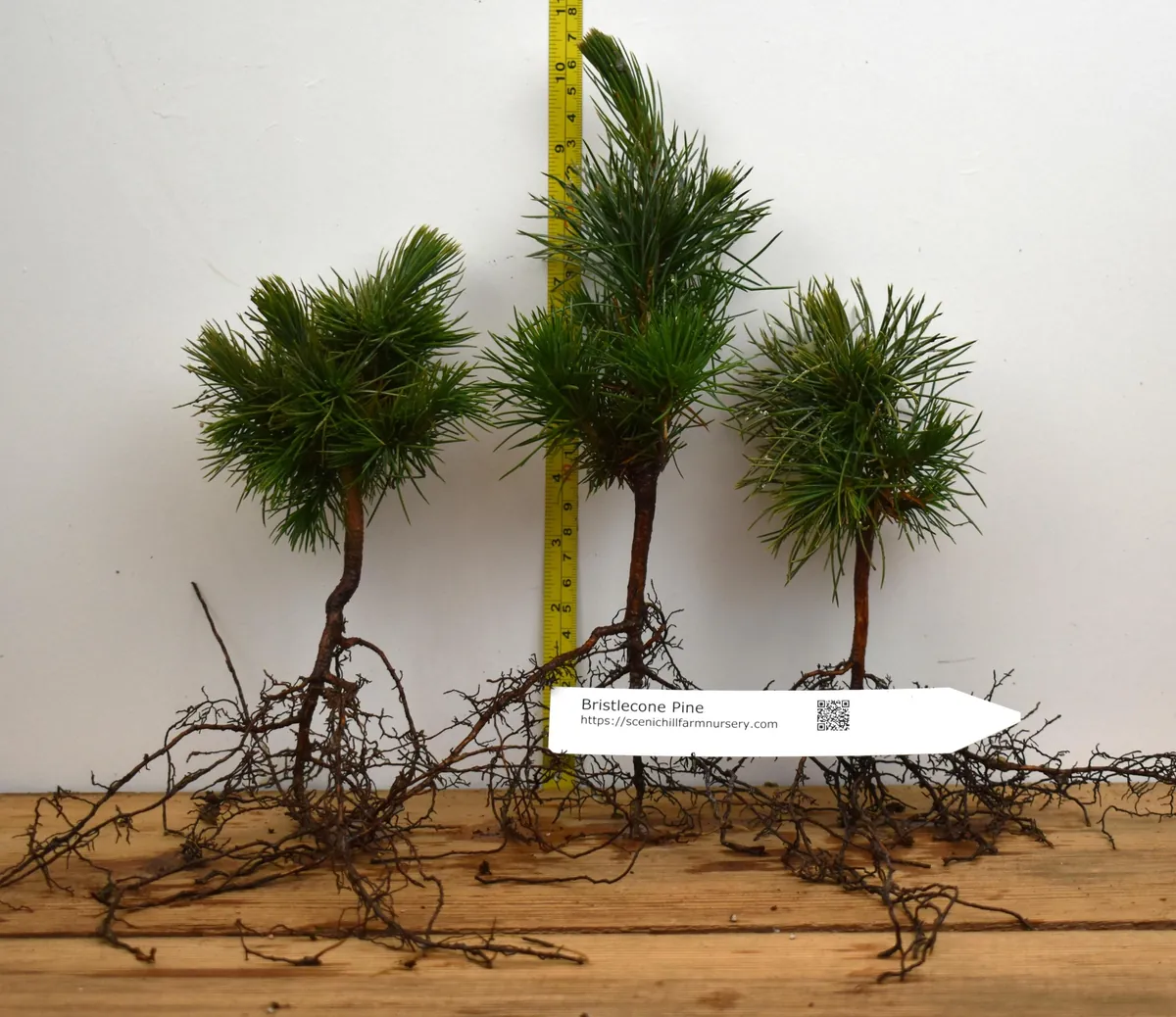
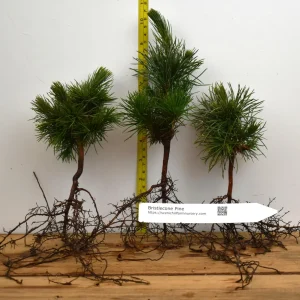
This offering is for a 2-year-old bristlecone pine bare root. At this young age, the plant consists of a healthy root system and a small top growth, ready to establish quickly in its new environment. While young, these bare roots are robust and well-suited for transplanting, minimizing transplant shock and encouraging vigorous growth once planted.
In its natural habitat, the Bristlecone Pine can grow to heights of 8-20 feet tall and spread 10-15 feet wide, though growth is very slow. When cultivated as a bonsai, its size can be meticulously controlled through pruning and training, allowing for a much more compact form. The bare root format provides the gardener with the maximum flexibility for initial planting, whether directly into the ground for a landscape specimen or into a training pot for bonsai development. Expect the development of its distinctive gnarled trunk and dense, blue-green foliage to begin as it matures, showcasing the unique character of this remarkable species.
Frequently Asked Questions
- Q: How big does a Bristlecone Pine get? A: In its natural environment, a Bristlecone Pine can reach heights of 8-20 feet tall and spread 10-15 feet wide over many years. When grown as a bonsai, its size is controlled through cultivation techniques, keeping it much smaller.
- Q: Is this an indoor or outdoor plant? A: The bristlecone pine bare root is primarily an outdoor plant, thriving in full sun and various climates (USDA Zones 4-9). It can be grown indoors as a bonsai, provided it receives ample light and proper care for its specific needs.
- Q: How much sunlight does it need? A: Bristlecone Pines require full sun, meaning at least 6-8 hours of direct sunlight daily, especially for outdoor planting. For indoor bonsai, bright, direct light is crucial.
- Q: What condition will the bare root arrive in? A: Your bristlecone pine bare root will arrive dormant, carefully packaged to protect the root system. It will appear as a small, leafless root and stem, ready for planting upon arrival.
- Q: Is this plant easy to care for? A: Once established, the Bristlecone Pine is considered low-maintenance due to its natural resilience and drought tolerance. The initial planting and establishment period require careful attention to watering and soil conditions.
- Q: When is the best time to plant a bare root Bristlecone Pine? A: The best time to plant a bare root Bristlecone Pine is typically in early spring or late fall when the plant is dormant and temperatures are cool. This allows the roots to establish before extreme summer heat or deep winter cold.
- Q: What kind of soil does a Bristlecone Pine need? A: This tree thrives in well-draining soil, preferably sandy, gravelly, or rocky. Heavy clay soils should be avoided. For container growing, a specialized high-drainage conifer mix is recommended for your Pinus aristata live plant.
- Q: Will it survive winter in my zone? A: Bristlecone Pines are extremely cold hardy and are suitable for USDA Zones 4-9. They are well-adapted to surviving cold winters within these zones, making the bristlecone pine care relatively simple in appropriate climates.
- Q: Can I use this for bonsai? A: Yes, the Bristlecone Pine is an excellent choice for bonsai due to its naturally gnarled growth, dense foliage, and slow growth rate, which allows for intricate shaping and styling to create an authentic ancient bristlecone pine look.
- Q: What if I live in a warm climate, will it still thrive? A: While tolerant of heat, Bristlecone Pines prefer cooler, high-altitude conditions. In very hot climates, ensuring good air circulation and potentially some afternoon shade could help, but generally, their best performance is in zones with distinct seasons.


Reviews
There are no reviews yet.