Overview
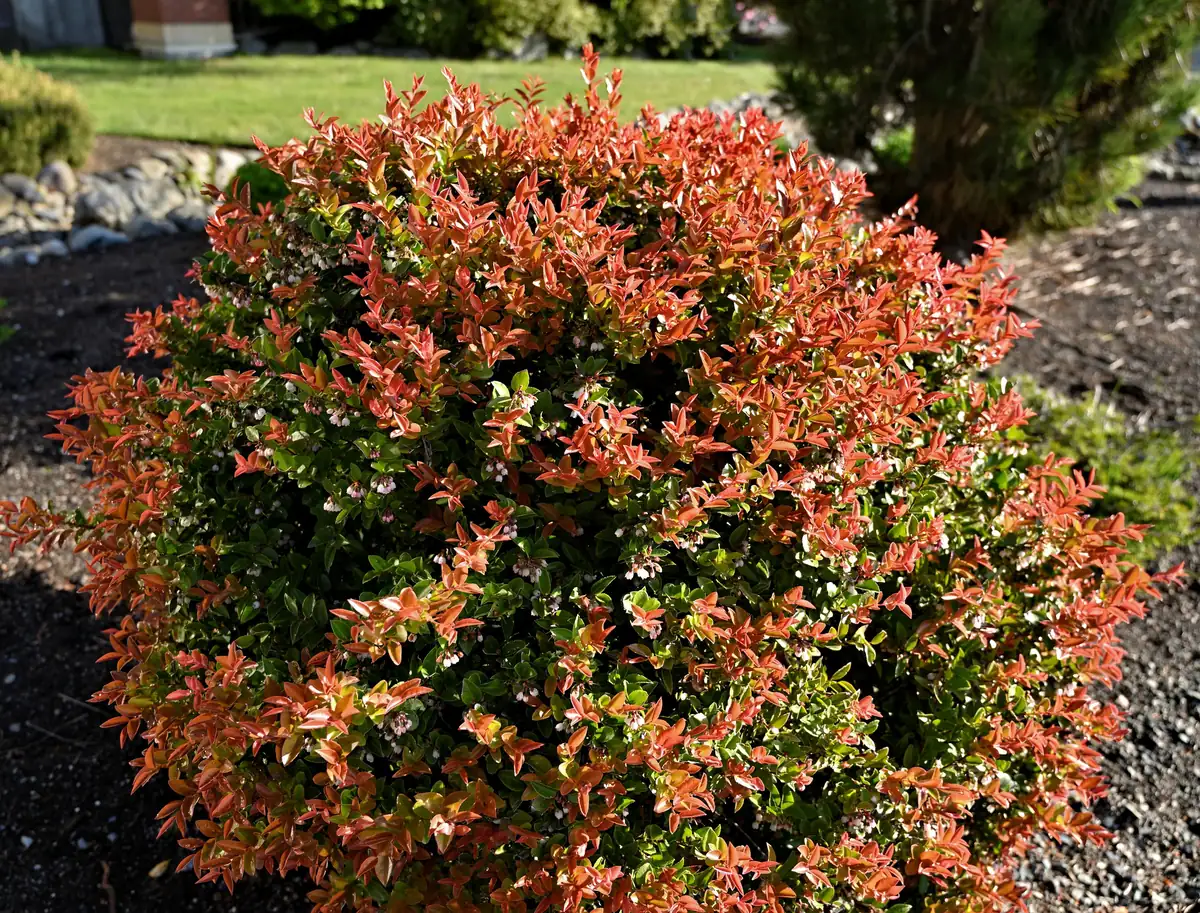
Introduce a touch of Pacific Northwest charm to your garden with the evergreen huckleberry live plant (Vaccinium ovatum). This 1-year-old potted specimen offers both aesthetic appeal and culinary delight. Native to the coastal forests, the Evergreen Huckleberry is a versatile broadleaf evergreen shrub that provides year-round interest. Its compact growth habit and attractive foliage make it an excellent choice for various garden styles, from naturalized woodland settings to more formal landscapes. Beyond its visual appeal, this plant is celebrated for its small, flavorful berries and its branches, which are highly prized for use in fresh and dried floral arrangements. Plant a evergreen huckleberry live plant today and enjoy its bounty for years to come.
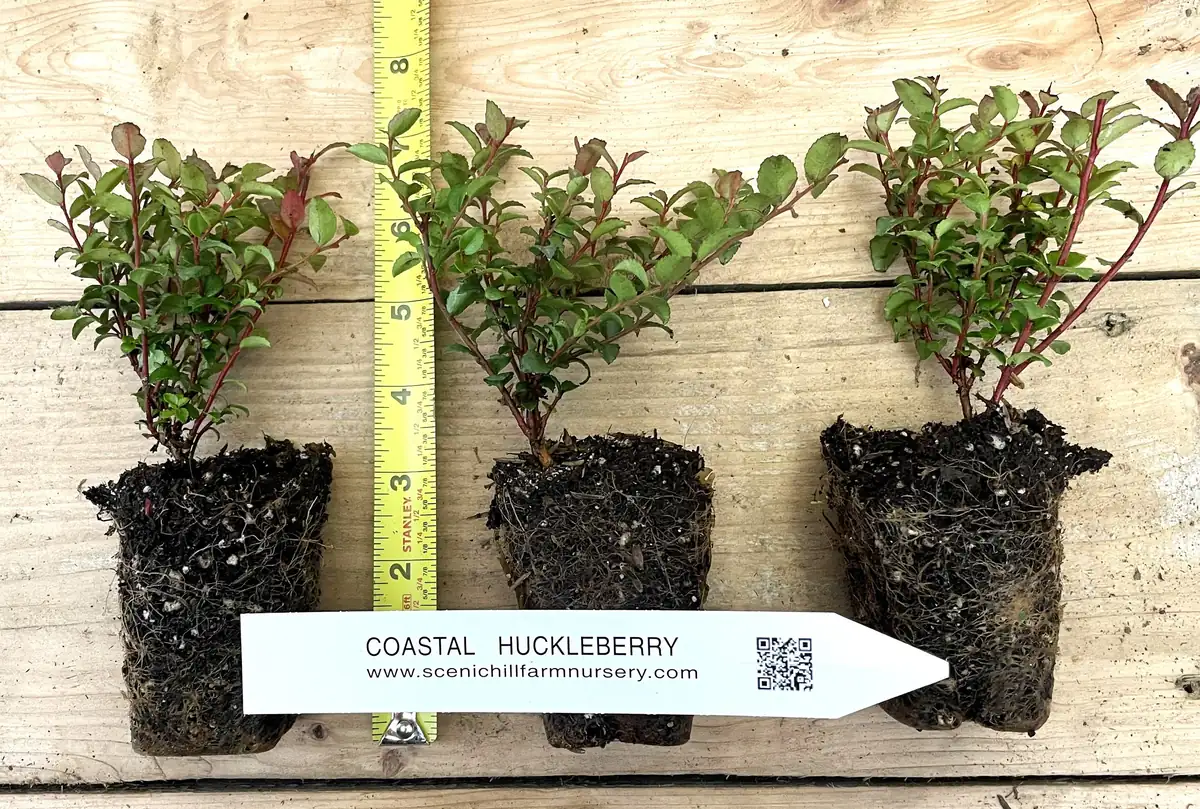
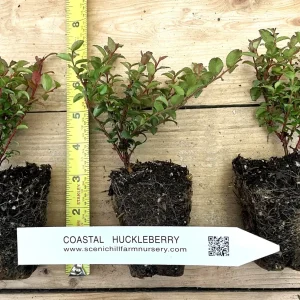
This resilient shrub is supplied as a healthy, 1-year-old potted plant, ensuring it’s ready to establish quickly in your garden. Unlike bare root plants, our potted huckleberry has a well-developed root system, providing a head start for robust growth. It’s an ideal addition for gardeners seeking a low-maintenance, multi-purpose plant that contributes to local ecosystems by attracting pollinators and wildlife.
Key Benefits
The evergreen huckleberry live plant offers a multitude of benefits for both gardeners and the environment. Its adaptability and diverse uses make it a valuable addition to any landscape.
- Delicious Edible Berries: Enjoy a harvest of small, tasty dark blue-black berries in the fall. These berries are a favorite for fresh eating, baking, jams, and attracting birds and other wildlife to your garden.
- Evergreen Foliage for Year-Round Interest: The glossy, dark green leaves provide continuous beauty throughout all seasons, maintaining a lush appearance even in winter. This makes it an excellent choice for foundational plantings.
- Versatile Floral Arrangements: The sturdy, evergreen branches are highly sought after by florists for their unique texture and color, adding elegance to bouquets and home decor. You can also use the leaves to make huckleberry leaf tea.
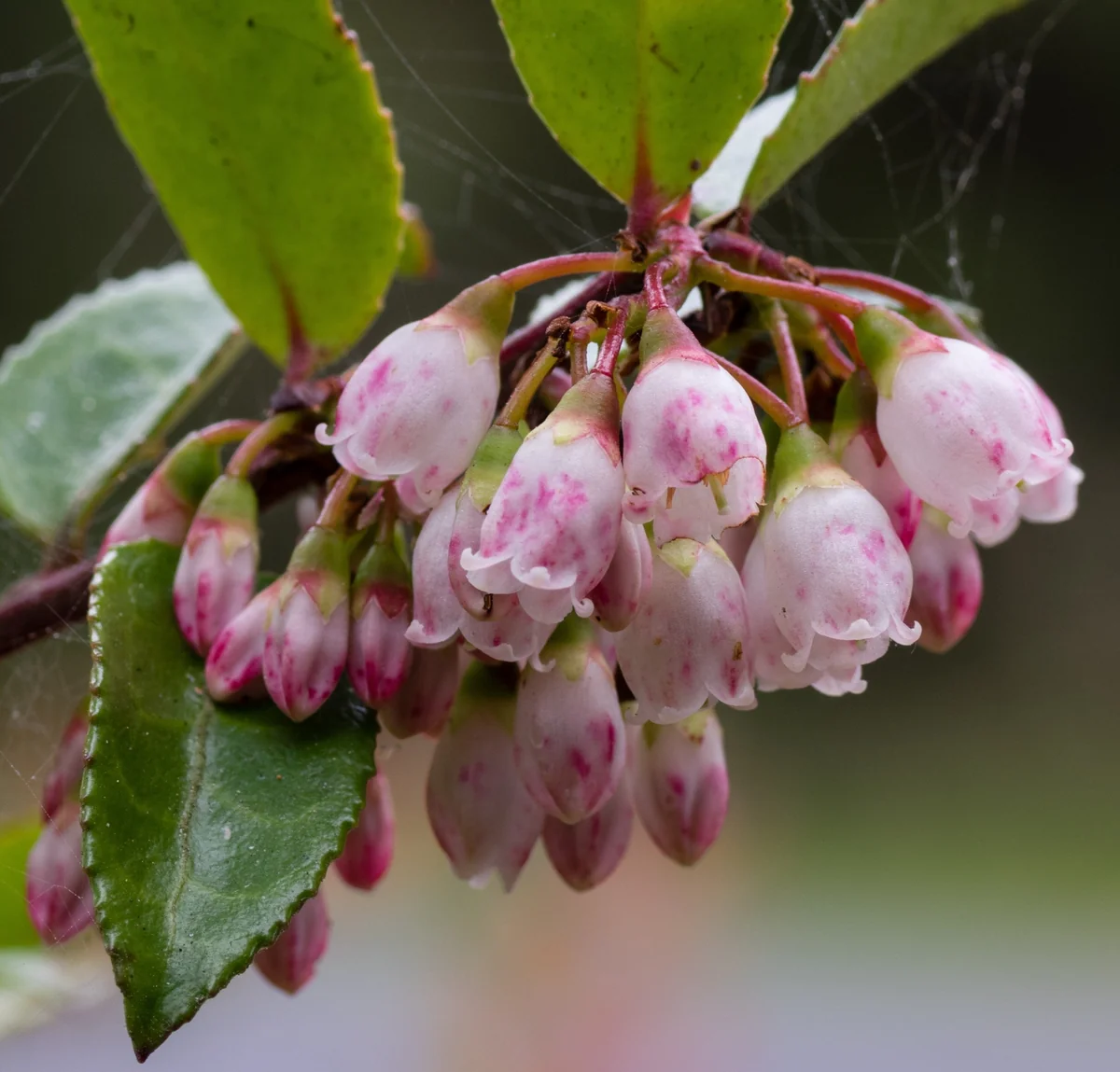
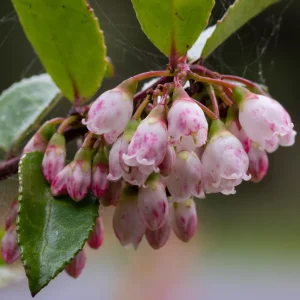
- Supports Pollinators and Wildlife: The small, pinkish-white flowers that emerge in spring are a vital food source for bees and butterflies, promoting biodiversity in your garden. The berries are also a natural food source for various wildlife.
- Low Maintenance and Adaptable: Once established, the evergreen huckleberry live plant is relatively easy to care for, tolerating a range of conditions and requiring minimal pruning to maintain its shape. This makes growing huckleberry bushes accessible to gardeners of all skill levels.
- Native and Eco-Friendly: As a native species to the Pacific coastal forests, it is well-suited to its environment, contributing to local ecosystems and requiring less intervention than non-native plants.
- Attractive Ornamental Shrub: Its compact growth habit and beautiful foliage make it a stunning specimen plant or a valuable component in mixed borders and hedges.
Plant Care & Growing Tips
Proper care ensures your evergreen huckleberry live plant thrives and produces abundant berries and foliage. Understanding its specific needs will help you cultivate a healthy and productive shrub. This plant is known for its resilience, but providing optimal conditions will maximize its growth and yield.
Sunlight: Evergreen Huckleberry can adapt to various light conditions. For best berry production, plant in full sun (6+ hours of direct sunlight). If grown in full shade, it can become taller and more leggy. In hotter climates, full or afternoon shade is required to prevent leaf scorch. Moderate light (partial shade) is also well-tolerated, especially in warmer regions. When considering vaccinium ovatum care, light is a critical factor.
Watering: This shrub prefers consistently moist, but not waterlogged, soil, similar to blueberries. Water regularly, especially during dry spells and during its establishment period. Ensure the soil has good drainage to prevent root rot. Reduce watering frequency in cooler, dormant months. Consistent moisture is key for healthy growth and berry development.
Soil: The evergreen huckleberry live plant thrives in acidic, slightly moist, and well-drained soil. A soil pH between 4.5 and 5.5 is ideal. Amend heavy clay soils with organic matter like compost or peat moss to improve drainage and acidity. Sandy soils may benefit from added organic material to retain moisture and nutrients. This specific soil preference is important for successful growing huckleberry bushes.
Temperature and USDA Zones: This hardy plant grows well in USDA Zones 7-9. It can also survive in Zone 6 with adequate wind protection during winter. It is tolerant of moderate winter temperatures but may benefit from mulching in colder regions to protect its root system. This makes it a great option for gardeners in the pacific northwest plants region.
Fertilization: Fertilize in early spring with an acid-loving plant fertilizer, similar to those used for blueberries or rhododendrons. Follow product instructions carefully to avoid over-fertilization, which can harm the plant. A slow-release granular fertilizer or a liquid feed at half strength can be beneficial. Avoid fertilizers high in nitrogen, which can encourage excessive foliage growth at the expense of berries.
Pruning: Evergreen Huckleberry generally requires minimal pruning. Prune in late winter or early spring to remove any dead, damaged, or diseased branches. You can also lightly prune to shape the shrub or control its size. If you desire a more compact shrub, more aggressive pruning can be done, but keep in mind it flowers on old wood, so excessive pruning may reduce berry production for the following season.
Size & Details
This offering is for one evergreen huckleberry live plant, which is 1 year old and comes in a nursery pot. At maturity, if grown in full sun, it typically reaches a size of 4 feet tall and 4 feet wide. However, if planted in full shade and left unpruned, it has the potential to grow up to 10 feet tall. The plant is shipped as a healthy, rooted specimen in its pot, ensuring a smooth transition to your garden. These plants are grown from disease-free tissue culture stock, guaranteeing robust and healthy growth, and are not wild-dug bare root plants.
The growth rate of the Evergreen Huckleberry is moderate, allowing it to establish well within a few seasons. Expect to see small pinkish-white flowers in spring, followed by berries that transition from red in summer to a ripe dark blue-black in the fall. The plant’s evergreen nature provides continuous visual appeal throughout the year, making it a valuable addition to your landscape design.
Frequently Asked Questions
- Q: How big does this plant get? A: The evergreen huckleberry live plant typically grows 4 feet tall and 4 feet wide in full sun. In full shade and without pruning, it can reach up to 10 feet tall, offering flexibility in your landscape design.
- Q: What size pot does it come in? A: This is a 1-year-old potted plant, arriving in a standard nursery pot suitable for its current size and root system, ready for transplanting.
- Q: Is this an indoor or outdoor plant? A: The Evergreen Huckleberry is primarily an outdoor shrub, well-suited for gardens and landscapes. It thrives in its native environment and is a staple among pacific northwest plants.
- Q: How much sunlight does it need? A: For optimal berry production, full sun is recommended. However, it can tolerate partial to full shade, especially in hotter climates where afternoon shade is beneficial.
- Q: Is this plant easy to care for? A: Yes, once established, the evergreen huckleberry live plant is considered low-maintenance. It requires consistent moisture and acidic, well-drained soil, making vaccinium ovatum care relatively straightforward.
- Q: What condition will it arrive in? A: Your huckleberry plant will arrive as a healthy, 1-year-old potted specimen, grown from disease-free tissue culture stock, ensuring a strong start in your garden.
- Q: Can I use the berries for eating? A: Absolutely! The berries are delicious and can be enjoyed fresh, in pies, jams, or other culinary creations. They are a highlight of growing huckleberry bushes.
- Q: When is the best time to plant? A: Spring or early fall are generally the best times to plant your Evergreen Huckleberry, allowing it time to establish its root system before extreme temperatures.
- Q: Will it survive winter in my zone? A: This plant is hardy in USDA Zones 7-9 and can survive in Zone 6 with adequate wind protection, making it suitable for many regions.
- Q: What type of soil does it prefer? A: It prefers acidic, slightly moist, and well-drained soil. Amending with organic matter can help achieve the ideal conditions for your evergreen huckleberry live plant.


Reviews
There are no reviews yet.