
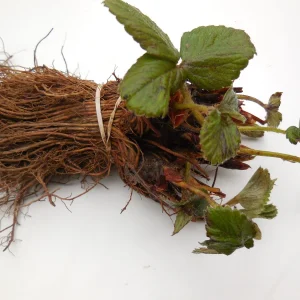
Overview
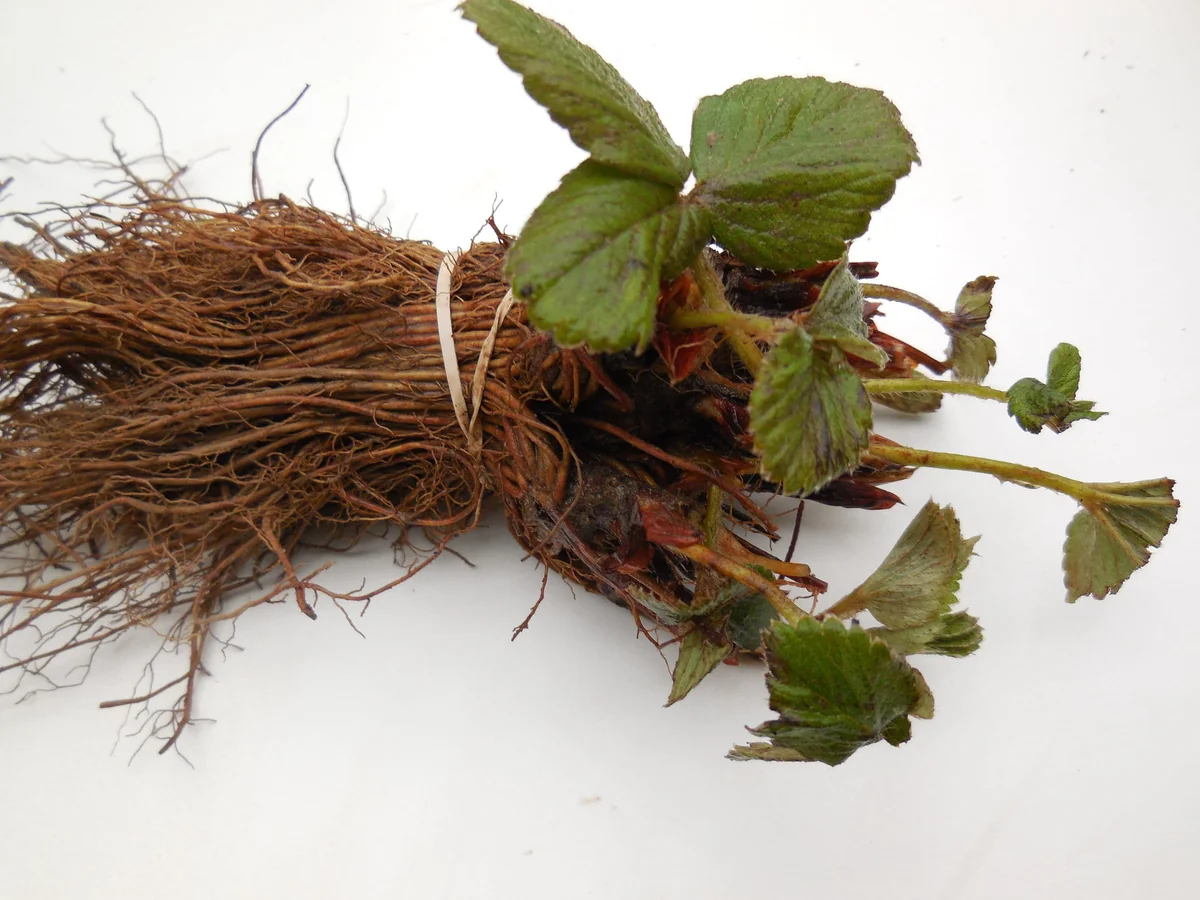
Bring the joy of homegrown, exceptionally flavorful fruit to your garden with Eclair Strawberry plants. This outstanding June-bearing variety is celebrated for its medium to large-sized berries that are not only extra sweet but also wonderfully fragrant. Gardeners and U-pick farms alike adore the ‘Eclair’ for its superior taste and versatility. Unlike some other spring-bearing types, these sweet strawberry plants offer a longer production season, extending your harvest window. Each plant is a dormant bare root specimen, carefully prepared to ensure a healthy start in your garden. Whether you’re a seasoned gardener or just beginning, these plants promise a rewarding yield of delectable berries.
The ‘Eclair’ strawberry is perfect for anyone seeking a high-quality, productive strawberry patch. Its robust growth and disease resistance make it a reliable choice for consistent fruit production. Enjoy the satisfaction of picking your own sweet, juicy strawberries right from your backyard, knowing they are fresh and full of natural goodness. These June bearing strawberry plants are a fantastic addition to any edible landscape or dedicated fruit garden.
Key Benefits
Investing in Eclair Strawberry plants offers a multitude of benefits, from their delightful flavor to their adaptability in various climates. These plants are designed to provide a bountiful and satisfying harvest for years to come:
- Exceptional Flavor Profile: The ‘Eclair’ variety is renowned for its extra sweet and intensely fragrant berries, making them a true culinary delight. Enjoy them fresh off the plant, in desserts, or as a healthy snack.
- Versatile Culinary Use: These berries are perfect for a wide range of uses, including fresh eating, making jams and preserves, canning, and freezing. Their firm texture holds up well, even after processing, ensuring delicious results every time.
- Extended Harvest Season: As a June bearing strawberry, ‘Eclair’ produces a concentrated crop over several weeks in early to mid-summer. This variety is noted for its ability to produce longer than many other spring-bearing types, giving you more time to enjoy fresh fruit.
- Adaptable to Various Climates: Thriving in USDA hardiness zones 5 through 10, these sweet strawberry plants are suitable for a wide range of temperate climates across the United States, offering broad appeal to gardeners.
- Ideal for Home & Commercial Growing: A favorite for backyard gardeners and U-pick operations, the Eclair strawberry’s reliability and delicious fruit make it an excellent choice for both personal consumption and larger-scale production.
- Healthy Bare Root Plants: You will receive dormant bare root strawberry plants that have been properly stored and inspected to ensure they are free of diseases and viruses, promoting a strong start in your garden.
- Fragrant Berries: Beyond their sweetness, the berries possess a delightful aroma that enhances their appeal, making them a sensory pleasure to grow and consume.
Plant Care & Growing Tips
Caring for your Eclair Strawberry plants is relatively straightforward, ensuring a healthy and productive patch. As bare root strawberry plants, they should be planted as soon as possible after arrival, typically in early spring. Choose a site with full sun exposure, meaning at least 6-8 hours of direct sunlight per day, for optimal fruit production. Good air circulation is also important to prevent fungal diseases. Prepare your soil by amending it with organic matter to improve drainage and fertility. Strawberries prefer slightly acidic soil with a pH between 5.5 and 6.5. Ensure the area is well-draining to prevent root rot, as strawberries do not tolerate soggy conditions.
When planting, make sure the crown (the point where the roots meet the leaves) is level with the soil surface. Do not bury the crown too deeply or leave too much of the roots exposed. Water thoroughly after planting to settle the soil around the roots. Consistent moisture is crucial, especially during flowering and fruiting. Aim for about 1 inch of water per week, either from rainfall or irrigation. Fertilize established Eclair Strawberry plants in early spring with a balanced fertilizer, and again after the main harvest. Mulching around the plants with straw or pine needles helps to conserve moisture, suppress weeds, and keep the berries clean. Protect plants from extreme heat in summer and provide winter protection in colder zones by covering them with straw or row covers.
Pest and disease management is an ongoing process. Regularly inspect your June bearing strawberry plants for signs of common issues like slugs, birds, or fungal spots. Employ organic pest control methods where possible, and consider netting to protect ripening berries from birds. Proper spacing and good sanitation practices will go a long way in keeping your plants healthy and productive, yielding many pounds of sweet strawberry plants.
Size & Details
These Eclair Strawberry plants are shipped as dormant bare root plants, which are the most common and effective way to establish a strawberry patch. Bare root plants are typically small, comprising a crown and a network of roots, ready to burst into growth once planted. They are designed to quickly establish themselves in your garden, developing into robust, fruit-producing plants within their first year. While individual plant size may vary slightly upon arrival, they are carefully selected to ensure viability and strong growth potential. Once established, ‘Eclair’ strawberry plants will spread via runners, forming a dense patch over time. The berries themselves are medium to large, offering a substantial and satisfying bite. Expect your first significant harvest of these fragrant strawberry berries in late spring to early summer, typically beginning in June, with production continuing for several weeks.
Frequently Asked Questions
- Q: How large will my Eclair Strawberry plants get? A: As bare root plants, they will establish quickly. Mature plants typically form mounds about 6-12 inches tall and 12-18 inches wide, spreading via runners to create a productive patch.
- Q: Are these suitable for container gardening? A: Yes, Eclair Strawberry plants can be successfully grown in containers or hanging baskets, provided they have adequate drainage and receive sufficient sunlight. Ensure containers are large enough to accommodate root growth.
- Q: How much sunlight do Eclair Strawberry plants need? A: These plants require full sun, meaning at least 6-8 hours of direct sunlight per day, for optimal growth and fruit production. Less sun may result in fewer and smaller berries.
- Q: When is the best time to plant bare root strawberry plants? A: The ideal time to plant bare root strawberry plants is in early spring, as soon as the soil can be worked. This allows them to establish a strong root system before the summer heat.
- Q: How long until I can harvest berries from my Eclair Strawberry plants? A: You can expect your first significant harvest of these June bearing strawberry berries in the first full season after planting, typically starting in June. Some varieties may produce a small crop in their first year.
- Q: What USDA zones are suitable for Eclair Strawberries? A: Eclair Strawberry plants thrive in USDA hardiness zones 5 through 10, making them adaptable to a wide range of climates.
- Q: How often should I water my sweet strawberry plants? A: Keep the soil consistently moist, especially during dry periods and when the plants are flowering and fruiting. Aim for about 1 inch of water per week, adjusting based on weather conditions and soil type.
- Q: Are these plants disease resistant? A: The ‘Eclair’ variety is known for its good vigor and general resistance to common strawberry diseases, especially when grown in good conditions with proper care.
- Q: Can I freeze the berries from my fragrant strawberry plants? A: Absolutely! The ‘Eclair’ produces firm berries that are excellent for freezing, canning, and making preserves, retaining their sweet flavor and texture.
- Q: What type of soil do Eclair Strawberry plants prefer? A: They prefer well-draining, fertile, slightly acidic soil with a pH between 5.5 and 6.5. Amending with organic compost is highly beneficial.


Reviews
There are no reviews yet.