Overview
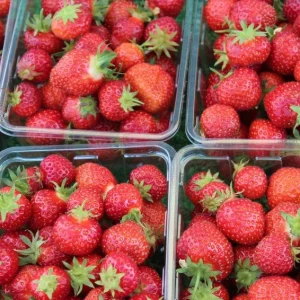
Introducing the remarkable Honeoye strawberry plants, a premier choice for home gardeners and commercial growers alike. These robust June bearing strawberries are celebrated for their vigorous growth and prolific production of exceptionally large, sweet, and firm berries. Developed by Cornell University, the Honeoye variety has become a popular staple, especially in northern regions, thanks to its outstanding winter cold hardiness. Supplied as certified bare root strawberry plants, they are ready to establish quickly in your garden, promising a bountiful harvest season after season. Perfect for fresh consumption, baking, and an excellent candidate for freezing, these plants are designed to deliver a truly satisfying strawberry experience.
The Honeoye is a classic example of a reliable and productive fruit plant, offering consistent performance and delicious results. Its adaptability and disease resistance make it a favored choice, ensuring a rewarding growing experience for gardeners of all skill levels. With proper care, these plants will transform your garden into a vibrant space filled with the aroma and taste of fresh, homegrown strawberries.
Key Benefits
Opting for Honeoye strawberry plants brings a multitude of advantages to your garden and kitchen. Their proven genetics ensure a successful harvest, making them a wise investment for any fruit enthusiast:
- Consistent High Yields: Enjoy a dependable and abundant harvest of berries each June. These plants are specifically bred for a high yield strawberries production, ensuring you have plenty for eating, sharing, and preserving.
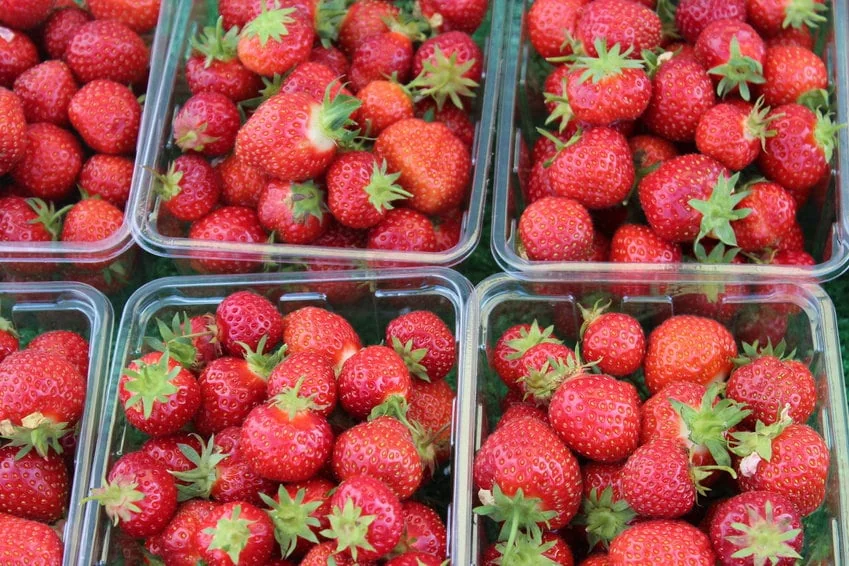
- Superior Berry Quality: The berries are notably large, firm, and possess a deliciously sweet flavor profile, making them perfect for fresh eating, desserts, and preserves.
- Excellent Cold Hardiness: Bred for northern climates, these cold hardy strawberry plants exhibit exceptional resilience to winter temperatures, ensuring survival and productivity in colder zones (USDA Zone 3-8).
- Versatile Use: Ideal for backyard gardens, U-Pick operations, and commercial settings. Their firm texture makes them great for freezing, allowing you to enjoy homegrown sweetness all year round.
- Disease Resistance: Honeoye varieties are known for their general vigor and resistance to common strawberry diseases, contributing to easier maintenance and healthier plants.
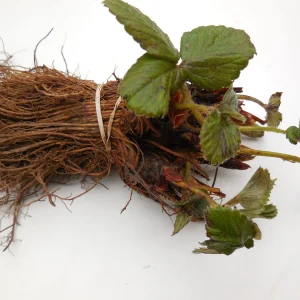
- Bare Root Advantage: Shipped as dormant bare root strawberry plants, they are easy to plant and establish quickly, promoting strong root development for future growth.
- Early Establishment: Planting bare root plants allows the roots to spread naturally into the soil, leading to a strong start and more vigorous growth compared to potted plants.
Plant Care & Growing Tips
Caring for your Honeoye strawberry plants is straightforward, leading to a rewarding harvest. These June bearing strawberries thrive in full sun, requiring at least 6-8 hours of direct sunlight daily for optimal fruit production. Ensure your planting site receives ample light. They prefer well-draining, slightly acidic soil with a pH between 5.5 and 6.5. Amending heavy clay soils with compost or peat moss can significantly improve drainage and aeration, which is crucial for healthy root development of these bare root strawberry plants.
Watering should be consistent, especially during dry spells and when fruits are forming. Aim for about 1 inch of water per week, either from rain or irrigation. Avoid overhead watering if possible to reduce the risk of fungal diseases. Fertilize in early spring with a balanced slow-release fertilizer or one formulated for berries. Pruning runners in the first year can help the main plant establish a stronger root system, leading to a better high yield strawberries crop in subsequent years. Protect your cold hardy strawberry plants during extreme winter conditions with a layer of straw mulch after the first hard frost.
Pest and disease management is an ongoing process. Keep an eye out for common strawberry pests like slugs, aphids, and birds. Organic pest control methods or protective netting can be effective. For fungal issues, ensure good air circulation and avoid overwatering. Proper spacing between plants is also key to preventing disease spread. Monitoring your plants regularly will help catch any issues early, ensuring a healthy and productive patch of Honeoye strawberry plants.
Size & Details
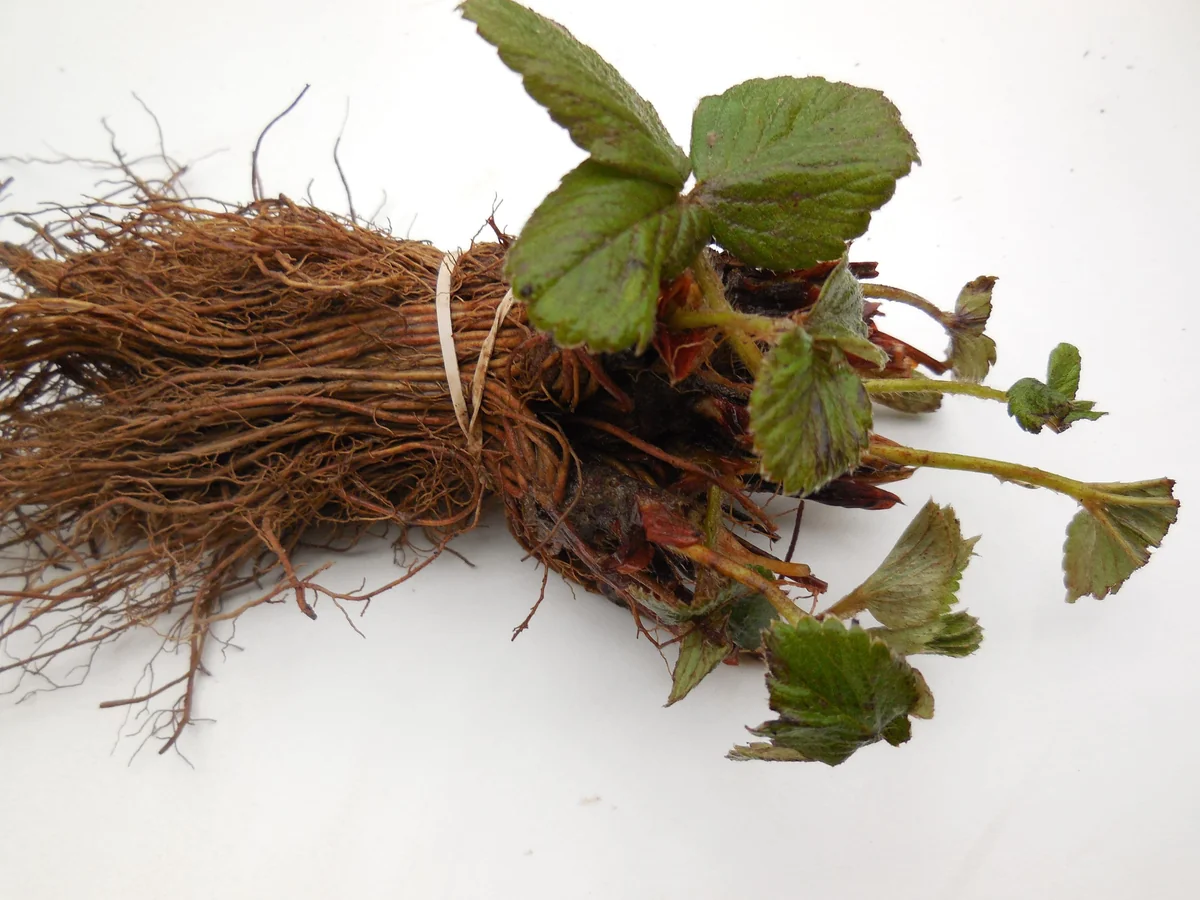
Your Honeoye strawberry plants will arrive as dormant, certified bare root plants, carefully stored to ensure vitality upon delivery. These plants are inspected to be free of diseases and viruses, providing a healthy start for your garden. Typically, each bare root plant consists of a crown with roots attached, ready for immediate planting. While exact measurements vary slightly, you can expect mature plants to reach about 6-8 inches in height and spread up to 12 inches, forming a lush ground cover once established. The berries themselves are known for their impressive size, often reaching 1.5 to 2 inches in diameter, contributing to the reputation for high yield strawberries. Expect your first significant harvest the year after planting, with peak production occurring in June.
The Honeoye variety is a June-bearing type, meaning it produces one large crop of berries over a 2-3 week period in early to mid-summer. This concentrated fruiting makes it excellent for processing and freezing large quantities. These plants are perennial, returning year after year, offering a continuous source of fresh fruit for many seasons with proper care. They are well-suited for USDA Zones 3-8, demonstrating their robust nature and adaptability to a wide range of climates.
Frequently Asked Questions
- Q: How big do these Honeoye strawberry plants get? A: Once established, Honeoye strawberry plants typically grow to about 6-8 inches tall and can spread up to 12 inches wide, forming a dense ground cover. The berries produced are notably large, contributing to their high-yield characteristic.
- Q: Are these June bearing strawberries suitable for beginners? A: Yes, June bearing strawberries like the Honeoye are generally considered easy to grow and are an excellent choice for beginner gardeners due to their hardiness and consistent production.
- Q: How much sunlight do bare root strawberry plants need? A: For optimal growth and fruit production, your bare root strawberry plants require at least 6-8 hours of full sun daily. Choosing a sunny location is crucial for a successful harvest.
- Q: What condition will my plants arrive in? A: Your plants will arrive as dormant, certified bare root plants, carefully packaged and stored to ensure they are healthy and ready for planting. They are inspected for quality before shipment.
- Q: Can I freeze the berries from these high yield strawberries? A: Absolutely! The firmness and excellent flavor of Honeoye berries make them particularly well-suited for freezing, allowing you to enjoy your high yield strawberries harvest long after the season ends.
- Q: When is the best time to plant Honeoye strawberry plants? A: The best time to plant dormant bare root strawberry plants is in early spring, as soon as the soil can be worked. This allows them ample time to establish before the summer heat.
- Q: Will these cold hardy strawberry plants survive winter in my region? A: These cold hardy strawberry plants are very resilient and thrive in USDA Zones 3-8, making them suitable for many regions with cold winters. Applying a layer of straw mulch after the first hard frost can provide extra protection.
- Q: What type of soil is best for Honeoye strawberry plants? A: They prefer well-draining, slightly acidic soil with a pH between 5.5 and 6.5. Amending with organic matter can improve drainage and fertility.
- Q: How often should I water my Honeoye strawberry plants? A: Consistent moisture is key. Aim for about 1 inch of water per week, especially during dry periods and fruit development. Avoid letting the soil dry out completely.
- Q: What is the main difference between June-bearing and everbearing strawberries? A: June-bearing varieties like Honeoye produce one large crop in early summer (June), while everbearing varieties produce smaller crops throughout the growing season.


Reviews
There are no reviews yet.