Overview
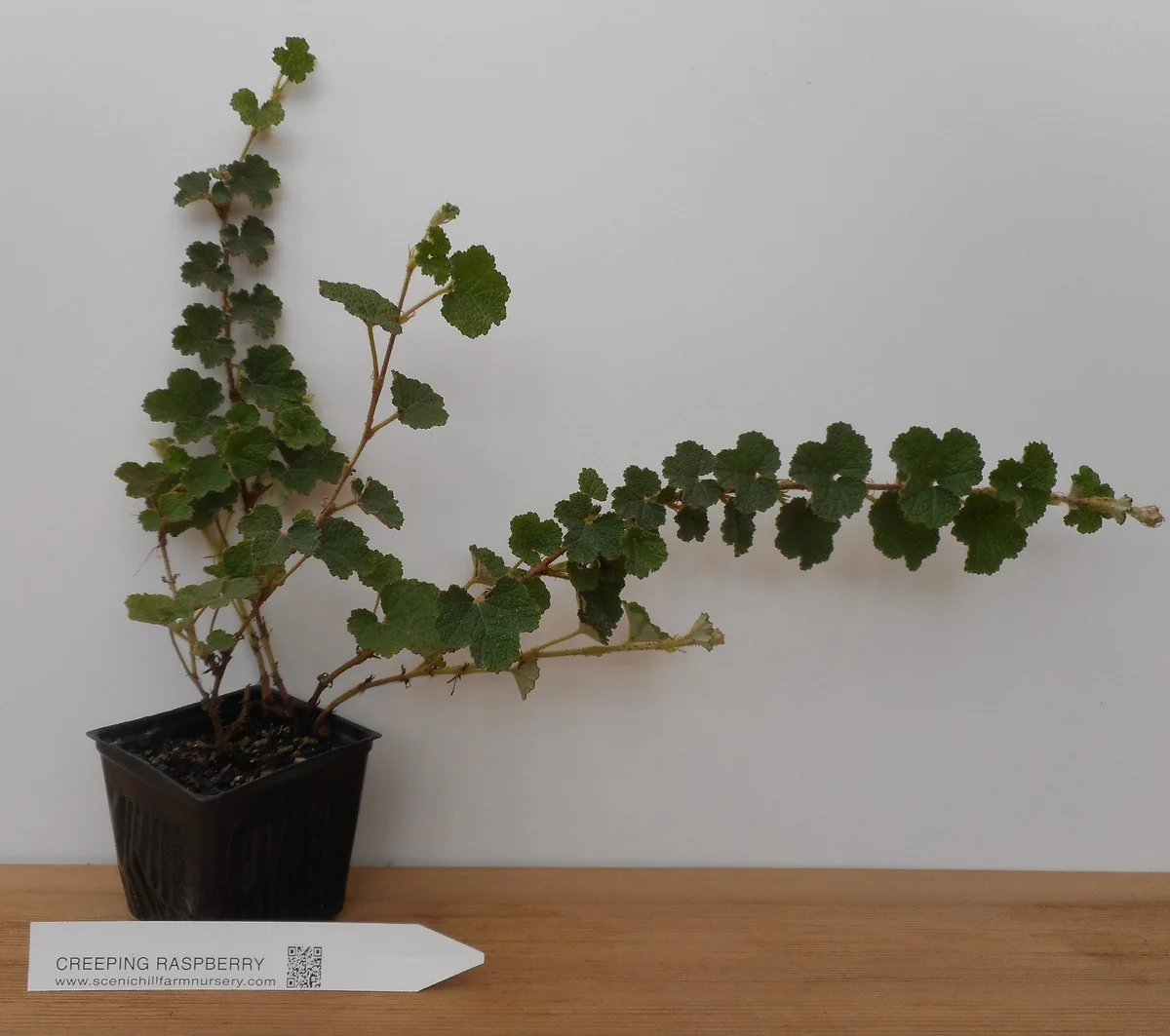
Transform your landscape with the remarkable Taiwan Creeping Raspberry live plant (Rubus pentalobus, also known as Rubus calycinoides or Rubus hayata-koidzumii). This dense, spreading evergreen ground cover is a true garden workhorse, offering both beauty and utility. Known for its tough, durable nature, it forms a lush carpet of coarse-textured, dark green lobed leaves that provide year-round interest, turning a striking reddish bronze in winter. Beyond its ornamental appeal, this plant is celebrated for its small, sweet yellow to salmon-colored edible ground cover berries that follow delicate white flowers. Whether you’re looking to stabilize slopes, beautify a rock garden, or simply add a unique, low-maintenance element to your yard, the Taiwan Creeping Raspberry is an excellent choice for a variety of outdoor settings.
This resilient plant thrives in a range of conditions, making it suitable for many gardeners seeking a reliable and attractive solution. Its vigorous growth habit allows it to quickly fill in spaces, creating a uniform and appealing landscape feature. As a deer resistant plant, it offers peace of mind in areas where browsing animals can be a persistent challenge. The Taiwan Creeping Raspberry is not just a pretty face; it’s a functional addition that supports local ecosystems by attracting butterflies and other pollinators, contributing to the biodiversity of your garden.
Key Benefits
The Taiwan Creeping Raspberry live plant offers a multitude of advantages for any gardener looking for a versatile and attractive solution. Its unique characteristics make it a standout choice for various landscaping needs.
- Excellent Ground Cover: This plant creates a dense, spreading carpet, effectively suppressing weeds and providing a uniform green backdrop throughout the growing season. Its evergreen nature ensures year-round appeal, with leaves transitioning to a reddish bronze in colder months.
- Edible Berries: Enjoy small, flavorful yellow to salmon-colored berries that are not only delicious but also add an interesting culinary dimension to your garden. These berries are a delightful treat directly from the plant.
- Deer Resistant: A significant advantage for many gardeners, the deer resistant plant nature of the Taiwan Creeping Raspberry means it is less likely to be browsed by local wildlife, ensuring your landscape remains intact and beautiful.
- Erosion Control: Its vigorous root system makes it an ideal choice for stabilizing slopes and preventing soil erosion, particularly in problem areas where other plants might struggle.
- Attracts Pollinators: The white flowers are a magnet for butterflies and other beneficial pollinators, enhancing the ecological health and biodiversity of your garden space.
- Low Maintenance: Once established, this low growing shrub requires minimal care, making it perfect for busy gardeners or those seeking an easy-to-manage landscape solution.
- Versatile Landscaping Use: Beyond ground cover, it’s excellent for rock gardens, edging, green roofs, and xeriscaping plantings, adapting well to various design aesthetics.
Plant Care & Growing Tips
Caring for your Taiwan Creeping Raspberry live plant is straightforward, making it an excellent choice for both novice and experienced gardeners. This resilient plant thrives with minimal intervention once established, but understanding its basic needs will ensure vigorous growth and abundant berries. For optimal health, plant in a location that receives full sun to part shade. While it tolerates a range of light conditions, a balance of morning sun and afternoon shade is often ideal in hotter climates to prevent leaf scorch. The leaves of this edible ground cover will develop their best reddish bronze winter color with adequate sun exposure.
When it comes to soil, the Taiwan Creeping Raspberry is not overly particular. It prefers any well-drained soil that is not excessively dry. A slightly acidic to neutral pH is ideal, but it will adapt to most garden soils. Good drainage is crucial to prevent root rot, so avoid heavy, waterlogged conditions. Once established, this deer resistant plant is quite drought-tolerant, but regular watering during prolonged dry spells, especially in its first year, will promote a strong root system. Fertilization is generally not heavily required; a light application of a balanced slow-release fertilizer in early spring can encourage more robust growth and berry production.
This low growing shrub is hardy in USDA Zones 6-10, tolerating a wide range of temperatures. In colder zones, the winter foliage color will be more pronounced. Pruning is typically minimal, focused on shaping the plant or containing its spread if it becomes too vigorous. Any unwanted runners can be easily removed. Overall, the Taiwan Creeping Raspberry is a robust and forgiving plant, offering beautiful ground cover and delicious fruit with relatively little effort.
Size & Details
The Taiwan Creeping Raspberry live plant is typically sold as a young, actively growing plant, ready to establish quickly in your garden. It is a low-growing species, generally reaching a height of 4-6 inches, but it can spread indefinitely, forming a dense carpet. Its vigorous growth rate allows it to quickly cover an area, making it an efficient choice for large-scale ground cover needs or erosion control. This plant is shipped as a healthy, live specimen, often in a nursery pot (such as a 2-4 inch pot) to ensure its safe arrival and ease of transplanting. The leaves are coarse-textured and lobed, providing a unique visual interest compared to finer-leaved ground covers.
Expect the white flowers to appear in late spring to early summer, followed by the development of the characteristic yellow to salmon-colored edible ground cover berries. The berries mature throughout the summer, offering a continuous harvest. While the exact spread depends on growing conditions and available space, this plant is known for its ability to root along its stems, creating a self-sustaining and ever-expanding mat. Its compact height makes it an excellent choice for underplanting taller shrubs or trees, as well as for pathways and between stepping stones where a walkable ground cover is desired.
Frequently Asked Questions
- Q: How big does the Taiwan Creeping Raspberry live plant get? A: This plant typically grows to a height of 4-6 inches. Its spread is indefinite as it roots along its stems, forming a dense, low-growing mat across the ground.
- Q: Is this an indoor or outdoor plant? A: The Taiwan Creeping Raspberry live plant is an outdoor plant, best suited for garden beds, rock gardens, and ground cover applications. It is hardy in USDA Zones 6-10.
- Q: How much sunlight does it need? A: It thrives in full sun to part shade. In hotter climates, some afternoon shade can be beneficial, while in cooler regions, full sun encourages the best growth and winter leaf color.
- Q: Is this plant easy to care for? A: Yes, the Taiwan Creeping Raspberry is considered very easy to care for. It’s a low-maintenance plant that is drought-tolerant once established and requires minimal pruning.
- Q: Are the berries of the Taiwan Creeping Raspberry edible? A: Yes, the small yellow to salmon-colored berries produced by this edible ground cover are indeed edible and have a pleasant, sweet flavor.
- Q: What condition will it arrive in? A: Your plant will arrive as a healthy, live specimen, typically in a nursery pot, carefully packaged to ensure its safe journey and readiness for planting.
- Q: Will it survive winter in my zone? A: This plant is cold hardy in USDA Zones 6-10. It will survive winter in these zones, often developing a reddish bronze foliage color in colder temperatures.
- Q: Is the Taiwan Creeping Raspberry a deer resistant plant? A: Yes, it is well-known for its deer resistance, making it an excellent choice for landscapes where deer browsing is a concern.
- Q: When is the best time to plant this low growing shrub? A: The best time to plant is typically in spring or early fall, allowing the plant time to establish its root system before extreme temperatures.
- Q: Can this plant be used for erosion control? A: Absolutely. Its dense growth habit and strong root system make the low growing shrub an excellent choice for stabilizing slopes and preventing soil erosion.


Reviews
There are no reviews yet.