
Overview
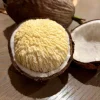
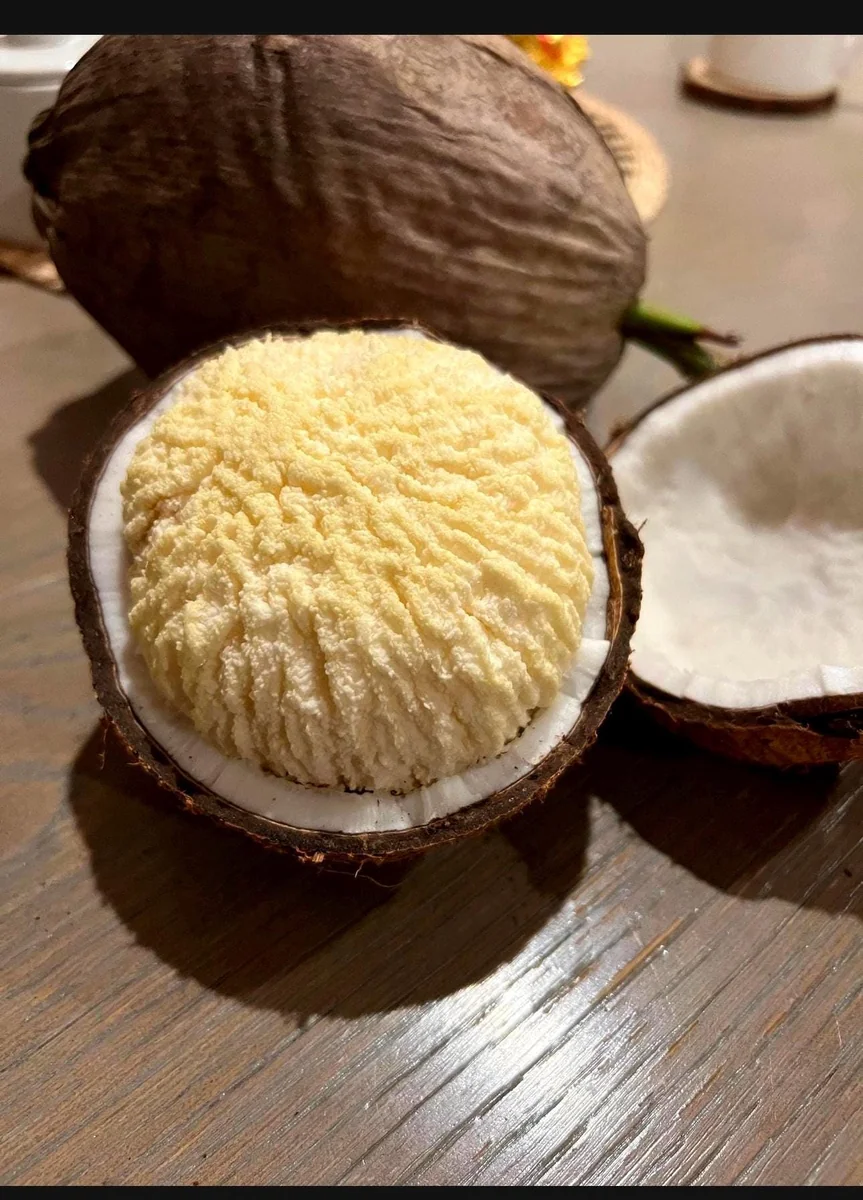
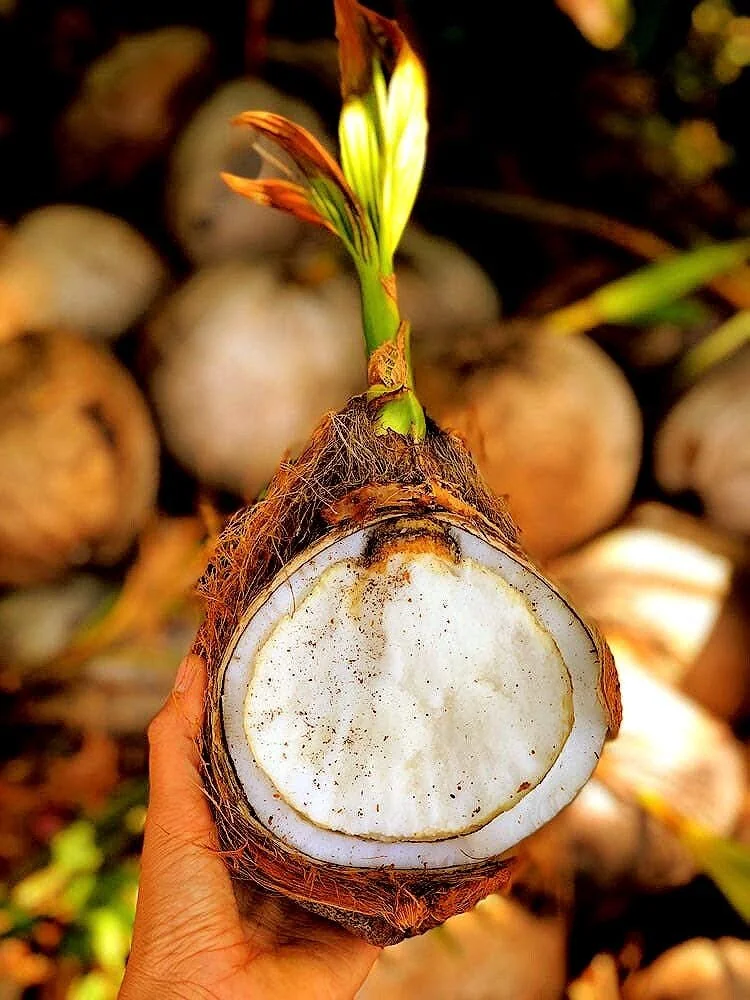
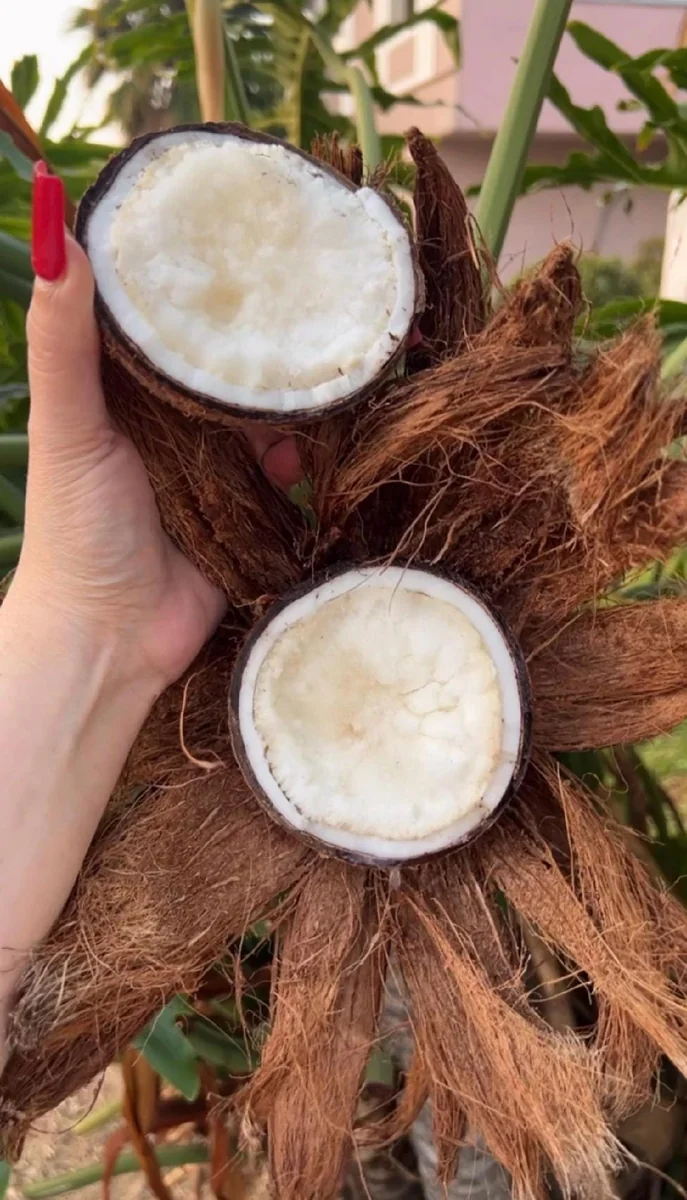
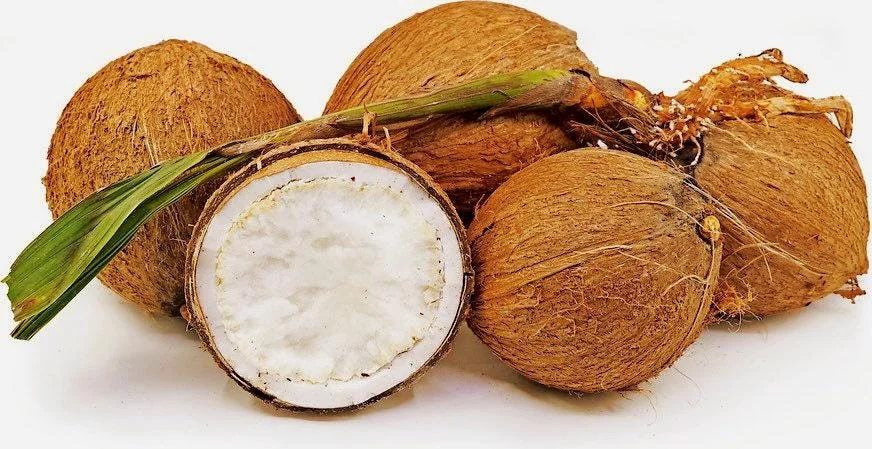
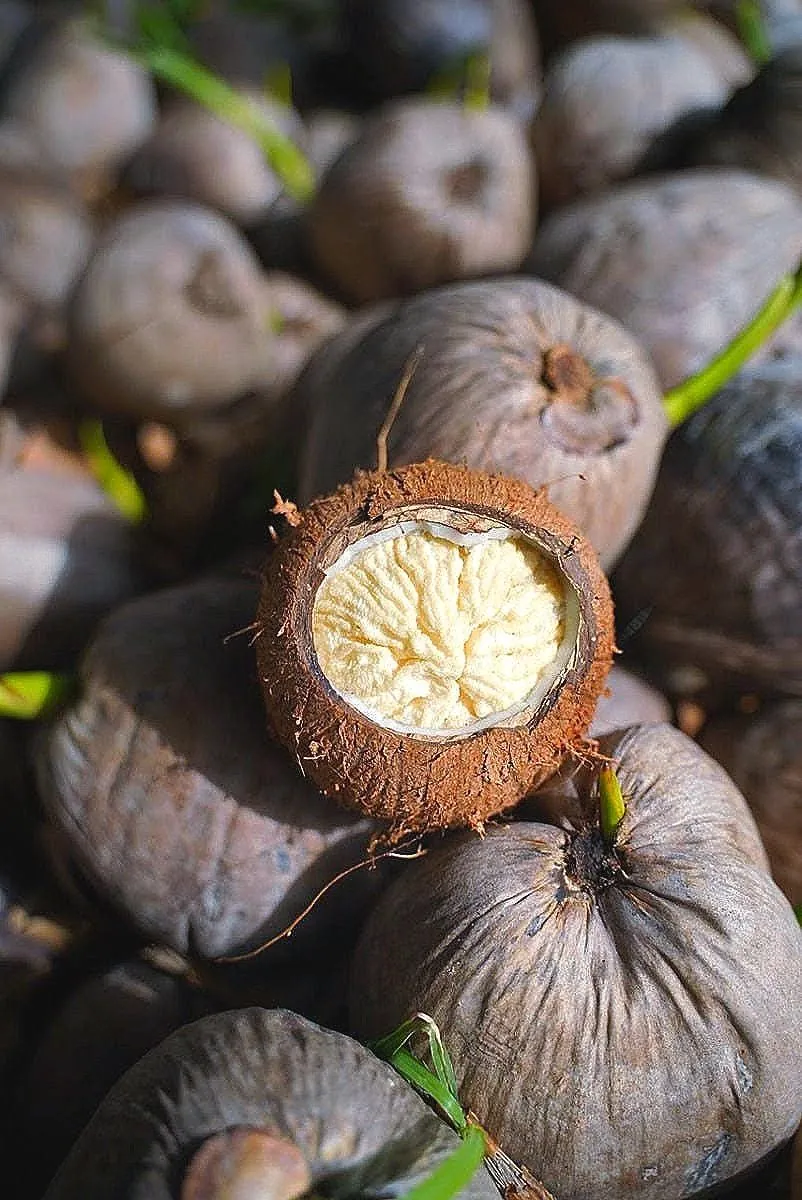
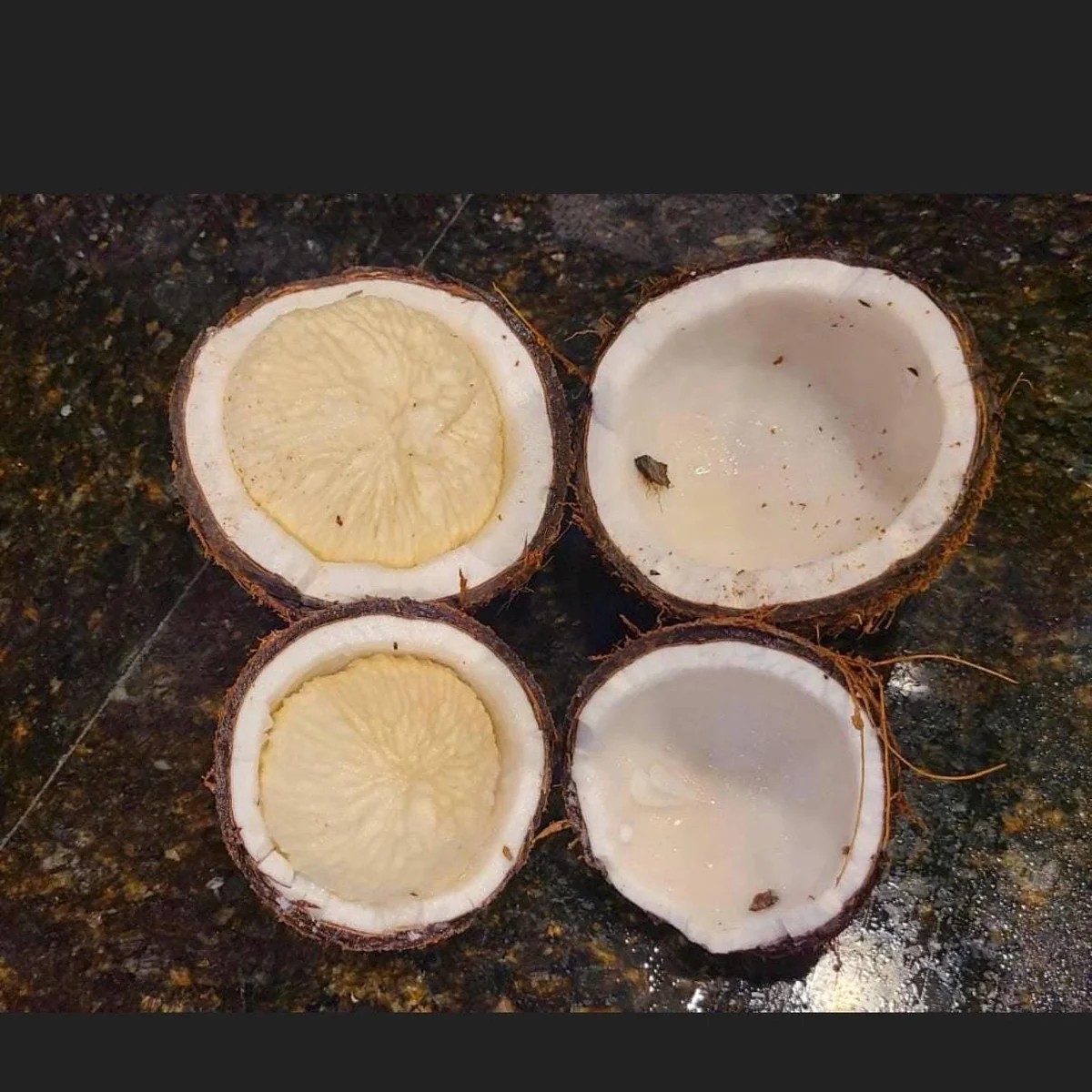
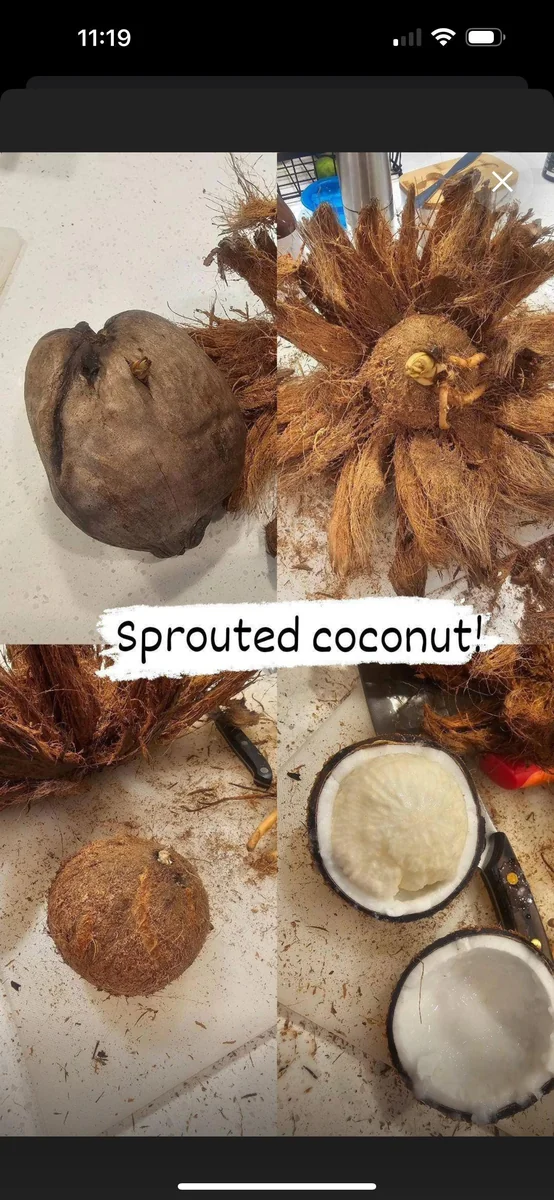
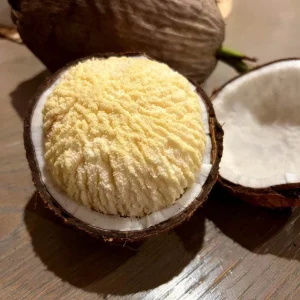
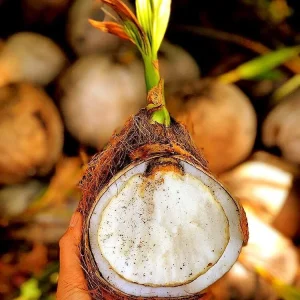
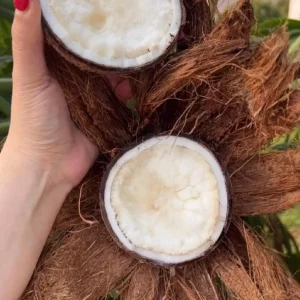
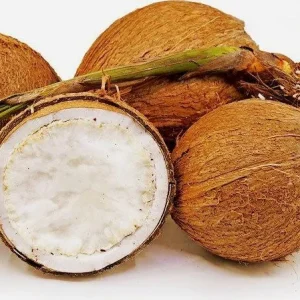
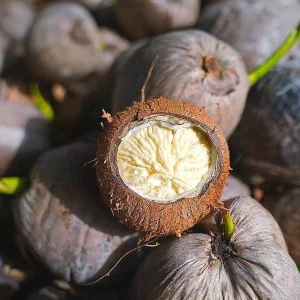
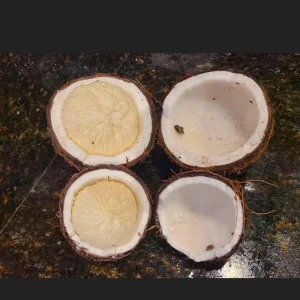
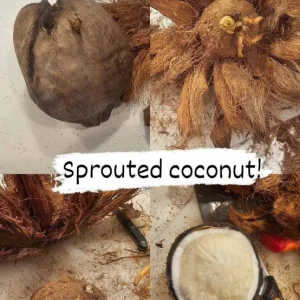
Introducing the extraordinary sprouted coconut fruit, a culinary marvel that captivates with its unique texture and subtly sweet to savory flavor profile. As the coconut germinates and begins its journey to become a young tree, the inner meat transforms into a soft, spongy, and incredibly light mass, reminiscent of cotton candy or sponge cake. This natural process absorbs the coconut water, creating a delightful internal texture that is unlike any other fruit. Each order provides 2 premium sprouted coconuts, sourced from certified Costa Rican growers, ensuring a high-quality and authentic experience. Perfect for adventurous eaters and those seeking novel ingredients, the sprouted coconut fruit offers an intriguing addition to your diet.
The transformation of the coconut during sprouting results in a fascinating culinary experience. The typical coconut water is absorbed, giving way to a fluffy, almost ethereal interior. This makes the cotton candy coconut a truly special delicacy. While its texture is consistently unique, its flavor can vary from mildly sweet to slightly salty, providing a pleasant surprise with every bite. The outer skin of the embryo within the sprouted coconut often holds the most concentrated flavor, adding another layer of complexity to this intriguing fruit.
Key Benefits
Exploring the world of sprouted coconut fruit offers several delightful benefits, from its unique sensory experience to its natural origins. This specialty fruit provides a novel way to enjoy coconut in a completely different form.
- Unique Culinary Experience: The distinct cotton candy or sponge cake-like texture of the sprouted coconut fruit makes it an exciting ingredient for various dishes or a standalone snack. It introduces a playful and unexpected element to your palate.
- Natural & Certified Origin: Sourced from certified Costa Rican farms, these coconuts assure a product grown under quality standards. This commitment to origin helps ensure a premium Costa Rican coconut experience.
- Versatile Flavor Profile: With flavors ranging from subtly sweet to mildly salty, the sprouted coconut fruit can complement both sweet and savory applications. This versatility allows for creative culinary exploration.
- Intriguing Texture: Beyond taste, the primary appeal lies in its soft, spongy, and light texture, offering a unique mouthfeel that stands out from regular coconut meat. It’s a true conversation starter.
- Direct from Nature: As a natural product, the sprouted coconut fruit offers a wholesome and unprocessed food choice. It’s a simple, unadulterated pleasure from the plant world.
- Exploration of New Tastes: For those looking to expand their culinary horizons, this unique fruit provides an excellent opportunity to try something new and exotic. Discover the subtle nuances of this specialty unique fruit.
- Potential for Wellness: While specific benefits are anecdotal, coconuts are generally known for containing electrolytes and beneficial fats. Incorporating this sprouted coconut fruit can be part of a balanced diet.
Plant Care & Growing Tips
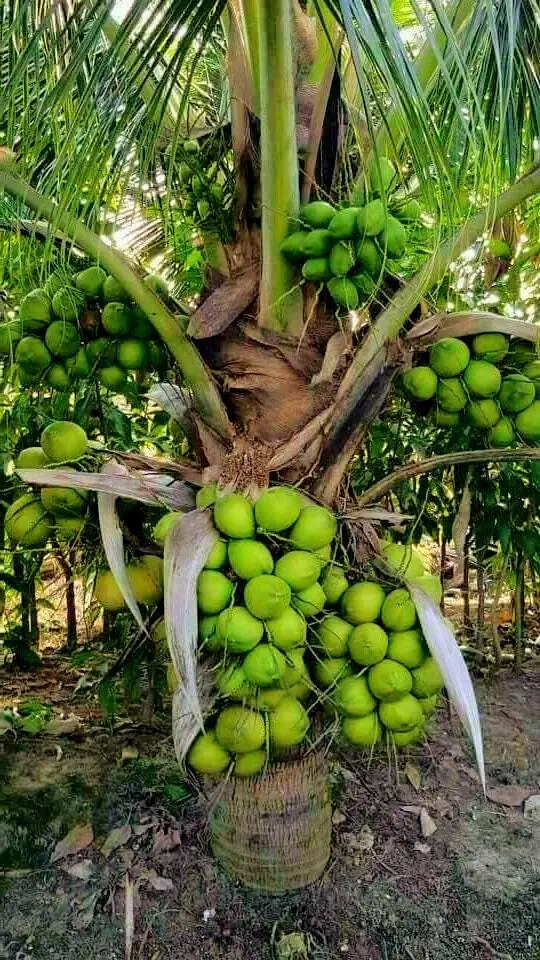
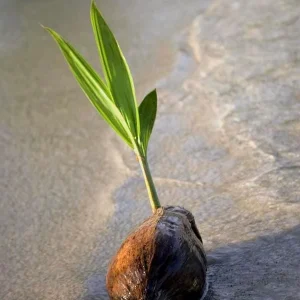
While sprouted coconut fruit is typically enjoyed as a harvested food product rather than a plant to be grown at home, understanding its origins can enhance appreciation. Coconuts require tropical climates to thrive, preferring abundant sunlight and consistent warmth. For a coconut to sprout, it needs to be mature and placed in a warm, humid environment with well-draining soil. The process of sprouting is natural and occurs when the conditions are right for the embryo inside to begin developing into a seedling.
If you were to attempt to grow a coconut palm from a sprouted coconut, it would require a significant commitment to mimic its natural habitat. This includes providing at least 6-8 hours of direct sunlight daily, consistently moist but not waterlogged soil, and temperatures that rarely drop below 60°F (15°C). The soil should be sandy and well-draining, similar to coastal environments. Regular fertilization with a balanced, slow-release fertilizer designed for palms would also be necessary. Protecting the young palm from strong winds and frost is crucial for its survival, making it a challenging but rewarding endeavor for dedicated enthusiasts of this unique fruit.
For most consumers, the enjoyment of sprouted coconut fruit comes from purchasing it ready to eat. The ‘care’ for this product then shifts to proper storage. Store the sprouted coconuts in a cool, dry place away from direct sunlight. Once opened, any unused portions should be refrigerated and consumed within a few days to maintain freshness and prevent spoilage. This ensures you get the most out of your Costa Rican coconut experience.
Size & Details
Each order includes 2 sprouted coconut fruit, carefully selected for quality. These unique coconuts typically range in size, similar to a standard mature coconut, but their internal composition is significantly transformed. The spongy, cotton candy-like texture fills the interior, replacing the liquid and hard meat of an unsprouted coconut. They are certified Costa Rican, ensuring authenticity and a product grown under specific environmental conditions conducive to their unique development. The exact weight and dimensions may vary slightly between individual fruits due to natural growth patterns, but each is chosen to provide a substantial and satisfying culinary experience.
The journey from a mature coconut to a sprouted coconut fruit involves a natural germination process. This transformation leads to the development of the internal ‘sprout’ or ‘coconut apple,’ which is the edible, spongy mass. There is no specific ‘planting period’ for consuming these; they are harvested at an optimal stage of sprouting for their distinctive texture and flavor. Enjoy these as a novel ingredient or a unique snack, appreciating the natural evolution of this unique fruit.
Frequently Asked Questions
- Q: What is the texture of sprouted coconut fruit like? A: The texture of sprouted coconut fruit is often described as similar to cotton candy or sponge cake. It’s soft, spongy, and light, offering a delightful and unique mouthfeel that is distinct from regular coconut meat.
- Q: What does sprouted coconut fruit taste like? A: The flavor of sprouted coconut fruit can vary from mildly sweet to slightly salty. It is generally not overpoweringly sweet, allowing for a versatile culinary application. The outer skin of the embryo usually has the most intense flavor.
- Q: How many sprouted coconuts are included in one order? A: Each order for sprouted coconut fruit includes 2 individual sprouted coconuts, providing ample opportunity to experience this unique delicacy.
- Q: Where do these sprouted coconuts come from? A: These particular sprouted coconut fruit are certified Costa Rican, ensuring they originate from a region known for its quality coconut production and ideal growing conditions.
- Q: Can I grow a coconut tree from this sprouted coconut fruit? A: While these are indeed sprouted, they are intended for consumption. If you wish to grow a coconut tree, it’s best to seek out specifically prepared planting coconuts or seedlings, as these are optimized for eating.
- Q: How should I store the sprouted coconut fruit? A: Unopened sprouted coconut fruit should be stored in a cool, dry place. Once opened, it’s recommended to refrigerate any unused portions and consume them within a few days to maintain freshness.
- Q: Are there any specific health benefits of sprouted coconut fruit? A: While coconuts generally offer some nutritional value, such as electrolytes and healthy fats, specific health benefits of sprouted coconut fruit are not explicitly detailed. It’s primarily enjoyed for its unique flavor and texture.
- Q: Is this a common fruit? A: No, sprouted coconut fruit is considered a specialty or delicacy in many regions. Its unique preparation and transformation make it less common than standard coconuts, offering a truly special culinary find.
- Q: Can the cotton candy coconut be used in recipes? A: Absolutely! The cotton candy coconut can be eaten fresh, added to fruit salads, smoothies, or used as an intriguing garnish for desserts. Its unique texture makes it a creative ingredient for adventurous cooks.
- Q: What makes this a “unique fruit”? A: The transformation of the coconut’s interior from liquid and hard meat into a soft, spongy, cotton candy-like mass during the sprouting process is what makes it a truly unique fruit. This natural change creates an entirely different culinary experience.


Reviews
There are no reviews yet.