Overview
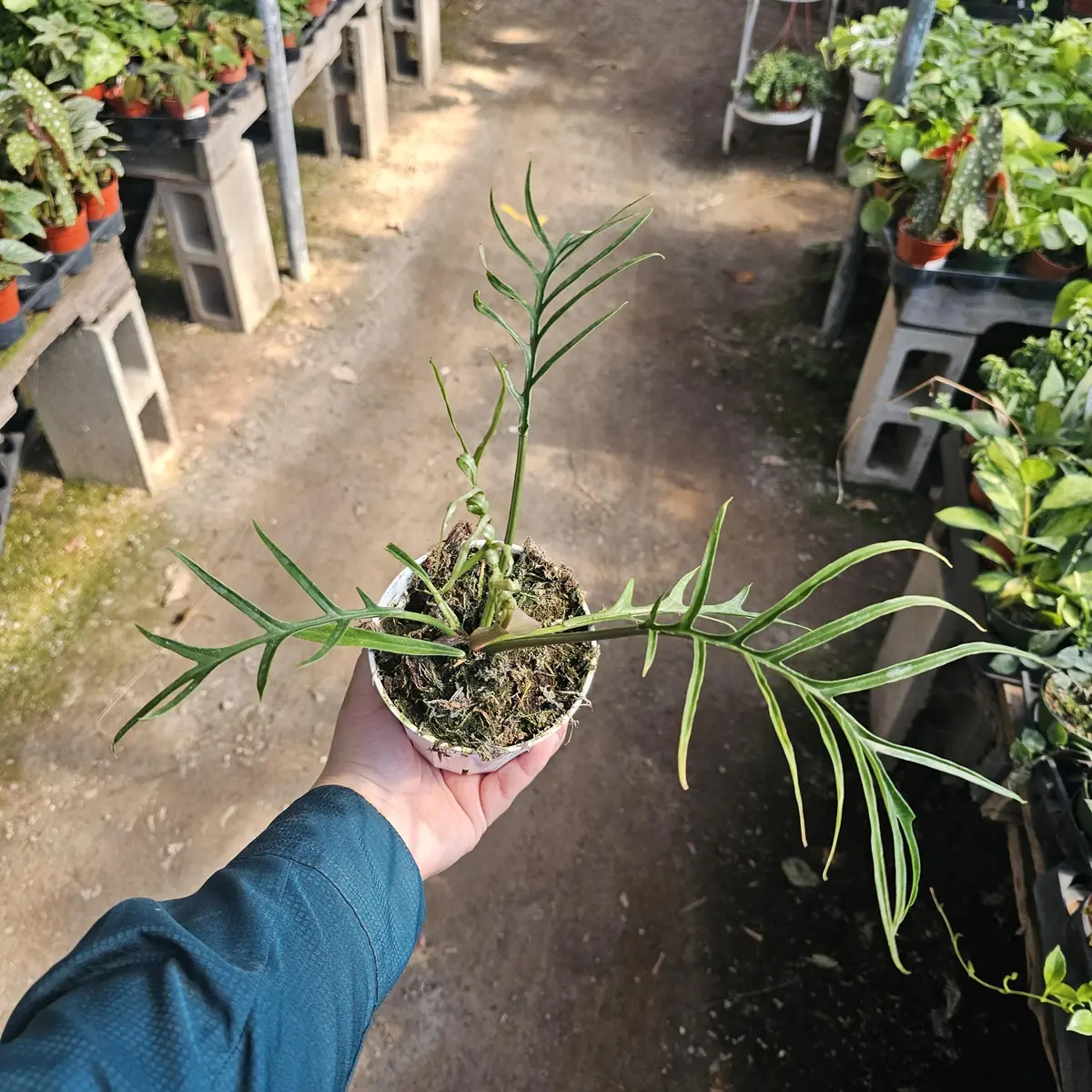
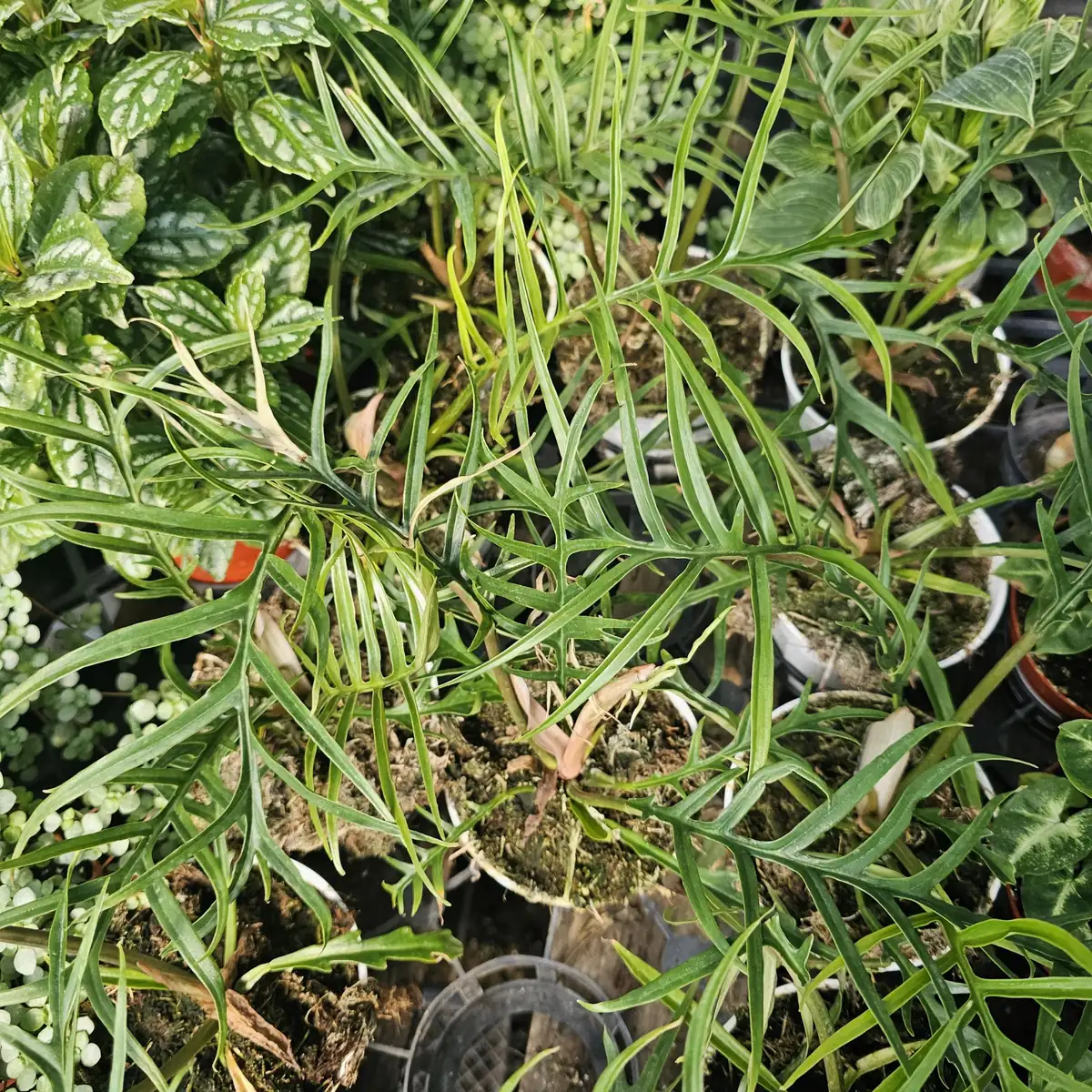
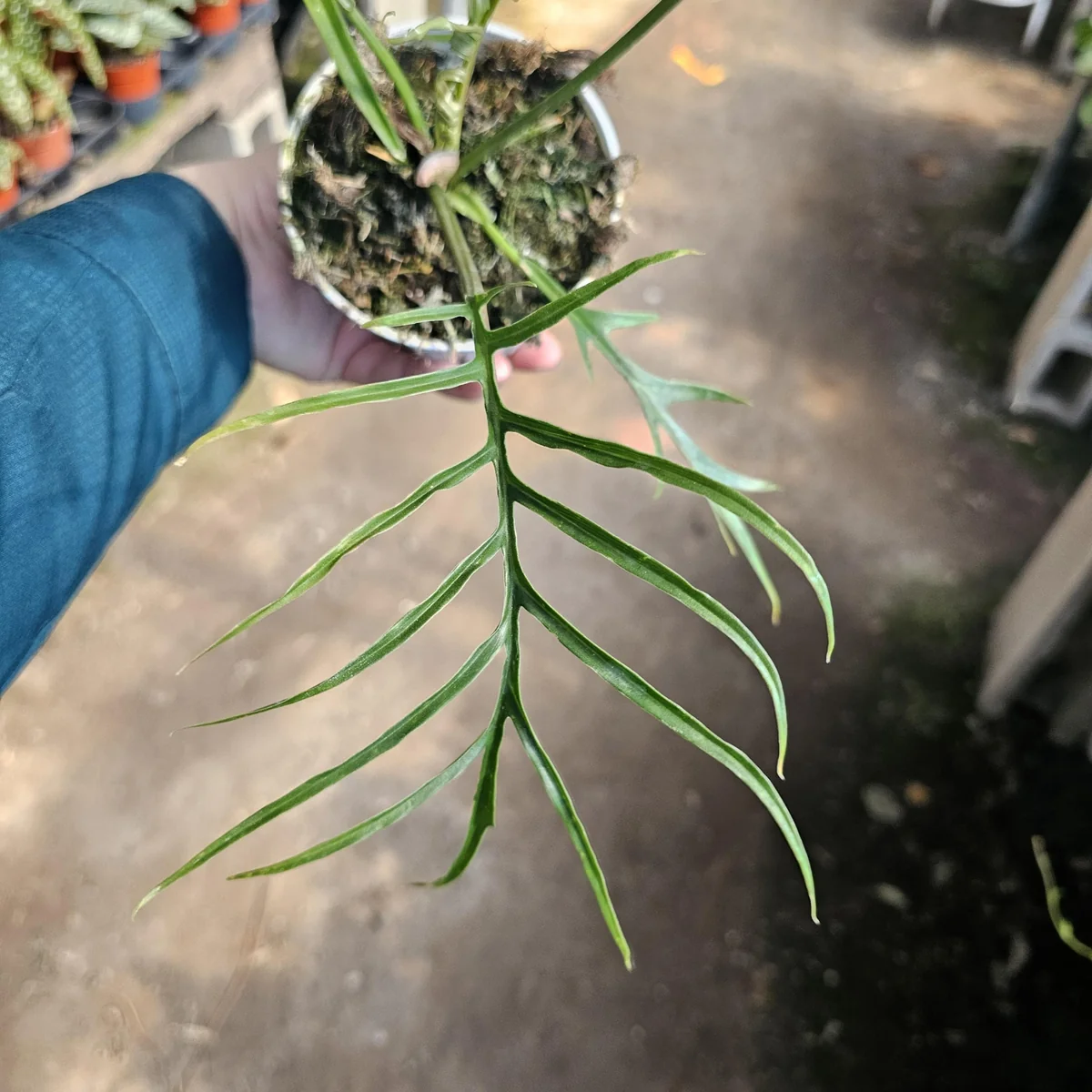
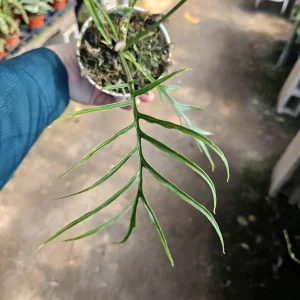
Introduce a touch of the extraordinary to your botanical collection with the Philodendron Tortum live plant. This captivating aroid, celebrated for its distinctive appearance, is a must-have for plant enthusiasts and collectors alike. Known for its deeply dissected leaves that unfurl in a unique, almost spiraling pattern, the Philodendron Tortum creates an intricate, lace-like display that is truly mesmerizing. This live plant arrives healthy and well-rooted in a 4-inch pot, ready to become a focal point in your home or office. Its unusual form and relatively straightforward care make it an excellent conversation starter and a rewarding addition to any indoor garden. The Philodendron Tortum live plant thrives in environments that mimic its tropical origins, bringing a lush, exotic vibe to your living space.
The Philodendron Tortum stands out among other aroids due to its highly fenestrated leaves, which develop deep lobes as the plant matures. This unique morphology gives it a sculptural quality, making it more than just a plant but a living piece of art. As a rare aroid plant, it offers a sense of exclusivity and botanical intrigue that more common houseplants cannot match. Its vibrant green foliage and architectural structure provide a refreshing contrast to traditional decor, making it a versatile plant for various interior design styles. Whether you’re an experienced collector or new to the world of rare plants, the Philodendron Tortum promises to be a stunning and engaging companion.
Key Benefits
The Philodendron Tortum live plant offers numerous benefits, making it an excellent choice for enhancing your indoor environment. Its unique aesthetic appeal and easy-care nature combine to provide a rewarding ownership experience:
- Striking Visual Appeal: The deeply divided, spiraling leaves of the Philodendron Tortum create a stunning, intricate display, adding architectural interest and a tropical flair to any room. This unique Philodendron foliage is truly captivating.
- Rare Collector’s Item: As a rare aroid plant, the Philodendron Tortum is highly sought after by plant enthusiasts, making it a valuable and distinctive addition to any collection.
- Air Purification: Like many Philodendrons, this plant contributes to improved indoor air quality by filtering common airborne toxins, creating a healthier living space.
- Moderately Easy Care: Despite its exotic appearance, the Philodendron Tortum is relatively easy to care for, thriving with consistent indirect light and proper watering. It’s an ideal indoor tropical plant for those looking for something special without excessive demands.
- Adaptable to Indoor Conditions: While it appreciates higher humidity, this Philodendron adapts well to average indoor humidity levels, making it suitable for most homes.
- Versatile Placement: Its compact size in a 4-inch pot makes it perfect for shelves, desks, or as part of a larger plant display, bringing its beauty to various settings.
- Promotes Well-being: Caring for plants like the Philodendron Tortum live plant has been shown to reduce stress and improve overall mental well-being, fostering a calmer and more productive environment.
Plant Care & Growing Tips
Proper care is essential for the health and vibrancy of your Philodendron Tortum live plant. This tropical beauty thrives with consistent attention to its environmental needs. For lighting, provide bright, indirect light. Avoid direct harsh sunlight, which can scorch its delicate leaves. An east-facing window or a few feet back from a south or west-facing window is often ideal. Insufficient light can lead to leggy growth and smaller leaves, diminishing the beauty of its unique Philodendron foliage. The plant can also benefit from supplemental grow lights, especially during darker winter months, to maintain its lush appearance.
When it comes to watering, keep the soil consistently moist but never waterlogged. Allow the top inch or two of soil to dry out between waterings to prevent root rot. Overwatering is a common pitfall for many houseplants, so always check the soil moisture before adding more water. The Philodendron Tortum appreciates higher humidity, reflecting its rainforest origins. You can increase humidity by misting regularly, placing the pot on a pebble tray with water, or using a humidifier. Grouping it with other plants can also create a microclimate with elevated humidity. For soil, use a well-draining aroid mix, typically consisting of peat, perlite, and orchid bark. This mix ensures good aeration and drainage, crucial for the health of its roots. The ideal temperature range for this indoor tropical plant is between 65-80°F (18-27°C). Avoid sudden temperature drops or cold drafts. While not strictly necessary, you can fertilize every 2-4 weeks during the growing season (spring and summer) with a balanced liquid fertilizer diluted to half strength. Reduce or cease fertilization during fall and winter. For specific issues, consult a detailed Philodendron care guide for troubleshooting tips.
Size & Details
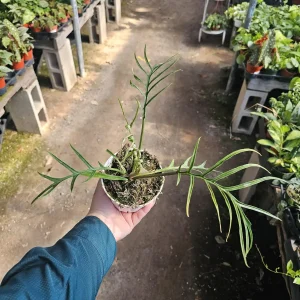
This Philodendron Tortum live plant arrives in a nursery grow pot, typically a 4-inch size, providing a strong foundation for its continued growth. At this stage, the plant usually measures between 6 to 10 inches in height, including the pot. Its growth rate is moderate, and with optimal conditions, it can develop into a substantial specimen, showcasing its full, intricate leaf structure. The deeply divided leaves can reach impressive sizes as the plant matures, creating a stunning visual impact. This plant is shipped as a well-rooted, established plant, ensuring it’s ready to thrive upon arrival in your home. Expect to see new leaves unfurl regularly during its active growing season, each one adding to the plant’s unique charm. The Philodendron Tortum is prized for its mature leaf form, which becomes more pronounced and deeply lobed over time.
Frequently Asked Questions
- Q: How big does this Philodendron Tortum get? A: While this Philodendron Tortum live plant arrives in a 4-inch pot, it can grow to be a substantial plant indoors with mature leaves reaching significant sizes, often 1-2 feet long, depending on growing conditions and support.
- Q: Is this an indoor or outdoor plant? A: The Philodendron Tortum is primarily grown as an indoor tropical plant due to its sensitivity to cold temperatures. It can be placed outdoors in shaded areas during warm summer months in suitable climates.
- Q: How much sunlight does it need? A: This rare aroid plant thrives in bright, indirect light. Direct sunlight can scorch its leaves, while too little light can lead to slower growth and less defined foliage.
- Q: Is this plant easy to care for? A: Yes, despite its unique appearance, the Philodendron Tortum is considered moderately easy to care for. Providing consistent light, water, and humidity will help it flourish, making it a great addition for those following a good Philodendron care guide.
- Q: What condition will it arrive in? A: Your Philodendron Tortum live plant will arrive well-rooted in its nursery pot, carefully packaged to minimize stress during transit and ensure it reaches you in healthy condition.
- Q: What size pot does it come in? A: This plant comes in a standard 4-inch nursery grow pot, which is an ideal size for a young plant to establish itself before needing to be repotted.
- Q: What type of soil is best for this plant? A: A well-draining aroid mix is recommended, typically composed of peat, perlite, and orchid bark, to ensure proper aeration and prevent root rot for this rare aroid plant.
- Q: Does it have unique Philodendron foliage? A: Absolutely! The Philodendron Tortum is renowned for its highly fenestrated, deeply divided leaves that create a distinct, lacy, and almost spiraling appearance, truly showcasing unique Philodendron foliage.
- Q: What is the best humidity for Philodendron Tortum? A: This plant prefers higher humidity, ideally above 60%. You can achieve this with regular misting, a pebble tray, or a humidifier, which contributes to its health as an indoor tropical plant.
- Q: When is the best time to repot this plant? A: Repotting is best done in the spring or early summer when the plant is actively growing, typically when it becomes root-bound in its current 4-inch pot.


Reviews
There are no reviews yet.