Overview
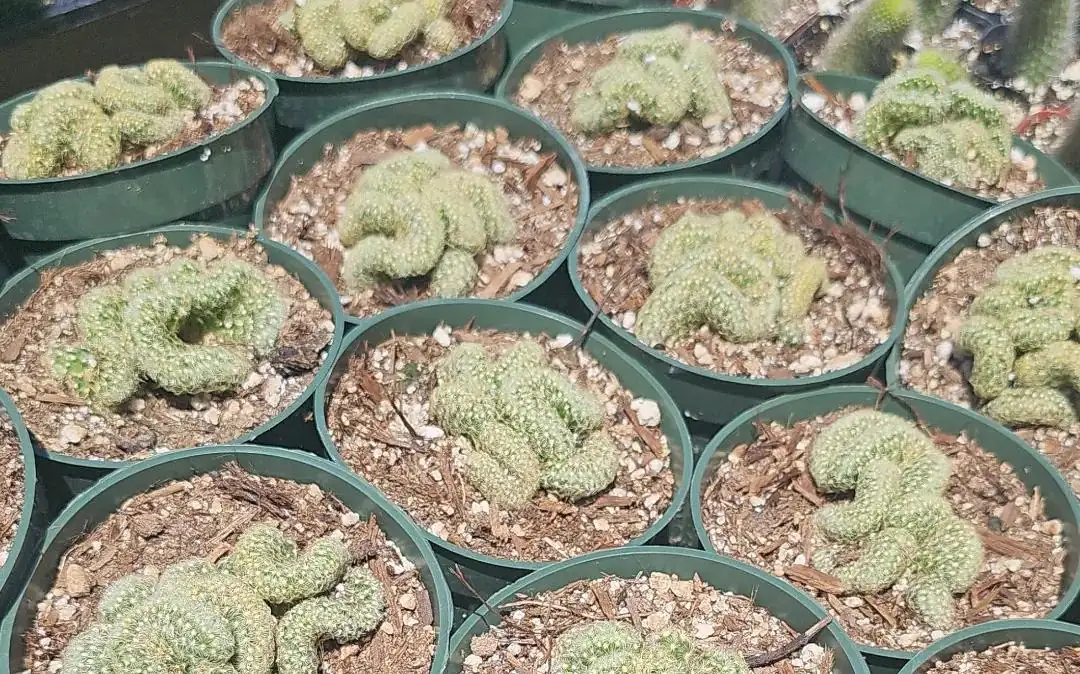
Elevate your botanical display with the extraordinary brain cactus live plant, scientifically known as Mammillaria Elongata ‘Cristata’. This captivating succulent is celebrated for its unique, undulating growth patterns that remarkably resemble the intricate folds of a brain, hence its common name. Each specimen is a natural work of art, featuring a crested form that makes it a true conversation piece. Perfect for collectors and enthusiasts, this rare cactus for sale brings an element of sculptural beauty to any indoor plant collection. The Mammillaria Elongata ‘Cristata’ is a fascinating mutation of the common Mammillaria Elongata, offering a distinct aesthetic that is both intriguing and beautiful. Its compact size and unusual shape make it an ideal choice for windowsills, desks, or as part of a succulent arrangement.
This particular mammillaria elongata cristata is a live plant, delivered ready to thrive in its new environment. Its resilience and striking appearance ensure it will be a focal point wherever it’s placed. Experience the joy of nurturing a plant that offers both visual appeal and a story to tell, reflecting the wonders of nature’s variations.
Key Benefits
The brain cactus live plant offers a multitude of benefits, making it a highly desirable addition to any home or office. Its unique characteristics contribute to its appeal as both a decorative piece and a low-maintenance companion.
- Unique Aesthetic Appeal: The distinctive crested, brain-like growth pattern is a natural mutation that ensures each mammillaria elongata cristata is one-of-a-kind, providing unparalleled visual interest.
- Low Maintenance: This is an easy care succulent, making it ideal for beginners, busy individuals, or anyone looking for a beautiful plant that doesn’t demand constant attention.
- Drought Tolerant: As a succulent, the Brain Cactus requires minimal watering, perfectly suited for those who appreciate low-maintenance gardening and water-wise plant choices.
- Conversation Starter: Its unusual and captivating appearance is guaranteed to spark curiosity and conversation among guests, making it a standout feature in any setting.
- Compact Size: The typically small size of this cactus makes it suitable for various spaces, including small apartments, office desks, or as part of a larger succulent display.
- Air Purification: Like many houseplants, the brain cactus live plant contributes to improved indoor air quality by absorbing toxins and releasing oxygen.
- Collector’s Item: Due to its rare and unique crested form, it’s a prized possession for succulent and cactus collectors seeking something out of the ordinary.
Plant Care & Growing Tips
Caring for your brain cactus live plant is straightforward, making it an excellent choice for both novice and experienced plant parents. Understanding its basic needs will ensure healthy and vibrant growth for your mammillaria elongata cristata. Proper care contributes to its unique development and longevity.
Light Requirements
Your Brain Cactus thrives in bright, indirect light. While it can tolerate some direct sunlight, too much intense sun, especially during the hottest parts of the day, can lead to sunburn or discoloration. An east-facing window is often ideal, providing morning sun without the harsh afternoon rays. If placed outdoors, ensure it receives partial shade during peak sun hours.
Watering Schedule
As an easy care succulent, the Brain Cactus is drought tolerant. The most important rule is to allow the soil to dry out completely between waterings. Water sparingly, about once every 2-3 weeks during the growing season (spring and summer). Reduce watering significantly in the winter months, perhaps once a month or less, as the plant enters dormancy. Overwatering is the most common cause of cactus demise, leading to root rot. When you do water, water thoroughly until it drains from the bottom, then let it dry out completely again.
Soil Type & Drainage
Use a well-draining cactus or succulent soil mix. This type of soil ensures excellent aeration and prevents water from sitting around the roots, which is crucial for cactus health. You can also create your own mix by combining potting soil with perlite, pumice, or coarse sand at a 1:1 ratio to improve drainage. A pot with drainage holes is absolutely essential.
Temperature & Humidity
This cactus thrives in temperatures between 60-80°F (15-27°C). It’s important to protect it from frost and extreme heat. If temperatures drop below 50°F (10°C), bring it indoors. Low humidity is preferred, mimicking its natural arid environment. Ensure good air circulation around the plant to prevent fungal issues, especially after watering.
Fertilization
Feed your brain cactus live plant with a diluted cactus fertilizer once a month during its growing season (spring and summer). Avoid fertilizing in the winter when the plant is dormant. Too much fertilizer can harm the plant, so always dilute to half strength or less.
Size & Details
This brain cactus live plant is typically shipped in a 4-inch nursery pot, providing a good foundation for growth. The unique crested growth patterns mean that each plant’s exact dimensions will vary, but they generally remain a compact size, making them suitable for small spaces. The ‘Cristata’ form means it will grow as a convoluted, brain-like mass rather than a typical columnar or globular cactus. While its growth rate is relatively slow, its distinctive appearance develops over time, becoming more intricate with age. Expect a mature plant to reach several inches in diameter, depending on growing conditions and pot size. This rare cactus for sale is a long-term companion for any plant lover.
The plant is shipped as a live, potted specimen, ensuring minimal stress during transit and ease of transplanting if desired. With proper crested cactus care, your plant will continue to develop its fascinating form for many years.
Frequently Asked Questions
- Q: How big does this plant get? A: The brain cactus live plant is a slow grower and generally remains compact. While its exact dimensions vary due to its unique crested nature, it typically reaches several inches in diameter, making it suitable for small pots and arrangements.
- Q: Is this an indoor or outdoor plant? A: This Mammillaria Elongata ‘Cristata’ is primarily an indoor plant in most climates, especially where temperatures drop below 50°F (10°C). It can be grown outdoors in warmer, arid climates (USDA zones 9-11) as long as it’s protected from excessive rain and prolonged direct sun.
- Q: How much sunlight does it need? A: The mammillaria elongata cristata prefers bright, indirect light. It can tolerate some morning direct sun but should be shielded from harsh afternoon sun to prevent sunburn.
- Q: Is this plant easy to care for? A: Yes, it is considered an easy care succulent. Its drought tolerance and minimal watering needs make it perfect for beginners or those with busy schedules.
- Q: What condition will it arrive in? A: Your rare cactus for sale will arrive as a healthy, live plant in its nursery pot, carefully packaged to minimize stress during shipping. It will be ready to be placed in your chosen location or repotted.
- Q: What’s the best soil for this cactus? A: A well-draining cactus or succulent soil mix is essential. This ensures proper aeration and prevents waterlogging, which is critical for the health of your brain cactus live plant.
- Q: How often should I water my Brain Cactus? A: Water only when the soil has completely dried out, typically every 2-3 weeks during the growing season. Reduce watering significantly in winter. This crested cactus care tip is crucial for preventing root rot.
- Q: Is the Brain Cactus pet-safe? A: While cacti generally aren’t considered toxic, the spines can be irritating or cause injury to pets. It’s best to keep this plant out of reach of curious animals.
- Q: When is the best time to repot this cactus? A: The best time to repot your mammillaria elongata cristata is during its active growing season in spring or early summer, allowing it to recover quickly.
- Q: What are the ideal temperatures for this plant? A: It thrives in temperatures between 60-80°F (15-27°C). Protect it from temperatures below 50°F (10°C) and extreme heat.


Reviews
There are no reviews yet.