Overview
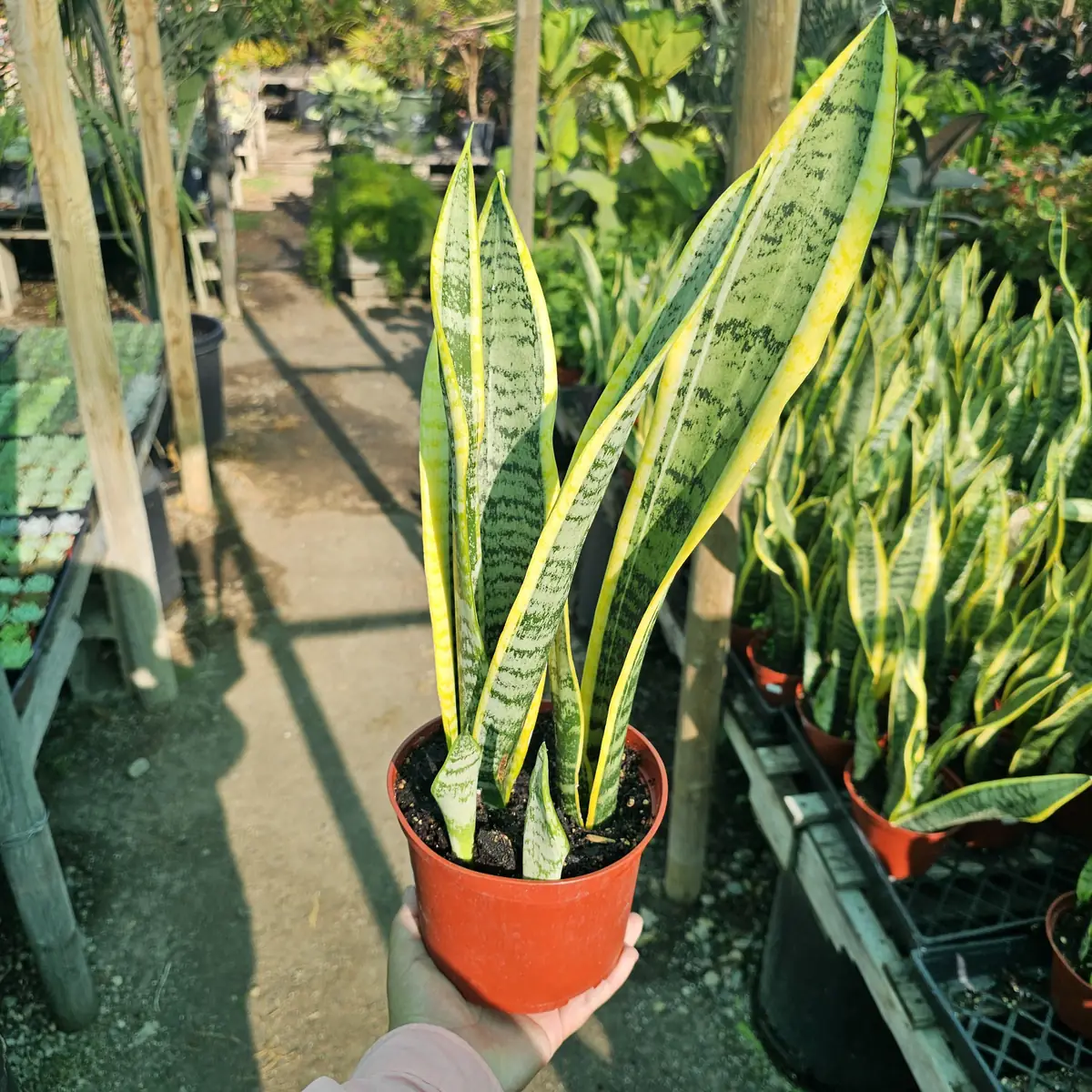
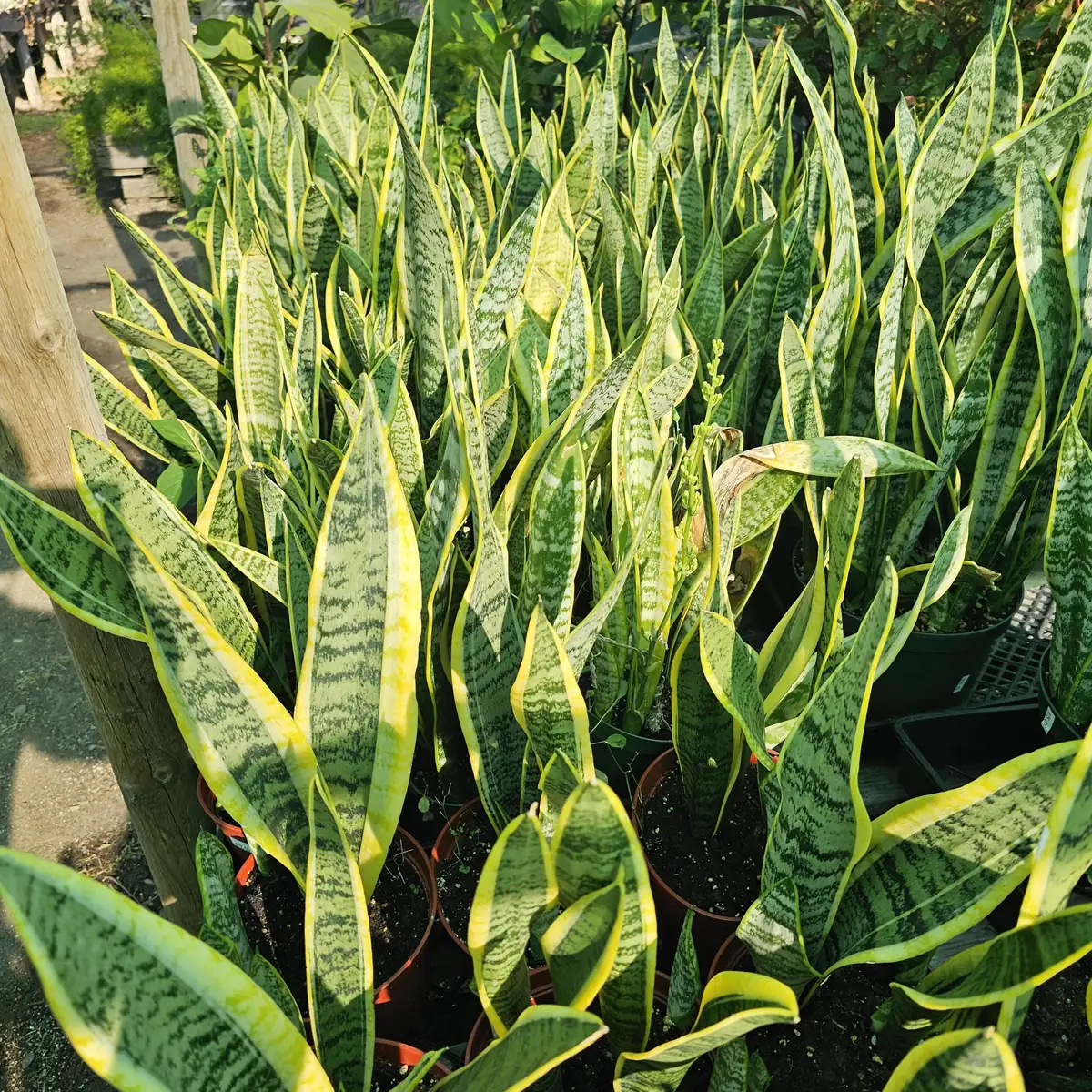
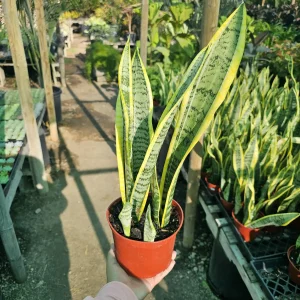
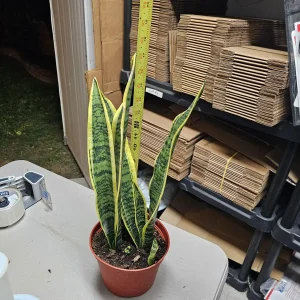
Introducing the stunning snake plant live plant, a fantastic addition to any indoor environment. This particular variety, often known as sansevieria yellow, features beautiful variegated leaves with bright yellow margins and deep green centers. Sansevieria trifasciata, commonly called the Snake Plant or Mother-in-Law’s Tongue, is renowned for its architectural form and incredibly low maintenance requirements. As a natural air purifying houseplant, it excels at filtering toxins from the air, contributing to a healthier living space. Whether you’re a seasoned plant enthusiast or just starting your green journey, this resilient plant is an excellent choice, providing beauty and benefits with minimal fuss.
Our snake plant live plant comes ready for display, carefully grown to ensure a robust and healthy specimen. Its upright, sword-like leaves create a modern aesthetic that complements various decor styles, from minimalist to bohemian. This plant is not just a decorative item; it’s a living piece of art that actively improves your indoor air quality, making it a thoughtful and practical investment for your home or office.
Key Benefits
Beyond its striking appearance, the snake plant live plant offers a wealth of advantages for both your home and well-being. Its robust nature makes it an ideal plant for almost anyone, and its health benefits are widely recognized. Here are some of the key benefits of owning this magnificent plant:
- Exceptional Air Purification: The sansevieria yellow is celebrated for its ability to remove harmful toxins such as formaldehyde, benzene, xylene, and trichloroethylene from the air, acting as a natural air filter and promoting a cleaner breathing environment, especially during the night when it converts CO2 to oxygen.
- Low Maintenance & Drought Tolerant: This plant is incredibly forgiving and perfect for busy individuals or those new to plant care. It thrives on neglect, requiring infrequent watering and tolerating a wide range of light conditions, making snake plant indoor care remarkably easy.
- Striking Aesthetic Appeal: With its tall, upright, sword-shaped leaves and vibrant yellow-green variegation, the snake plant live plant adds a modern, architectural element to any interior design scheme. It’s a statement piece that enhances the visual appeal of your home or office.
- Adaptable to Various Light Conditions: While it prefers bright, indirect light, the snake plant can tolerate low light conditions, making it versatile for placement in almost any room, from bright windowsills to dimly lit corners.
- Improved Sleep Quality: Unlike most plants that respire at night, the snake plant continues to produce oxygen, helping to improve air quality in bedrooms and potentially contributing to better sleep.
- Pest Resistant: Generally, snake plants are quite resistant to common houseplant pests, further reducing the effort required for their care and ensuring a healthier plant.
- Long-Lived & Resilient: With proper, albeit minimal, care, a snake plant live plant can thrive for many years, becoming a long-term companion in your indoor garden. The sansevieria trifasciata is known for its hardiness.
Plant Care & Growing Tips
Caring for your snake plant live plant is refreshingly simple, making it one of the most popular choices for both novice and experienced plant parents. To ensure your sansevieria yellow thrives, follow these straightforward guidelines.
Sunlight: The snake plant is highly adaptable to various light conditions, but it truly flourishes in bright, indirect light. Place it near a window where it receives plenty of ambient light but is shielded from harsh, direct sun, which can scorch its leaves. It can tolerate low light, but growth may slow significantly, and the vibrant yellow variegation might become less pronounced. Conversely, too much direct sun can bleach the leaves. For optimal color and growth, aim for a spot with bright, filtered light for several hours a day.
Watering: This is where most snake plant issues arise; overwatering is the primary killer. Allow the soil to dry out completely between waterings. During the growing season (spring and summer), water thoroughly until water drains from the bottom, then wait until the top two inches of soil are dry before watering again. In fall and winter, reduce watering significantly, perhaps once every 3-4 weeks, or even less, depending on your home’s humidity. Always err on the side of underwatering rather than overwatering. Good drainage is crucial.
Soil: A well-draining potting mix is essential for your snake plant live plant. A standard succulent or cactus mix works perfectly. You can also create your own by mixing regular potting soil with perlite or coarse sand to improve drainage. This prevents water from sitting around the roots, which can lead to rot.
Temperature & Humidity: Snake plants prefer warm temperatures, ideally between 65-80°F (18-27°C). They are not tolerant of cold and should be protected from temperatures below 50°F (10°C). Normal household humidity levels are perfectly adequate; they do not require extra humidity and can even tolerate dry air. This makes them ideal for most indoor environments. The snake plant indoor care requirements are very forgiving in this regard. This plant is typically grown indoors and does not have a specific USDA hardiness zone for outdoor cultivation in most US climates.
Fertilization: Fertilize sparingly. During the spring and summer growing season, you can feed your snake plant once a month with a balanced liquid houseplant fertilizer diluted to half strength. Avoid fertilizing in the fall and winter when the plant’s growth slows down. Over-fertilizing can harm the plant.
Common Problems: The most common issue is root rot due to overwatering. Signs include mushy, yellowing leaves. If this occurs, repot the plant in fresh, dry soil after trimming away any rotten roots. Pests are rare, but occasionally mealybugs or spider mites might appear. Treat with neem oil or insecticidal soap if necessary. Ensure good air circulation to prevent fungal issues.
Size & Details
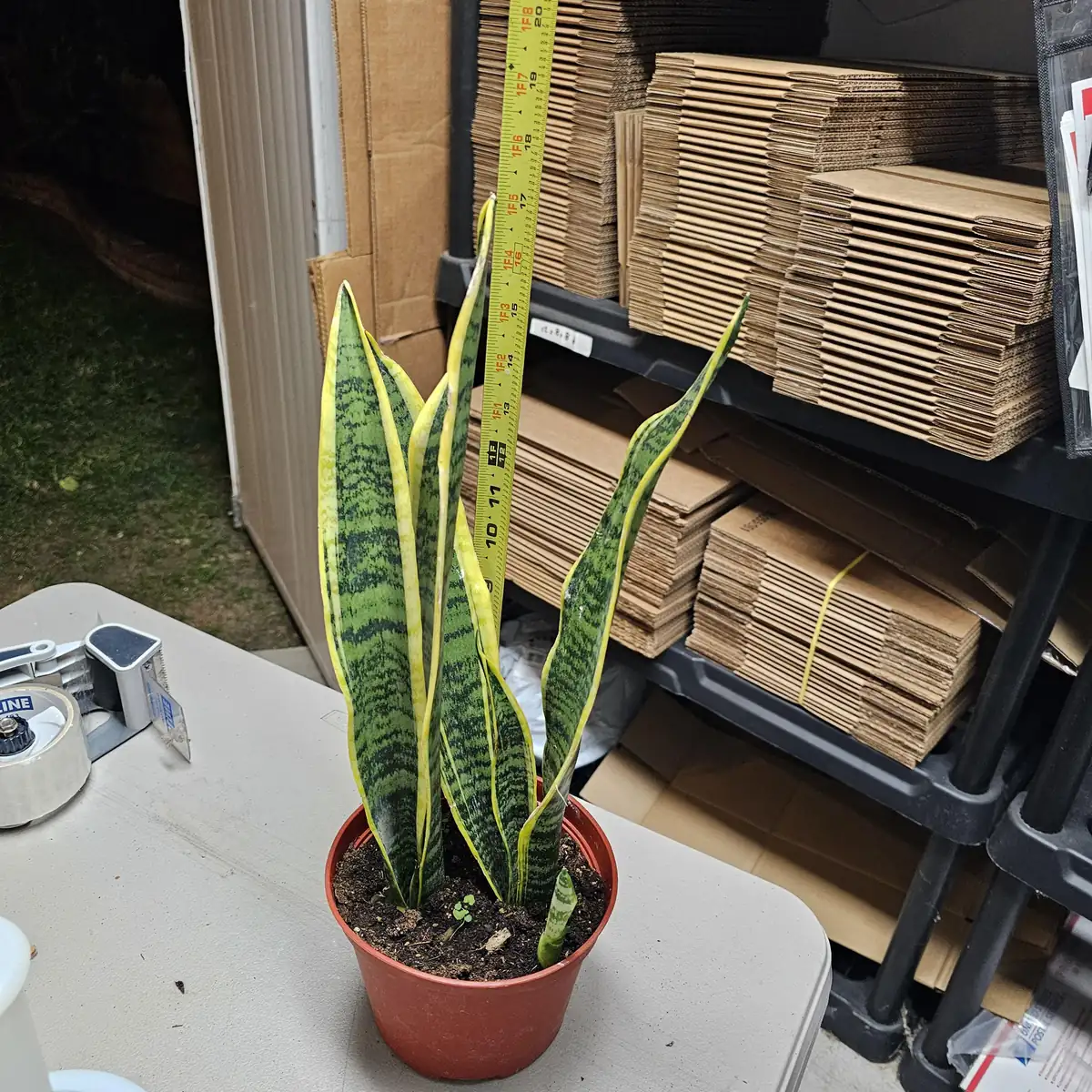
Your snake plant live plant will arrive in a 6-inch nursery pot, providing a well-established root system ready for its new home. Typically, these plants stand about 12-18 inches tall from the base of the pot to the tip of the tallest leaf, though individual plant sizes may vary slightly. The sansevieria yellow variety showcases its vibrant yellow margins beautifully at this size. It’s a relatively slow to moderate grower, gradually reaching heights of 2-3 feet indoors over several years with optimal conditions. This size is ideal for placement on desks, shelves, or as a floor accent in smaller spaces. The plant is shipped as a fully rooted specimen, ensuring a smooth transition to your environment. Expect it to settle in and begin new growth within a few weeks of arrival.
Frequently Asked Questions
- Q: How big does this plant get? A: This snake plant live plant typically arrives in a 6-inch pot and is usually 12-18 inches tall. With proper care, it can grow to an indoor height of 2-3 feet over several years, making it a substantial and elegant houseplant.
- Q: Is this an indoor or outdoor plant? A: The sansevieria yellow is primarily an indoor houseplant in most climates. It thrives in typical indoor temperatures and humidity. While it can be placed outdoors in warm, frost-free climates (USDA zones 9-11), it must be brought inside if temperatures drop below 50°F (10°C).
- Q: How much sunlight does it need? A: This air purifying houseplant prefers bright, indirect light for optimal growth and color. However, it is very tolerant and can survive in low light conditions, making it versatile for various spots in your home. Avoid harsh, direct sunlight.
- Q: Is this plant easy to care for? A: Yes, the snake plant live plant is renowned for being one of the easiest houseplants to care for. It’s highly drought-tolerant and forgiving of neglect, making it an excellent choice for beginners or those with busy schedules.
- Q: What size pot does it come in? A: Your snake plant live plant will be delivered in a standard 6-inch diameter nursery pot, providing ample space for its current root system and initial growth.
- Q: How often should I water my snake plant? A: Water sparingly. Allow the soil to dry out completely between waterings. Typically, this means once every 2-4 weeks during the growing season and even less frequently in winter. Overwatering is the biggest risk for this plant.
- Q: Is the sansevieria trifasciata pet-safe? A: No, the snake plant is considered mildly toxic if ingested by pets or humans. It can cause minor stomach upset. It’s best to keep it out of reach of curious pets and children.
- Q: What kind of soil is best for a snake plant? A: A well-draining potting mix is crucial. A succulent or cactus blend is ideal, or you can amend regular potting soil with perlite or coarse sand to improve drainage and prevent root rot.
- Q: Will my snake plant live plant purify the air? A: Absolutely! Snake plants are well-known for their air-purifying qualities, effectively removing common household toxins like formaldehyde, benzene, and xylene, contributing to a healthier indoor environment.
- Q: How do I know when to repot my snake plant? A: Repot your snake plant live plant when it becomes root-bound, meaning roots are growing out of the drainage holes or the pot is bulging. This typically happens every 2-3 years. Choose a pot only one size larger than the current one.


Reviews
There are no reviews yet.