Overview
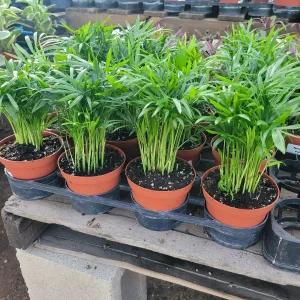
Introduce a touch of timeless elegance to your indoor spaces with the exquisite parlor palm live plant. Scientifically known as Chamaedorea elegans, and often affectionately called the Neanthe Bella Palm, this charming houseplant is a favorite among plant enthusiasts and beginners alike. Its delicate, feathery fronds bring a lush, tropical feel to any room, making it an ideal choice for desks, shelves, or as a floor accent. Originating from the rainforests of Mexico and Central America, the parlor palm live plant thrives in environments with indirect light and consistent moisture, mimicking its natural habitat. This versatile plant is renowned for its air-purifying qualities, contributing to a healthier and more vibrant living or working environment. Its compact growth habit ensures it remains manageable, even in smaller spaces, making it a perfect addition to apartments, offices, or cozy corners. Whether you’re a seasoned plant parent or just starting your green journey, the Chamaedorea elegans offers beauty with relatively low maintenance, making it a truly rewarding addition to your collection.
Key Benefits
The parlor palm live plant offers a multitude of benefits beyond its stunning aesthetics, making it a highly desirable indoor companion. Its graceful form and vibrant green foliage can transform any dull corner into a lively oasis. This indoor palm plant is not only visually appealing but also contributes positively to your home environment.
- Air Purification: The Chamaedorea elegans is well-known for its ability to filter indoor air, removing common toxins and improving overall air quality. This natural air purifier helps create a fresher, healthier atmosphere in your home or office.
- Low Maintenance: Perfect for busy individuals or novice gardeners, the parlor palm live plant is remarkably forgiving. It tolerates a range of indoor conditions and doesn’t demand constant attention, making it an excellent, easy-care choice.
- Adaptable to Low Light: Unlike many houseplants, the Neanthe Bella Palm thrives in low to medium indirect light, making it suitable for rooms that don’t receive abundant natural sunlight. This adaptability broadens its placement options significantly.
- Pet-Friendly: For households with pets, the parlor palm live plant is a safe and non-toxic option, providing peace of mind while adding natural beauty to your space.
- Enhances Aesthetics: With its elegant, arching fronds and compact size, this palm adds a sophisticated and serene touch to any interior decor, complementing both modern and traditional styles.
- Stress Reduction: Studies suggest that having plants indoors can help reduce stress and improve mood. The calming presence of a Chamaedorea elegans can contribute to a more relaxed and peaceful living environment.
- Compact Growth: The parlor palm typically maintains a manageable size, making it ideal for tabletops, shelves, or as a subtle floor plant without overwhelming the space.
Plant Care & Growing Tips
Caring for your parlor palm live plant is straightforward, ensuring it remains a vibrant and healthy addition to your home for years to come. This resilient indoor palm plant thrives when its basic needs are met consistently. For optimal growth, provide your Chamaedorea elegans with bright, indirect light. Direct sunlight can scorch its delicate fronds, leading to browning. An east-facing window or a spot several feet away from a south or west-facing window is usually ideal. If natural light is limited, a grow light can supplement its needs.
Watering is crucial for the health of your parlor palm live plant. Allow the top inch or two of soil to dry out between waterings. Overwatering is a common mistake and can lead to root rot. Ensure your pot has drainage holes to prevent waterlogging. During winter months, reduce watering frequency as the plant’s growth slows. The neanthe bella palm prefers a well-draining potting mix that retains some moisture. A good quality indoor potting mix blended with perlite or orchid bark works well. Maintain consistent room temperatures, ideally between 65-80°F (18-27°C), and avoid sudden temperature drops or cold drafts. While it tolerates average household humidity, higher humidity levels are appreciated, especially in drier climates. Consider misting regularly or placing the pot on a pebble tray with water. Fertilize sparingly during the growing season (spring and summer) with a balanced liquid fertilizer diluted to half strength. Yellowing fronds can indicate overwatering or nutrient deficiency, while brown tips often point to low humidity or inconsistent watering. Regular inspection for pests like spider mites or mealybugs will help keep your parlor palm care routine effective.
Size & Details
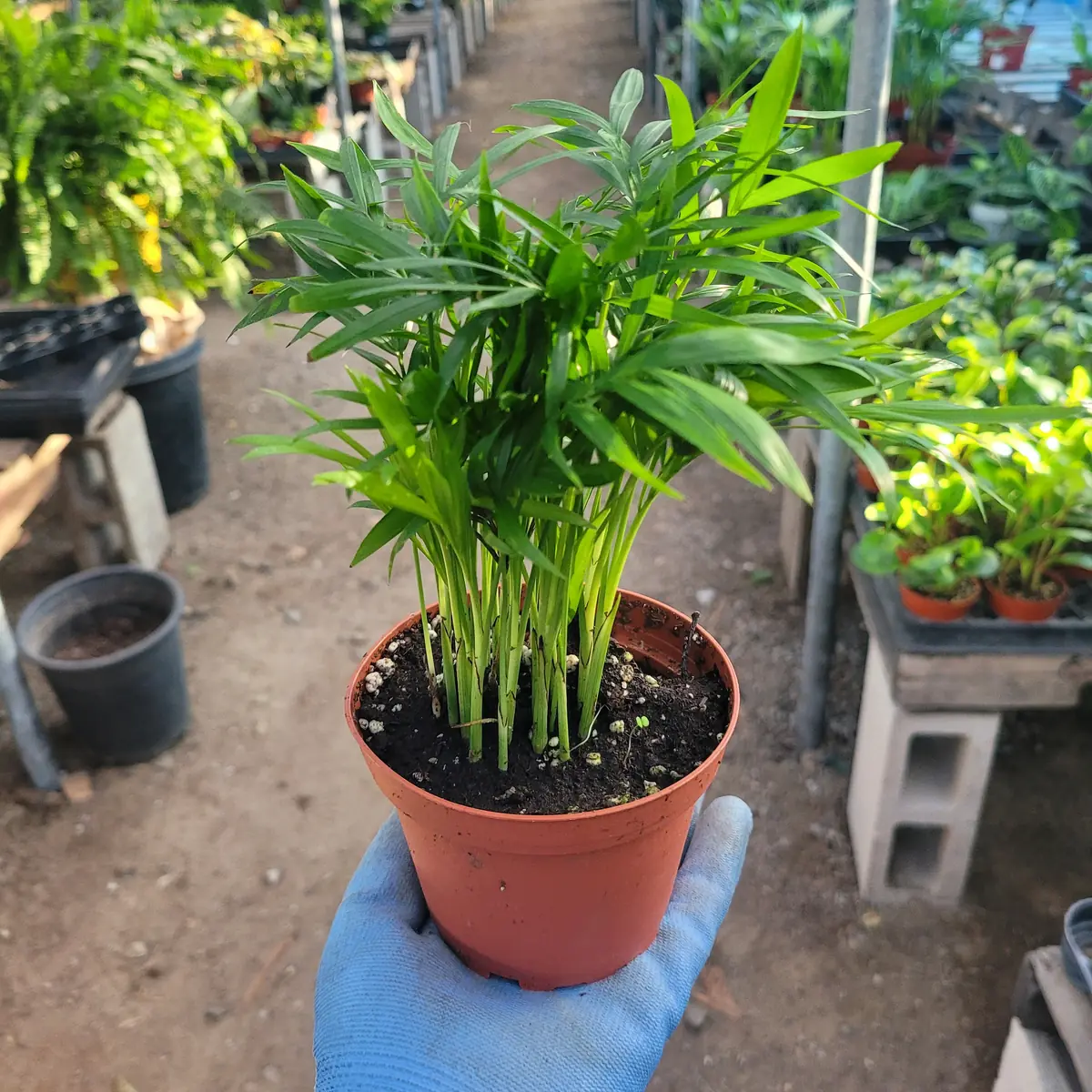
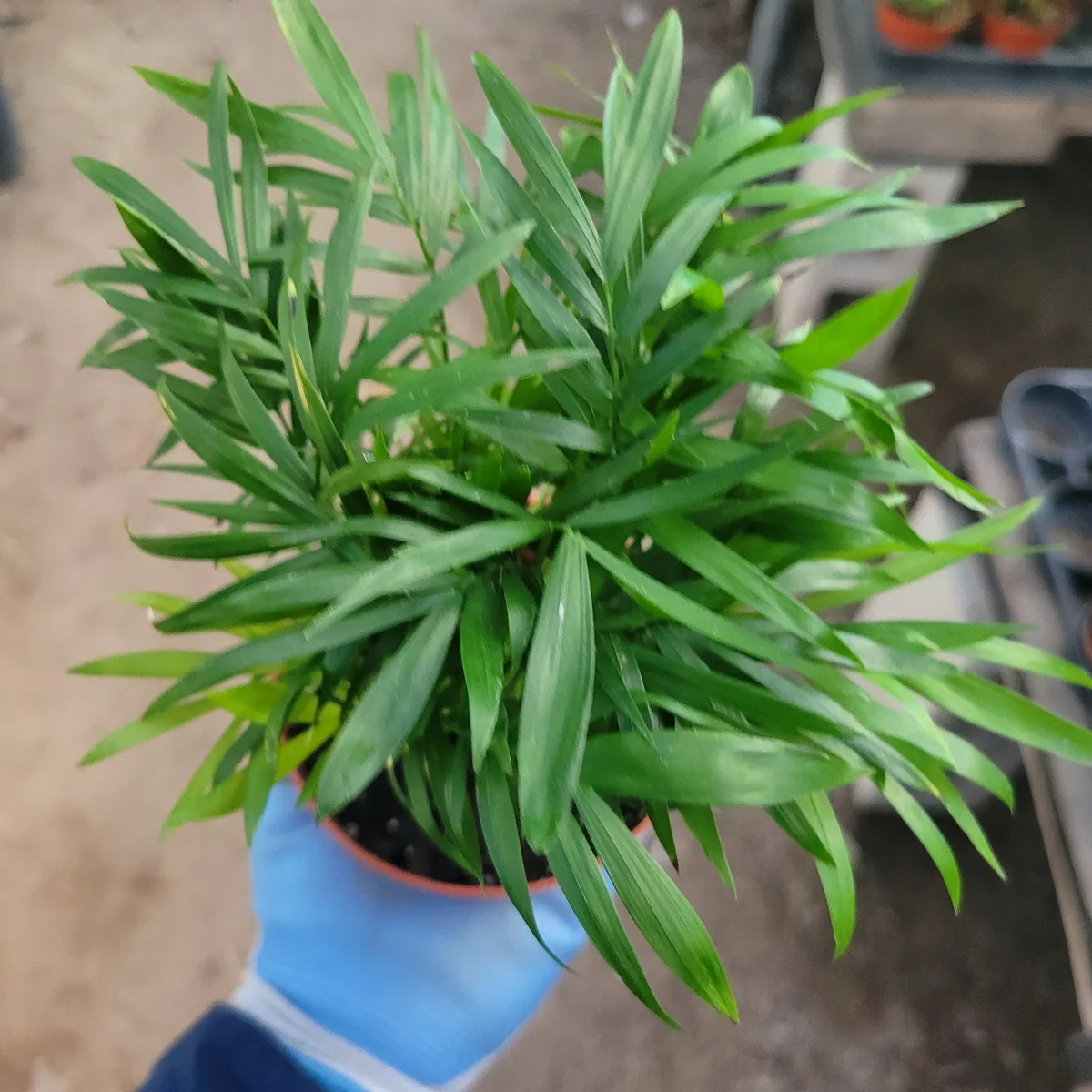
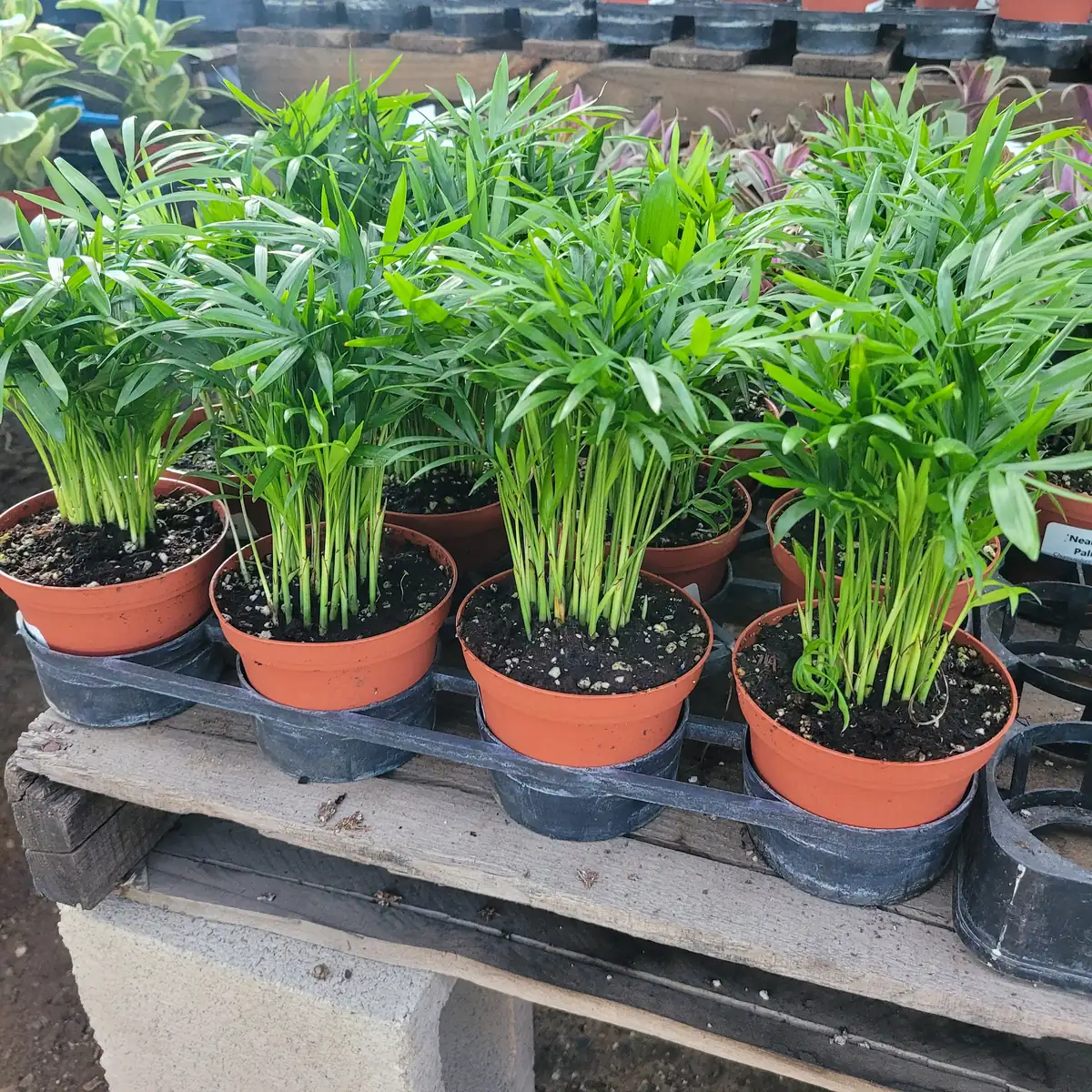
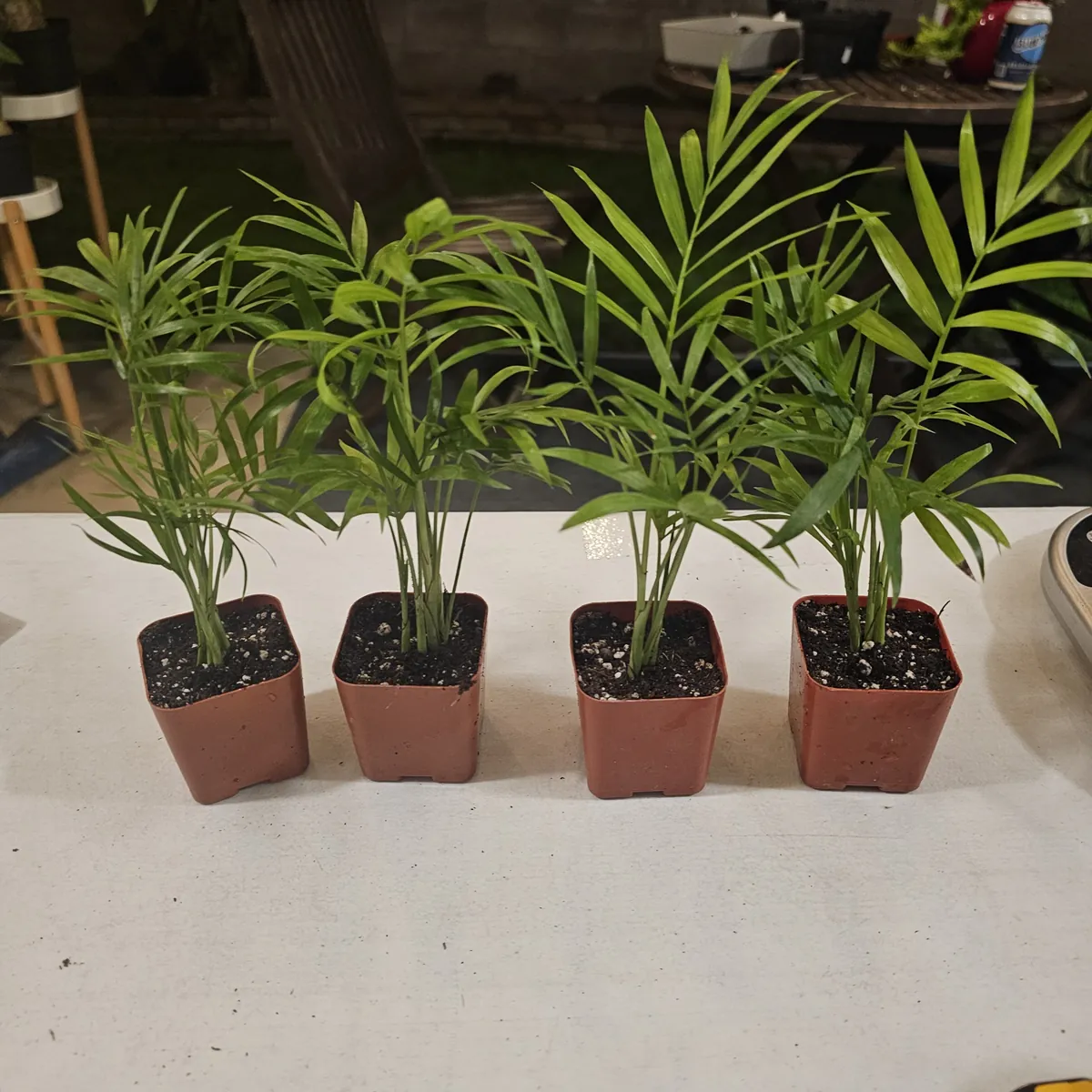
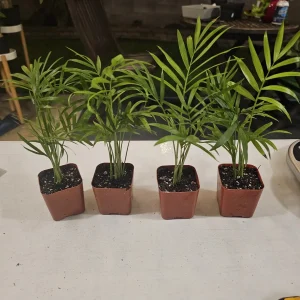
Our parlor palm live plant is offered in two convenient sizes to suit various display needs: a 2-inch nursery pot and a 4-inch nursery pot. These young plants are carefully cultivated to be healthy and robust upon arrival, ready to acclimate to their new home. A 2-inch pot typically houses a smaller, more compact specimen, perfect for terrariums, small desks, or grouping with other miniature plants. The 4-inch pot offers a slightly more established plant, providing an instant green accent for shelves, side tables, or as a charming centerpiece. The height of the plant will vary slightly depending on the pot size, but generally ranges from 6 to 12 inches tall at the time of purchase. The Chamaedorea elegans is known for its slow to moderate growth rate, eventually reaching heights of 4 to 6 feet indoors under ideal conditions, though it can be kept smaller with pruning. Each plant is shipped in its original nursery grow pot, ensuring minimal disruption to its root system during transit. Expect a healthy, vibrant indoor palm plant with lush green foliage, ready to thrive with proper parlor palm care.
Frequently Asked Questions
- Q: How big does this parlor palm get? A: The parlor palm live plant is a slow to moderate grower. While it can eventually reach 4 to 6 feet tall indoors, it typically remains a compact, manageable size, especially when grown in smaller pots.
- Q: Is this an indoor or outdoor plant? A: The Chamaedorea elegans is primarily an indoor palm plant, well-suited for household environments. It can be moved outdoors in shaded areas during warm summer months in appropriate climates but must be brought inside before temperatures drop.
- Q: How much sunlight does my parlor palm need? A: This neanthe bella palm prefers bright, indirect light. Avoid direct sunlight, which can scorch its leaves. It can tolerate lower light conditions, but growth may be slower.
- Q: Is this plant easy to care for? A: Yes, the parlor palm live plant is considered an easy-care houseplant, making it an excellent choice for beginners. Its forgiving nature and adaptability contribute to its popularity.
- Q: What condition will it arrive in? A: Your Chamaedorea elegans will arrive carefully packaged in its original nursery grow pot, ensuring its safety during transit. We take utmost care to ensure it reaches you in healthy condition, ready for its new home.
- Q: How often should I water my indoor palm plant? A: Water your parlor palm live plant when the top 1-2 inches of soil feel dry to the touch. It’s better to slightly underwater than overwater, as excessive moisture can lead to root rot. Adjust frequency based on light, temperature, and humidity.
- Q: Is the parlor palm pet-safe? A: Yes, the parlor palm live plant (Chamaedorea elegans) is known to be non-toxic to cats and dogs, making it a safe choice for homes with pets.
- Q: What kind of soil does this plant need? A: The parlor palm care routine includes a well-draining potting mix that also retains some moisture. A standard indoor potting mix with added perlite or sand is usually suitable.
- Q: Can I use a humidifier for my parlor palm? A: Absolutely! While the Chamaedorea elegans tolerates average household humidity, it thrives in higher humidity. Using a humidifier, misting, or placing it on a pebble tray can greatly benefit its health, especially in dry environments.
- Q: When is the best time to repot my parlor palm? A: Repotting is generally needed every 2-3 years, or when the plant becomes root-bound. The best time to repot your indoor palm plant is in the spring, using a pot only slightly larger than its current one.


Reviews
There are no reviews yet.