Overview
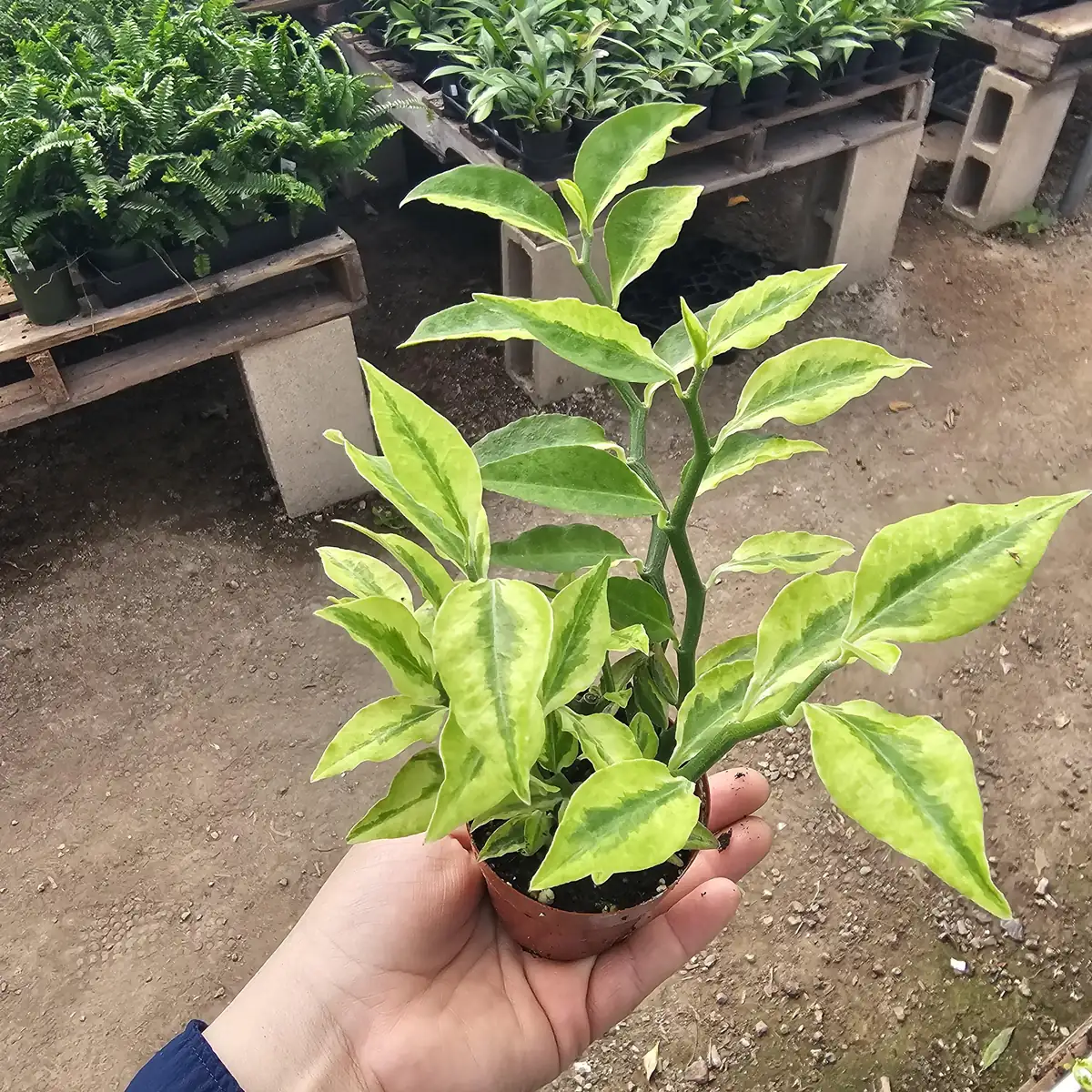
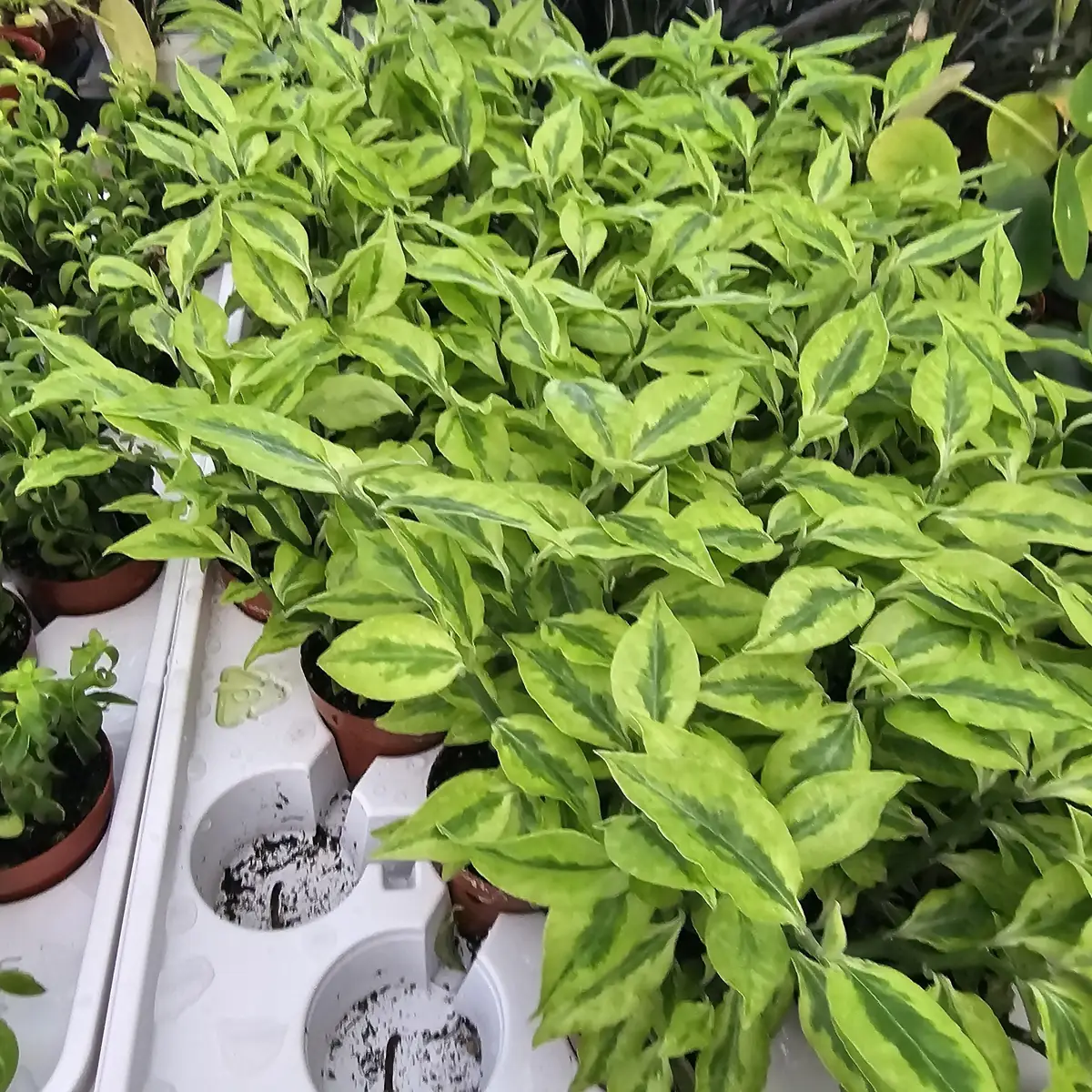
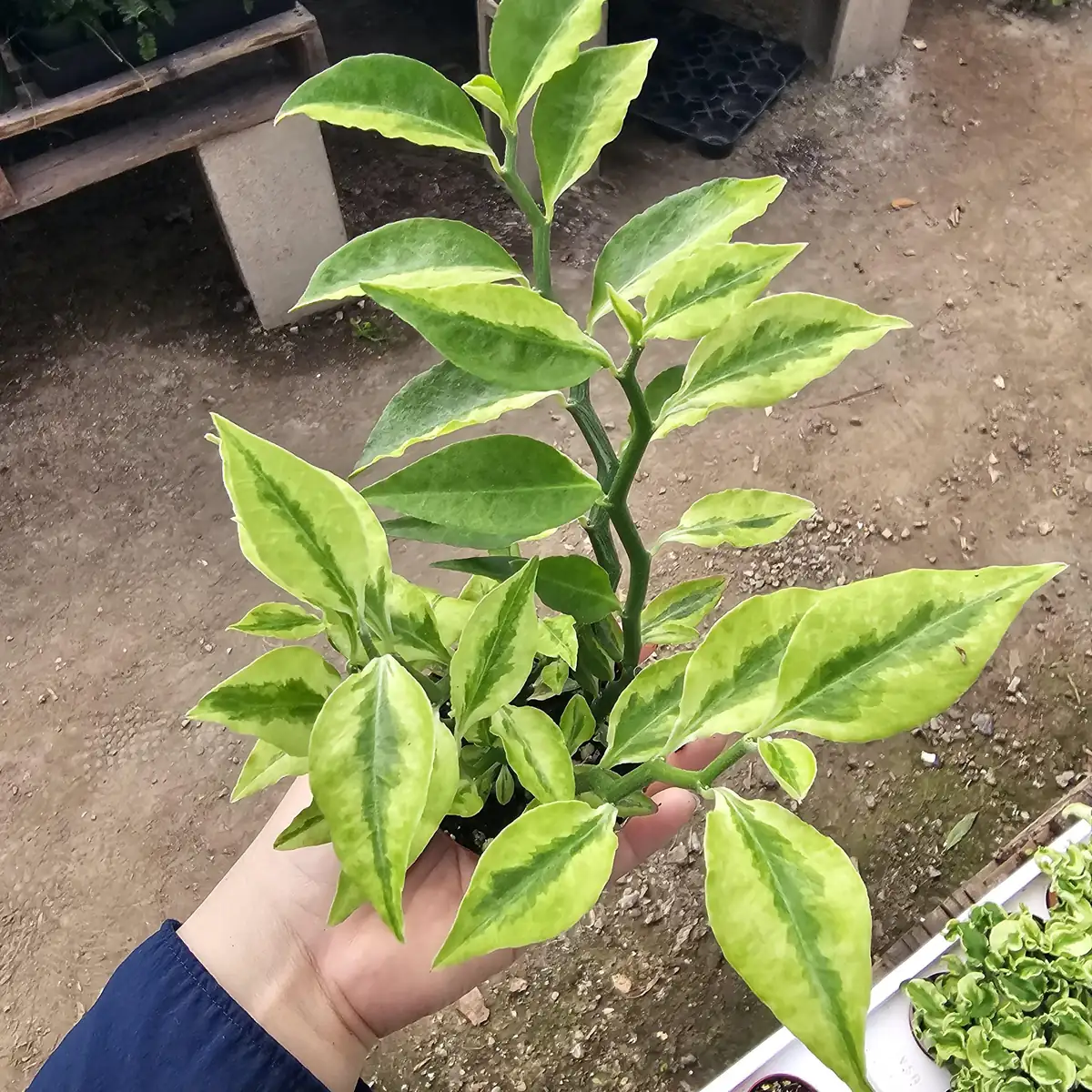
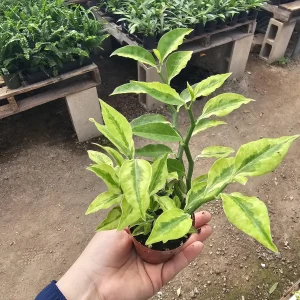
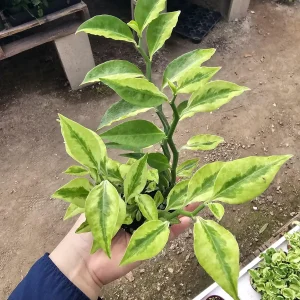
The Jacob’s Ladder Pedilanthus live plant, scientifically known as Pedilanthus tithymaloides, is a fascinating succulent prized for its distinctive growth habit and vibrant foliage. Often referred to as Devil’s Backbone plant care or Zigzag Plant, its stems grow in a unique zigzag pattern, giving it an architectural appeal that stands out in any collection. This particular offering is a healthy, established plant in a 3-inch pot, ready to bring its unique charm to your home. Native to tropical and subtropical regions of the Americas, this species is well-adapted to indoor environments, thriving with minimal fuss. Its leaves can display beautiful variegation, often edged with pink or red when exposed to sufficient sunlight, adding another layer of visual interest. Whether you’re a seasoned succulent collector or new to the world of houseplants, the Pedilanthus Tithymaloides indoor plant is an excellent choice for adding a touch of exotic beauty and intrigue to your living space.
This resilient and visually engaging succulent is not only a conversation starter but also relatively simple to maintain, making it ideal for busy individuals or those just starting their plant journey. Its common names, such as Jacob’s Ladder and Devil’s Backbone, perfectly capture its unusual stem structure. With proper care, your Jacob’s Ladder Pedilanthus live plant will flourish, providing year-round greenery and unique form. It’s a succulent that truly offers something different from the usual, promising both aesthetic appeal and a rewarding growing experience. Embrace the distinctive beauty of this plant and watch it transform your indoor garden.
Key Benefits
The Jacob’s Ladder Pedilanthus live plant offers a multitude of benefits, making it a popular choice among plant enthusiasts. Its unique characteristics contribute to both aesthetic appeal and ease of maintenance.
- Striking Visual Appeal: The most prominent feature of this plant is its distinctive zigzag stems, which create an eye-catching architectural form. This unique growth pattern, combined with its often variegated leaves, makes it a decorative centerpiece.
- Low Maintenance: As a succulent, the Devil’s Backbone plant care is remarkably forgiving and requires minimal attention. It tolerates periods of drought and doesn’t demand constant fuss, making it ideal for busy individuals or beginner gardeners.
- Air Purification: Like many houseplants, the Pedilanthus Tithymaloides indoor plant contributes to a healthier indoor environment by helping to filter airborne toxins and improve air quality.
- Unique Foliage Coloration: Its leaves can develop beautiful pink or red margins when exposed to bright light, adding a vibrant splash of color to its green base. This dynamic coloring enhances its ornamental value.
- Drought Tolerance: Being a succulent, it stores water in its stems and leaves, allowing it to withstand dry conditions better than many other plants. This reduces the frequency of watering.
- Adaptable to Various Light Conditions: While it thrives in bright indirect light, it can adapt to slightly lower light conditions, making it versatile for different spots within your home.
- Pet-Friendly (with caution): While the sap can be irritating if ingested or on skin, the plant itself is generally considered non-toxic to pets if they don’t chew on it. Always supervise pets around plants.
Plant Care & Growing Tips
Caring for your Jacob’s Ladder Pedilanthus live plant is relatively straightforward, making it an excellent choice for both novice and experienced plant parents. To ensure your Devil’s Backbone plant care thrives, pay close attention to its light, water, and soil requirements. This succulent prefers bright, indirect sunlight. Place it near a south or west-facing window where it can receive several hours of bright light daily, but avoid harsh, direct afternoon sun which can scorch its leaves. If the plant doesn’t get enough light, its characteristic zigzag stems may become elongated and less pronounced, and any variegation may fade. For optimal growth and vibrant coloration, ensure it receives consistent bright light.
When it comes to watering, less is more for this succulent. Allow the soil to dry out completely between waterings. Overwatering is the most common cause of problems for Pedilanthus Tithymaloides indoor plants, leading to root rot. During the growing season (spring and summer), you might water every 2-4 weeks, reducing frequency significantly in the dormant fall and winter months. The best way to check is to insert your finger about an inch or two into the soil; if it feels dry, it’s time to water. Ensure your pot has drainage holes to prevent waterlogging. A well-draining potting mix specifically formulated for succulents or cacti is ideal. A mix of peat, perlite, and sand works well to provide the necessary aeration and drainage. This plant thrives in average room temperatures, generally between 65-80°F (18-27°C), and can tolerate normal household humidity levels.
Fertilize sparingly during the growing season (spring and summer) with a balanced liquid fertilizer diluted to half strength, once every 2-3 months. Repotting is generally only needed every 2-3 years, or when the plant becomes root-bound. Choose a pot that is only slightly larger than the current one to avoid excessive moisture retention. While generally hardy, keep an eye out for common pests like mealybugs or spider mites, which can be treated with insecticidal soap. Providing consistent but not excessive care will help your zigzag plant care flourish and maintain its unique appearance.
Size & Details
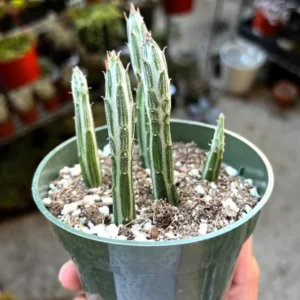
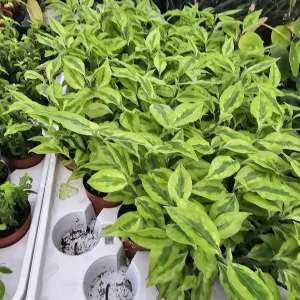
This offering is for one healthy Jacob’s Ladder Pedilanthus live plant, cultivated in a standard 3-inch nursery pot. At the time of shipping, the plant typically stands approximately 4-8 inches tall from the soil line, depending on growth stage and individual variation. The unique zigzag stems will be well-formed, showcasing the characteristic structure of the Devil’s Backbone plant care. The foliage may exhibit green hues, with potential for pink or red margins developing under optimal light conditions. This plant has a moderate growth rate and can eventually reach heights of 2-3 feet indoors, though it is easily kept smaller with pruning. It usually ships as a well-rooted, established plant, ready to be placed in your chosen location or repotted into a decorative container. We ensure careful packaging to protect the plant during transit, minimizing stress upon arrival. Expect a vibrant and healthy specimen that will quickly adapt to its new environment and continue its fascinating growth.
Frequently Asked Questions
- Q: How big does this plant get? A: The Jacob’s Ladder Pedilanthus live plant typically grows 2-3 feet tall indoors, but its size can be managed with regular pruning. It’s often kept more compact for desk or shelf display.
- Q: What size pot does it come in? A: This plant is shipped in a 3-inch nursery pot, perfectly sized for its current growth stage and ready for a new home.
- Q: Is this an indoor or outdoor plant? A: While it can thrive outdoors in warm, frost-free climates (USDA zones 9-11), the Pedilanthus Tithymaloides indoor plant is most commonly grown as a houseplant in the US due to its tropical origins.
- Q: How much sunlight does it need? A: It prefers bright, indirect light for at least 4-6 hours a day. Too little light can cause leggy growth, while too much direct sun can scorch its leaves.
- Q: Is this plant easy to care for? A: Yes, the Devil’s Backbone plant care is considered an easy-care succulent, making it suitable for beginners. Its drought tolerance and minimal needs contribute to its low-maintenance reputation.
- Q: What condition will it arrive in? A: Your plant will arrive as a healthy, well-rooted specimen, carefully packaged to minimize stress during transit. Some slight soil dislodgement is normal.
- Q: Is it shipped in soil? A: Yes, the plant is shipped in its original 3-inch nursery pot with soil, ensuring it remains stable and hydrated during its journey to you.
- Q: Is it pet-safe? A: The sap of the Jacob’s Ladder Pedilanthus live plant can be irritating if ingested or to the skin. While not severely toxic, it’s best to keep it out of reach of curious pets and children.
- Q: How often should I water my zigzag plant? A: Water only when the soil has completely dried out. For most indoor environments, this means every 2-4 weeks during warmer months and even less frequently in winter.
- Q: Why are my plant’s leaves turning red or pink? A: This is a desirable trait! The pink or red coloration on the leaf margins of your zigzag plant care is often a sign that it is receiving ample bright light, which it enjoys.


Reviews
There are no reviews yet.