Overview
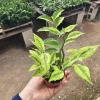
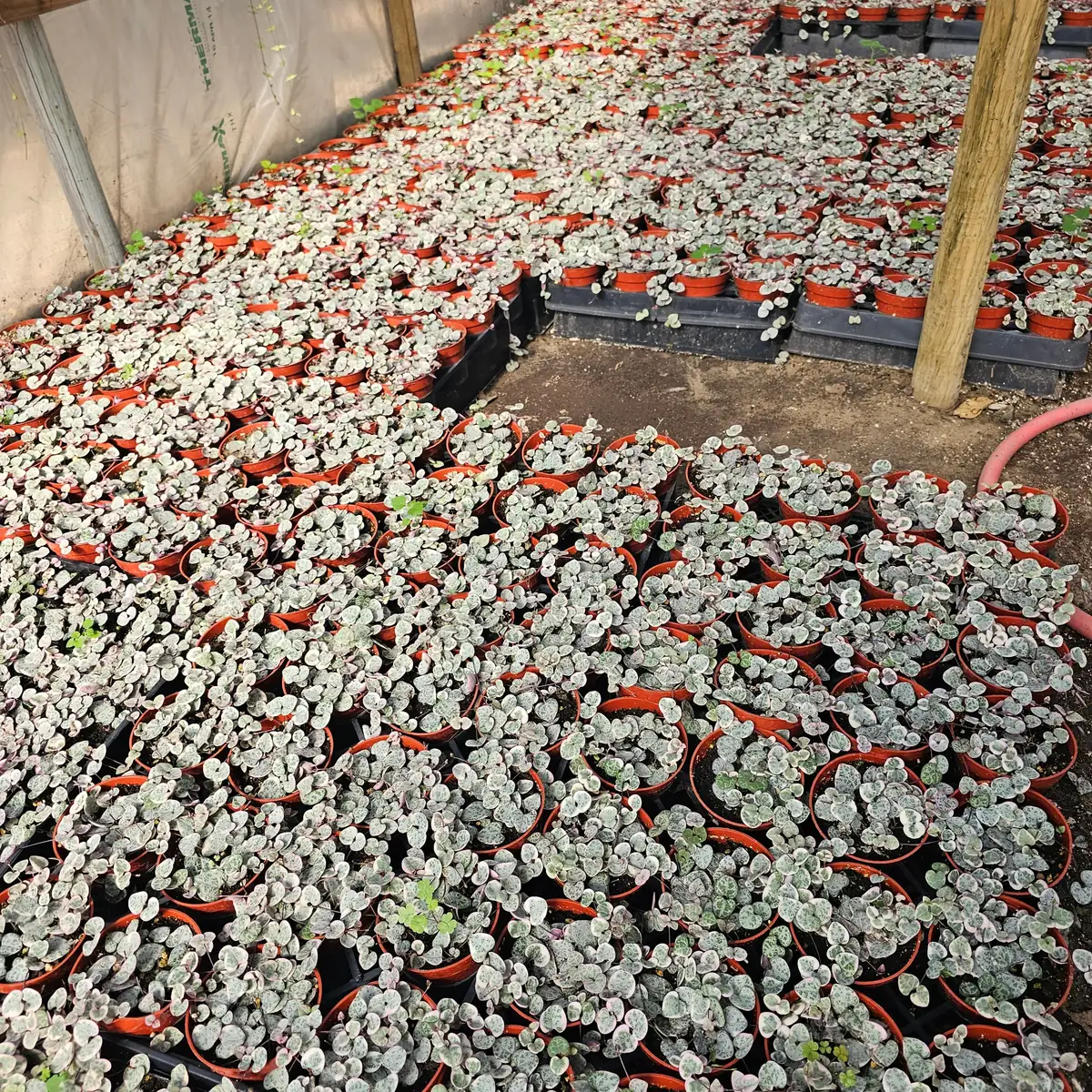
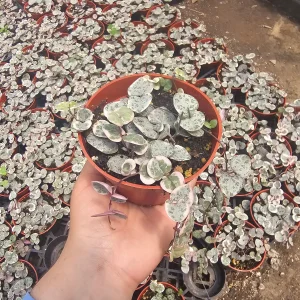
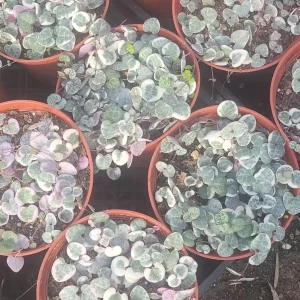
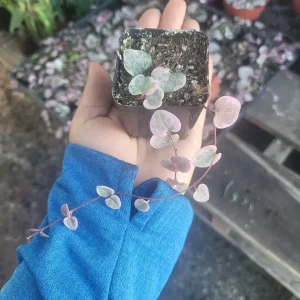
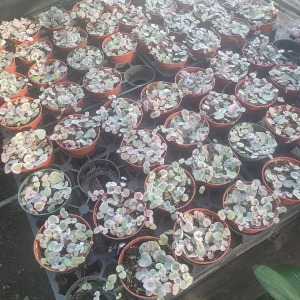
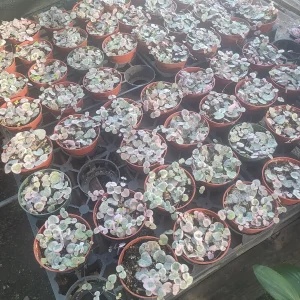
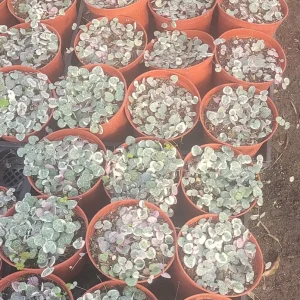
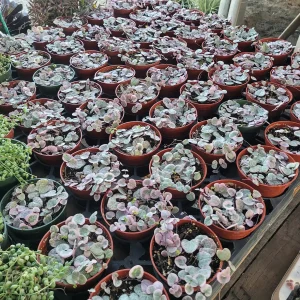
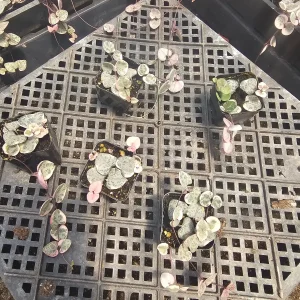
Introduce a touch of whimsical beauty to your indoor space with the exquisite variegated string of hearts live plant. Also known by its botanical name, Ceropegia woodii f. variegata, or simply as Rosary Vine, this charming succulent is a favorite among plant collectors and enthusiasts. Its distinctive heart-shaped leaves are adorned with stunning variegation, showcasing shades of green, pink, and cream, creating a visual feast. The delicate, thin stems elegantly cascade, making it an ideal choice for hanging baskets, elevated shelves, or as a striking desk plant. This trailing succulent care is surprisingly straightforward, offering a rewarding experience for those new to houseplants as well as seasoned gardeners looking for a unique addition. Each vsoh plant for sale offers a unique pattern of color, ensuring your plant is truly one-of-a-kind.
Originating from South Africa, the variegated string of hearts live plant thrives in conditions that mimic its native environment – bright light and well-draining soil. Its resilience and unique aesthetic make it a versatile plant for various interior design styles, from bohemian to minimalist. Watch as its stems grow, potentially reaching lengths of up to 3 feet, creating a lush, living curtain of hearts. This succulent is not just a plant; it’s a living piece of art that continuously evolves and delights.
Key Benefits
The variegated string of hearts live plant offers numerous benefits beyond its captivating appearance, enhancing both your living space and your well-being. Its ease of care and unique growth habit make it a standout choice for any plant lover.
- Stunning Ornamental Value: The heart-shaped, variegated leaves in shades of green, pink, and cream provide year-round visual interest and add a sophisticated touch to any room. It’s truly a conversation starter.
- Graceful Trailing Habit: Perfect for hanging baskets, high shelves, or cascading from planters, its long, delicate stems can reach impressive lengths, creating an elegant, flowing display.
- Low Maintenance & Drought Tolerant: As a succulent, the variegated string of hearts live plant is forgiving of occasional neglect and prefers less frequent watering, making it ideal for busy individuals or those new to plant care. This aspect of trailing succulent care makes it a popular choice.
- Air Purifying Qualities: Like many houseplants, it naturally contributes to improved indoor air quality by absorbing common toxins and releasing oxygen.
- Collector’s Item: The unique variegation and charming form make the Ceropegia woodii f. variegata a highly sought-after species among succulent collectors, adding prestige to your plant collection.
- Versatile Decor Piece: Its adaptable nature allows it to complement various decor styles, from modern minimalist to cozy bohemian, effortlessly integrating into your home aesthetic.
- Easy Propagation: With proper guidance, propagating new plants from cuttings is relatively simple, allowing you to expand your collection or share with friends.
Plant Care & Growing Tips
Caring for your variegated string of hearts live plant is a rewarding experience, as this resilient succulent thrives with minimal fuss when its basic needs are met. Providing the right environment is key to ensuring its vibrant variegation and long, healthy trails. For optimal growth and color, position your plant in a spot that receives bright, indirect sunlight. A south or west-facing window with filtered light is often ideal. Direct, harsh sunlight can scorch the delicate leaves, while insufficient light can lead to less vibrant variegation and leggy growth. Rotate your plant periodically to ensure even light exposure on all sides.
Watering is perhaps the most crucial aspect of trailing succulent care. Allow the soil to dry out completely between waterings to prevent root rot, which is a common issue for succulents. When in doubt, it’s always better to underwater than overwater. You’ll notice the heart-shaped leaves may feel less plump or slightly soft when the plant is thirsty. During the dormant winter months, reduce watering frequency significantly. The ideal soil for Ceropegia woodii f. variegata is a well-draining succulent or cactus mix, which prevents water from sitting around the roots. You can also amend regular potting soil with perlite or pumice to improve drainage.
The rosary vine indoor plant prefers average room temperatures, generally between 65-80°F (18-27°C). Protect it from cold drafts and temperatures below 50°F (10°C), as it is not frost-tolerant. Humidity levels typical of most homes are perfectly suitable. Fertilize sparingly during the growing season (spring and summer) with a diluted, balanced liquid fertilizer; once a month is usually sufficient. Avoid fertilizing in fall and winter. Keep an eye out for common pests like mealybugs or aphids, though these are relatively rare for this hardy plant. Addressing these issues promptly will help maintain a healthy vsoh plant for sale.
Size & Details
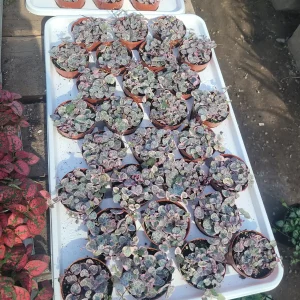
The variegated string of hearts live plant is typically available in various pot sizes, often starting from 2-inch to 6-inch nursery pots. The plant’s growth habit is trailing, with stems that can extend significantly over time, often reaching lengths of up to 3 feet or more under optimal conditions. When you receive your variegated string of hearts live plant, it will arrive as a healthy, established plant in its nursery pot, ready for you to place in your chosen decorative planter or hanging basket. The leaves are small, typically less than an inch across, showcasing their iconic heart shape and unique coloration. Growth rate is moderate, allowing you to observe its development over several months. This plant does not produce showy flowers, but rather small, tubular, purplish blooms that are often hidden among the foliage.
Frequently Asked Questions
- Q: How big does a variegated string of hearts plant get? A: The stems of a variegated string of hearts live plant can grow quite long, often reaching lengths of 2 to 3 feet, or even more, creating a beautiful cascading effect. The overall size depends on its growing conditions and how often it is pruned.
- Q: Is this an indoor or outdoor plant? A: The Ceropegia woodii f. variegata is primarily an indoor plant in most climates, thriving in typical household temperatures. It can be grown outdoors in USDA zones 10-11 if protected from direct, harsh sunlight and cold temperatures.
- Q: How much sunlight does my variegated string of hearts need? A: This rosary vine indoor plant prefers bright, indirect light. A few hours of morning sun is beneficial, but avoid intense afternoon sun which can scorch its delicate leaves and fade its vibrant variegation.
- Q: Is this plant easy to care for, especially for beginners? A: Yes, the variegated string of hearts live plant is considered relatively easy to care for, making it suitable for beginners. Its drought-tolerant nature means it’s forgiving if you forget to water occasionally, which is a key aspect of trailing succulent care.
- Q: What condition will my plant arrive in? A: Your plant will arrive as a healthy, live specimen, carefully packaged in its nursery pot to ensure minimal disturbance during transit. We take utmost care to protect its delicate stems and leaves.
- Q: How often should I water my variegated string of hearts? A: Water sparingly. Allow the soil to dry out completely between waterings. During warmer months, this might be every 1-2 weeks, and much less frequently in winter. Always check the soil moisture before watering.
- Q: Can I propagate my variegated string of hearts? A: Yes, propagating the variegated string of hearts live plant is quite straightforward using stem cuttings. You can root them in water or directly in well-draining soil, making it easy to create more plants from your original vsoh plant for sale.
- Q: Is the variegated string of hearts pet-safe? A: The Ceropegia woodii f. variegata is generally considered non-toxic to cats and dogs, making it a safer choice for pet owners compared to many other houseplants. However, it’s always best to prevent pets from consuming any plant material.
- Q: What kind of soil is best for this succulent? A: A well-draining soil mix is crucial. Use a specialized succulent or cactus potting mix, or amend regular potting soil with perlite or coarse sand to improve drainage and prevent waterlogging.
- Q: Does the variegated string of hearts bloom? A: Yes, it produces small, tuber-like, purplish-pink flowers throughout the year, especially during its active growing season. While not as showy as its foliage, the blooms add an interesting detail.


Reviews
There are no reviews yet.