Overview
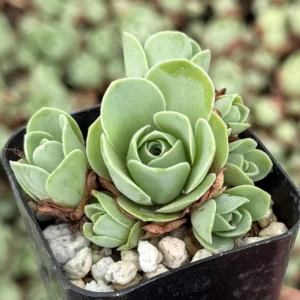
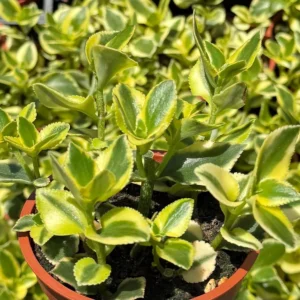
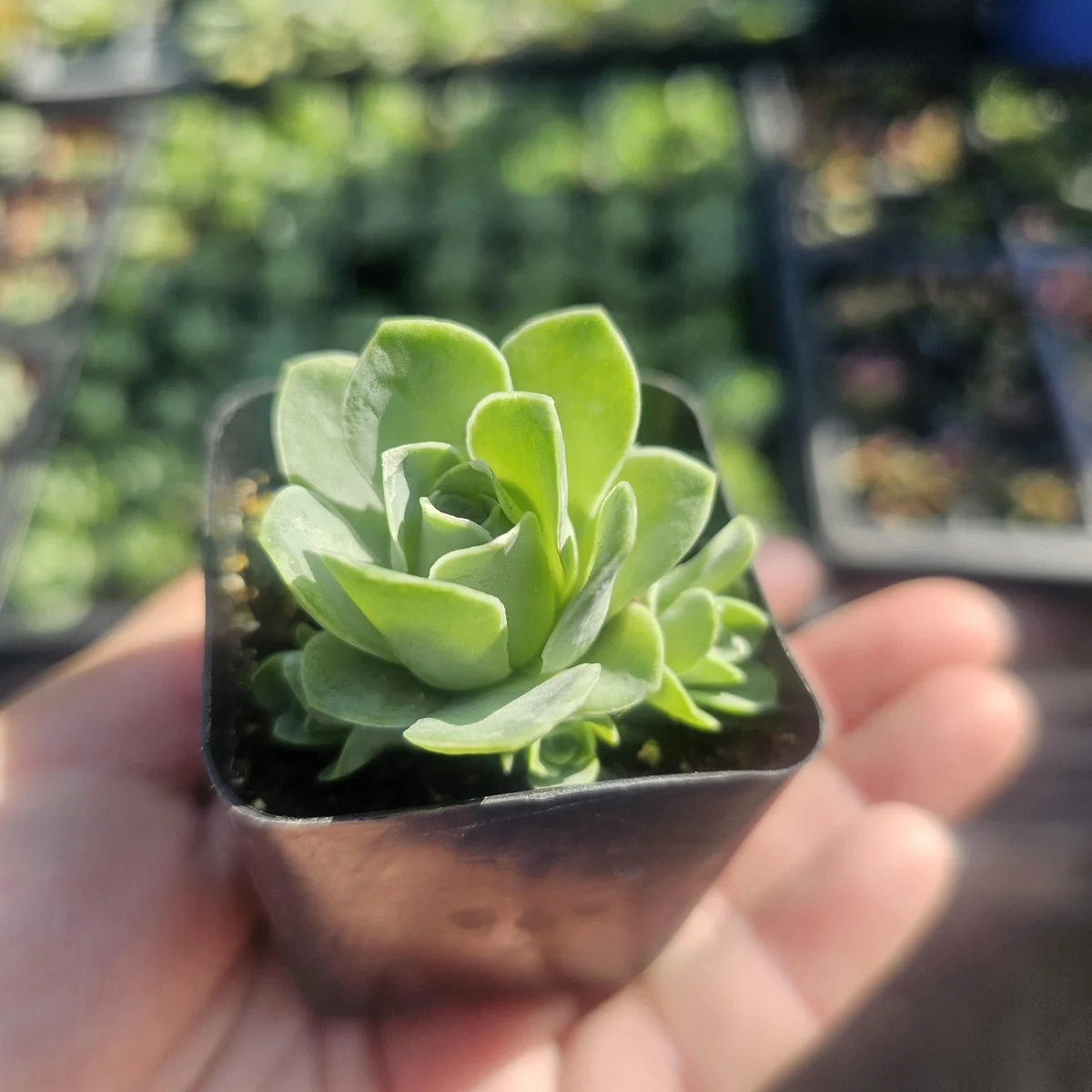
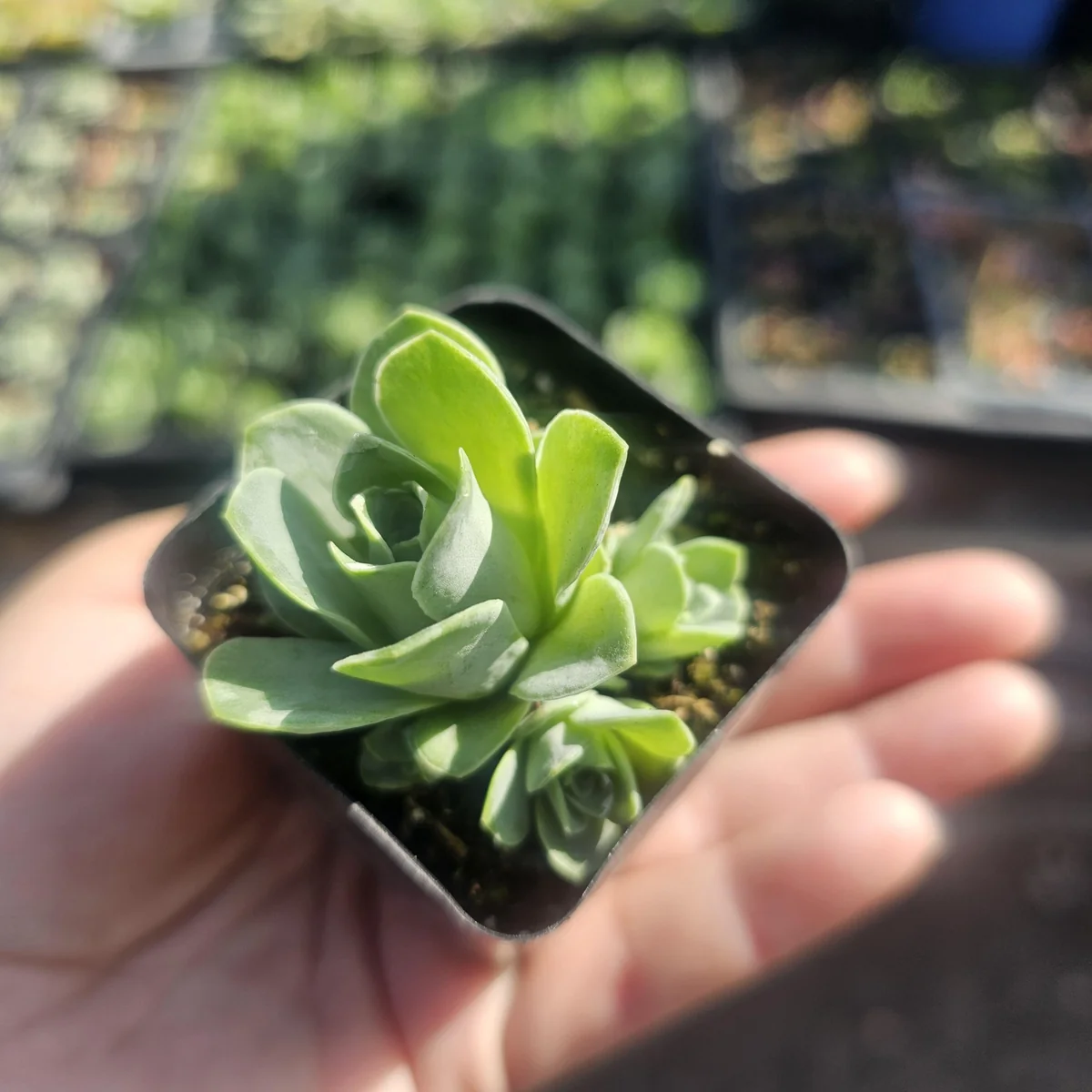
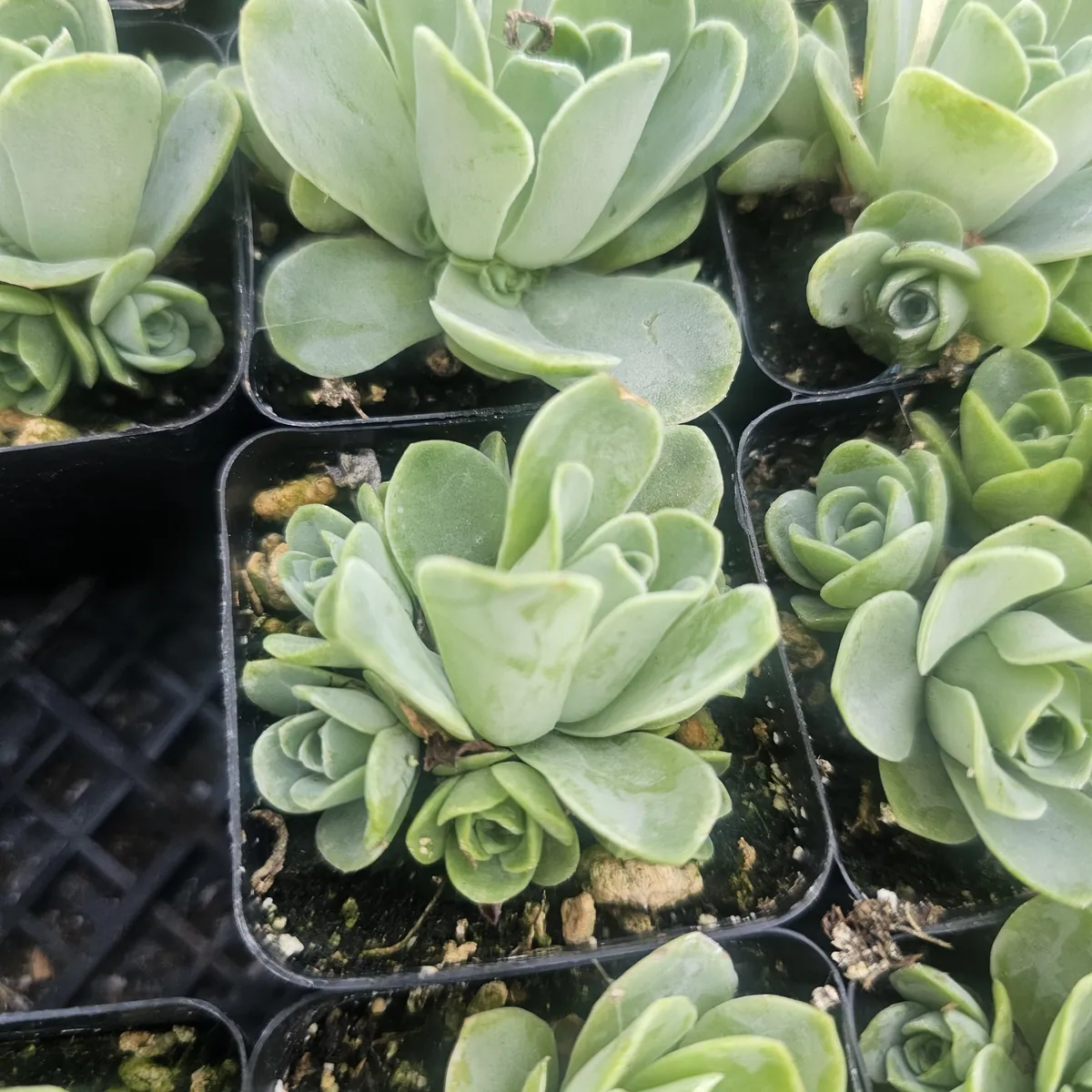
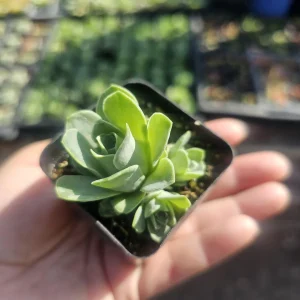
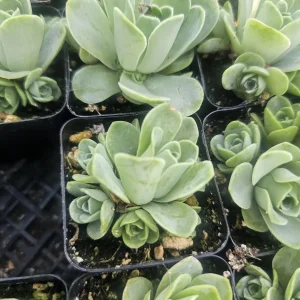
Introduce a touch of floral elegance to your collection with the exquisite mountain rose succulent. This captivating live plant, botanically known as Aeonium dodrantale and sometimes referred to as Greenovia dodrantalis, is a true botanical marvel. Its unique growth habit forms tightly packed rosettes that bear an uncanny resemblance to delicate green roses, making it a highly sought-after specimen among succulent enthusiasts and collectors. Each rare succulent plant is a living sculpture, offering a distinctive aesthetic that stands out in any plant display. As a live plant, it arrives ready to be admired and cared for, promising to bring a unique charm to your home or garden.
The allure of the mountain rose succulent lies in its dynamic appearance. During cooler weather or its dormant period, the rosettes dramatically close up, mimicking the tight bud of a rose. As the growing season commences, these rosettes gracefully unfurl, revealing layers of perfectly formed leaves that are almost too symmetrical to be real. This fascinating transformation adds an engaging element to its appeal, making it a constant source of wonder. Ideal for a serene indoor setting or a sheltered outdoor spot, this succulent is a testament to nature’s artistry.
Key Benefits
The mountain rose succulent offers a variety of benefits that make it a cherished addition to any plant collection. Its unique beauty and low-maintenance nature contribute to its widespread appeal, making it a rewarding plant to cultivate.
- Stunning Aesthetic Appeal: The primary benefit is its striking visual resemblance to a rose, providing natural elegance and a conversation starter. The intricate rosette formation and vibrant green hues make it a standout decorative piece.
- Low Maintenance Care: This aeonium dodrantale is remarkably easy to care for, thriving on neglect rather than constant attention. It requires minimal watering and is generally resilient, making it suitable for busy individuals or novice plant parents.
- Unique Dormancy Cycle: Experience the captivating transformation as the rosettes close during dormancy and open up with new growth, offering an ever-changing display. This natural cycle adds an intriguing dynamic to its presence.
- Collector’s Item: Due to its distinctive appearance and less common availability, the greenovia dodrantalis is a prized possession for succulent collectors, adding rarity and prestige to their assortment.
- Versatile Decor Element: Its compact size and appealing form make it perfect for various settings, including windowsills, desks, terrariums, or mixed succulent arrangements. It effortlessly enhances any space with its natural charm.
- Drought Tolerant: Like most succulents, the mountain rose succulent is highly drought-tolerant, making it an excellent choice for xeriscaping or for those looking to conserve water. This resilience ensures its survival even if watering is occasionally overlooked.
Plant Care & Growing Tips
Proper rose succulent care is essential for the health and vitality of your mountain rose succulent. While generally low-maintenance, understanding its specific needs will ensure it thrives and continues to display its beautiful rose-like form. This aeonium dodrantale prefers conditions that mimic its natural habitat, emphasizing good drainage and adequate light.
Light: Provide bright, indirect sunlight for your greenovia dodrantalis. It can tolerate some direct morning sun, but avoid harsh afternoon sun, especially in warmer climates, as this can scorch the leaves. An east-facing window is often ideal indoors, or a spot with dappled shade outdoors. Insufficient light can lead to etiolation, where the plant stretches out in search of light, losing its compact rosette shape.
Water: Water sparingly, allowing the soil to dry out completely between waterings. Overwatering is the most common cause of succulent demise. During its dormant period (typically summer in warmer climates), reduce watering significantly, as the plant conserves moisture by closing its rosettes. When watering, drench the soil thoroughly until water drains from the bottom, then allow it to dry out again. Always ensure good air circulation around the plant after watering.
Soil & Potting: A well-draining succulent or cactus mix is crucial. Standard potting soil retains too much moisture, which can lead to root rot. You can amend regular potting soil with perlite, pumice, or coarse sand to improve drainage. Use a pot with a drainage hole to prevent water from sitting at the bottom. Repotting is generally needed only when the plant outgrows its container, typically every 1-2 years.
Temperature & Dormancy: This rare succulent plant thrives in cool to mild temperatures, ideally between 65-75°F (18-24°C). Protect it from frost and extreme heat, especially during its summer dormancy. During dormancy, the rosettes will close tightly; this is a natural protective mechanism and not a sign of distress. Resume normal watering and care when temperatures cool and the plant begins to open up again in the fall or winter.
Size & Details
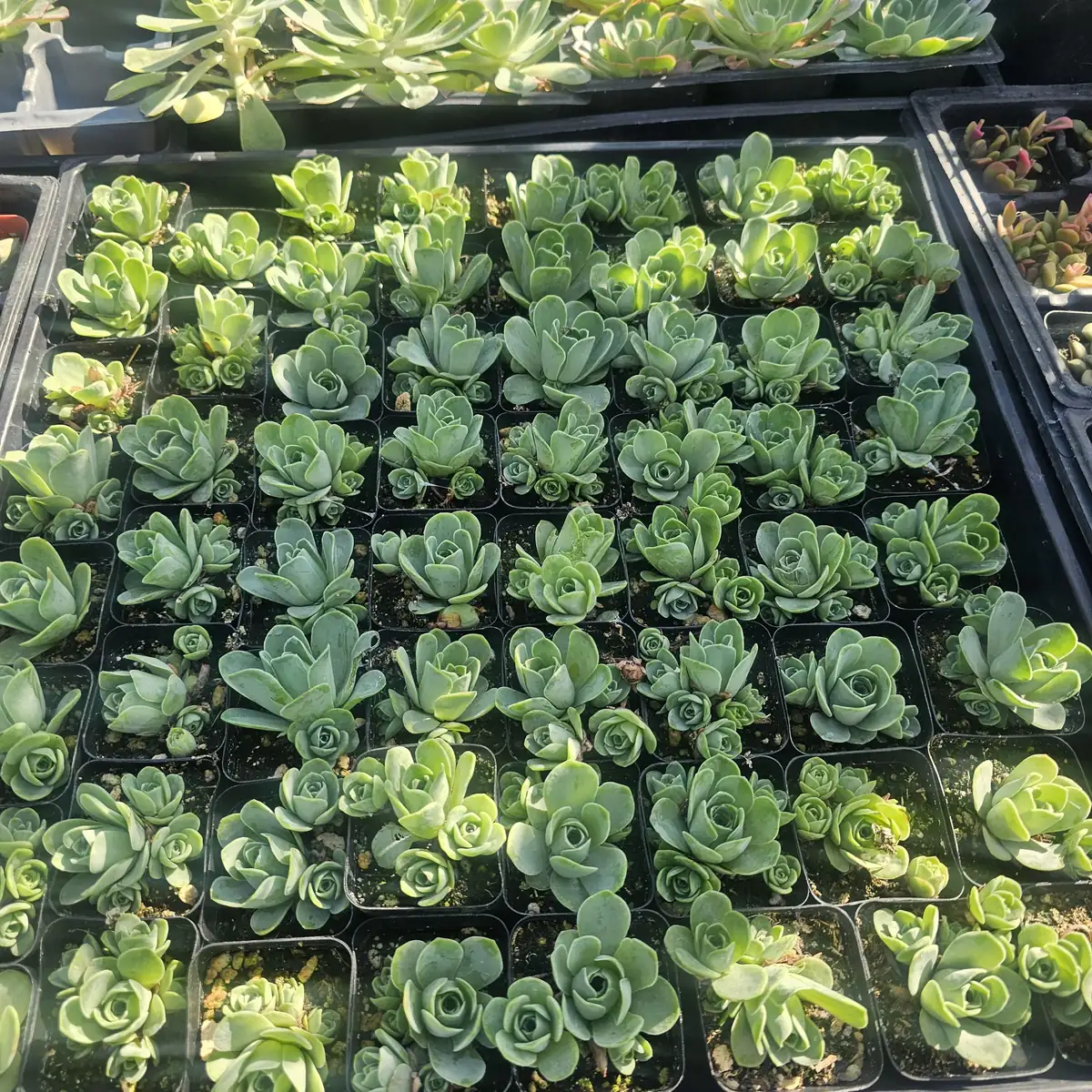
The mountain rose succulent arrives as a healthy, established live plant in a 2 inch pot, ready for its new home. Each plant is hand-selected for quality and size, ensuring you receive a vibrant specimen. While individual plants will vary slightly, they typically present as compact, dense rosettes. The diameter of the rosette can range from 1 to 2.5 inches, depending on its age and growth stage. This slow-growing succulent maintains a relatively small stature, making it ideal for small spaces, dish gardens, or as a charming desk companion. It will gradually produce offsets or ‘pups’ around the base, forming a delightful cluster over time. We aim to provide a plant that closely resembles the representative images, though minor natural variations in color, shape, and size are to be expected as each plant is unique.
Frequently Asked Questions
- Q: How big does this mountain rose succulent get? A: Your mountain rose succulent will typically arrive as a rosette between 1 to 2.5 inches in diameter in a 2-inch pot. It is a compact, slow-growing succulent that will gradually form clusters of rosettes.
- Q: Is this an indoor or outdoor plant? A: The aeonium dodrantale can be grown both indoors and outdoors. If grown outdoors, ensure it is protected from harsh afternoon sun and frost. Indoors, it thrives in bright, indirect light.
- Q: How much sunlight does the greenovia dodrantalis need? A: It requires bright, indirect sunlight. Avoid intense direct afternoon sun, which can cause sunburn. Morning sun or filtered light throughout the day is ideal for optimal growth and color.
- Q: Is this plant easy to care for? A: Yes, the mountain rose succulent is considered relatively easy to care for, especially for those familiar with succulent care. Its main requirements are bright light and very infrequent watering.
- Q: What condition will the rare succulent plant arrive in? A: Your plant will be carefully packaged to minimize disturbance during transit. It may appear a little closed or stressed upon arrival, which is normal. With proper light and care, it will quickly recover and open up beautifully.
- Q: When is the best time to plant or repot this succulent? A: The best time to plant or repot your mountain rose succulent is during its active growing season, typically fall through spring, when temperatures are cooler. Avoid repotting during its summer dormancy.
- Q: What type of soil is best for rose succulent care? A: A well-draining succulent or cactus potting mix is essential. This prevents water from sitting around the roots, which can lead to rot. You can also mix in perlite or pumice for extra drainage.
- Q: Will it survive winter in my zone? A: This succulent prefers cool to mild temperatures and is not frost-hardy. If you live in a region with freezing temperatures, it’s best to grow your mountain rose succulent indoors or provide winter protection.
- Q: Can I propagate this aeonium dodrantale? A: Yes, aeonium dodrantale can be propagated from offsets (pups) that form around the base of the main rosette. Allow the offset to callus for a few days before planting in well-draining soil.
- Q: Why is my mountain rose succulent closing up? A: If your mountain rose succulent is closing up, it is likely entering dormancy, especially during hot summer months. This is a natural protective mechanism against heat and drought. Reduce watering during this period.


Reviews
There are no reviews yet.