Overview
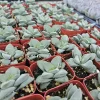
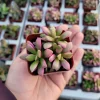
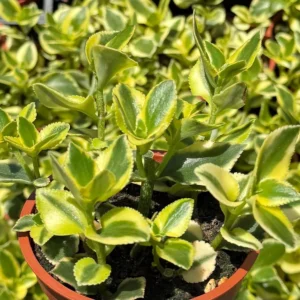
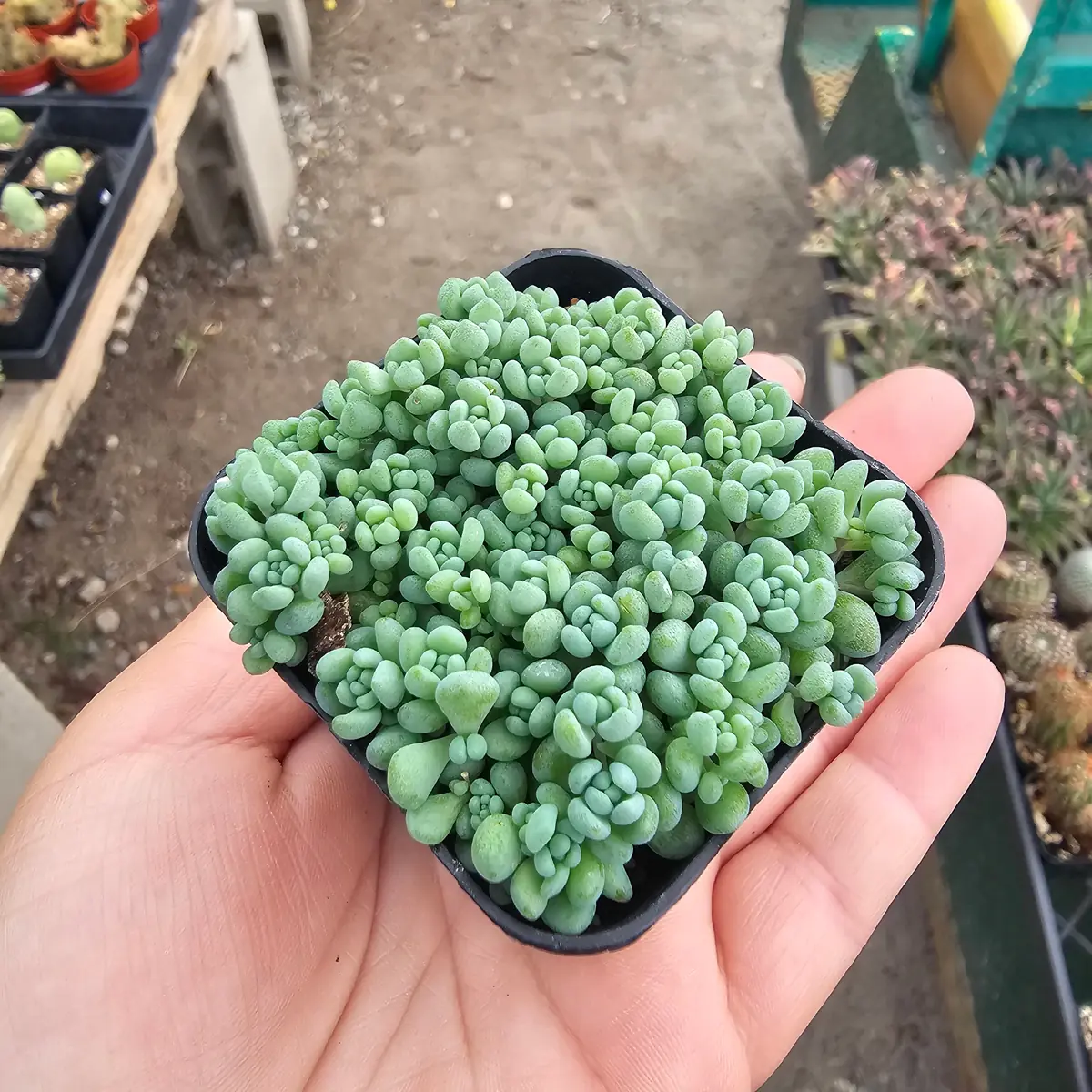
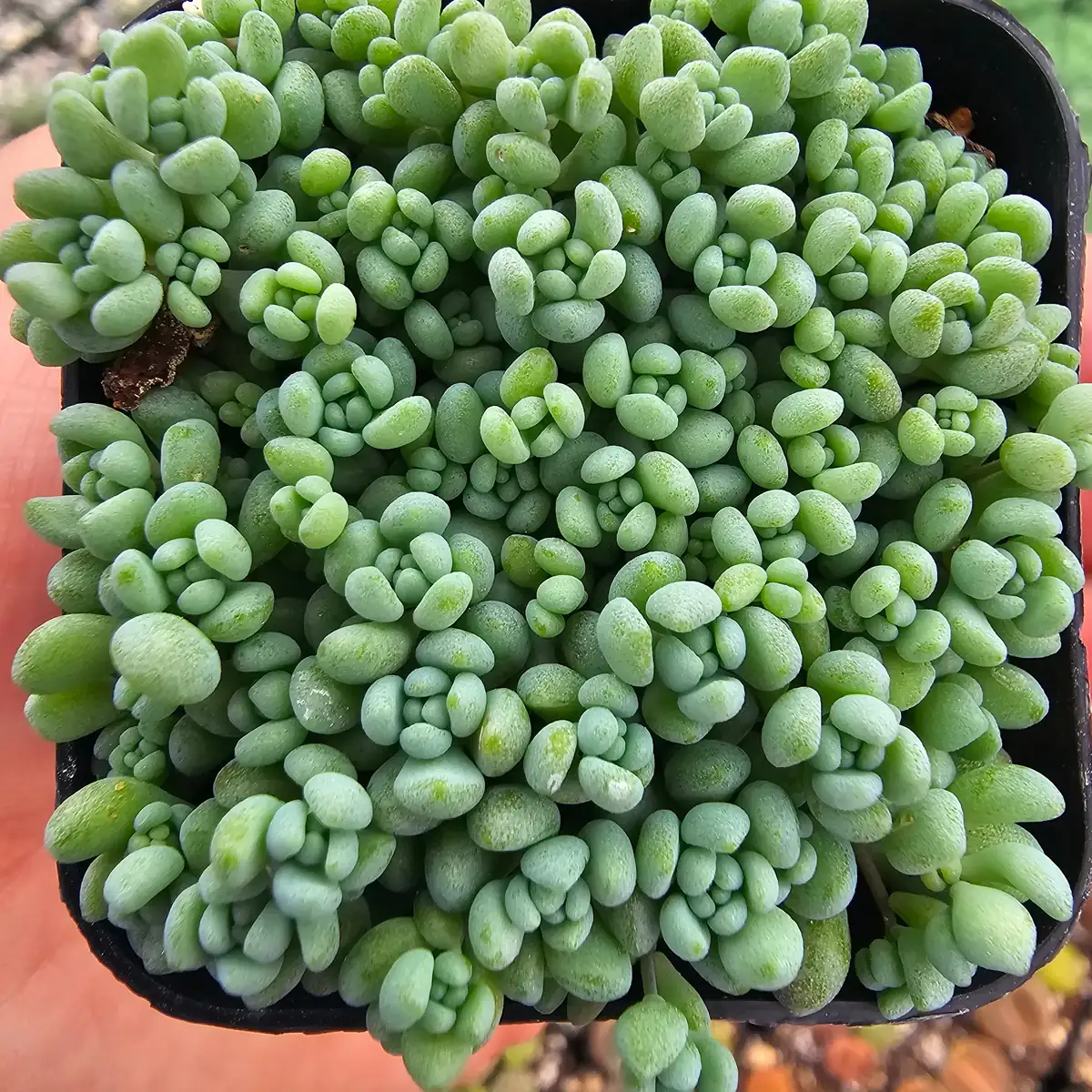
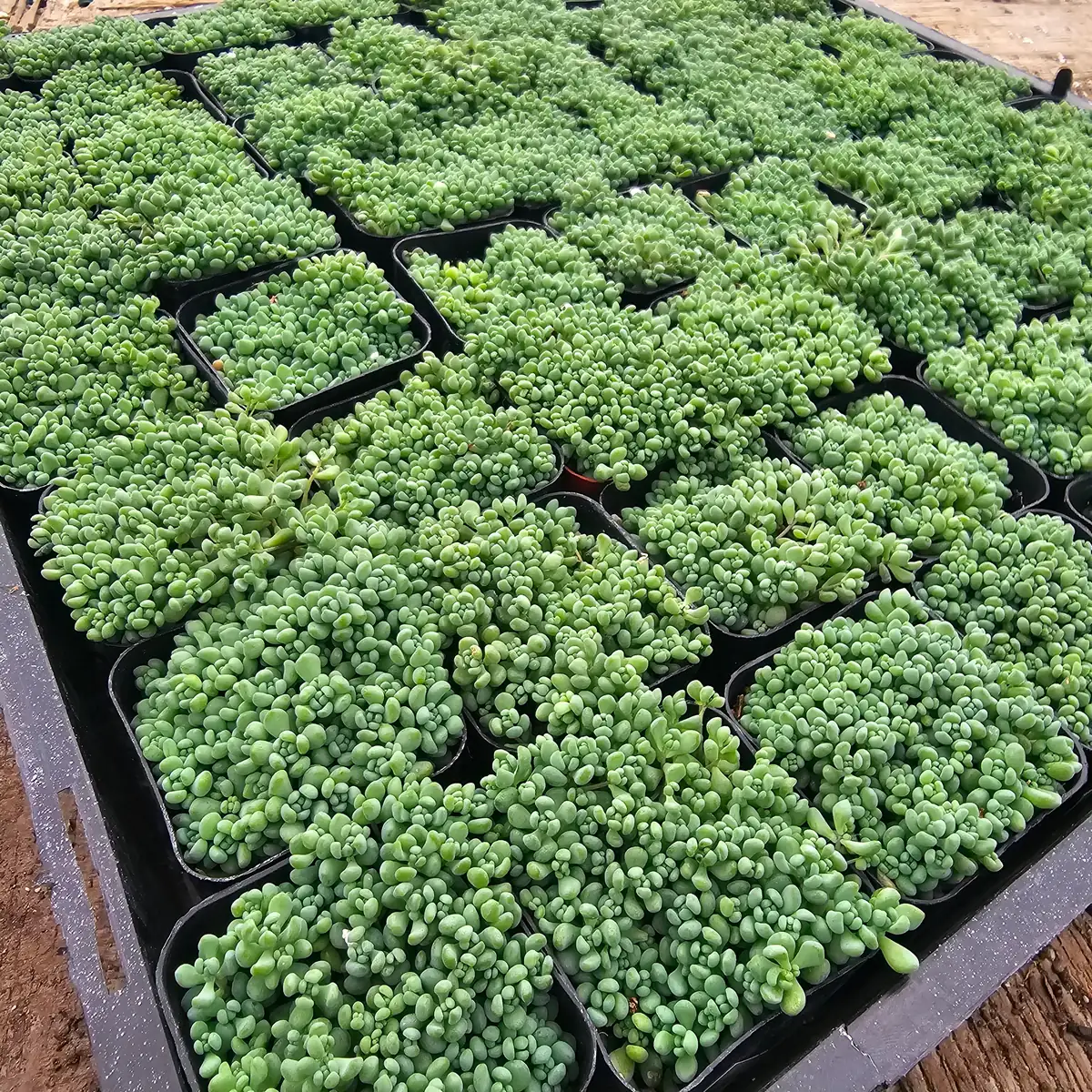
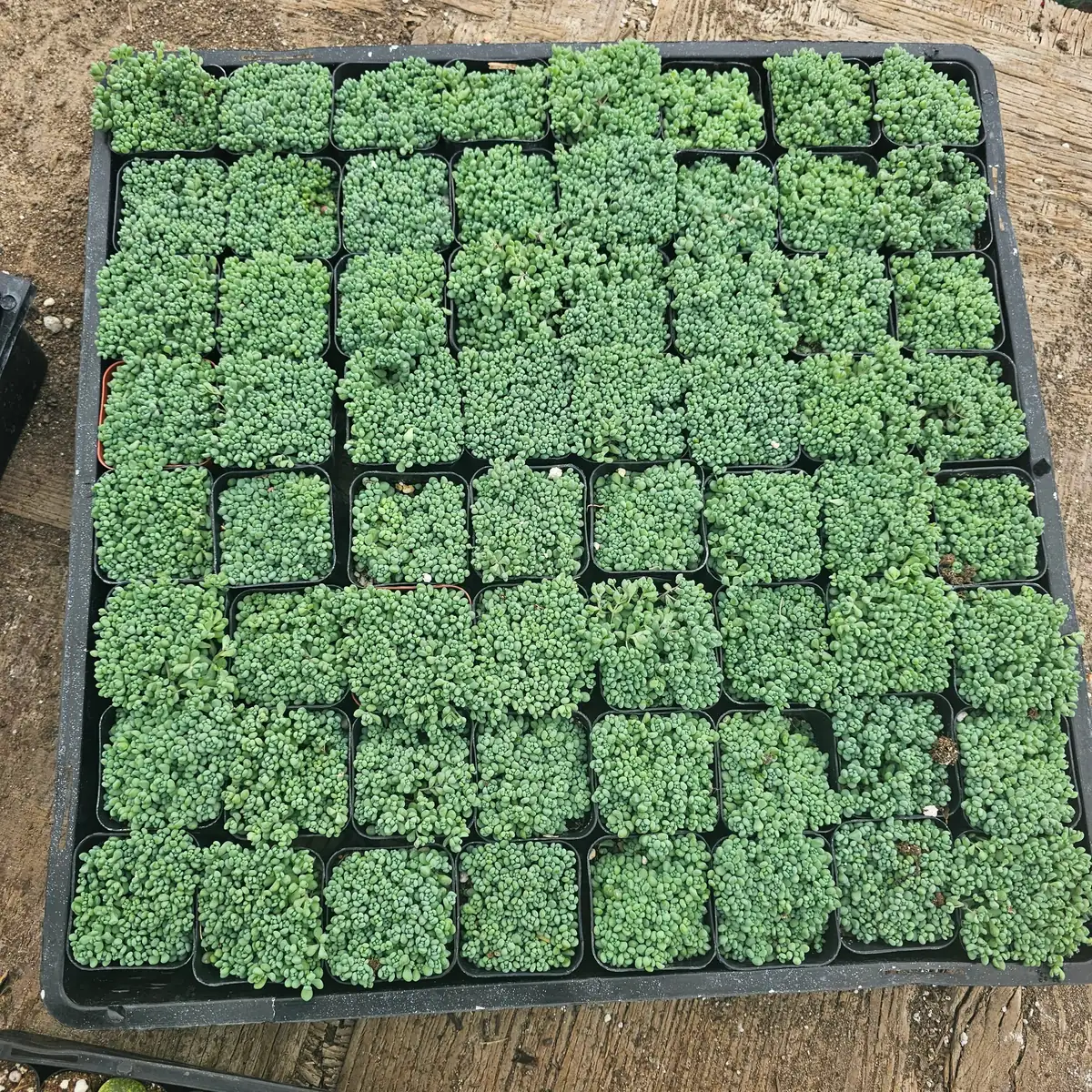
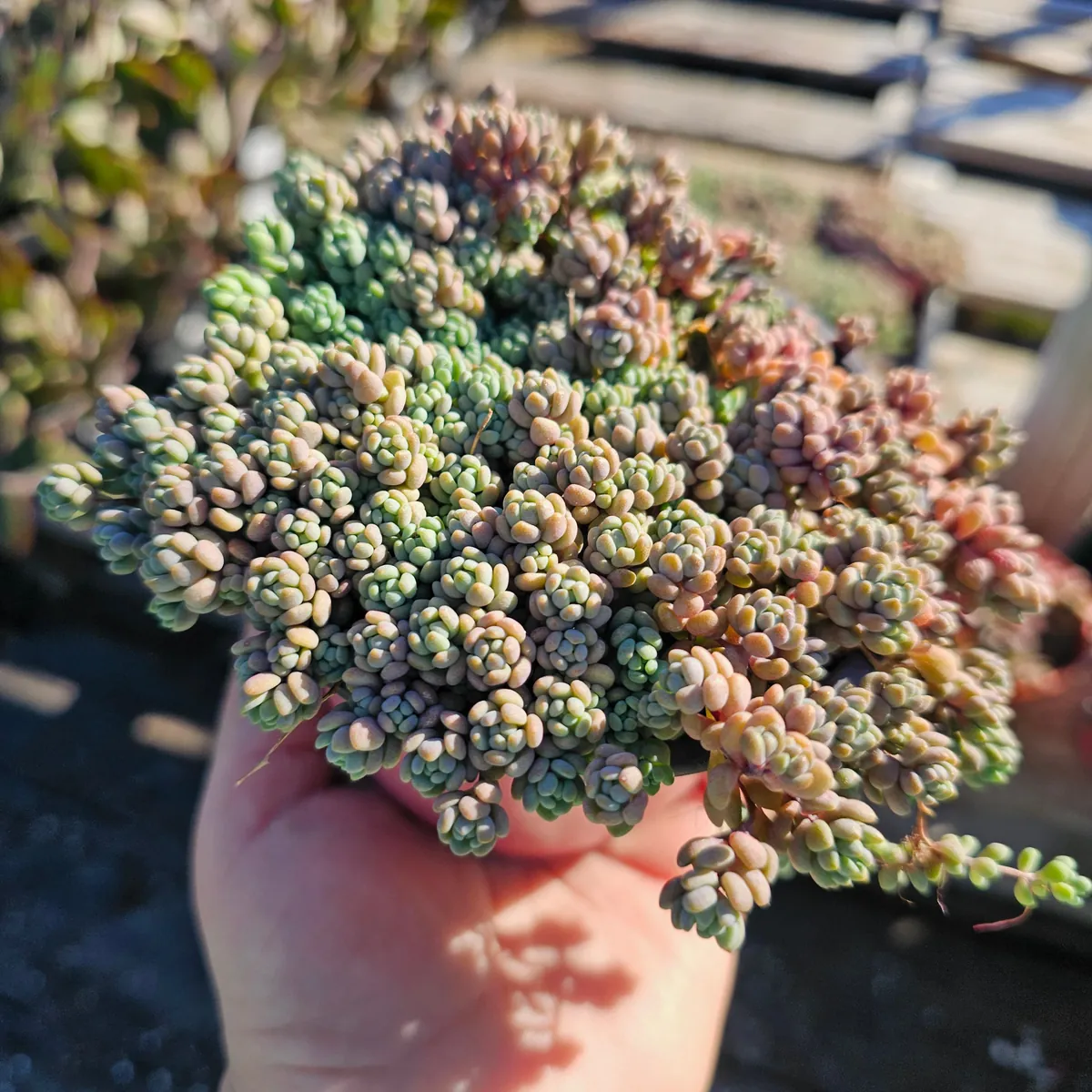
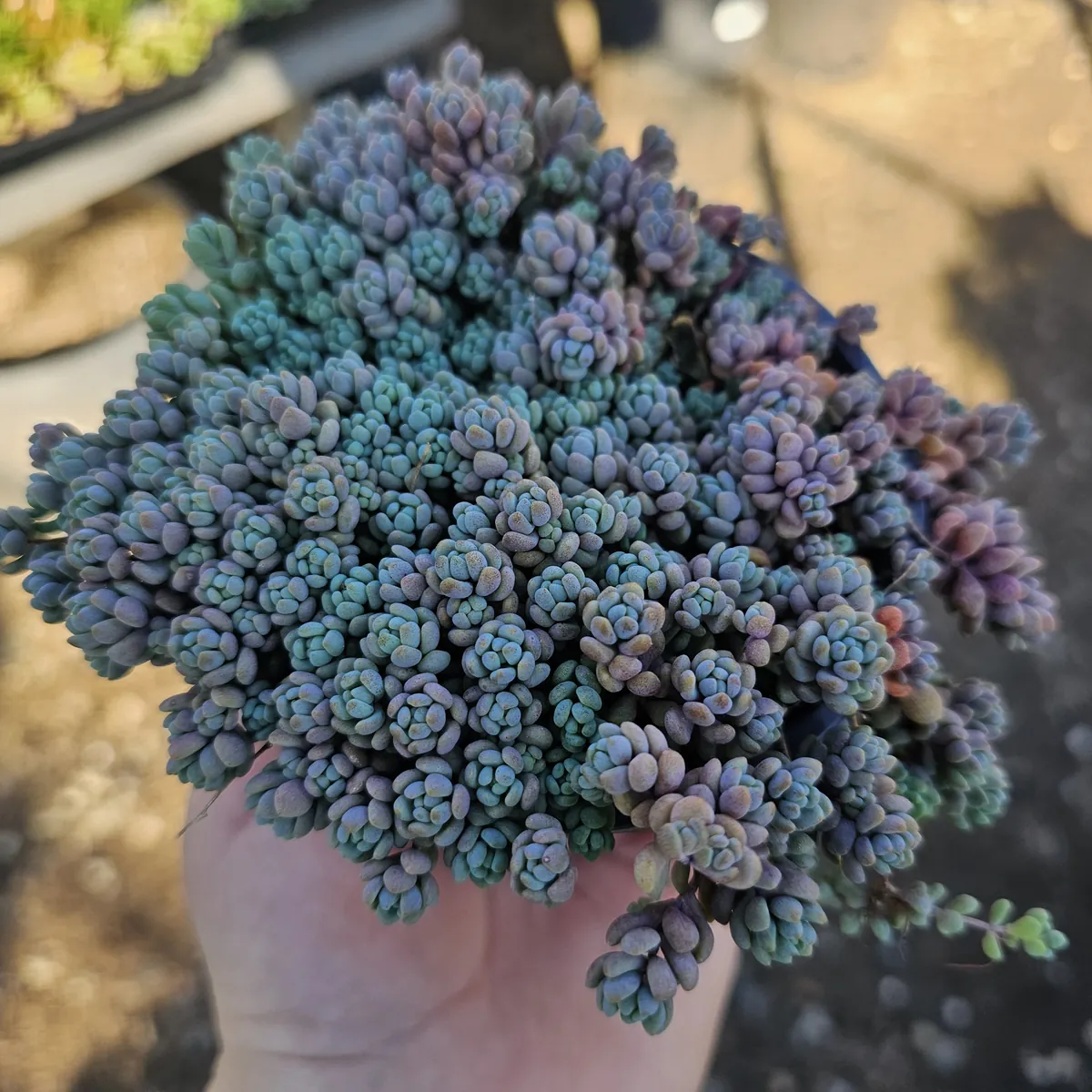
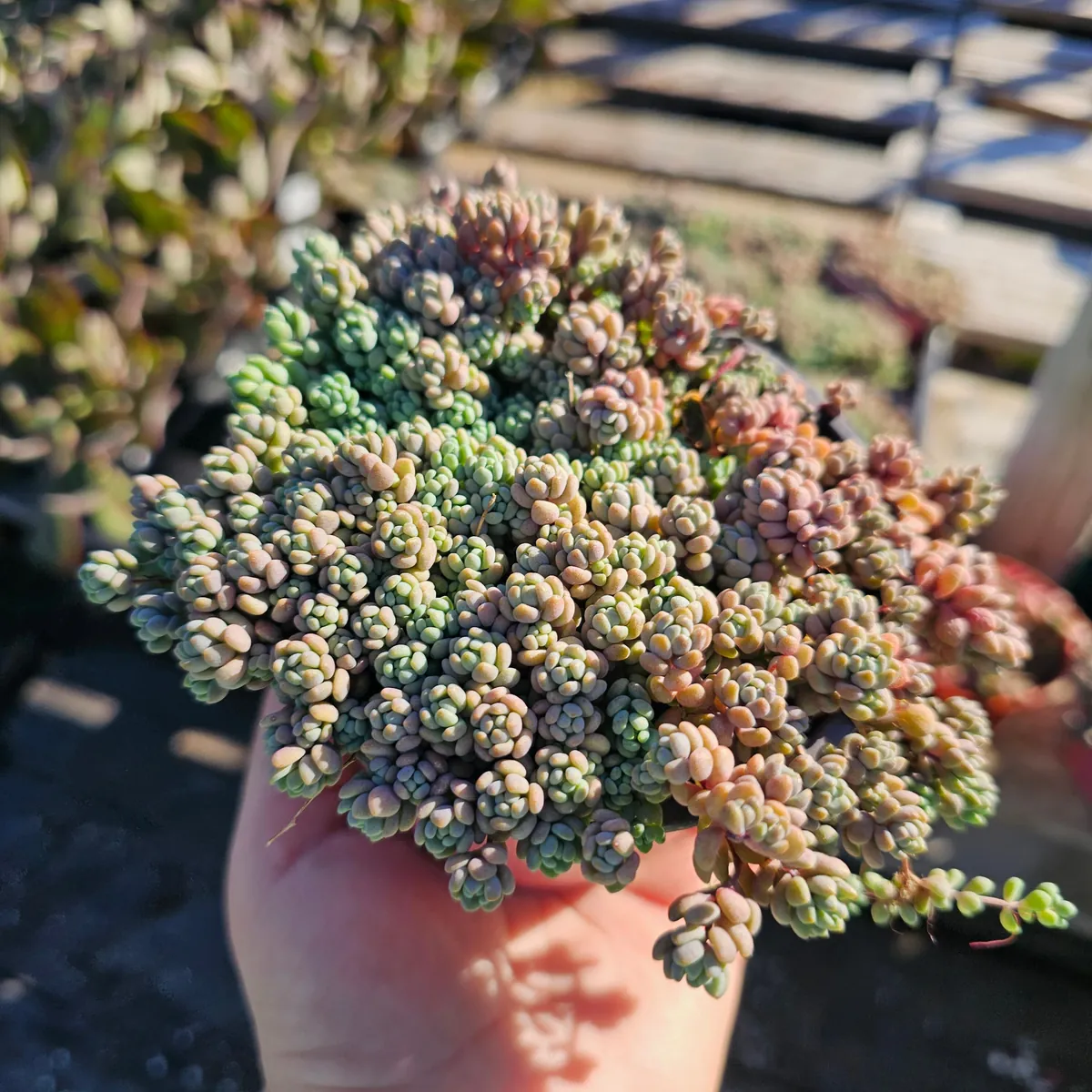
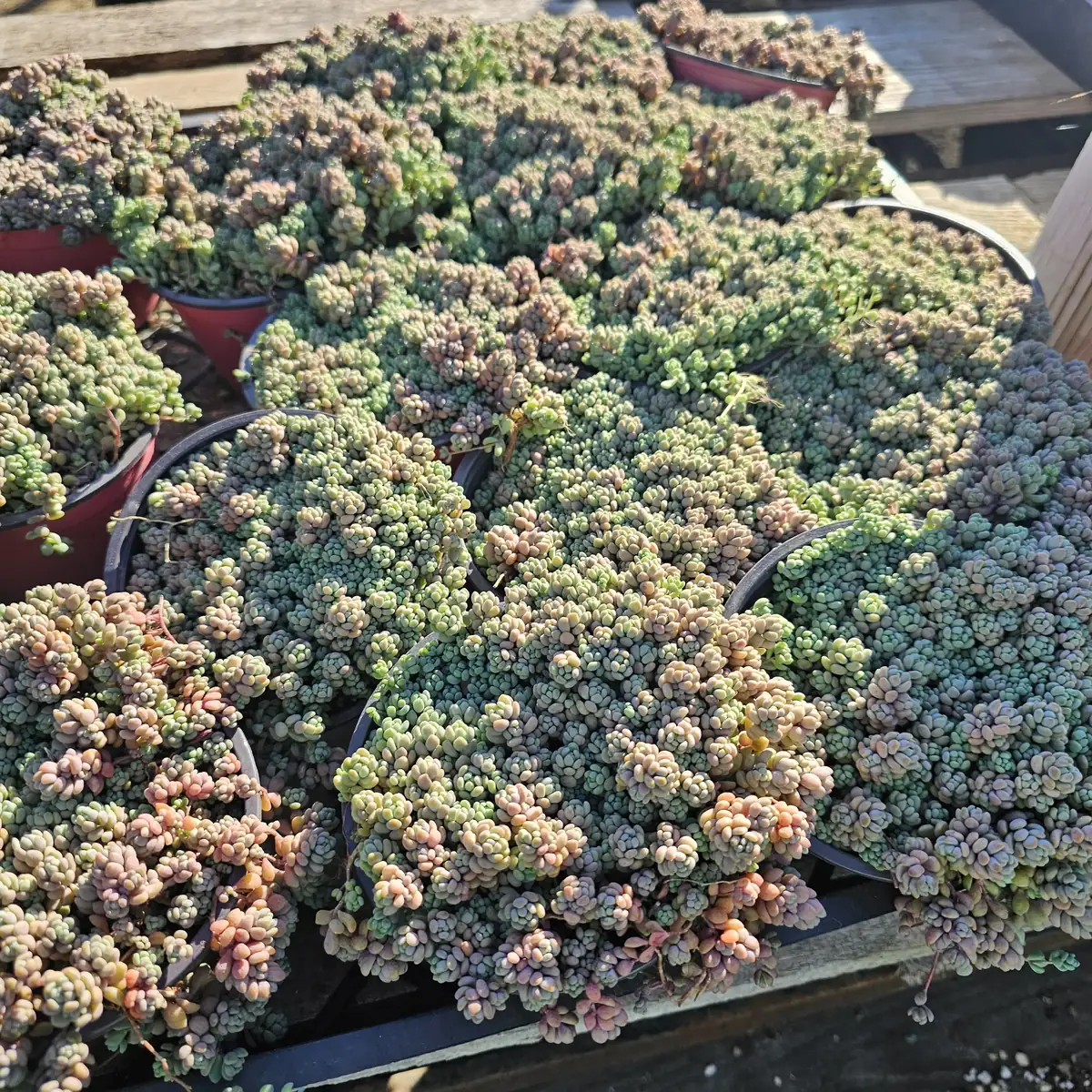
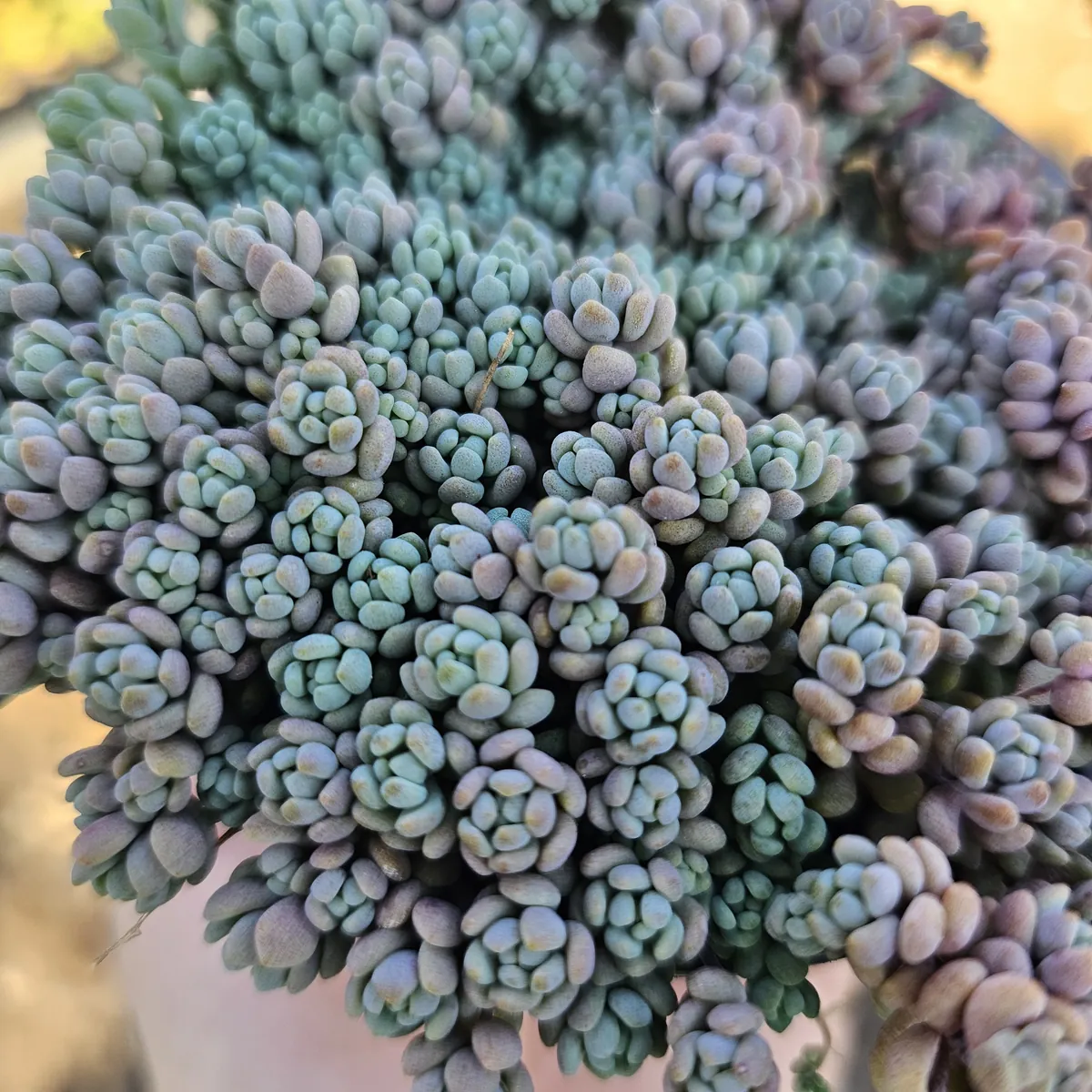
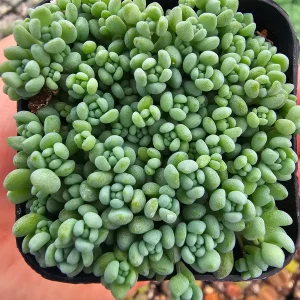
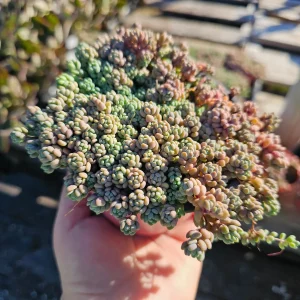
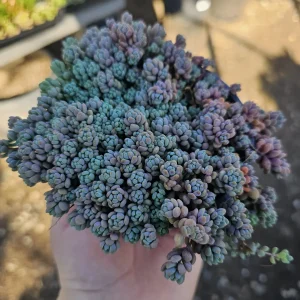
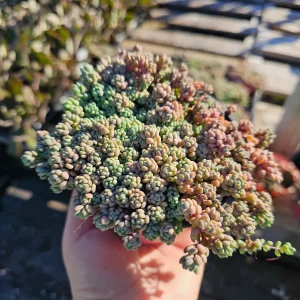
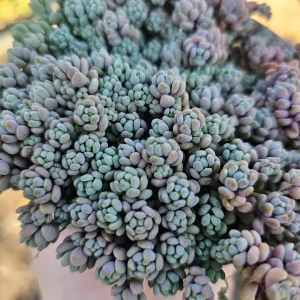
Introduce a touch of whimsical beauty to your plant collection with the exquisite sedum dasyphyllum live plant. Often referred to as ‘Blue Tears Sedum’ or ‘Corsican Stonecrop,’ this miniature succulent is celebrated for its unique, bead-like foliage that creates a dense, cushion-like mat. Each tiny leaf is typically a soft blue-green, sometimes with pinkish or purplish tips, especially when exposed to bright sunlight or cooler temperatures. This particular offering provides a healthy, established plant in a 2-inch pot, making it an ideal choice for immediate enjoyment. Whether you’re an experienced succulent enthusiast or just beginning your green journey, this sedum dasyphyllum live plant is a wonderfully rewarding choice due to its low-maintenance nature and captivating appearance.
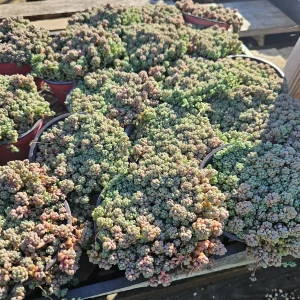
The Sedum dasyphyllum species is native to Europe and North Africa, thriving in rocky, arid conditions. This resilience translates into an easy-to-care-for plant for your home or garden. Its compact growth habit makes it perfect for terrariums, fairy gardens, miniature landscapes, or as a charming groundcover in well-drained areas. The foliage changes color subtly throughout the seasons, offering continuous visual interest. This tiny sedum succulent is known for forming dense, spreading clusters, creating a beautiful carpet of succulent pearls wherever it grows.
Key Benefits
The sedum dasyphyllum live plant offers a multitude of benefits, making it a popular choice among plant lovers. Its unique characteristics contribute to its appeal and ease of care, enhancing any space it inhabits.
- Low Maintenance & Drought Tolerant: This succulent requires minimal watering and care, thriving even with infrequent attention. Its ability to store water in its leaves makes it incredibly resilient to drought conditions, perfect for busy individuals or those new to gardening.
- Unique Aesthetic Appeal: The distinctive bead-like blue-green foliage, often tinged with pink or purple, creates a captivating texture and color contrast. It’s an excellent choice for adding visual interest to succulent arrangements, rock gardens, or small pots. This tiny sedum succulent truly stands out.
- Versatile & Compact Growth: Its small size and spreading nature make it ideal for a variety of uses, including terrariums, miniature gardens, dish gardens, and as a charming groundcover in rockeries. It adapts well to different environments, making it a versatile addition.
- Easy to Propagate: Sedum dasyphyllum is famously easy to propagate from cuttings. Even fallen leaves can often root and grow new plants, allowing you to easily expand your collection or share with friends.
- Hardy & Resilient: Known for its hardiness, this sedum can tolerate a range of conditions, including some colder temperatures, making it a robust choice for various climates. When considering sedum for rock gardens, its resilience is a major plus.
- Air Purification: Like many plants, the sedum dasyphyllum live plant contributes to a healthier indoor environment by absorbing carbon dioxide and releasing oxygen, slightly improving air quality.
- Charming Blooms: In late spring to early summer, tiny white, star-shaped flowers emerge from the foliage, adding another layer of delicate beauty to this already attractive plant.
Plant Care & Growing Tips
Caring for your sedum dasyphyllum live plant is straightforward, making it an excellent choice for both novice and experienced gardeners. Understanding its basic needs will ensure your succulent thrives and displays its beautiful characteristics. Proper sedum dasyphyllum care involves attention to light, water, and soil.
Sunlight Requirements: This succulent absolutely loves bright light. For best coloration and compact growth, provide at least 6 hours of direct sunlight per day. If grown indoors, place it in a south-facing window or under a grow light. Outdoors, it can tolerate full sun, especially in cooler climates. In very hot climates, a little afternoon shade might be beneficial to prevent scorching. Insufficient light will cause the plant to stretch and lose its vibrant colors, becoming leggy and less attractive.
Watering Schedule: As a succulent, Sedum dasyphyllum is extremely drought-tolerant and susceptible to overwatering. The ‘soak and dry’ method is best: water thoroughly until water drains from the bottom of the pot, then allow the soil to dry out completely before watering again. During warmer months, this might be every 2-4 weeks, and significantly less in winter (once a month or even less). Always check the soil moisture with your finger before watering. If the leaves start to look shriveled, it’s a sign of underwatering, but this is less common than overwatering problems.
Soil Type and Drainage: Excellent drainage is paramount for this plant. Use a well-draining succulent or cactus potting mix, or create your own by mixing regular potting soil with perlite, pumice, or coarse sand at a 1:1 ratio. The pot must have drainage holes to prevent water accumulation, which can lead to root rot. Good drainage is crucial for successful sedum dasyphyllum care.
Temperature Range and USDA Hardiness Zone: Sedum dasyphyllum is generally hardy and can tolerate temperatures down to about 20°F (-6°C), making it suitable for USDA Zones 7-10. In colder zones, it should be brought indoors or provided with winter protection. Indoors, average room temperatures are perfectly fine. Protect it from extreme cold and frost, which can damage the foliage.
Fertilization: This succulent is not a heavy feeder. Fertilize sparingly, if at all. A diluted balanced liquid fertilizer (half strength) can be applied once in spring or early summer during its active growing season. Do not fertilize in winter when the plant is dormant. Over-fertilization can lead to weak, leggy growth.
Common Problems: The most common issue is overwatering leading to root rot. Ensure proper drainage and allow soil to dry out between waterings. Pests are generally not a major issue but occasionally mealybugs or aphids can appear. Treat with rubbing alcohol on a cotton swab or insecticidal soap. Keep an eye out for any changes in the plant’s appearance to address issues promptly. For those looking for sedum for rock gardens, these care tips apply equally.
Size & Details
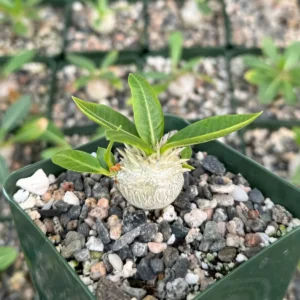
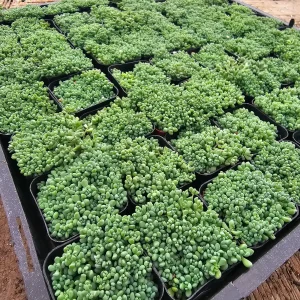
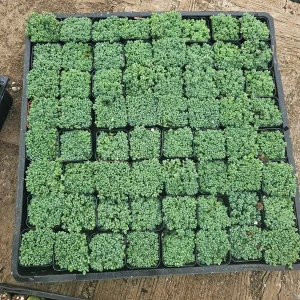
This offering is for one healthy sedum dasyphyllum live plant, carefully cultivated and shipped in a standard 2-inch nursery pot. At the time of shipping, the plant will have established roots and a compact cluster of foliage, typically ranging from 1 to 2 inches in diameter and about 0.5 to 1 inch tall. As a mature plant, Sedum dasyphyllum generally forms a spreading mat, reaching up to 2-3 inches in height and spreading indefinitely as a groundcover, though it can be easily contained in pots. Its growth rate is moderate, and it will gradually fill out its container or spread in the garden.
The plant is shipped in its original nursery pot with some soil to minimize disturbance. Upon arrival, it’s ready to be placed in its new home or repotted into a slightly larger container if desired. Expect to see its delicate white flowers typically in late spring to early summer, adding seasonal charm. This tiny sedum succulent is a wonderful addition to any collection, providing lush, intricate texture from day one.
Frequently Asked Questions
- Q: How big does this sedum dasyphyllum live plant get? A: This plant is a miniature succulent. It typically grows to about 2-3 inches tall and spreads to form a mat. In a pot, its spread will be limited by the container size; in a garden, it can spread indefinitely as groundcover.
- Q: Is this an indoor or outdoor plant? A: Sedum dasyphyllum can be grown both indoors and outdoors. It thrives outdoors in USDA Zones 7-10. Indoors, it requires a very bright, sunny spot, such as a south-facing window, to maintain its compact growth and vibrant color.
- Q: How much sunlight does it need? A: This succulent requires abundant sunlight. Aim for at least 6 hours of direct sunlight daily for optimal growth and coloration. Insufficient light can lead to leggy growth and duller colors.
- Q: Is this plant easy to care for? A: Yes, this tiny sedum succulent is considered very easy to care for, making it an excellent choice for beginners. Its primary requirement is plenty of sunlight and infrequent watering, as it’s highly drought-tolerant.
- Q: What condition will the plant arrive in? A: Your sedum dasyphyllum live plant will arrive well-packaged in its 2-inch nursery pot with some soil. While some soil may shift during transit, the plant is carefully prepared to ensure it reaches you in good health.
- Q: What’s the best soil for sedum dasyphyllum care? A: The best soil is a well-draining succulent or cactus mix. You can also create your own by amending regular potting soil with perlite or pumice to improve drainage. Good drainage is crucial to prevent root rot.
- Q: Will it survive winter in my zone? A: This sedum is hardy in USDA Zones 7-10. If you live in a colder zone, it’s best to bring the plant indoors for winter or provide adequate protection from frost and freezing temperatures.
- Q: How often should I water my sedum for rock gardens? A: Water sparingly using the ‘soak and dry’ method. Water thoroughly, then allow the soil to dry out completely before watering again. This could be every 2-4 weeks in warmer months and much less frequently in winter.
- Q: Does Sedum dasyphyllum flower? A: Yes, in late spring to early summer, the sedum dasyphyllum live plant produces small, delicate white, star-shaped flowers that emerge from the foliage, adding to its charm.
- Q: Is this plant pet-safe? A: Sedum species are generally considered non-toxic to pets according to the ASPCA, but it’s always wise to prevent pets from consuming large quantities of any plant.


Reviews
There are no reviews yet.