Overview
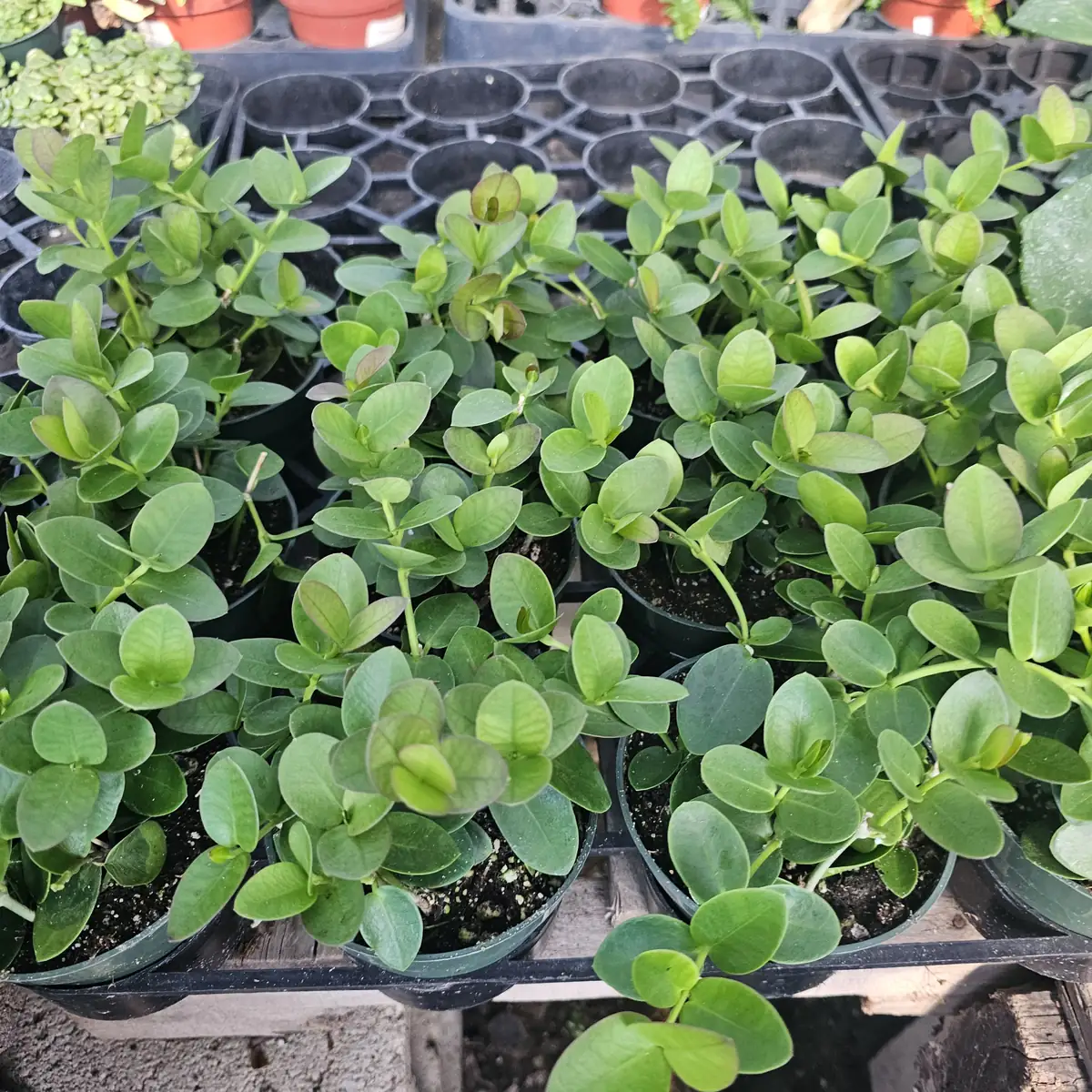
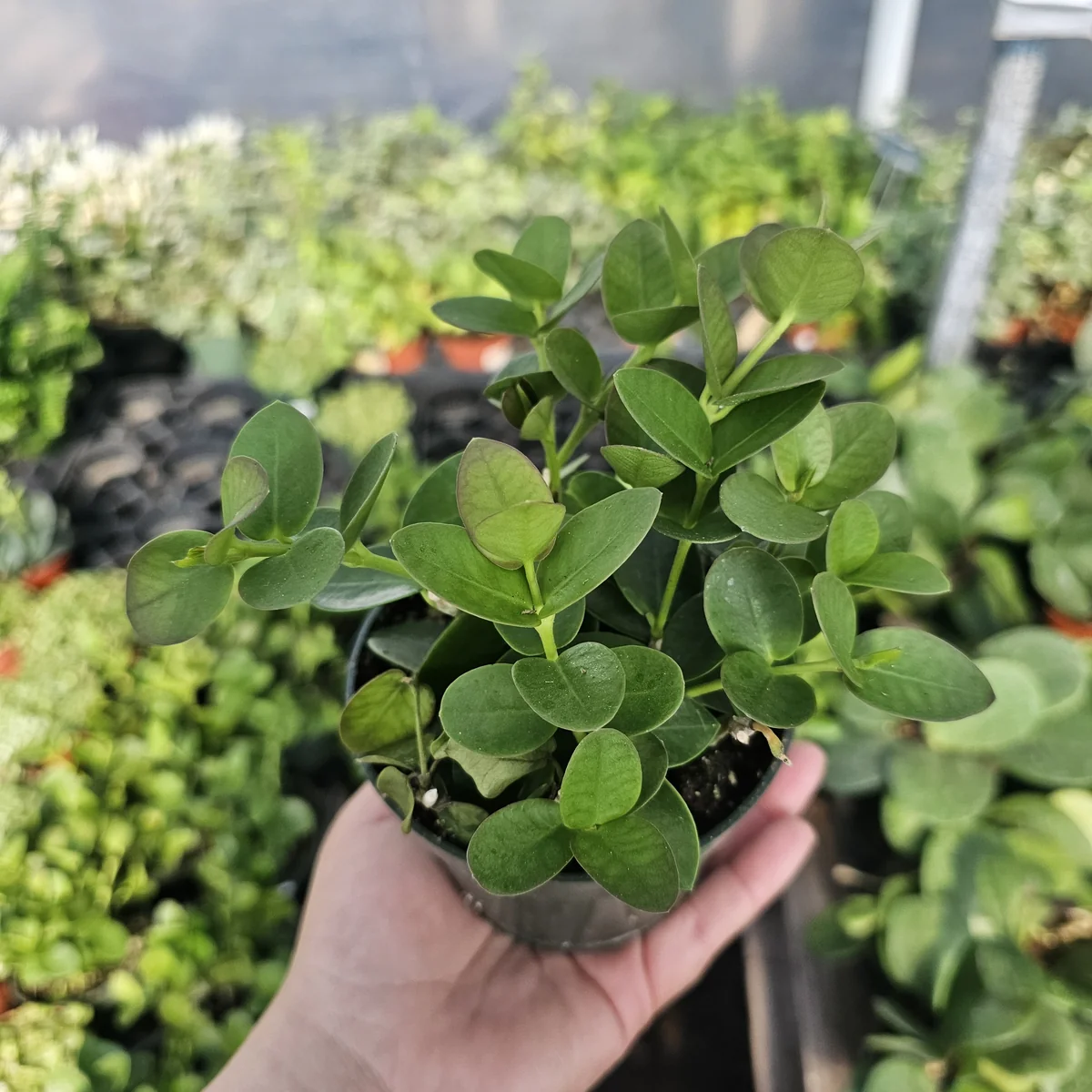
Introduce a touch of exotic elegance to your indoor plant collection with the exquisite Hoya Cunninghamia live plant. This captivating Hoya species is celebrated for its lush, succulent-like leaves and graceful vining nature, making it an ideal choice for enthusiasts and beginners alike. Originating from tropical regions, the Hoya Cunninghamia is a true gem, known for its relatively compact growth and the potential to produce delicate, star-shaped flowers under optimal conditions. As a Hoya plant indoor specimen, it adapts wonderfully to household environments, adding a vibrant green accent to any room. Whether you’re looking to enhance your living space or seeking a unique gift for a plant lover, this Hoya promises beauty and a rewarding growing experience.
The Hoya Cunninghamia live plant is often sought after for its distinctive foliage, which can vary slightly in shape and texture, contributing to its unique charm. It’s a fantastic conversation starter and a testament to the incredible diversity of the Hoya genus. Its trailing habit makes it perfect for elevated displays, allowing its vines to cascade beautifully. With proper Hoya Cunninghamia care, this plant will flourish, becoming a cherished part of your indoor garden.
Key Benefits
The Hoya Cunninghamia live plant offers numerous advantages, making it a desirable addition to any home. Its unique characteristics contribute to both aesthetic appeal and a pleasant living environment.
- Stunning Ornamental Value: The Hoya Cunninghamia boasts attractive, often textured leaves that provide year-round greenery. Its vining habit makes it perfect for adding vertical interest to your decor, whether in hanging baskets or trailing from shelves.
- Air Purification: Like many houseplants, the Hoya plant indoor helps improve indoor air quality by absorbing common household toxins and releasing fresh oxygen, contributing to a healthier living space.
- Low Maintenance & Easy Care: Known for being relatively forgiving, the Hoya Cunninghamia live plant is an excellent choice for busy individuals or those new to plant care. It tolerates occasional neglect better than many other tropical plants.
- Unique Flowering Potential: While primarily grown for its foliage, mature Hoya Cunninghamia plants can produce clusters of fragrant, star-shaped flowers, adding an unexpected layer of beauty and a sweet scent to your home.
- Versatile Placement: Its adaptable nature allows it to thrive in various indoor settings, from bright windowsills to slightly shadier corners, as long as its basic light requirements are met.
- Pet-Friendly: Hoyas are generally considered non-toxic to pets, making the Hoya Cunninghamia live plant a safer choice for households with curious cats and dogs.
- Excellent for Propagation: For those interested in expanding their collection or sharing with friends, Hoya Cunninghamia propagation is relatively straightforward, allowing you to create new plants from cuttings.
Plant Care & Growing Tips
Providing the right environment for your Hoya Cunninghamia live plant is key to its health and vigorous growth. These tropical beauties thrive with consistent, attentive care.
Sunlight Requirements: Hoya Cunninghamia prefers bright, indirect light. An east-facing window is often ideal, providing gentle morning sun. A west or south-facing window with sheer curtains can also work. Avoid direct, harsh afternoon sun, which can scorch the leaves. Insufficient light may hinder flowering, but too much direct sun can damage the foliage of your Hoya plant indoor.
Watering Schedule: Allow the soil to dry out almost completely between waterings. Hoyas are somewhat succulent and store water in their leaves, making them more tolerant of underwatering than overwatering. Stick your finger about 2 inches into the soil; if it feels dry, it’s time to water thoroughly until water drains from the bottom. Reduce watering during the cooler, darker months. Proper watering is a crucial aspect of successful Hoya Cunninghamia care.
Soil Type and Drainage: A well-draining potting mix is essential to prevent root rot. A mix formulated for succulents or orchids, or a general houseplant mix amended with perlite, orchid bark, or coco coir, works well. Good drainage is paramount for the health of your Hoya Cunninghamia live plant.
Temperature and Humidity: Hoya Cunninghamia thrives in typical household temperatures, ideally between 60-80°F (15-27°C). Protect it from cold drafts and temperatures below 50°F (10°C). While they tolerate average household humidity, they will appreciate higher humidity levels (50-70%), especially if you’re interested in Hoya Cunninghamia propagation. You can increase humidity with a pebble tray, humidifier, or by grouping plants together.
Fertilization: Fertilize your Hoya during its active growing season (spring and summer) every 2-4 weeks with a balanced liquid fertilizer diluted to half strength. Reduce or stop fertilizing during fall and winter when growth slows. Over-fertilization can harm the plant.
Common Problems: Watch out for common pests like mealybugs, spider mites, and scale, especially on the undersides of leaves. Treat promptly with neem oil or insecticidal soap. Yellowing leaves can indicate overwatering, while shriveled leaves might suggest underwatering or too much direct sun. Addressing these issues quickly is part of effective easy care Hoya management.
Size & Details
Each Hoya Cunninghamia live plant is carefully cultivated and offered in a nursery grow pot, providing a healthy start for your new houseplant. You have the option to choose between a 2in pot or a 4in pot size. Plants in 2in pots are typically younger and smaller, perfect for those who enjoy watching their plants grow from a more compact stage. The 4in pot option offers a more established plant with a greater root system and more developed foliage. The exact height and spread of each plant will vary based on its specific growth, but they are selected to be representative of the size option chosen. These plants are shipped in their nursery pots to minimize stress during transit, ensuring they arrive ready to thrive in their new home. Expect a moderate growth rate, with vines extending several inches per year under ideal conditions, making it a rewarding plant to observe as it matures.
Frequently Asked Questions
- Q: How big does this plant get? A: The Hoya Cunninghamia live plant is a vining species. Its vines can grow several feet long over time, especially with proper support or allowed to trail. The size of the foliage and overall fullness will depend on the pot size and growing conditions.
- Q: Is this an indoor or outdoor plant? A: The Hoya Cunninghamia is primarily an indoor houseplant in most climates. It thrives in warm, humid conditions typical of tropical regions. If you live in a USDA zone with consistently warm temperatures, it can be grown outdoors in a sheltered, shaded location, but it is best kept as a Hoya plant indoor.
- Q: How much sunlight does it need? A: This Hoya prefers bright, indirect light. Direct, harsh sunlight can burn its leaves, while too little light may prevent it from flowering and result in leggy growth. An east-facing window or a bright room with no direct sun is ideal for optimal Hoya Cunninghamia care.
- Q: Is this plant easy to care for? A: Yes, the Hoya Cunninghamia live plant is considered relatively easy to care for, making it suitable for beginners. It’s forgiving of occasional missed waterings and generally robust if its basic light and watering needs are met, embodying the spirit of an easy care Hoya.
- Q: What condition will it arrive in? A: Your Hoya Cunninghamia will arrive carefully packaged in its original nursery grow pot, with soil to ensure its stability and health during transit. While some minor soil shifting may occur, every effort is made to protect the plant.
- Q: How do I propagate Hoya Cunninghamia? A: Hoya Cunninghamia propagation is typically done through stem cuttings. Take a cutting with at least two nodes, allow the cut end to callus for a day or two, then root it in water or a well-draining potting mix.
- Q: When is the best time to repot my Hoya Cunninghamia? A: Repotting is generally needed every 2-3 years or when the plant becomes root-bound. The best time to repot is in the spring or early summer, when the plant is actively growing.
- Q: Is the Hoya Cunninghamia pet-safe? A: Yes, Hoyas are generally considered non-toxic to cats and dogs by the ASPCA, making the Hoya Cunninghamia live plant a relatively safe choice for homes with pets.
- Q: What is the ideal soil for this Hoya? A: A well-draining, airy potting mix is crucial. You can use a mix designed for succulents or orchids, or create your own by combining regular potting soil with perlite, orchid bark, or coco coir to enhance drainage and aeration.
- Q: Will my Hoya Cunninghamia flower? A: While primarily grown for its foliage, mature Hoya Cunninghamia plants can flower under optimal conditions, including sufficient bright indirect light, appropriate watering, and consistent temperatures. Patience is key, as some Hoyas take several years to bloom.


Reviews
There are no reviews yet.