Overview
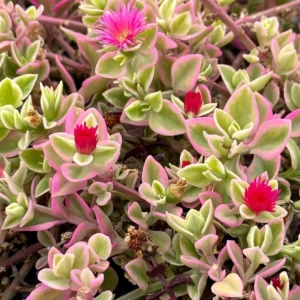
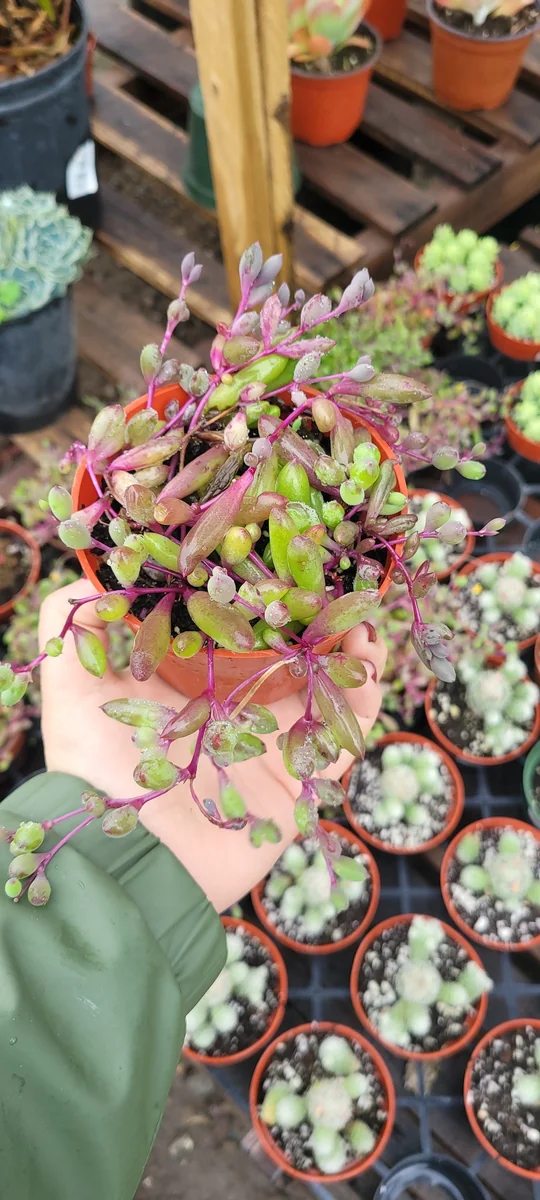
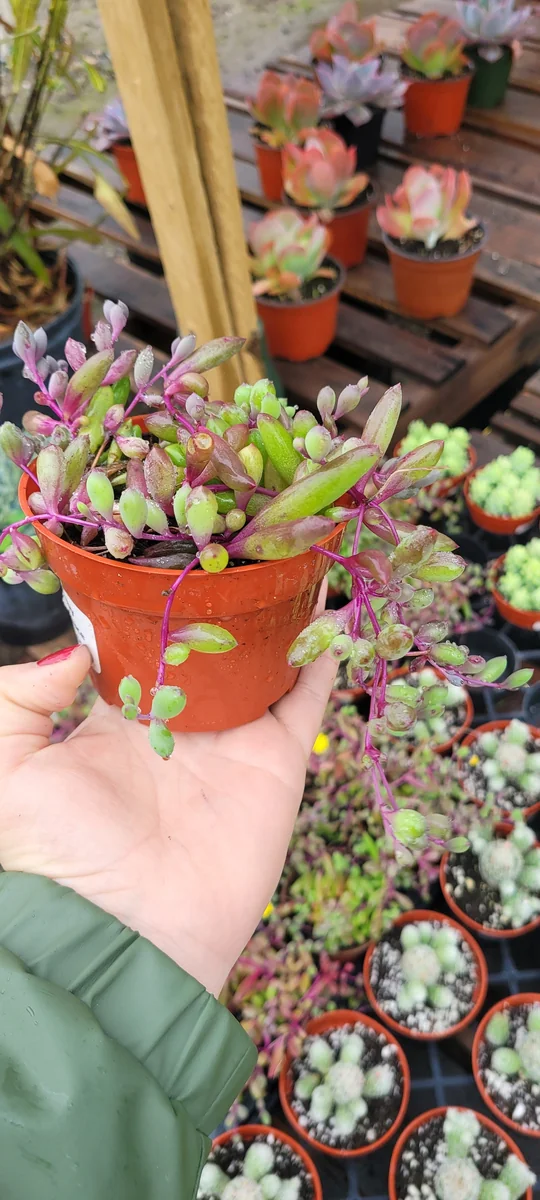
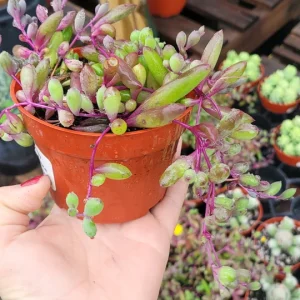
Introduce a touch of radiant beauty to your plant collection with the captivating ruby necklace succulent, also known by its botanical name, Othonna capensis. This unique and vibrant live plant is celebrated for its distinctive trailing stems adorned with small, bean-shaped leaves that can shift in color from green to a striking ruby red or purple, especially when exposed to ample sunlight. Originating from South Africa, this succulent is a fantastic choice for both novice and experienced plant enthusiasts due to its relatively low-maintenance nature and stunning visual appeal. Whether you’re looking to enhance your indoor living space or add a pop of color to your outdoor garden, the ruby necklace succulent is an excellent choice. It’s available in convenient 2-inch and 4-inch nursery pots, ready to be transplanted into your favorite decorative container or hanging basket.
The ruby necklace plant care is straightforward, making it an ideal candidate for busy individuals or those new to succulent cultivation. Its adaptability allows it to thrive in various settings, providing a consistent source of natural beauty. The plant’s ability to change leaf color with light exposure adds an exciting dynamic, offering a constantly evolving display of hues. This colorful succulent is sure to be a conversation starter and a cherished addition to any plant enthusiast’s home.
Key Benefits
The ruby necklace succulent offers a multitude of benefits that make it a highly desirable addition to any plant collection. Its unique characteristics contribute to both aesthetic appeal and ease of care, ensuring a rewarding experience for growers.
- Stunning Visual Appeal: The most striking feature of the ruby necklace succulent is its vibrant coloration. The stems and leaves can range from bright green to deep ruby red and purple, especially when ‘stressed’ by sunlight, creating a dynamic and eye-catching display. This makes it an excellent focal point in any room or garden.
- Low Maintenance: As a succulent, Othonna capensis is inherently low-maintenance. It tolerates infrequent watering and can thrive on neglect, making it perfect for busy individuals or those who are new to plant care. This characteristic contributes to the ease of ruby necklace plant care.
- Versatile Display Options: Its naturally trailing growth habit makes the ruby necklace succulent ideal for hanging baskets, allowing its colorful stems to cascade beautifully. It also works wonderfully as a groundcover in rock gardens or as a spiller in mixed container arrangements.
- Drought Tolerant: Adapted to arid environments, this succulent stores water in its leaves and stems, allowing it to withstand periods of drought. This reduces the need for frequent watering, simplifying its care routine significantly.
- Air Purifying Qualities: Like many houseplants, the ruby necklace succulent contributes to improved indoor air quality by absorbing certain toxins and releasing oxygen, promoting a healthier living environment.
- Pet-Friendly: According to most sources, Othonna capensis is considered non-toxic to pets, making it a safer choice for households with curious cats and dogs, though ingestion in large quantities should always be avoided.
- Rapid Growth: This plant is known for its relatively fast growth rate, quickly filling out pots and baskets with its beautiful foliage, providing a lush look in a short amount of time.
Plant Care & Growing Tips
Proper ruby necklace plant care is essential for its vibrant growth and health. While generally low-maintenance, understanding its specific needs will ensure your ruby necklace succulent thrives. This plant prefers bright, indirect sunlight for most of the day. If grown indoors, a south or west-facing window is ideal, but be cautious of intense, direct afternoon sun which can scorch the leaves. Outdoors, it enjoys partial sun to full sun, especially in cooler climates. More direct sunlight will encourage the beautiful ruby and purple hues in its foliage, making it a truly colorful succulent. However, too much intense sun can lead to sunburn, so monitor your plant closely and adjust its placement as needed.
When it comes to watering, the ‘soak and dry’ method is best for Othonna capensis. Water thoroughly until water drains from the bottom of the pot, then allow the soil to dry out completely before watering again. Overwatering is the most common cause of succulent demise, leading to root rot. During winter months, when the plant’s growth slows, reduce watering frequency significantly. Use a well-draining potting mix specifically formulated for succulents and cacti. A mix of potting soil, perlite, and coarse sand in equal parts works well. Good drainage is crucial to prevent waterlogged roots. The ruby necklace succulent is relatively hardy but prefers temperatures between 60-80°F (15-27°C). It can tolerate brief dips to 40°F (4°C) but should be protected from frost. It is generally suitable for USDA zones 9-11 for outdoor growth. Fertilize sparingly during the growing season (spring and summer) with a diluted, balanced liquid succulent fertilizer. Avoid fertilizing in winter. Common problems include overwatering leading to rot, and under-watering causing shriveled leaves. Keep an eye out for pests like mealybugs, which can be treated with insecticidal soap.
Size & Details
This ruby necklace succulent is offered in two convenient sizes: a 2-inch nursery pot and a 4-inch nursery pot. The 2-inch pot is perfect for starting small collections, creating miniature succulent arrangements, or as a desk companion. The 4-inch pot provides a more established plant with longer trailing stems, ideal for immediate impact in hanging baskets or larger displays. The plant typically grows as a compact clump initially, then develops long, trailing stems that can reach lengths of several feet over time, especially when given adequate space and light. Its growth rate is considered moderate to fast under optimal conditions, quickly forming an attractive cascade of foliage. Expect your plant to arrive as a healthy, rooted specimen, ready for transplanting into its permanent home. The ruby necklace succulent will continue to grow and develop its characteristic vibrant colors with proper care and light exposure.
Frequently Asked Questions
- Q: How big does this plant get? A: The ruby necklace succulent typically forms a compact clump but its trailing stems can grow quite long, often several feet in length over time, making it excellent for hanging baskets. The size of the pot will also influence its overall growth.
- Q: What size pot does it come in? A: This plant is available in two sizes: a 2-inch nursery pot and a 4-inch nursery pot, providing options for various planting needs and display preferences.
- Q: Is this an indoor or outdoor plant? A: The ruby necklace succulent can thrive both indoors and outdoors. Indoors, it needs bright, indirect light. Outdoors, it prefers partial to full sun in warmer climates (USDA zones 9-11) and should be protected from frost.
- Q: How much sunlight does it need? A: This colorful succulent requires bright light to maintain its vibrant ruby and purple hues. Aim for at least 4-6 hours of bright, indirect sunlight daily. More direct sun can intensify its color but watch for signs of scorching.
- Q: Is this plant easy to care for? A: Yes, the ruby necklace succulent is considered an easy-care plant, making it suitable for beginners. Its drought tolerance and minimal watering requirements simplify its care routine, contributing to its popularity.
- Q: What condition will it arrive in? A: Your ruby necklace succulent will arrive as a healthy, live plant, carefully packaged to minimize stress during transit. It will be rooted in its nursery pot, ready for you to introduce to its new environment.
- Q: Is it shipped in soil? A: Yes, the plant is shipped in its original nursery pot with soil to ensure its well-being during transportation and facilitate an easy transition to your home.
- Q: Is the ruby necklace succulent pet-safe? A: While generally considered non-toxic to pets, it’s always best to prevent pets from ingesting any houseplant. If you have concerns, consult your veterinarian.
- Q: How often should I water my ruby necklace succulent? A: Water only when the soil has completely dried out. This typically means once every 2-4 weeks, depending on light, temperature, and humidity. Overwatering is the biggest risk for this plant.
- Q: When is the best time to repot this plant? A: The best time to repot your ruby necklace succulent is during its active growing season, which is spring or early summer. This allows the plant to quickly recover from any transplant shock.


Reviews
There are no reviews yet.