Overview
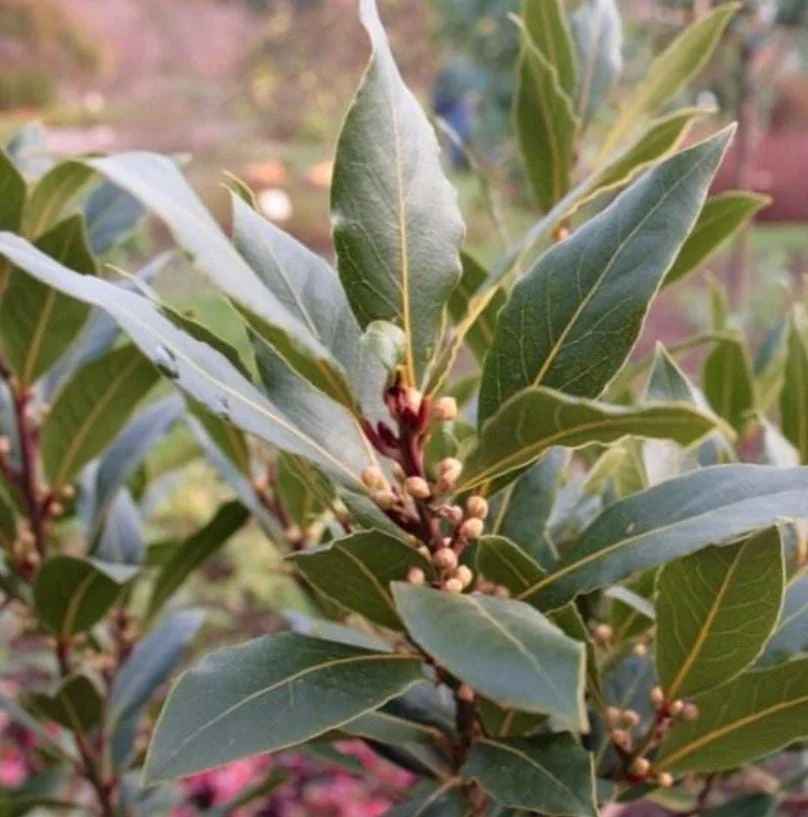
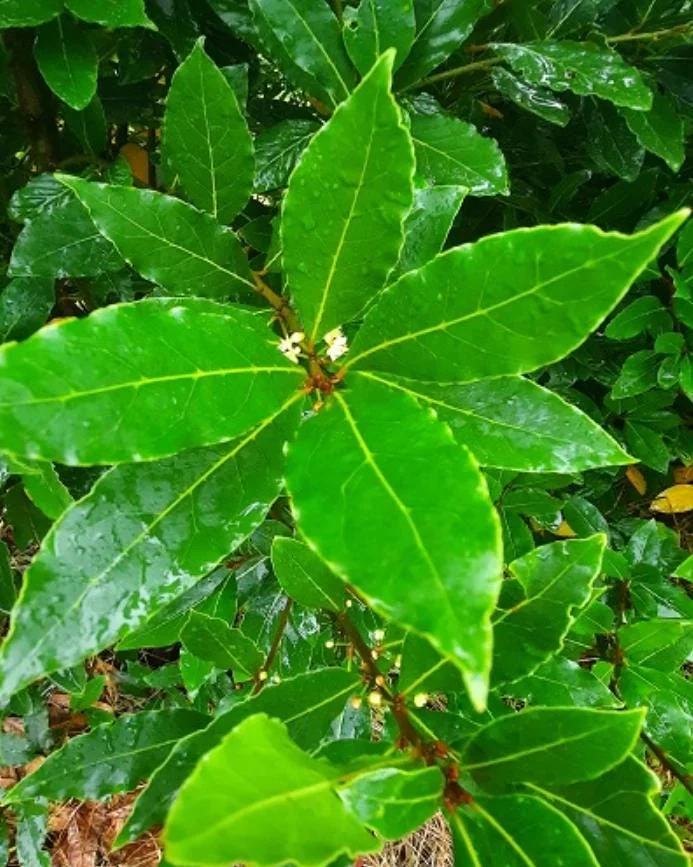
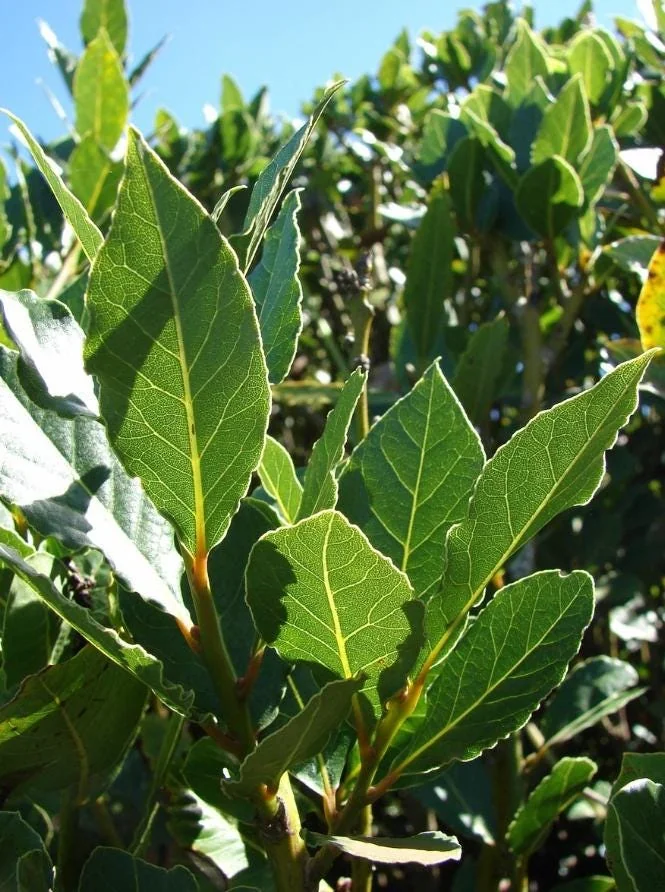
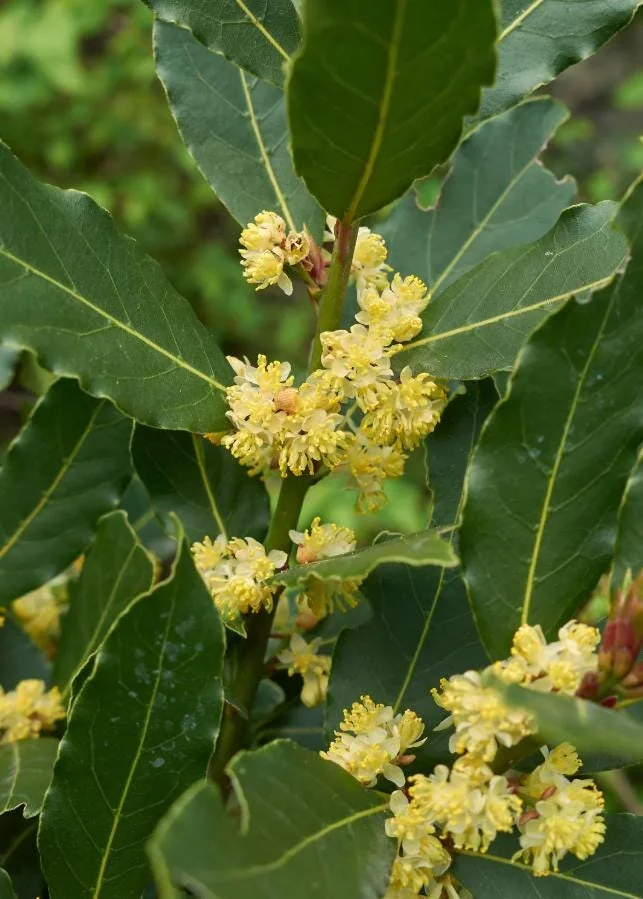
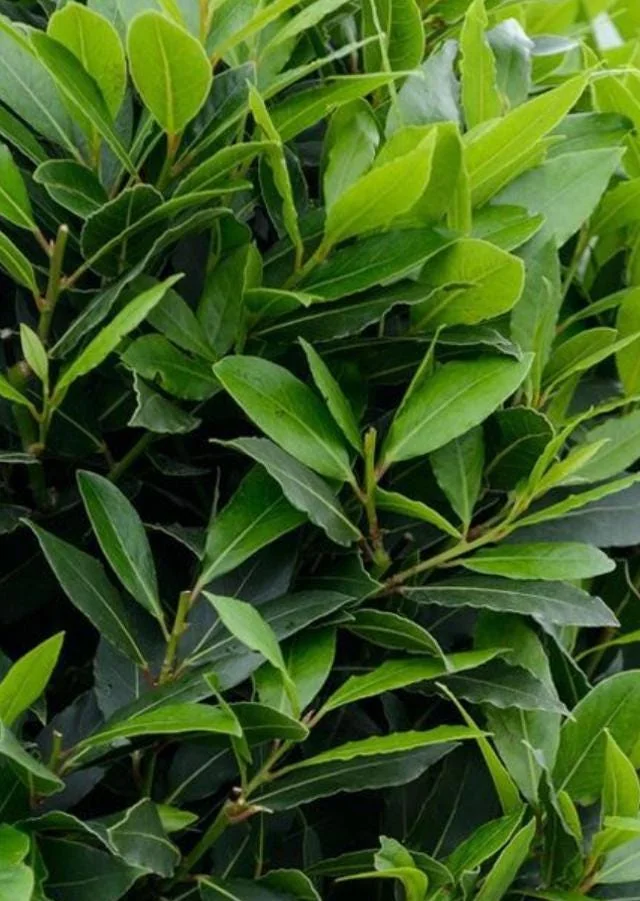
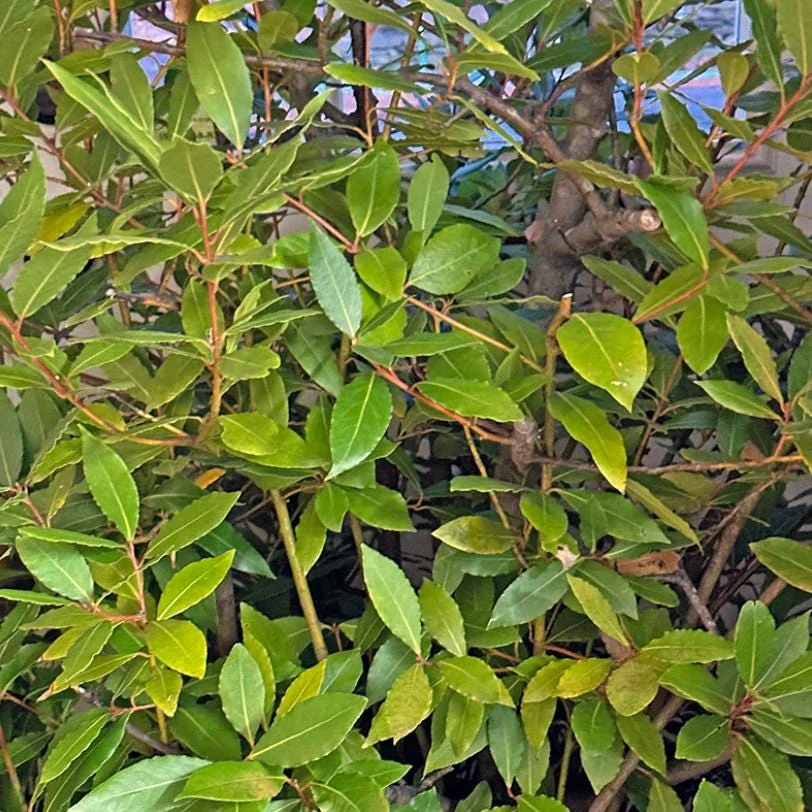
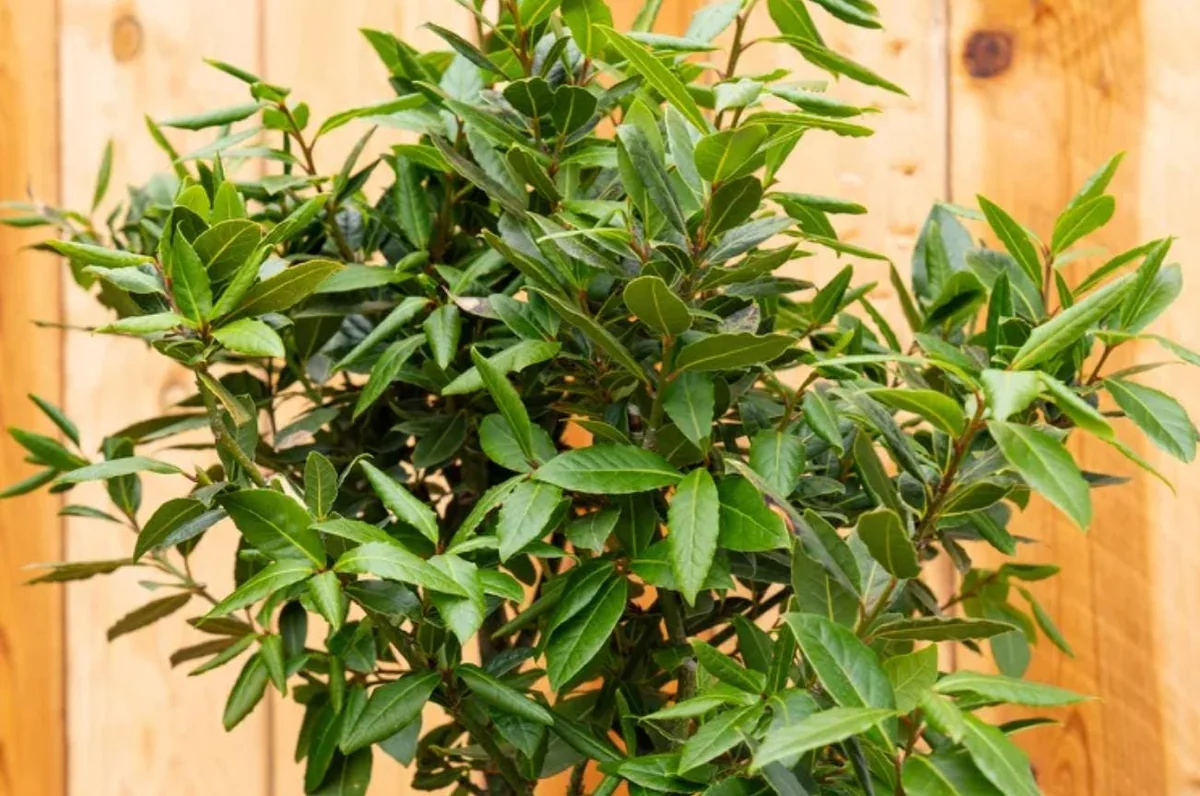
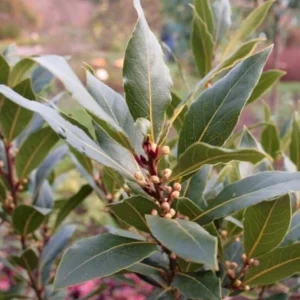
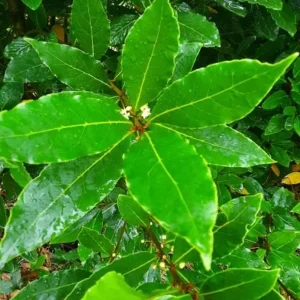
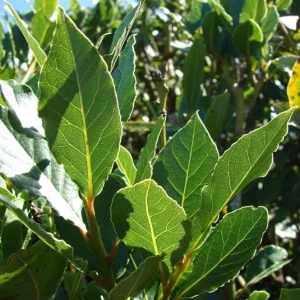
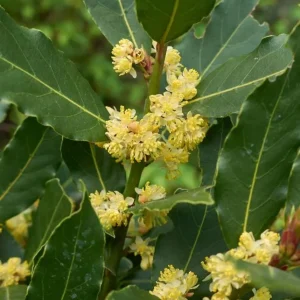
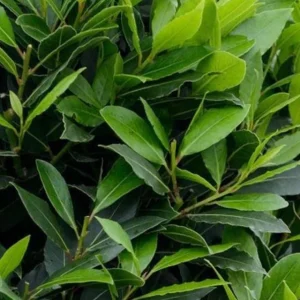
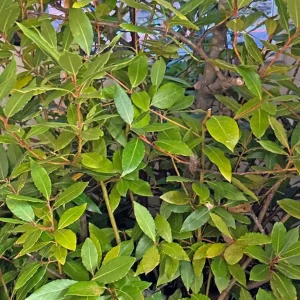
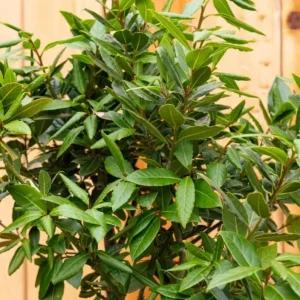
Introduce the timeless elegance and culinary delight of a live bay laurel plant (Laurus nobilis) into your garden or home. This exquisite evergreen shrub, often referred to as a Bay Leaf Tree, is cherished for its glossy, dark green, aromatic foliage and stately presence. Ideal for both seasoned gardeners and culinary enthusiasts, this plant provides a continuous supply of fresh bay leaves, essential for enriching a wide array of dishes. Our healthy bay leaf starter plant arrives ready to thrive, allowing you to easily establish this versatile herb in your chosen environment. The Bay Laurel is a symbol of victory and honor, making it not just a practical herb but also a plant with rich historical significance and aesthetic appeal.
Whether you’re looking to enhance your herb garden, create a living privacy screen, or cultivate a beautiful topiary, the live bay laurel plant offers year-round beauty and utility. It’s a robust and adaptable plant, known for its longevity and relatively low maintenance requirements once established. This starter plant provides an excellent foundation for growing a magnificent Bay Laurel, bringing both charm and flavor to your life.
Key Benefits
Bringing a live bay laurel plant into your home or garden offers numerous advantages, from its practical culinary uses to its aesthetic contributions to your landscape. This versatile plant is a true asset:
- Fresh Culinary Leaves: Enjoy an endless supply of fresh, aromatic bay leaves to elevate your cooking. Unlike dried leaves, fresh bay leaves impart a more vibrant and complex flavor to stews, soups, sauces, and roasts.
- Elegant Evergreen Foliage: The glossy, dark green leaves provide year-round visual appeal, adding structure and sophistication to any garden design or indoor setting. It maintains its lush appearance throughout all seasons.
- Versatile Landscaping Plant: Perfect for creating privacy hedges, shaping into formal topiaries, growing in containers on patios, or as a striking standalone feature. Its adaptability makes it suitable for various garden styles.
- Aromatic Qualities: Beyond its culinary use, the foliage releases a subtle, pleasant aroma, especially when brushed or crushed, contributing to a delightful sensory experience in your garden.
- Low Maintenance & Hardy: Once established, the laurus nobilis plant is remarkably resilient and requires minimal care, making it an excellent choice for busy gardeners. It tolerates a range of conditions and is relatively pest-resistant.
- Air Purifying: Like many live plants, the Bay Laurel contributes to a healthier environment by naturally filtering air and producing oxygen.
- Long-Lived Specimen: With proper care, a Bay Laurel tree can live for many decades, becoming a cherished and enduring part of your landscape.
Plant Care & Growing Tips
Caring for your live bay laurel plant is straightforward, ensuring a healthy and productive herb for years to come. This robust evergreen thrives with consistent attention to a few key environmental factors. For optimal growth, provide a location that receives full sun to partial shade, ideally with at least 6 hours of direct sunlight per day. While it can tolerate some shade, more sun generally leads to denser foliage and better leaf production. Protect young plants from harsh, strong winds, especially in colder climates, as this can cause leaf burn.
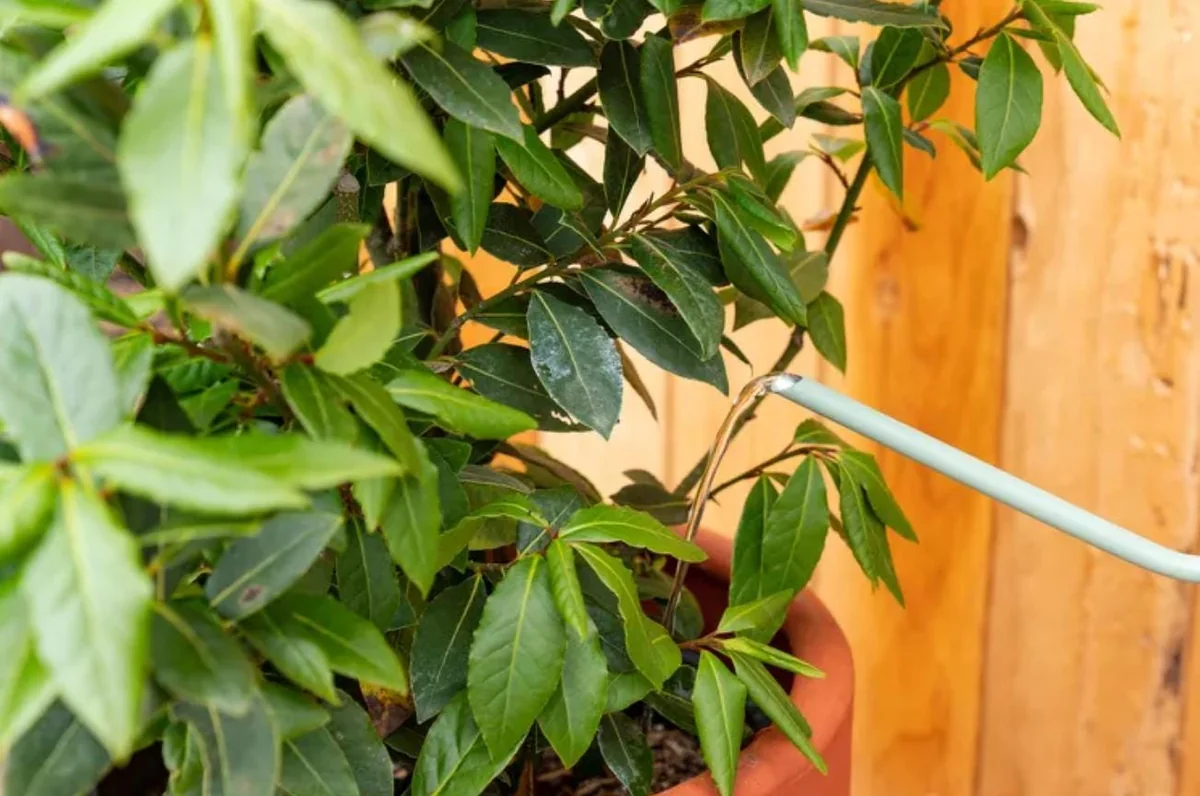
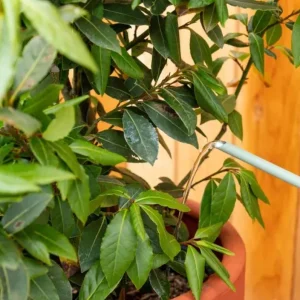
Watering should be consistent, particularly during the first growing season to help the plant establish a strong root system. Allow the topsoil to dry out slightly between waterings to prevent overwatering, which can lead to root rot. Bay Laurels prefer well-drained soil that is rich in organic matter. A slightly acidic to neutral pH (6.0-7.0) is ideal. If growing in a container, ensure the pot has drainage holes and use a high-quality potting mix. Fertilize sparingly; a balanced, slow-release fertilizer in spring is usually sufficient. Over-fertilizing can lead to leggy growth rather than dense foliage.
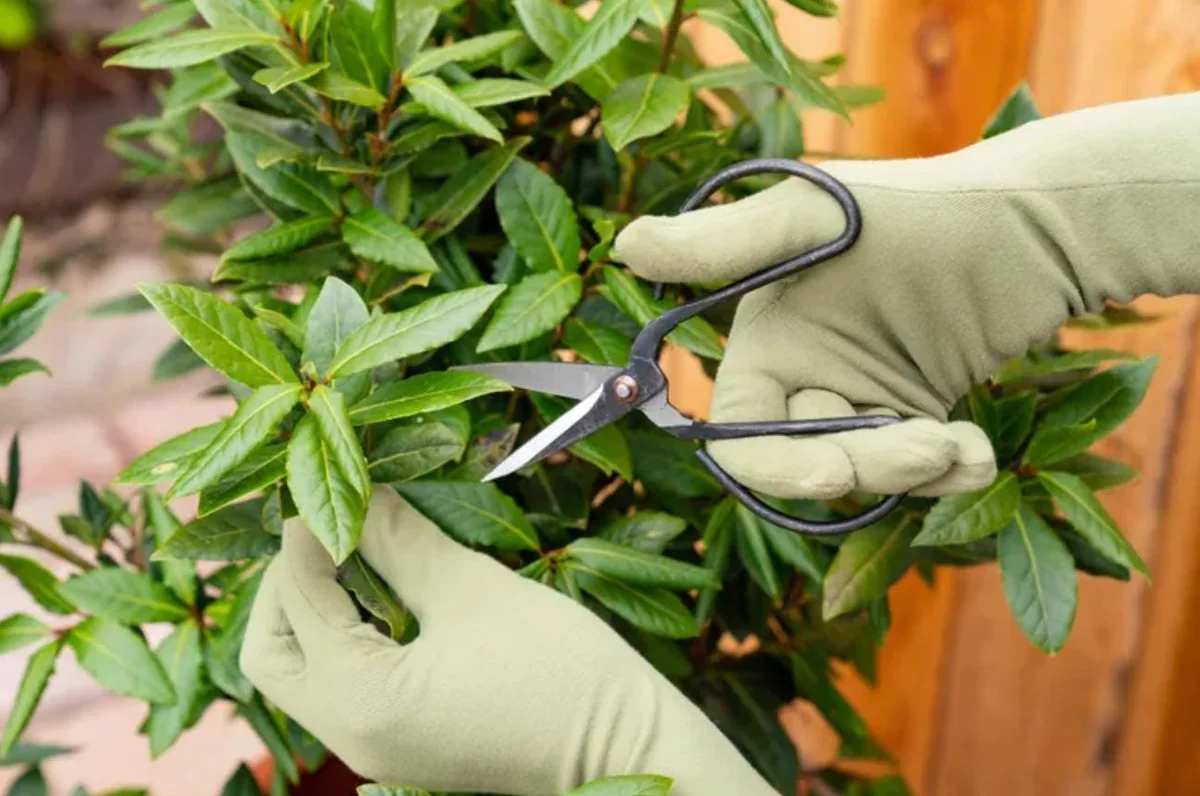
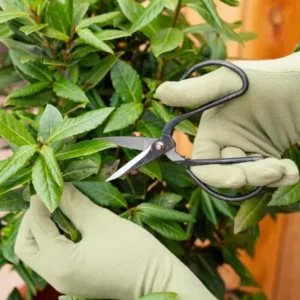
The bay tree for garden is relatively slow-growing, typically adding 4-8 inches of height per year. Minimal pruning is required, primarily for shaping and maintaining desired size, especially if you’re cultivating a bay leaf starter plant into a topiary or hedge. Prune lightly in late winter or early spring before new growth begins. Bay Laurels are hardy in USDA Zones 8-10, tolerating mild frosts but benefiting from protection or being brought indoors in colder regions. Monitor for common pests like scale insects or mealybugs, and address them promptly with horticultural oil or insecticidal soap if necessary.
Size & Details
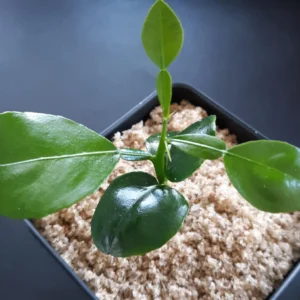
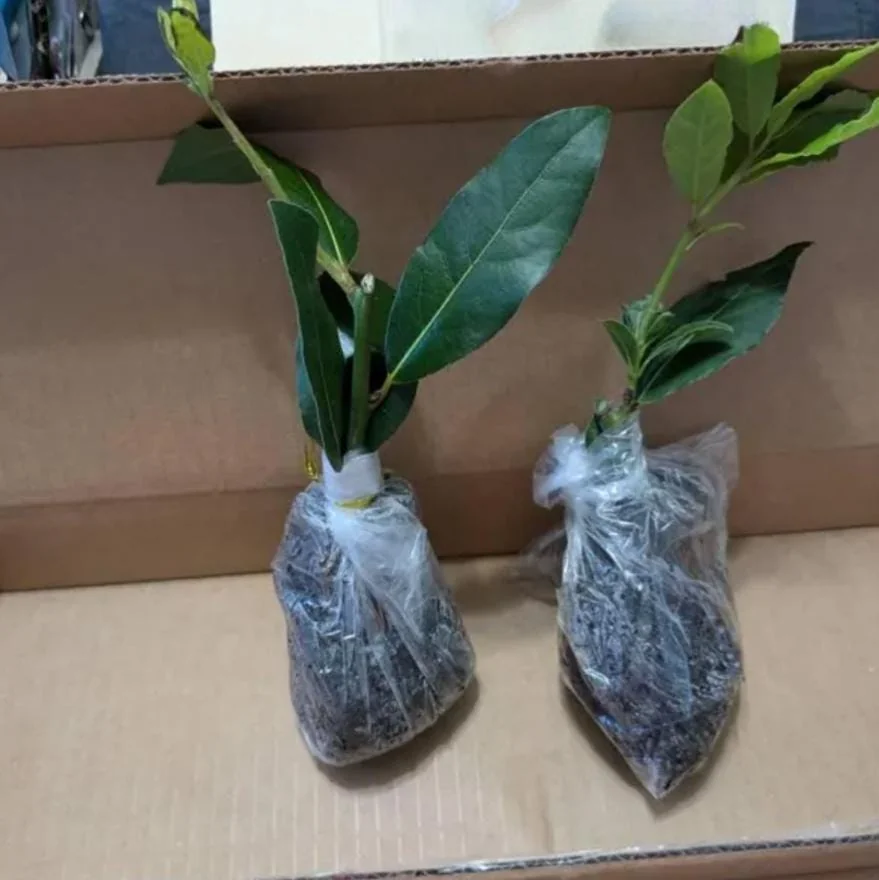
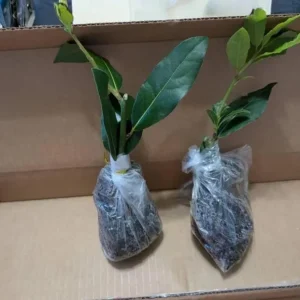
Each order includes one healthy live bay laurel plant, typically measuring approximately 6-8 inches tall from the base of the root ball to the tip of the foliage. These starter plants are carefully cultivated to ensure a robust root system, which will arrive securely wrapped in a moist soil ball, ready for immediate planting in your garden or a larger container. Please note that a pot is not included to reduce waste and shipping bulk. The mature height of a Bay Laurel, when maintained, generally ranges from 3-6 feet, though it can grow taller if left unpruned in ideal conditions. Its slow growth rate makes it an excellent choice for container culture, allowing you to control its size and bring it indoors during colder months. Expect your culinary bay laurel to begin producing harvestable leaves within its first year, with more abundant yields as it matures.
Frequently Asked Questions
- Q: How big does this plant get? A: This live bay laurel plant is a starter at 6-8 inches tall. With proper care, it can be maintained at 3-6 feet in height, making it suitable for both garden beds and larger containers. It’s a slow grower, so you can manage its size easily.
- Q: Is this an indoor or outdoor plant? A: The laurus nobilis plant is primarily an outdoor plant in USDA Zones 8-10. In colder climates, it can be grown outdoors during warmer months and brought indoors as a potted plant before the first frost.
- Q: How much sunlight does it need? A: Your bay leaf starter plant thrives in full sun to partial shade, meaning it prefers at least 6 hours of direct sunlight daily. More sun generally results in denser, healthier foliage.
- Q: Is this plant easy to care for? A: Yes, once established, the Bay Laurel is considered a low-maintenance plant. It requires consistent watering initially and occasional pruning, making it a good choice for gardeners of various experience levels.
- Q: Can I use the leaves for cooking? A: Absolutely! The leaves from your culinary bay laurel are perfect for fresh use in cooking. They add a distinctive, aromatic flavor to a wide range of dishes, including soups, stews, sauces, and roasts.
- Q: What condition will it arrive in? A: Your Bay Laurel starter plant will arrive with a healthy, moist soil root ball, carefully packaged to ensure safe transit. It is shipped without a pot to minimize waste and ensure the plant’s health during shipping.
- Q: What’s the best time to plant this bay tree for garden? A: The best time to plant a bay tree for garden is in spring or early summer after the last frost, allowing it ample time to establish its roots before extreme heat or cold. If growing in a container, it can be transplanted any time.
- Q: Will it survive winter in my zone? A: Bay Laurel is hardy in USDA Zones 8-10. If you are in a colder zone, it’s recommended to grow it in a container so it can be moved indoors or protected during winter months.
- Q: What type of soil does it prefer? A: It prefers well-drained soil rich in organic matter. For container planting, a good quality potting mix designed for shrubs or herbs is ideal.
- Q: How often should I water my bay laurel? A: Water consistently to keep the soil moist but not waterlogged, especially when young. Allow the top inch or two of soil to dry out between waterings. Reduce frequency in winter.


Reviews
There are no reviews yet.