


Overview
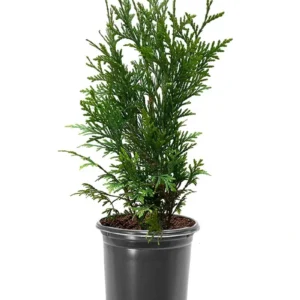
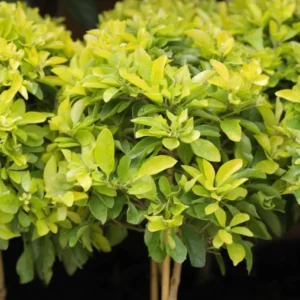
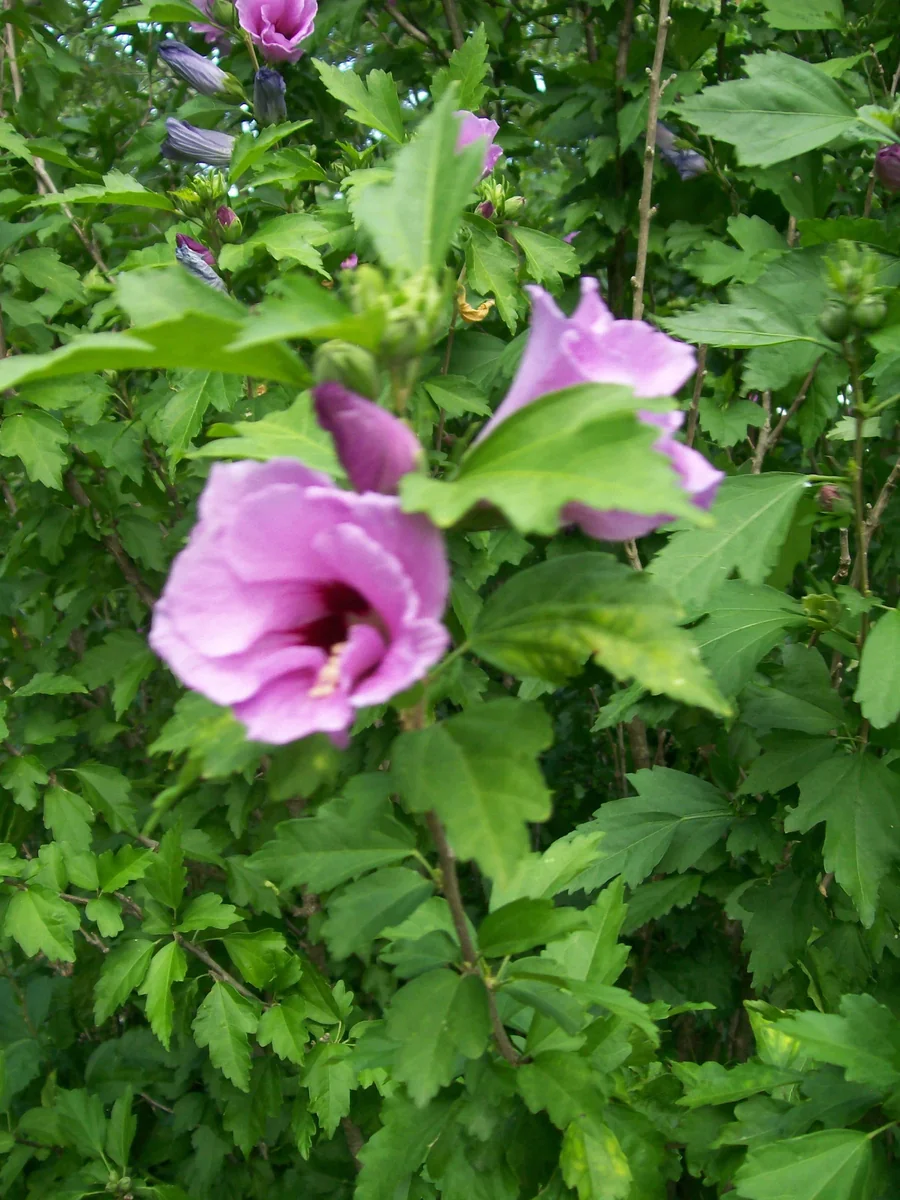
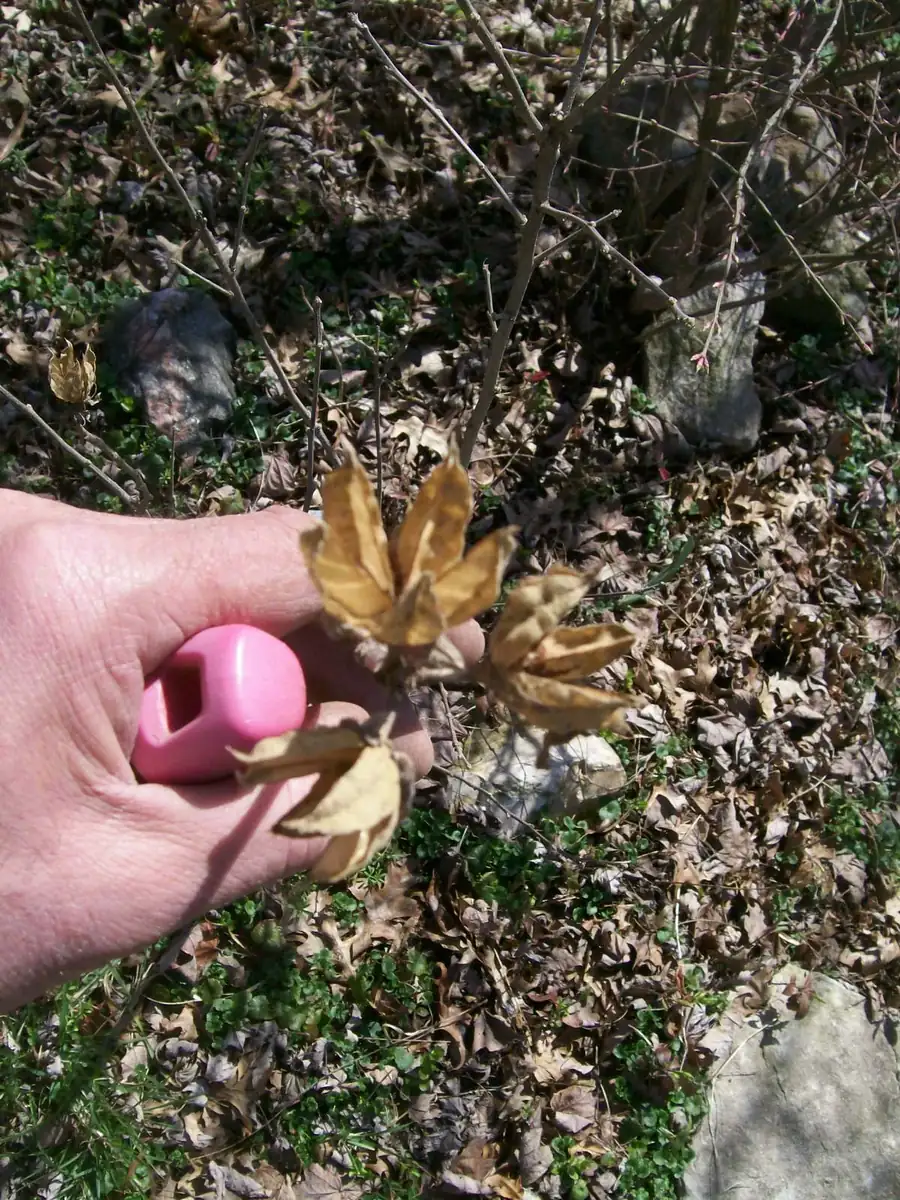
Transform your outdoor space with a stunning set of two rose of sharon live plant specimens. These mature 1-2 year old plants arrive ready to thrive, standing at a healthy 6 to 12 inches tall. The Rose of Sharon, scientifically known as Hibiscus syriacus shrub, is a beloved deciduous shrub celebrated for its large, trumpet-shaped flowers that bloom prolifically from summer into fall. This particular offering provides two young, vigorous plants, giving you a head start on creating a lush, flowering hedge, a focal point in a garden bed, or beautiful container plantings. Known for their resilience and adaptability, these flowering outdoor plant varieties are a fantastic addition to almost any garden, providing consistent beauty with minimal fuss. They are a true classic for gardeners seeking long-lasting floral displays.
Key Benefits
Choosing a rose of sharon live plant offers numerous advantages for your garden and home. These plants are not only visually appealing but also contribute to a healthy ecosystem. Here are some of the key benefits:
- Extended Bloom Season: Enjoy a continuous display of vibrant, showy flowers from mid-summer through fall, providing color when many other plants have finished blooming. The extended flowering period of this flowering outdoor plant ensures your garden remains lively and attractive for months.
- Attracts Pollinators: The large, nectar-rich flowers are a magnet for hummingbirds, butterflies, and bees, contributing to the biodiversity and health of your garden ecosystem. This makes the hibiscus syriacus shrub an eco-friendly choice.
- Low Maintenance: Once established, Rose of Sharon plants are remarkably easy to care for, requiring minimal pruning and watering. Their robustness makes them ideal for both experienced gardeners and beginners looking for a rewarding plant.
- Versatile Landscaping: These shrubs can be used in various landscape designs, including hedges, borders, specimen plants, or even grown in large containers. Their adaptable nature allows for creative placement in your garden.
- Hardy and Resilient: Tolerant of a wide range of soil types and urban conditions, the Rose of Sharon is a tough plant that can withstand various environmental stressors, ensuring its longevity in your garden.
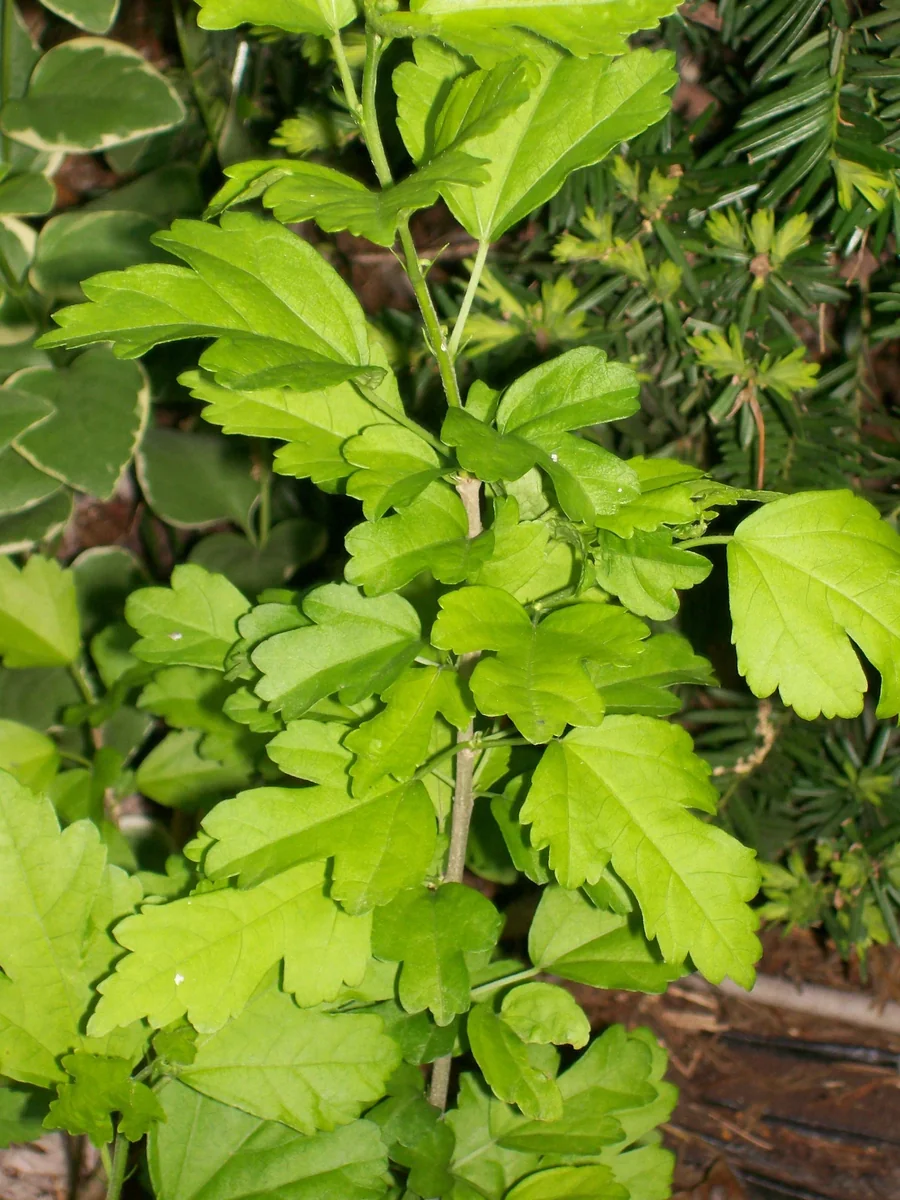
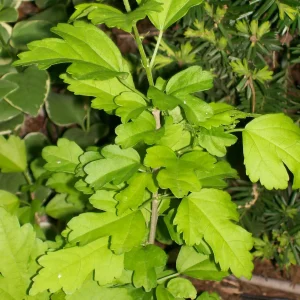
- Beautiful Foliage: Beyond their stunning flowers, these plants feature attractive green foliage that provides a lush backdrop throughout the growing season.
- Deer Resistant: Generally, deer tend to leave Rose of Sharon plants alone, making them a good choice for areas where deer browsing is a concern.
Plant Care & Growing Tips
Caring for your rose of sharon live plant is straightforward, ensuring years of beautiful blooms. These resilient shrubs thrive with proper attention to their basic needs. For optimal growth and flowering, plant your hibiscus syriacus shrub in a location that receives full sun to partial shade. Full sun (at least 6 hours of direct sunlight per day) will result in the most abundant flowering, while partial shade might lead to fewer blooms but can be beneficial in hotter climates to prevent scorching. They are adaptable to a wide range of soil conditions but prefer well-draining soil. Avoid heavy, waterlogged soils, as this can lead to root rot. If your soil is heavy clay, amend it with compost or other organic matter to improve drainage.
Watering should be regular, especially during dry spells and in the first year after planting, to help the plant establish a strong root system. Once established, the flowering outdoor plant is moderately drought-tolerant, but consistent moisture will promote healthier growth and more flowers. A good rule of thumb is to water deeply once a week, or more frequently during hot, dry weather. Fertilize in early spring with a balanced, slow-release granular fertilizer formulated for flowering shrubs. Pruning is best done in late winter or early spring before new growth appears. This helps shape the plant, remove any dead or damaged branches, and encourage more blooms, as Rose of Sharon flowers on new wood. Watch out for common pests like aphids or whiteflies, which can be managed with insecticidal soap if necessary. Understanding rose of sharon care will lead to a thriving and spectacular display.
Size & Details
This offering includes a set of two robust rose of sharon live plant specimens, each measuring between 6 to 12 inches in height. These plants are 1-2 years old, indicating they have a well-developed root system and are ready for transplanting into your garden or larger containers. The plants are shipped as live specimens, carefully prepared to ensure their health upon arrival. Rose of Sharon plants, or deciduous shrub varieties, typically grow at a moderate rate, eventually reaching a mature height of 8 to 12 feet and a spread of 6 to 10 feet, depending on growing conditions and pruning. They will begin to produce their characteristic large, vibrant flowers during the summer of their first year in your garden, with blooms becoming more abundant as the plant matures. These are supplied as bare root or minimal soil plants, ready for immediate planting upon receipt.
Frequently Asked Questions
- Q: How big does this plant get? A: Each rose of sharon live plant in this set is 6 to 12 inches tall and 1-2 years old. Mature plants can reach heights of 8 to 12 feet and spreads of 6 to 10 feet, depending on growing conditions and pruning.
- Q: Is this an indoor or outdoor plant? A: The Rose of Sharon is primarily an outdoor plant, thriving in garden beds, as hedges, or in large outdoor containers. It is a hardy flowering outdoor plant suitable for USDA zones 5-9.
- Q: How much sunlight does it need? A: For the best flowering, your hibiscus syriacus shrub needs at least 6 hours of direct sunlight per day (full sun). It can tolerate partial shade, but flowering may be less prolific.
- Q: Is this plant easy to care for? A: Yes, the Rose of Sharon is known for being a low-maintenance and resilient plant. Once established, it requires minimal attention, making it suitable for gardeners of all experience levels. Proper rose of sharon care is quite simple.
- Q: What condition will it arrive in? A: These plants are shipped as live specimens, typically bare root or with minimal soil, carefully packaged to ensure their health and vitality upon arrival.
- Q: How long until it blooms? A: You can expect your rose of sharon live plant to start producing flowers in its first growing season after planting, typically from mid-summer through fall. The blooms will become more abundant as the plant establishes and matures.
- Q: Will it survive winter in my zone? A: The Rose of Sharon is hardy in USDA Zones 5-9. If you are within these zones, your plant should survive winter outdoors. In colder zones, it can be grown in containers and brought indoors for winter protection.
- Q: Do I need to prune this deciduous shrub? A: Pruning is not strictly necessary for survival, but it is recommended in late winter or early spring to shape the plant, encourage bushier growth, and promote more abundant flowering on new wood.
- Q: What colors do the flowers come in? A: While the specific color is not indicated in the input, Rose of Sharon flowers commonly come in shades of white, pink, purple, or blue, often with a contrasting throat.
- Q: Is this plant attractive to wildlife? A: Yes, the vibrant flowers of the rose of sharon live plant are highly attractive to pollinators such as hummingbirds, butterflies, and bees, adding ecological value to your garden.


Reviews
There are no reviews yet.