Overview
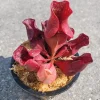
Introduce an extraordinary botanical specimen to your collection with the spoon leaf sundew (Drosera Spathulata). This fascinating carnivorous plant is renowned for its spoon-shaped leaves covered in sticky, dew-like tentacles that glisten in the sunlight, attracting and trapping small insects. Native to various regions, including Australia, New Zealand, and Southeast Asia, Drosera Spathulata is a relatively small yet highly effective insectivore, making it an excellent choice for natural pest control in your home or garden. Its vibrant colors, ranging from green to deep red depending on light exposure, add an exotic touch to any plant display. This live plant arrives ready to thrive in its 3-inch pot, offering an immediate captivating addition to your plant family.
The drosera spathulata is a resilient and adaptable species, suitable for both beginner and experienced carnivorous plant enthusiasts. Its unique insect-catching mechanism is not just a marvel of nature but also serves a practical purpose, helping to keep bothersome gnats and fruit flies at bay. With proper care, this sundew will flourish, presenting a mesmerizing spectacle of sticky traps and potential small, delicate flowers. Whether you’re looking for an intriguing conversation starter or a functional insect deterrent, the live sundew plant provides both in one remarkable package.
Key Benefits
The Spoon Leaf Sundew offers a range of compelling benefits, making it a desirable addition to any plant enthusiast’s collection. Its unique characteristics provide both aesthetic appeal and practical advantages, enhancing your living space in multiple ways. The spoon leaf sundew is truly a multi-faceted plant.
- Natural Insect Control: The most prominent benefit of the Drosera Spathulata is its natural ability to trap and digest small insects like gnats, fruit flies, and mosquitoes. This makes it an effective, chemical-free solution for pest management in your home or greenhouse, contributing to a healthier environment.
- Visually Striking Appearance: With its glistening, dew-covered leaves and often vibrant coloration, the Spoon Leaf Sundew is a truly captivating plant. It adds an exotic and intriguing visual element to any indoor or outdoor plant arrangement, drawing attention and sparking conversation.
- Educational Value: For children and adults alike, observing a carnivorous plant in action provides a unique educational experience. It’s a living lesson in botany and ecology, demonstrating the incredible adaptations plants have evolved to survive in nutrient-poor environments.
- Compact and Space-Saving: Growing typically in a 3-inch pot, this sundew remains relatively small, making it ideal for windowsills, desks, terrariums, or small garden spaces where larger plants might not fit. Its compact size allows for versatile placement.
- Relatively Easy Care: Compared to some other carnivorous plants, the Drosera Spathulata is considered quite forgiving and easy to care for, especially for those new to carnivorous plants. Its basic requirements are simple to meet, leading to a rewarding growing experience.
- Unique Gift Idea: For plant lovers, science enthusiasts, or anyone who appreciates the unusual, a carnivorous plant like the Spoon Leaf Sundew makes a memorable and distinctive gift that stands out from traditional houseplants.
- Adaptable to Various Climates: While preferring certain conditions, the Drosera Spathulata can adapt to a range of environments, thriving both indoors and in suitable outdoor climates, particularly in USDA zones where it can be grown year-round.
Plant Care & Growing Tips
Caring for your spoon leaf sundew (Drosera Spathulata) is a rewarding experience, as these resilient insect eating plant specimens are relatively straightforward to maintain once their basic needs are met. The key to a thriving sundew lies in understanding its natural habitat and replicating those conditions as closely as possible. Firstly, sunlight is crucial. This plant thrives in full sun to bright indirect light. Aim for at least 6 hours of direct sunlight daily for the best coloration and dew production. If growing indoors, a south-facing window is ideal, or consider using a full-spectrum grow light for 12-14 hours a day, especially during shorter winter days. Inadequate light will result in pale leaves and a lack of sticky dew.
Watering is perhaps the most critical aspect of sundew care. These plants require consistently moist soil and prefer mineral-free water. Use distilled water, rainwater, or reverse osmosis water; never use tap water as the minerals and chemicals can be detrimental. The tray method is highly recommended: place the potted sundew in a shallow tray filled with about half an inch of water. Allow the tray to dry out completely for a day or two before refilling. This mimics their boggy natural environment. For soil, a mix of peat moss and perlite or horticultural sand (in a 1:1 ratio) is ideal. Avoid using standard potting soil, which is too rich in nutrients and can harm the plant. The soil should be acidic, and peat moss naturally provides this.
Temperature and humidity are also important. Drosera Spathulata prefers warm temperatures, ideally between 65-85°F (18-29°C), but can tolerate cooler nighttime temperatures. High humidity is beneficial but not strictly necessary if consistent watering is provided. The USDA Hardiness Zone for this plant is typically 10, meaning it can be grown outdoors year-round in frost-free climates. Fertilization is generally not required for carnivorous plants; they obtain their nutrients from the insects they catch. If your plant is not catching many insects, you can occasionally feed it small rehydrated bloodworms or fish flakes. Watch out for common issues like mold in overly damp conditions or pests like aphids, which can be managed with carnivorous plant-safe insecticides or manual removal. Providing these conditions will ensure your drosera spathulata remains a healthy and active bug catcher.
Size & Details
This spoon leaf sundew (Drosera Spathulata) arrives as a healthy, established live plant, carefully cultivated and ready for its new home. Each plant is supplied in a standard 3-inch nursery pot, providing ample space for its initial growth and development. The plant itself typically measures between 1 to 3 inches in diameter, depending on its maturity and recent growth cycle, showcasing its charming, compact form. While individual plants may vary slightly, you can expect a vibrant specimen with active, dewy leaves.
The growth rate of the Drosera Spathulata is moderate, and with optimal care, it will gradually expand its rosette of leaves, potentially reaching a maximum diameter of around 4-5 inches. This species forms a low-growing rosette, making it an excellent choice for terrariums, small display areas, or mixed carnivorous plant arrangements. The plant is shipped securely in its growing medium to minimize stress during transit, ensuring it arrives in the best possible condition for you to continue its care. Expect a robust and healthy live sundew, ready to begin its important work of catching insects and adding beauty to your space.
Frequently Asked Questions
- Q: How big does this spoon leaf sundew get? A: The Spoon Leaf Sundew (Drosera Spathulata) typically grows into a compact rosette, usually reaching about 1 to 3 inches in diameter. With ideal conditions, some mature specimens can extend to 4-5 inches across.
- Q: What size pot does it come in? A: This carnivorous plant is delivered in a standard 3-inch nursery pot, providing a good starting size for the plant to establish itself in your care.
- Q: Is this plant suitable for indoors or outdoors? A: The Drosera Spathulata can thrive both indoors and outdoors. Indoors, it needs bright, direct sunlight. Outdoors, it can be grown year-round in USDA zones 10 and above, or as a seasonal plant in cooler climates.
- Q: How much sunlight does the drosera spathulata need? A: This sundew requires a minimum of 6 hours of direct sunlight per day to produce its characteristic sticky dew and vibrant colors. If growing indoors, a south-facing window or supplemental grow light is essential.
- Q: Is this insect eating plant easy to care for, especially for beginners? A: Yes, the Drosera Spathulata is considered one of the easier carnivorous plants to care for, making it an excellent choice for beginners. Its primary needs are consistent moisture with mineral-free water and plenty of sunlight.
- Q: What condition will the plant arrive in? A: Your sundew will arrive as a live, healthy plant, securely packaged in its 3-inch pot with its growing medium to ensure minimal disturbance during shipment.
- Q: Is it shipped in soil? A: Yes, the plant is shipped already potted in its appropriate carnivorous plant substrate, typically a peat moss and perlite mixture, ensuring it’s ready for display upon arrival.
- Q: How often should I water my live sundew? A: You should keep the soil consistently moist using the tray method with distilled, rainwater, or reverse osmosis water. Allow the tray to dry out for a day or two between refills to prevent root rot.
- Q: Can this plant help with household pests? A: Absolutely! The sticky leaves of the Spoon Leaf Sundew are very effective at trapping small flying insects like gnats, fruit flies, and even small mosquitoes, providing natural pest control.
- Q: What type of soil does it need? A: This plant requires an acidic, nutrient-poor, well-draining soil mix, typically consisting of sphagnum peat moss and perlite or horticultural sand. Never use regular potting soil.


Reviews
There are no reviews yet.