Overview
Experience the joy of growing your own delicious fruit with the white sapote vernon tree. This particular variety, ‘Vernon’, is a highly regarded selection, known for its vigorous growth and abundant, flavorful fruit. Discovered in California in 1953, the ‘Vernon’ is a robust cultivar that performs exceptionally well in a range of climates, including colder regions. As a live plant, this white sapote vernon tree arrives grafted and ready for planting, ensuring a strong start and quicker establishment in your garden. With its rounded canopy and substantial size, it provides both a beautiful ornamental presence and a generous harvest of unique and tasty fruit. This evergreen fruit tree is a fantastic choice for those looking to expand their edible landscape.
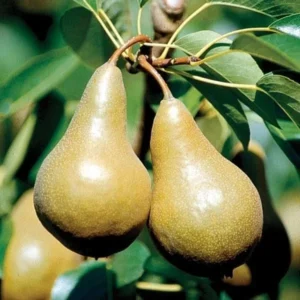
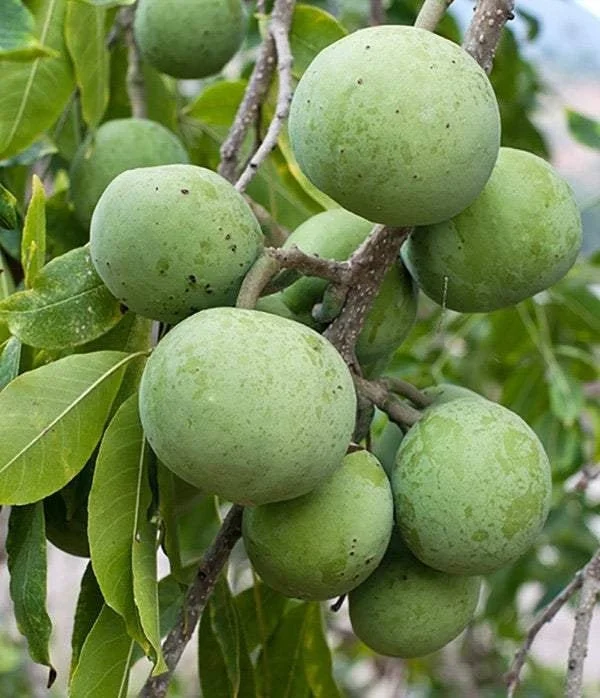
The white sapote vernon tree is a fascinating specimen for any fruit enthusiast. Originating from Central America, the white sapote (Casimiroa edulis) is celebrated for its creamy, custard-like fruit. The ‘Vernon’ variety is particularly prized for its large, round to oblate green fruits with white, non-bitter flesh, which ripen conveniently over the winter months. This makes it a valuable addition for year-round fruit production. Owning a white sapote vernon tree means you’ll have access to fresh, exotic fruit right from your backyard, perfect for eating fresh, in smoothies, or desserts.
Key Benefits
Bringing a white sapote vernon tree into your garden offers numerous advantages, from its unique fruit to its resilient nature. This tree provides both aesthetic appeal and a bountiful harvest.
- Delicious & Non-Bitter Fruit: The ‘Vernon’ variety is renowned for its sweet, white flesh that remains non-bitter even when fully ripe, offering a delightful culinary experience.
- Cold Hardy & Adaptable: Unlike some tropical fruit trees, the white sapote vernon tree performs well in colder climates, making it suitable for a wider range of growing zones.
- Vigorous & Productive: This tree is a large, vigorous grower with a rounded canopy, ensuring a substantial and reliable yield of fruit once established.
- Winter Harvest: Enjoy fresh fruit during the colder months, as the ‘Vernon’ is an alternate bearing tree with fruit ripening over winter.
- Grafted for Quality: Our grafted white sapote ensures genetic purity and often leads to earlier fruiting and more consistent fruit quality.
- Unique Garden Addition: Add an exotic touch to your landscape with this beautiful, productive fruit tree that is sure to be a conversation starter.
- Easy to Grow: While providing a unique fruit, the vernon sapote care is relatively straightforward for a fruit tree, making it accessible for many gardeners.
Plant Care & Growing Tips
Proper vernon sapote care is crucial for ensuring a healthy and productive tree. The white sapote vernon tree thrives in conditions that mimic its native subtropical environment, though it shows notable adaptability to cooler temperatures. When selecting a site, prioritize a location that receives full sun, ideally 6-8 hours of direct sunlight per day. Good air circulation is also beneficial. While young trees may appreciate some afternoon shade in extremely hot climates, mature trees prefer ample sun exposure for optimal fruit production and growth. Ensure the tree is planted in well-draining soil to prevent root rot. A slightly acidic to neutral pH (6.0-7.0) is generally preferred, and amending heavy clay soils with organic matter can significantly improve drainage and soil structure.
Watering should be consistent, especially during dry periods and while the tree is establishing. Deep watering once or twice a week is usually sufficient, allowing the top few inches of soil to dry out between waterings. Avoid overwatering, as white sapotes are sensitive to soggy conditions. Fertilize your white sapote vernon tree with a balanced slow-release fertilizer formulated for fruit trees, typically in spring and mid-summer. Follow package instructions for application rates. Pruning is generally minimal, focused on removing dead, damaged, or crossing branches, and shaping the canopy for good air and light penetration. The tree’s natural rounded canopy is usually quite attractive on its own. Protect young trees from hard freezes, though mature ‘Vernon’ trees are known for their improved cold tolerance. Regularly inspect for pests and diseases, addressing any issues promptly with appropriate organic or chemical treatments.
Size & Details
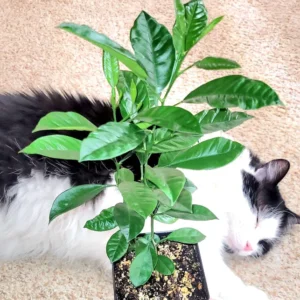
This offering is for one white sapote vernon tree, a robust and healthy live plant. Each tree is grafted white sapote, ensuring the desired characteristics of the ‘Vernon’ cultivar. The plant stands approximately 2 feet tall from the soil line, providing a good head start for establishment in your garden. It is shipped securely in a 3-gallon nursery pot, complete with an established root system, minimizing transplant shock. The ‘Vernon’ is known for its vigorous growth, quickly developing into a large tree with a rounded canopy. While growth rate can vary based on climate and care, you can expect steady development. The fruit of the white sapote vernon tree is typically round and oblate, with green skin and sweet white flesh, ripening over the winter months. With proper care, this tree will mature to produce abundant harvests of delicious white sapote fruit for many years.
Frequently Asked Questions
- Q: How big does this white sapote vernon tree get? A: The ‘Vernon’ white sapote is a vigorous grower and can become a large tree with a rounded canopy, typically reaching heights of 15-25 feet or more in ideal conditions. Regular pruning can help manage its size.
- Q: Is this an indoor or outdoor plant? A: The white sapote vernon tree is primarily an outdoor fruit tree. While young plants can be grown in containers and brought indoors during cold snaps, it requires ample space and sunlight to thrive and fruit effectively.
- Q: How much sunlight does the vernon sapote care for require? A: For optimal growth and fruit production, your white sapote vernon tree needs full sun, which means at least 6-8 hours of direct sunlight per day. Young trees might benefit from some afternoon shade in extremely hot climates.
- Q: Is this plant easy to care for? A: White sapotes are relatively low-maintenance fruit trees once established. They require consistent watering, well-draining soil, and occasional fertilization. Their improved cold hardiness also makes vernon sapote care easier in many regions.
- Q: What condition will the grafted white sapote arrive in? A: Your grafted white sapote will arrive as a healthy, live plant, approximately 2 feet tall, with a well-established root system in a 3-gallon nursery pot. We take great care in packaging to ensure safe transit.
- Q: How long until this white sapote tree starts producing fruit? A: As a grafted tree, the white sapote vernon tree typically begins to bear fruit sooner than a seedling, often within 3-5 years after planting, depending on growing conditions and care.
- Q: What is the best time to plant a white sapote vernon tree? A: The best time to plant your white sapote vernon tree is in spring or early summer, after the last threat of frost has passed, allowing the tree ample time to establish its root system before winter.
- Q: Can I grow white sapote fruit in a container? A: While it’s possible to grow a young white sapote vernon tree in a large container for a few years, it will eventually need to be transplanted into the ground to reach its full potential and produce abundant fruit.
- Q: Is the white sapote fruit bitter? A: No, the ‘Vernon’ variety is specifically known for its sweet, white flesh that does not become bitter, even when fully ripe. This is a key advantage of the white sapote vernon tree.
- Q: What USDA zones are suitable for buying a white sapote tree? A: The white sapote vernon tree is known for its improved cold hardiness, making it suitable for USDA Zones 9-11. It can tolerate brief dips in temperature better than some other subtropical fruit trees.


Reviews
There are no reviews yet.