Overview
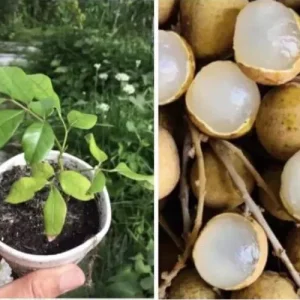
Embark on a delightful journey of cultivating your own tropical treats with this exquisite queen guava live plant. Known for its exceptionally sweet and aromatic fruit, the Queen Guava (Psidium guajava) is a prized variety among fruit enthusiasts. This particular offering is a robust 2-foot tall specimen, carefully nurtured and ready to establish itself in your garden or a large container. Guava plants are not only prolific producers of delicious fruit but also boast beautiful foliage and fragrant flowers, making them a wonderful addition to any landscape. Growing your own guava ensures a fresh supply of nutrient-rich fruit, perfect for eating fresh, making juices, or crafting delectable desserts. This queen guava live plant is a fantastic choice for both seasoned gardeners and those new to growing tropical fruit, promising a rewarding and flavorful experience.
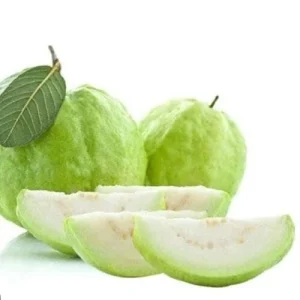
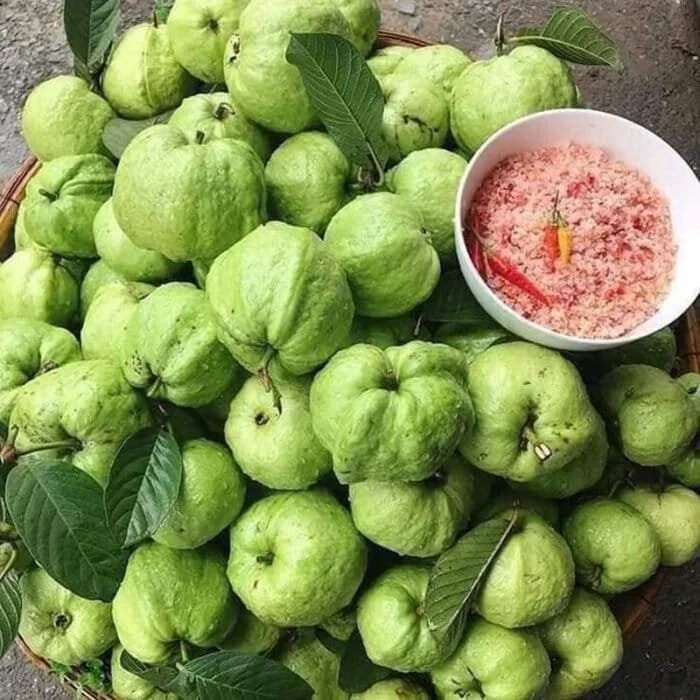
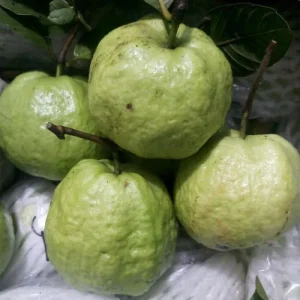
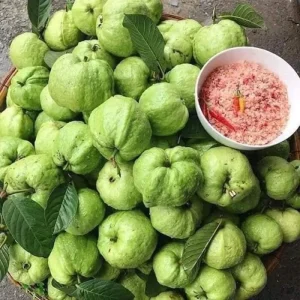
Originating from Central and South America, guavas have been cultivated for centuries for their unique taste and health benefits. The Queen Guava stands out for its large, round fruits with a vibrant green skin that ripens to a soft yellow, revealing a sweet, pink, juicy flesh. This queen guava fruit tree is a relatively fast grower, and with proper care, it can begin bearing fruit within a few years. Imagine plucking your own fresh, ripe guavas right from your backyard or patio!
Key Benefits
Adding a queen guava live plant to your collection offers a myriad of benefits, from its ornamental appeal to its abundant, nutritious fruit. Here are some compelling reasons to choose this tropical gem:
- Delicious, Nutritious Fruit: Enjoy a steady supply of sweet, aromatic guavas that are rich in Vitamin C, fiber, and antioxidants, perfect for a healthy diet. The fruit is excellent for fresh consumption, smoothies, jellies, and desserts.
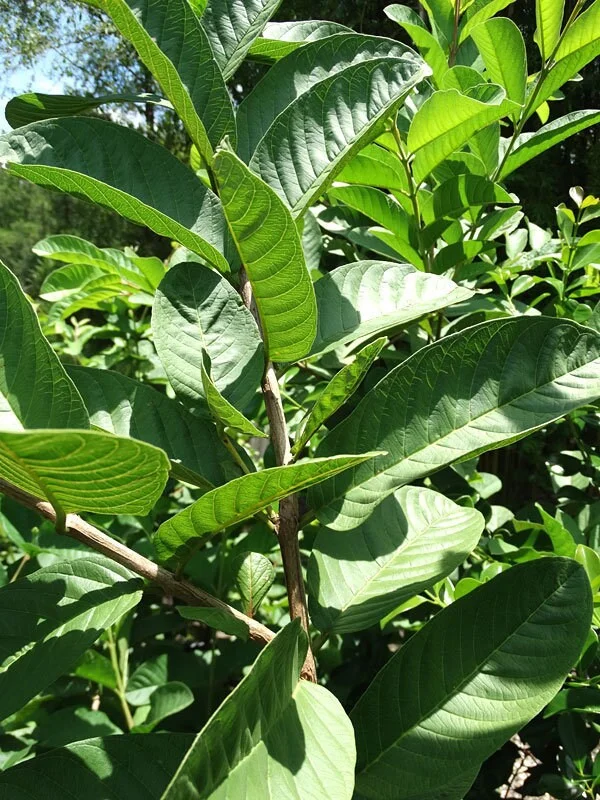
- Ornamental Appeal: Beyond its fruit, the guava tree is an attractive plant with glossy green leaves and beautiful white flowers, adding a tropical touch to your garden or patio. It provides visual interest throughout the year.
- Adaptable Growth: While ideally suited for warm climates, this queen guava fruit tree can be successfully grown in containers in cooler regions, allowing you to move it indoors during cold weather. This flexibility makes it accessible to a wider range of gardeners.
- Relatively Low Maintenance: Once established, guava trees are known for their resilience and require moderate care. They are generally tolerant of various soil types and can withstand short periods of drought, making them a good choice for busy gardeners.
- Fast Production: With optimal conditions, your queen guava live plant can start producing fruit relatively quickly, often within 2-3 years, providing a satisfying return on your gardening effort.
- Fragrant Blooms: The white, slightly fuzzy flowers of the guava plant are not only pretty but also emit a delicate, pleasant fragrance, enhancing the sensory experience of your garden.
- Supports Local Ecosystem: Growing fruit trees can attract pollinators and beneficial insects to your garden, contributing to a healthier local ecosystem.
Plant Care & Growing Tips
To ensure your queen guava live plant thrives and produces abundant fruit, consistent care is essential. Guavas are tropical plants, so mimicking their natural environment will yield the best results. They prefer a location that receives full sun, meaning at least 6-8 hours of direct sunlight per day. In very hot climates, some afternoon shade can be beneficial to prevent leaf scorch. If growing in a container, choose a large pot (at least 15-20 gallons for mature plants) to accommodate its root system and ensure proper drainage.
Watering is crucial, especially during the establishment phase and while the plant is fruiting. Keep the soil consistently moist but never waterlogged. Allow the top inch or two of soil to dry out before watering again. Overwatering can lead to root rot, so good drainage is paramount. For soil, a well-draining, slightly acidic to neutral soil (pH 5.0-7.0) is ideal. Amending heavy clay soils with organic matter can improve drainage, while sandy soils will benefit from compost to retain moisture and nutrients. Fertilize your queen guava fruit tree with a balanced fertilizer (e.g., 8-8-8 or 10-10-10) every 2-3 months during the growing season. Reduce fertilization during winter months when growth slows. Pruning can help maintain the tree’s shape, encourage bushier growth, and improve fruit production. Remove any dead, diseased, or crossing branches. Thinning out some of the fruit can lead to larger, higher-quality guavas. Keep an eye out for common pests like aphids or fruit flies and address them promptly with organic pest control methods if necessary. Following these tips will help you successfully grow guava plant.
Size & Details
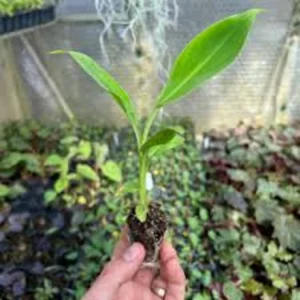
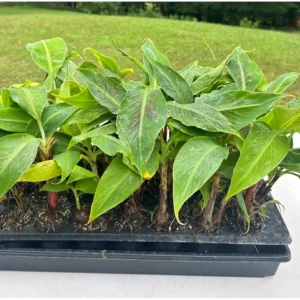
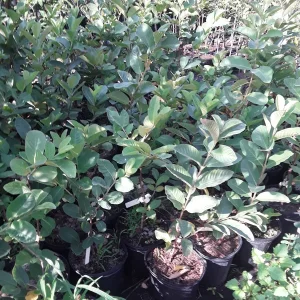
This offering is for a vibrant queen guava live plant that stands approximately 2 feet tall, measured from the base of the pot to the top of the plant. It is shipped securely in a 3-gallon nursery pot, providing a well-established root system ready for transplanting. Guava trees are known for their moderate to fast growth rate, and with proper care, this plant can reach a mature height of 10 to 20 feet if planted in the ground, though it can be kept smaller with regular pruning, especially when grown in containers. The plant will arrive with healthy foliage, carefully packaged to minimize stress during transit. Expect your tropical fruit plant to begin flowering and fruiting within 2-3 years after planting, depending on growing conditions and climate. The fruit of the Queen Guava typically ripens in late summer to fall, offering a delightful harvest season. This size is perfect for starting your own fruit-bearing garden.
Frequently Asked Questions
- Q: How big will this queen guava plant get? A: This queen guava live plant is currently 2 feet tall. If planted in the ground, it can reach 10-20 feet, but it can be maintained at a smaller size with pruning, especially when grown in a large container.
- Q: Is this an indoor or outdoor plant? A: The Queen Guava is a tropical plant best suited for outdoor planting in USDA Zones 9-11. In cooler climates, it can be grown in a container and brought indoors during the winter months to protect it from frost.
- Q: How much sunlight does a guava plant need? A: To thrive and produce fruit, your queen guava fruit tree requires full sun, meaning at least 6-8 hours of direct sunlight per day. Adequate sunlight is crucial for fruit development.
- Q: Is this plant easy to care for? A: Guava plants are relatively easy to care for once established. They require consistent watering, well-draining soil, and regular fertilization during the growing season. Pruning helps maintain shape and productivity. For successful fruiting, follow our guava care tips.
- Q: What condition will the plant arrive in? A: Your queen guava live plant will arrive carefully packaged in its 3-gallon nursery pot, with a well-established root system and healthy foliage, ready for transplanting.
- Q: How long until it blooms and fruits? A: With optimal care, this tropical fruit plant can begin to flower and produce fruit within 2-3 years after planting. The exact timing can vary based on growing conditions.
- Q: Can I use the fruit for cooking? A: Absolutely! Queen Guava fruit is delicious eaten fresh, but it’s also excellent for making juices, jams, jellies, smoothies, and various desserts. It’s a versatile and flavorful fruit.
- Q: What are the ideal soil conditions for growing a guava plant? A: Guava plants prefer well-draining soil with a slightly acidic to neutral pH (5.0-7.0). Amend heavy clay soils with organic matter to improve drainage.
- Q: What is the best way to grow guava plant in a cold climate? A: In cold climates, the best way to grow guava plant is in a large container. This allows you to move the plant indoors to a bright, sunny location when temperatures drop below 40°F (4°C).
- Q: Is the Queen Guava plant drought tolerant? A: While established guava plants can tolerate short periods of drought, consistent moisture is important for optimal growth and fruit production, especially when the plant is young and actively fruiting.


Reviews
There are no reviews yet.