Overview
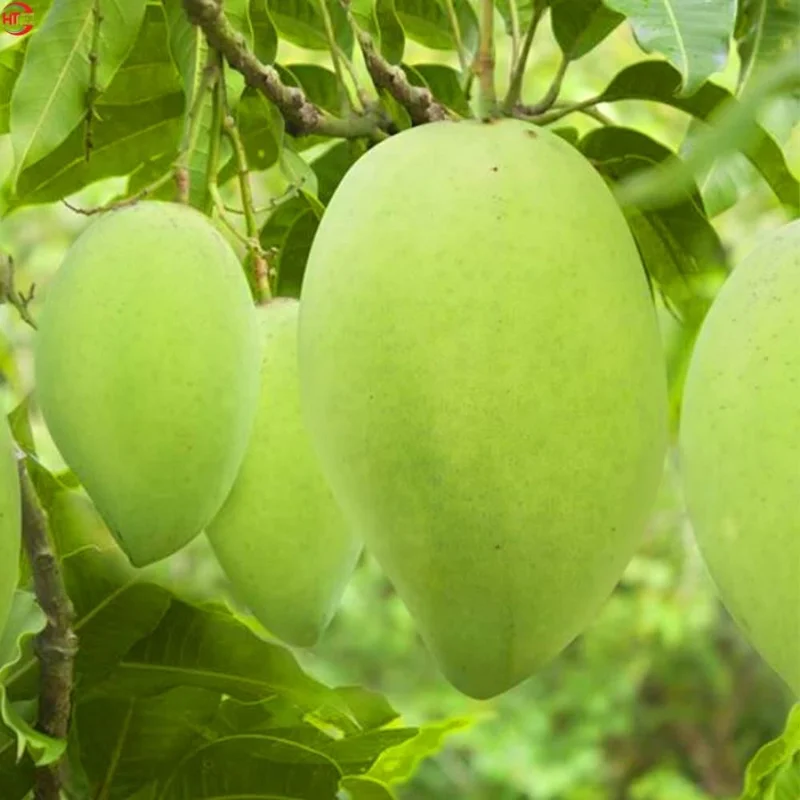
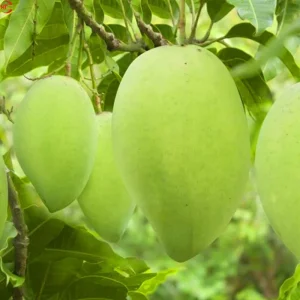
Bring the taste of Vietnam to your home with the exquisite cat hoa loc mango tree. This premium variety, scientifically known as Mangifera indica ‘Cat Hoa Loc’, is celebrated for its incredibly sweet, fiberless flesh and delightful aroma. Originating from the Mekong Delta, the Cat Hoa Loc mango is a true delicacy, often considered one of the finest mangoes in the world. Our offering is a robust, 2 to 3 feet tall grafted live plant, ensuring vigorous growth and earlier fruit production compared to seed-grown trees. Shipped securely in a 3-gallon pot, this vietnamese mango plant is ready for transplanting into your garden or a larger container, allowing you to enjoy the unique flavor of homegrown tropical fruit. Its compact size makes it suitable for both backyard orchards and patio containers in warmer climates.
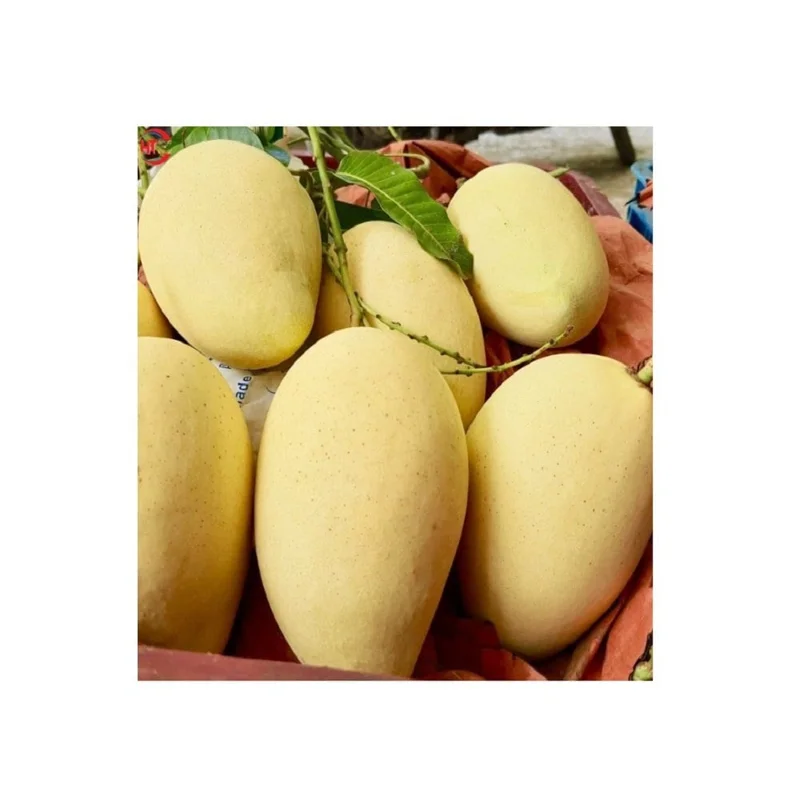
The ‘Cat Hoa Loc’ variety is highly prized for its consistent quality and delicious fruit. Known for its distinct elongated shape and vibrant yellow skin when ripe, it promises a truly satisfying culinary experience. Growing your own grafted mango tree provides not only fresh, organic fruit but also a beautiful, lush addition to your landscape. This particular specimen features a bigger, stronger trunk, indicating a well-established and healthy plant that is poised for successful growth and abundant harvests.
Key Benefits
The cat hoa loc mango tree offers a multitude of advantages for the home gardener and fruit enthusiast:
-
Exceptional Fruit Quality: Enjoy incredibly sweet, aromatic, and fiberless mangoes that are considered among the best in the world. The unique flavor profile of the cat hoa loc mango tree is unparalleled.
-
Grafted for Early Fruiting: Our trees are grafted, which means they will bear fruit much sooner than trees grown from seed, often within 2-3 years, providing a quicker return on your gardening efforts.
-
Healthy, Established Plant: Shipped as a 2-3 feet tall plant with a bigger trunk in a 3-gallon pot, you receive a robust and well-rooted specimen, increasing its chances of successful establishment.
-
Ornamental Value: Beyond its delicious fruit, this tropical fruit tree boasts attractive evergreen foliage, making it a beautiful focal point in any garden or patio setting.
-
Homegrown and Organic: Control what goes into your fruit by growing your own, ensuring fresh, chemical-free mangoes for your family.
-
Cultural Significance: The Cat Hoa Loc mango holds cultural importance in Vietnam, adding an exotic and authentic touch to your garden.
Plant Care & Growing Tips
Caring for your cat hoa loc mango tree involves understanding its tropical needs to ensure optimal growth and fruit production. Mango trees thrive in warm, sunny environments. They require at least 6-8 hours of direct sunlight per day. If planting outdoors, choose a location with full sun exposure and protection from strong winds. For container-grown plants, place them in the sunniest spot on your patio or near a south-facing window if bringing indoors during colder months. The ideal temperature range for mango trees is between 70-90°F (21-32°C). They are not frost-tolerant and should be protected from temperatures below 40°F (4°C), making them suitable for USDA zones 9-11 outdoors or as container plants in other regions.
Watering is crucial, especially for young trees and during dry periods. Water deeply and regularly, allowing the top few inches of soil to dry out between waterings. Avoid overwatering, as this can lead to root rot. Well-draining soil is essential. A sandy loam soil with a pH between 6.0 and 7.0 is ideal. For container planting, use a high-quality potting mix formulated for fruit trees or tropical plants. Fertilize your vietnamese mango plant with a balanced fertilizer (e.g., 8-3-9-2) specifically designed for fruit trees, starting once the tree has established. Follow the product’s instructions, typically fertilizing every 2-3 months during the growing season. Pruning should be done to maintain a manageable size, encourage branching, and remove any dead or diseased wood. Proper pruning also helps improve air circulation and sunlight penetration, which are vital for healthy fruit development and managing your hoa loc mango care regimen.
Common issues include fungal diseases like powdery mildew and anthracnose, which can be managed with proper air circulation and appropriate fungicides. Pests like aphids and scale can also affect mango trees; inspect your plant regularly and treat infestations promptly with insecticidal soap or neem oil. With consistent care, your grafted mango tree will reward you with delicious fruit for many years.
Size & Details
This offering is for one live cat hoa loc mango tree, measuring approximately 2 to 3 feet in height from the base of the pot to the top of the foliage. It is a grafted specimen, ensuring genetic purity and faster fruiting. The tree ships in a sturdy 3-gallon nursery pot, providing a substantial root ball for successful transplanting. The trunk is notably thicker and more established, indicating a robust and healthy plant. Mango trees generally have a moderate to fast growth rate, and with proper care, this tree can begin producing fruit within 2-3 years, with peak production occurring as it matures. The mature size of a mango tree can vary greatly depending on pruning and growing conditions, but it can reach heights of 10-30 feet if left unpruned. When grown in containers, their size can be managed through regular pruning to maintain a more compact form, making it an excellent tropical fruit tree for various garden sizes.
Frequently Asked Questions
-
Q: How big does this plant get? A: This cat hoa loc mango tree is currently 2 to 3 feet tall. When mature, if planted in the ground and left unpruned, it can reach heights of 10-30 feet. Its size can be controlled with regular pruning, especially if grown in a container.
-
Q: What size pot does it come in? A: The vietnamese mango plant is shipped in a 3-gallon nursery pot, providing ample space for its root system during transit and initial establishment. You may want to transplant it into a larger pot or the ground upon arrival.
-
Q: Is this an indoor or outdoor plant? A: Mango trees are tropical plants. They can be grown outdoors year-round in USDA zones 9-11. In colder climates, they should be grown in containers and brought indoors during winter or protected from frost. This makes it a versatile tropical fruit tree.
-
Q: How much sunlight does it need? A: A grafted mango tree requires full sun, meaning at least 6-8 hours of direct sunlight per day, for optimal growth and fruit production. Southern exposure is ideal for indoor growing.
-
Q: Is this plant easy to care for? A: While not difficult, mango trees do require specific care regarding sunlight, watering, and protection from cold. With attention to these needs, managing your hoa loc mango care is straightforward for most gardeners.
-
Q: What condition will it arrive in? A: Your cat hoa loc mango tree will arrive as a healthy, live plant, carefully packaged in its 3-gallon pot to minimize stress during shipping. It will be 2-3 feet tall with a robust trunk.
-
Q: How long until it blooms and fruits? A: Since this is a grafted tree, it is expected to begin flowering and producing fruit within 2-3 years of planting, much faster than a seedling tree.
-
Q: What’s the best soil for this mango tree? A: Mango trees prefer well-draining, slightly acidic to neutral soil (pH 6.0-7.0). A sandy loam mix is ideal. For potted plants, use a high-quality potting mix designed for tropical fruit trees.
-
Q: Can I grow this specific mango variety in a container? A: Yes, the cat hoa loc mango tree can be successfully grown in a large container. Regular pruning will be necessary to maintain a manageable size for container culture, making it a great option for patios or colder climates.
-
Q: Will it survive winter in my zone? A: Mango trees are sensitive to cold. If you are outside USDA zones 9-11, you must protect your tropical fruit tree from frost by bringing it indoors or providing adequate winter protection.


Reviews
There are no reviews yet.