Overview
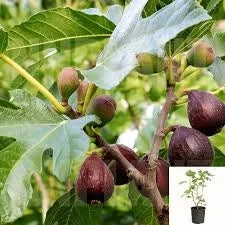
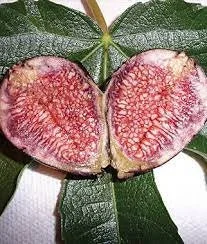
Introduce a touch of Mediterranean charm and delicious fruit to your garden with the Violette de Bordeaux fig tree. This exquisite variety is celebrated for its natural dwarf growth habit, making it an ideal choice for smaller gardens, patios, or container growing. As a live plant, it arrives ready to thrive, typically measuring 2 to 3 feet tall and shipped securely in a 6-inch pot. Known for its exceptional flavor profile, the Violette de Bordeaux fig produces small to medium-sized fruits with a striking purple-black skin and a rich, sweet, jam-like interior. This variety is highly regarded by fig enthusiasts for its robust production and delightful taste, making it a must-have for any edible landscape. Whether you’re a seasoned gardener or just starting, growing a Violette de Bordeaux fig tree promises a rewarding experience and a bountiful harvest of delectable figs.
The Ficus carica ‘Violette de Bordeaux’ is not just a fruit producer; it also adds ornamental value with its attractive lobed leaves. Its compact size means you can enjoy fresh, homegrown figs even if you have limited space. This particular dwarf fig tree is well-suited for various climates, demonstrating good cold hardiness once established. Its ability to produce high-quality fruit with minimal fuss makes it a favorite among home growers seeking a reliable and delicious fig variety. Prepare to savor the unique sweetness and depth of flavor that only fresh figs from your own Violette de Bordeaux fig tree can offer.
Key Benefits
The Violette de Bordeaux fig tree offers numerous advantages for the home gardener, combining aesthetic appeal with a generous yield of delicious fruit. Its compact nature and ease of care make it a standout choice for both novice and experienced plant enthusiasts.
- Exceptional Fruit Quality: Enjoy small to medium-sized figs with a deep purple-black skin and an intensely sweet, rich, and complex flavor. These figs are perfect for fresh eating, preserves, or baking, offering a gourmet experience right from your garden.
- Natural Dwarf Growth Habit: This dwarf fig tree naturally maintains a compact size, typically reaching 6-10 feet tall at maturity, making it ideal for container gardening, small yards, or as an attractive patio plant. Its manageable size simplifies harvesting and care.
- High Productivity: Despite its smaller stature, the Violette de Bordeaux is a prolific producer, often yielding two crops per year in optimal conditions (a breba crop in early summer and a main crop in late summer/fall), ensuring a consistent supply of fresh figs.
- Versatile Growing Options: Suitable for growing in the ground in warmer climates or in containers where it can be moved indoors during colder months, offering flexibility for gardeners in various USDA zones.
- Low Maintenance: This fig variety is relatively easy to care for, requiring basic watering, occasional fertilization, and minimal pruning to maintain its shape and encourage fruit production, making it a great option for those seeking a rewarding yet low-effort fruit tree.
- Ornamental Appeal: Beyond its fruit, the tree itself is attractive with its lush, deeply lobed green leaves, adding a touch of elegance and Mediterranean flair to any garden or outdoor living space.
- Disease Resistance: The Violette de Bordeaux fig tree generally exhibits good resistance to common fig diseases, contributing to its reliability and ease of cultivation.
Plant Care & Growing Tips
Caring for your Violette de Bordeaux fig tree is straightforward, ensuring a healthy plant and abundant harvests. Understanding its basic needs for sunlight, water, and soil will set you up for success. This variety thrives in conditions that mimic its Mediterranean origins, enjoying plenty of warmth and sun.
Sunlight Requirements: The Violette de Bordeaux fig tree performs best in full sun, meaning at least 6-8 hours of direct sunlight per day. While it can tolerate some partial shade, especially in hotter climates, full sun encourages the sweetest fruit and most vigorous growth. If growing in a container, choose a location that receives ample morning sun and some afternoon shade to prevent scorching in extreme heat. For indoor overwintering, position it near a south-facing window or use supplemental grow lights.
Watering: Consistent moisture is key, especially during the fruiting season. Water deeply whenever the top 2-3 inches of soil feel dry. Avoid overwatering, as figs do not like soggy feet, which can lead to root rot. Good drainage is crucial. During dormant periods in winter, reduce watering significantly. Newly planted trees will require more frequent watering until established. A good indicator for when to water is to check the soil moisture with your finger or a moisture meter.
Soil Type & Drainage: Figs prefer well-draining soil with a slightly acidic to neutral pH (6.0-7.0). A rich, loamy soil amended with organic matter is ideal. If planting in a container, use a high-quality potting mix designed for fruit trees or general all-purpose use, ensuring the pot has drainage holes. Excellent drainage is paramount to prevent waterlogging and promote healthy root development for your Violette de Bordeaux fig tree.
Temperature & USDA Hardiness Zone: The Violette de Bordeaux fig tree is relatively cold-hardy for a fig, typically thriving in USDA Zones 7-10. In zones 6 and below, it can be grown in containers and moved indoors to a cool, dormant location (like a garage or unheated basement) during winter, or given significant winter protection if planted in the ground. It can tolerate temperatures down to about 15-20°F (-9 to -6°C) for short periods. Protect young trees from late spring frosts.
Fertilization: Fertilize your fig tree in early spring before new growth begins and again in mid-summer, especially if it’s a sweet fig plant in a container. Use a balanced, all-purpose fertilizer or one slightly higher in phosphorus and potassium to encourage fruit production. Avoid excessive nitrogen, which can lead to lush foliage but fewer figs. Follow package directions for application rates.
Pruning: Prune in late winter or early spring while the tree is dormant. Remove any dead, damaged, or crossing branches. You can also prune to maintain a desirable size and shape, and to encourage more fruit production on new wood. For container-grown figs, regular pruning helps keep the tree compact and manageable.
Size & Details
This Violette de Bordeaux fig tree is delivered as a healthy, actively growing live plant, typically measuring between 2 to 3 feet in height from the base of the pot to the top of the foliage. It is carefully shipped in a 6-inch nursery pot, providing a robust root system ready for transplanting into your garden or a larger container. As a natural dwarf fig tree, it will mature to a manageable height of approximately 6 to 10 feet with a similar spread, making it an excellent choice for smaller spaces or patio cultivation. The growth rate is moderate, allowing it to establish well in its new environment. While some plants may arrive with developing fruits, this is not guaranteed, as fruit production is seasonal and dependent on the plant’s stage of growth at the time of shipping. Expect your first significant harvest within 1-2 years of planting, with the tree becoming more prolific as it matures. The strong root system ensures a good start for your future sweet fig plant.
The 6-inch pot size provides enough soil and nutrients for the plant during transit and for a short period after arrival. It is recommended to transplant the fig into a larger container (e.g., 10-15 gallon initially) or directly into the ground shortly after receiving it to allow for optimal root expansion and growth. This size is perfect for integrating into an existing garden or starting a new edible landscape project. The purple fig tree is a long-lived plant, offering many years of delicious fruit with proper care.
Frequently Asked Questions
- Q: How big does this plant get? A: The Violette de Bordeaux fig tree is a natural dwarf variety that typically reaches a mature height of 6 to 10 feet when grown in the ground. If grown in a container, its size can be further managed through pruning to keep it more compact.
- Q: Is this an indoor or outdoor plant? A: This fig tree is primarily an outdoor plant, thriving in full sun. However, in colder climates (USDA Zones 6 and below), it can be successfully grown in containers and moved indoors to a cool, dormant location during the winter months to protect it from freezing temperatures.
- Q: How much sunlight does it need? A: The Violette de Bordeaux fig tree requires at least 6-8 hours of direct sunlight per day to produce the sweetest and most abundant fruit. South-facing locations are ideal for maximizing sun exposure.
- Q: What condition will it arrive in? A: Your Violette de Bordeaux fig tree will arrive as a healthy, live plant, approximately 2-3 feet tall, securely shipped in a 6-inch nursery pot. While we ensure careful packaging, minor leaf drop or stress can occur during transit, but the plant will recover quickly with proper care.
- Q: Is it good for beginners? A: Yes, this dwarf fig tree is considered relatively easy to care for and is a great choice for beginner gardeners. Its compact size and robust nature make it forgiving, and its prolific fruiting is very rewarding.
- Q: When is the best time to plant? A: The best time to plant your Violette de Bordeaux fig tree is in spring after the last frost, or in early fall in warmer climates. This allows the plant to establish its root system before extreme summer heat or winter cold.
- Q: What kind of soil does it prefer? A: This sweet fig plant prefers well-draining, fertile soil with a pH between 6.0 and 7.0. Amending garden soil with compost or using a high-quality potting mix for containers will provide the best growing conditions.
- Q: Will it survive winter in my zone? A: The Violette de Bordeaux fig is hardy in USDA Zones 7-10. In colder zones, it requires winter protection, either by bringing container-grown plants indoors or providing heavy mulching and wrapping for in-ground plants.
- Q: Can I expect fruit the first year? A: While it’s possible for a young purple fig tree to produce a few fruits in its first year, it typically takes 1-2 years for the tree to become well-established and start producing a significant crop. Production increases as the tree matures.
- Q: How often should I water my fig tree? A: Water deeply when the top 2-3 inches of soil feel dry, especially during the growing and fruiting seasons. Reduce watering significantly during the dormant winter months. Consistent moisture is important, but avoid waterlogging.


Reviews
There are no reviews yet.