Overview
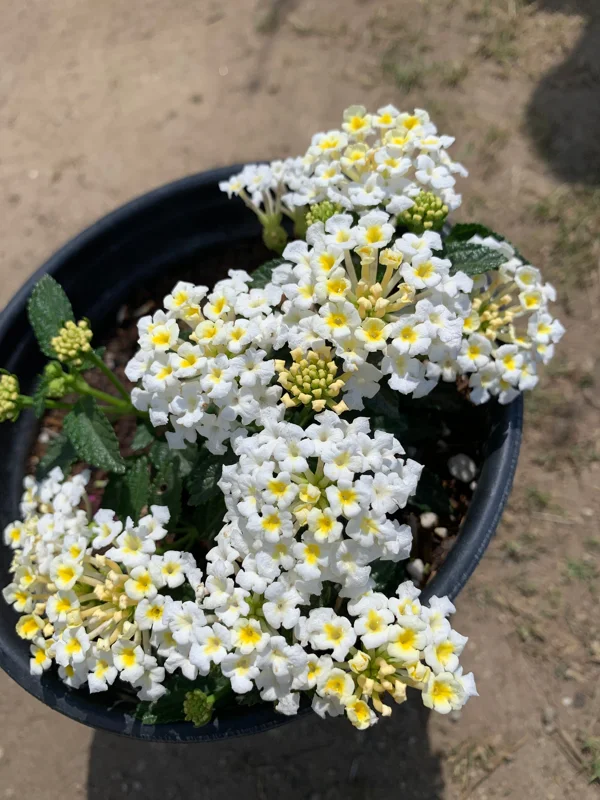
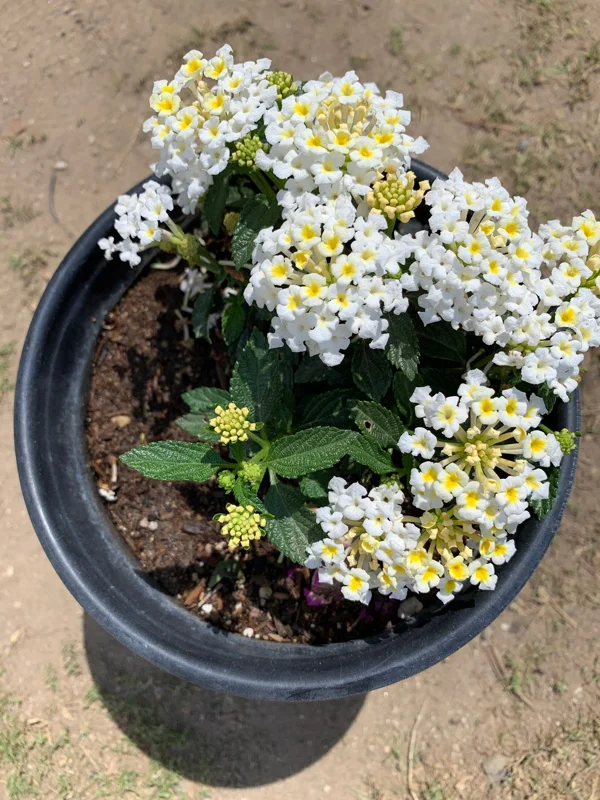
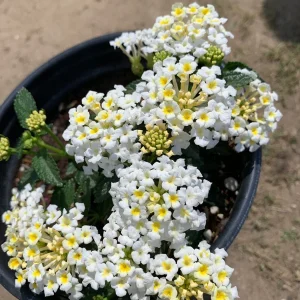
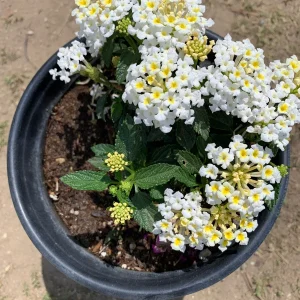
Introduce a touch of elegance and natural charm to your landscape with the stunning white lantana live plant. Known for its prolific blooming habit and resilience, Lantana camara ‘White’ is a favorite among gardeners seeking continuous color and minimal fuss. This beautiful flowering shrub, often grown as an annual in cooler climates or a perennial in warmer zones, boasts clusters of pure white flowers that create a striking contrast against its dark green foliage. Originating from tropical regions, lantana is exceptionally heat and drought tolerant once established, making it an ideal choice for sunny gardens, patios, and containers, especially in regions with hot summers. Its vigorous growth and abundant blooms ensure a spectacular display throughout the growing season, providing a constant source of nectar for local wildlife.
The white lantana live plant arrives ready to thrive, typically in a 1 gallon pot, providing a well-established root system for quick integration into your garden. Its mounding and spreading habit makes it versatile for various landscape applications, from groundcover to container focal points. Beyond its aesthetic appeal, lantana is celebrated for its ability to attract a diverse array of pollinators, including butterflies, bees, and hummingbirds, contributing to the biodiversity of your outdoor space. Whether you’re an experienced gardener or just starting, this lantana variety offers rewarding beauty with relatively little effort, transforming your garden into a vibrant haven.
Key Benefits
Choosing a white lantana live plant for your garden brings a multitude of advantages, enhancing both the beauty and ecological value of your outdoor areas. Its robust nature and continuous bloom cycle make it a standout selection for any gardener. Here are some of the key benefits you can expect:
- Continuous Bloom: Enjoy a season-long display of pristine white flowers from spring until the first frost. This prolific blooming habit ensures your garden remains vibrant and colorful for months, providing consistent visual interest.
- Attracts Pollinators: The nectar-rich flowers are a magnet for local wildlife. You’ll frequently observe butterflies, bees, and hummingbirds flitting around your white lantana live plant, helping to support local ecosystems and adding dynamic activity to your garden. This makes it excellent for attracting pollinators.
- Drought Tolerance: Once established, this plant is remarkably resilient to dry conditions. Its ability to thrive with less water makes it an excellent, low-maintenance choice for water-wise gardening and busy individuals, truly a drought tolerant lantana.
- Heat Loving: Lantana thrives in full sun and hot temperatures, performing exceptionally well where many other plants might struggle. It is perfectly suited for regions with intense summer heat, ensuring vibrant blooms even during the peak of summer.
- Low Maintenance: This shrub requires minimal care once established. It’s generally pest and disease resistant, and occasional deadheading can encourage even more blooms, though it’s not strictly necessary for continuous flowering.
- Versatile Use: Its mounding and spreading growth habit makes it suitable for various applications. Plant it in garden beds, as a groundcover, in hanging baskets, or in containers to add a splash of color to patios and balconies.
- Deer Resistant: Lantana is generally considered deer resistant, which is a significant advantage for gardeners in areas where deer browse is a concern. The foliage is not typically appealing to deer, protecting your investment.
Plant Care & Growing Tips
Caring for your white lantana live plant is straightforward, making it an excellent choice for gardeners of all experience levels. Lantana thrives with minimal intervention once it has settled into its new environment. The most crucial factor for abundant blooms and vigorous growth is ample sunlight. This plant requires at least 6-8 hours of direct sunlight per day, ideally full sun, to reach its full potential. In shadier conditions, it may produce fewer flowers and become leggy. For indoor cultivation, place it near a south-facing window or use supplemental grow lights to ensure it receives adequate light. When planting, choose a location with good air circulation to help prevent fungal issues.
Watering should be consistent during the establishment phase, usually the first few weeks after planting. After that, lantana plant care involves allowing the soil to dry out moderately between waterings. Overwatering can lead to root rot, so ensuring good drainage is paramount. For soil, lantana is adaptable but prefers well-draining soil. A slightly acidic to neutral pH is ideal. In containers, use a high-quality potting mix that drains well. Fertilize sparingly; too much fertilizer can promote foliage growth at the expense of flowers. A balanced, slow-release fertilizer applied in spring is usually sufficient. Pruning can be done in late winter or early spring to shape the plant and encourage bushier growth. Deadheading spent flowers can also encourage more blooms, though many modern varieties are self-cleaning.
This lantana outdoor plant is typically hardy in USDA Zones 8-11, where it can be grown as a perennial. In colder zones (7 and below), it is best treated as an annual or brought indoors before the first frost. If overwintering indoors, reduce watering and provide a bright location. Watch out for common pests like whiteflies and spider mites, especially when grown indoors or in very dry conditions. Proper air circulation and occasional inspection can help keep these issues at bay. Following these simple lantana plant care guidelines will ensure your beautiful white lantana flourishes and provides continuous enjoyment.
Size & Details
The white lantana live plant you receive will typically be shipped in a 1 gallon pot, ensuring a healthy and established root system ready for planting. At the time of shipment, the plant height will vary, but it will be a well-rooted specimen prepared for transplanting into your garden or a larger container. When mature, this lantana variety typically grows to a height of 1 to 3 feet and can spread up to 3 to 6 feet wide, forming a beautiful mounding shrub. Its growth rate is moderate to fast, allowing it to quickly fill in spaces and provide ample color throughout the season.
The plant produces clusters of small, pure white flowers, which are characteristic of the Lantana camara species. It is a warm-season bloomer, performing best in temperatures above 60°F (15°C) and thriving in hot, sunny conditions. Expect continuous blooms from late spring through fall, often until the first hard frost. This plant is delivered as a live, actively growing specimen, carefully packaged to ensure its safe arrival. The 1 gallon pot provides sufficient soil and nutrients for the plant to recover from shipping stress and begin growing vigorously once planted in its new home. Its robust nature makes it an excellent choice for a variety of landscape designs, offering long-lasting beauty and ecological benefits.
Frequently Asked Questions
- Q: How big does this plant get? A: The white lantana live plant typically grows to a mature height of 1 to 3 feet and can spread 3 to 6 feet wide, creating a beautiful mounding shrub. Its size can be managed with pruning if a more compact form is desired.
- Q: Is this an indoor or outdoor plant? A: This lantana is primarily an lantana outdoor plant, thriving in full sun and warm temperatures. In USDA Zones 8-11, it can be grown as a perennial. In colder zones, it is best treated as an annual or brought indoors for winter.
- Q: How much sunlight does it need? A: For optimal blooming and healthy growth, your white lantana live plant requires at least 6 to 8 hours of direct sunlight per day. Full sun exposure is highly recommended.
- Q: Is this plant easy to care for? A: Yes, lantana is known for being very easy to care for. It’s a low-maintenance plant that is heat and drought tolerant lantana and generally resistant to pests and diseases, making it suitable for beginners.
- Q: What condition will it arrive in? A: Your plant will arrive as a healthy, actively growing specimen in a 1 gallon pot, with a well-established root system, carefully packaged to minimize stress during transit.
- Q: How often should I water my lantana? A: Once established, water thoroughly when the top inch or two of soil feels dry to the touch. It is a drought tolerant lantana, so avoid overwatering to prevent root rot.
- Q: When is the best time to plant white lantana? A: The best time to plant white lantana is in spring after all danger of frost has passed, once soil temperatures have warmed up. This allows the plant ample time to establish before the peak growing season.
- Q: Will it survive winter in my zone? A: White lantana is perennial in USDA Zones 8-11. In colder zones, it will not survive winter outdoors and should be treated as an annual or brought indoors.
- Q: Does this plant attract butterflies? A: Absolutely! The vibrant flowers of the white lantana live plant are highly attractive to butterflies, bees, and hummingbirds, making it excellent for attracting pollinators to your garden.
- Q: What kind of soil does lantana prefer? A: Lantana thrives in well-draining soil, and is adaptable to various soil types, including sandy or loamy. Good drainage is more important than soil richness.


Reviews
There are no reviews yet.