Overview
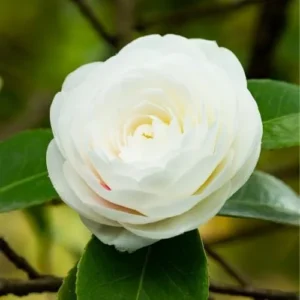
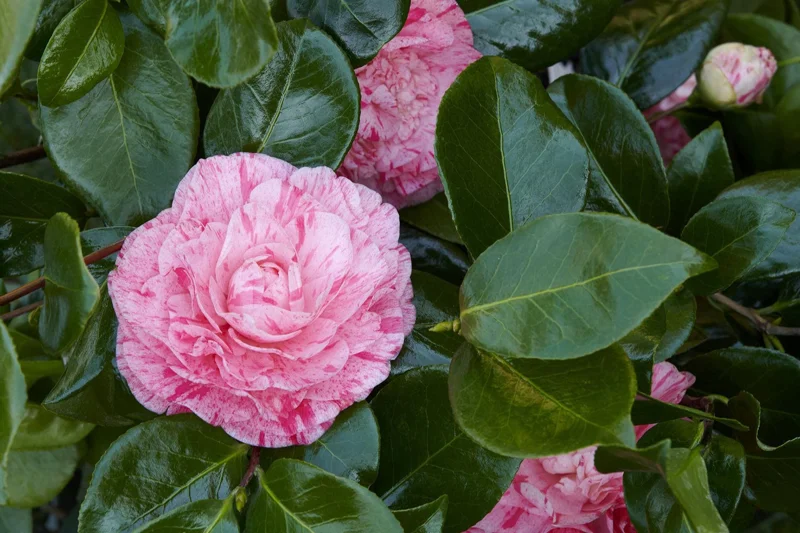
Introduce a touch of timeless beauty to your garden with the exquisite Camellia japonica ‘Carter’s Sunburst’. This particular variety is cherished for its striking, large, semi-double to anemone-form flowers that boast a captivating blend of white, pink, and red streaks, reminiscent of a sunrise. As a live plant, it arrives at approximately 1ft tall in a 6-inch pot, ready to establish itself as a prominent feature in your outdoor space. Known for its strong, upright growth habit, this camellia is a classic choice for gardeners seeking a sophisticated and long-lasting flowering shrub. The glossy, dark green foliage provides an attractive backdrop for the spectacular winter and early spring blooms, making it a focal point even during colder months.
The Camellia japonica ‘Carter’s Sunburst’ is a robust and enduring plant, capable of reaching an impressive height of 10-12 feet over time, creating a substantial presence in any landscape design. Its ability to thrive in partial sun conditions makes it adaptable to various garden settings, from woodland gardens to shaded borders or as an elegant specimen plant. This variety is celebrated not only for its aesthetic appeal but also for its hardiness and relatively low maintenance once established, offering years of enjoyment with its stunning floral display.
Key Benefits
The Camellia japonica ‘Carter’s Sunburst’ offers numerous advantages, making it a highly desirable addition to any garden. Its unique characteristics contribute to a vibrant and elegant outdoor environment.
- Stunning Winter Blooms: Enjoy a spectacular display of large, vibrant flowers during the late winter and early spring when most other plants are dormant, providing much-needed color and cheer. The ‘Carter’s Sunburst’ variety is especially noted for its unique white, pink, and red variegated petals.
- Elegant Evergreen Foliage: The glossy, dark green leaves remain attractive all year round, offering a lush backdrop for its dramatic blooms and providing excellent structural interest in the garden throughout every season. This ensures your garden maintains visual appeal even when not in bloom.
- Versatile Landscape Use: This outdoor flowering shrub is perfect for a variety of garden applications, whether as a specimen plant, in mixed borders, as an informal hedge, or even grown in large containers on patios. Its upright growth habit makes it a versatile choice.
- Low Maintenance Once Established: Once settled into its ideal growing conditions, the Camellia ‘Carter’s Sunburst’ requires minimal intervention, making it a rewarding plant for both experienced and novice gardeners. Regular watering and occasional feeding are usually sufficient.
- Impressive Mature Size: With the potential to grow 10-12 feet tall, this camellia can create a significant visual impact, providing privacy, shade, or acting as a dramatic focal point in larger garden designs.
- Attracts Pollinators: Although its primary appeal is its beauty, the early blooms can provide a valuable nectar source for early-emerging pollinators in your garden.
- Long-Lived Beauty: Camellias are known for their longevity, often thriving for decades with proper care, becoming cherished, enduring elements of your garden’s legacy.
Plant Care & Growing Tips
Caring for your Camellia japonica ‘Carter’s Sunburst’ is straightforward, ensuring years of beautiful blooms. This plant thrives in specific conditions that mimic its native subtropical environments. For optimal growth and flowering, choose a location with partial sun exposure. This means the plant should receive morning sun and be protected from harsh afternoon sun, especially in warmer climates. Too much direct sun can scorch the leaves and fade the flowers, while too much shade can reduce bloom production.
When it comes to watering, camellias prefer consistently moist, but not waterlogged, soil. Water deeply when the top inch or two of soil feels dry to the touch, especially during dry spells and when the plant is establishing. Reduce watering slightly in winter, but never let the soil dry out completely. A rich, well-draining, acidic soil is crucial for this pink camellia plant. Amend heavy clay soils with organic matter like compost or pine bark to improve drainage and acidity. Fertilize in late spring after flowering with a slow-release, acid-loving plant fertilizer, following package instructions. Avoid fertilizing in late summer or fall, as this can encourage new growth that is susceptible to winter damage.
Protection from cold winds is important, particularly for young plants. While mature plants are quite hardy, extreme cold snaps can damage flower buds. Pruning is generally minimal, focusing on removing dead, diseased, or crossing branches after flowering. You can also lightly shape the plant to maintain its desired form. Common issues include scale insects or camellia tea mites, which can be managed with horticultural oil. Ensure good air circulation to prevent fungal diseases like camellia petal blight.
Size & Details
The Camellia japonica ‘Carter’s Sunburst’ is shipped as a healthy live plant, approximately 1ft (12 inches) tall, measured from the soil line. It arrives securely planted in a 6-inch nursery pot, providing a well-established root system ready for transplanting. This particular variety exhibits a moderate growth rate, eventually maturing into a substantial shrub or small tree, reaching an impressive height of 10-12 feet and a similar spread, creating a full and impactful presence in your garden. The plant’s upright form makes it suitable for various landscape applications, from a standalone specimen to a backdrop for smaller plantings.
Expect vibrant blooms during late winter to early spring, typically from January through March, depending on your specific climate zone. The flowers are large, often 4-5 inches across, with a unique variegated pattern of white, pink, and red. The plant is evergreen, providing year-round interest with its glossy, dark green foliage. When you receive your Camellia japonica ‘Carter’s Sunburst’, it will be carefully packaged to ensure its safe arrival, ready to be planted in its new home.
Frequently Asked Questions
- Q: How big does this plant get? A: The Camellia japonica ‘Carter’s Sunburst’ is a vigorous grower and can reach a mature height of 10-12 feet tall with a similar spread, forming a large and stately shrub or small tree.
- Q: What size pot does it come in? A: This live plant is typically shipped in a 6-inch diameter nursery pot, providing ample space for its root system and ensuring a healthy start in your garden.
- Q: Is this an indoor or outdoor plant? A: The Camellia japonica ‘Carter’s Sunburst’ is primarily an outdoor flowering shrub, best suited for garden beds or large outdoor containers where it can receive adequate light and space to grow.
- Q: How much sunlight does it need? A: This camellia thrives in partial sun. It prefers morning sun and protection from the intense heat of the afternoon sun, which can scorch its leaves and flowers.
- Q: Is this plant easy to care for? A: Once established, the tall camellia plant is relatively low maintenance. It requires consistent moisture, acidic soil, and protection from extreme temperatures, but is generally easy to care for.
- Q: What condition will it arrive in? A: Your Camellia japonica ‘Carter’s Sunburst’ will arrive as a healthy, approximately 1ft tall live plant, carefully packaged in its nursery pot to ensure minimal stress during transit.
- Q: When is the best time to plant? A: The best time to plant camellias is in fall or early spring, allowing the roots to establish before summer heat or winter cold sets in.
- Q: What kind of soil does it prefer? A: This camellia prefers well-draining, acidic soil with a good amount of organic matter. A pH range of 5.5 to 6.5 is ideal for optimal growth and nutrient uptake.
- Q: Will it survive winter in my zone? A: The Camellia ‘Carter’s Sunburst’ is hardy in USDA Zones 7-9. In colder parts of its range, some winter protection or planting in a sheltered location may be beneficial.
- Q: How long until it blooms? A: This camellia typically blooms in late winter to early spring, usually from January through March, depending on your local climate. Established plants will produce abundant flowers.


Reviews
There are no reviews yet.