Overview
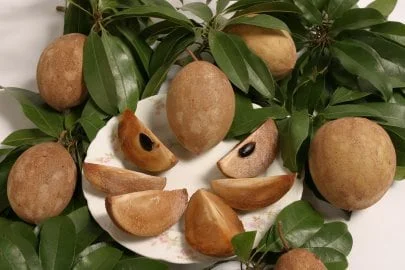
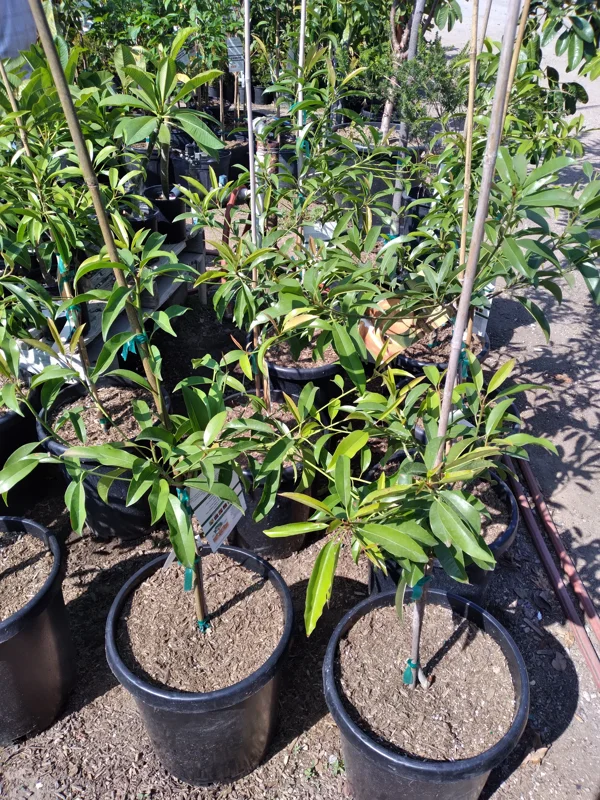
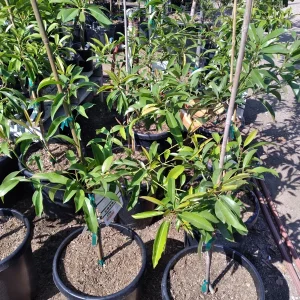
Cultivate your own tropical paradise with this exquisite sapodilla live plant. Known botanically as Manilkara zapota tree, the sapodilla is a remarkable fruit tree celebrated for its exceptionally sweet and flavorful fruit. Often described as having a taste reminiscent of a pear soaked in brown sugar, the sapodilla fruit is a true culinary delight. This offering provides a robust 2 to 3 feet tall specimen, carefully grown and shipped in a 3-gallon pot, ensuring a healthy start for your new tropical addition. Originating from Tropical America, the sapodilla thrives in warm climates and can begin bearing fruit within one to two years, making it a rewarding choice for any gardener interested in tropical fruit cultivation. Enjoy the satisfaction of harvesting your own sweet, juicy sapodillas right from your backyard or patio.
The sapodilla is not just about its delicious fruit; it’s also a beautiful evergreen tree that can add a lush, exotic touch to your landscape. With an average mature height and width of 20 feet by 20 feet, it provides ample shade and an attractive presence. Whether you’re an experienced tropical fruit enthusiast or new to growing exotic plants, the sapodilla live plant offers a unique and gratifying gardening experience. Its relatively low maintenance requirements for a tropical fruit tree make it an accessible option for many climates, especially when protected from frost.
Key Benefits
Beyond its delicious fruit, the sapodilla live plant offers numerous advantages for the home gardener and landscape:
- Delicious, Unique Fruit: Enjoy the exquisite flavor of sapodilla fruit, often compared to brown sugar and pear. It’s perfect for fresh eating, milkshakes, and various cooked dishes.
- Early Fruiting: Many varieties of sapodilla begin to bear fruit within 1-2 years of planting, offering a relatively quick return on your gardening efforts.
- Attractive Evergreen Foliage: The tree boasts lush, green evergreen leaves, providing year-round beauty and shade in your garden or patio.
- Adaptable Growth: While a tropical plant, improved varieties show good adaptability, making them suitable for a wider range of warm climates, especially with proper care.
- Nutrient-Rich Harvest: Sapodilla fruit is not only tasty but also a good source of vitamins and minerals, contributing to a healthy diet.
- Long Fruiting Season: With a season typically spanning from December to October, you can enjoy a prolonged harvest of fresh fruit.
- Garden Aesthetics: The graceful form and dense canopy of the sapodilla live plant make it an excellent ornamental tree, enhancing the tropical feel of any outdoor space.
Plant Care & Growing Tips
Caring for your sapodilla live plant is straightforward, especially when provided with the right conditions. This tropical tree thrives in full sun, requiring at least 6-8 hours of direct sunlight per day to produce the best fruit. In very hot climates, some afternoon shade can be beneficial, particularly for young trees. When it comes to watering, sapodillas prefer consistent moisture, especially during dry periods and when the tree is actively fruiting. However, ensure the soil is well-draining to prevent root rot. Allow the top inch or two of soil to dry out slightly between waterings.
The ideal soil for a Manilkara zapota tree is a rich, well-draining loam. It can tolerate a range of soil types but performs best in slightly acidic to neutral pH soils. Amend heavy clay soils with organic matter to improve drainage. Fertilize your sapodilla tree with a balanced, slow-release fertilizer designed for fruit trees, typically 2-3 times during the growing season. Young trees benefit from more frequent, lighter applications. Protect your plant from temperatures below 28°F, as it is sensitive to frost. In regions with occasional freezes, consider planting in a large container that can be moved indoors or provide frost protection during cold snaps. Regular pruning is not extensively required but can be done to maintain shape, remove dead branches, and encourage a strong framework for fruit production. Watch out for common pests like scale insects or mealybugs, and treat with organic insecticidal soaps if necessary to keep your growing sapodilla healthy.
Size & Details
This offering is for one healthy sapodilla live plant, which stands approximately 2 to 3 feet tall from the base of the pot. It is shipped securely in a 3-gallon nursery pot, providing a well-established root system ready for transplanting into your garden or a larger container. The average mature height and width of a sapodilla tree can reach 20 feet by 20 feet, though size can be managed with proper pruning and container growing. Your plant will begin to bear fruit within one to two years under optimal growing conditions, offering a rewarding experience for any gardener. The sapodilla has a long fruiting season, typically from December to October, ensuring a continuous supply of delicious fruit once established. This robust tropical fruit plant is ideal for those looking to add a unique and productive tree to their landscape.
Frequently Asked Questions
- Q: How big does this plant get? A: This sapodilla live plant is currently 2-3 feet tall. Mature sapodilla trees can reach an average height and width of 20 feet by 20 feet, though growth can be managed through pruning or container cultivation.
- Q: What size pot does it come in? A: The sapodilla plant ships in a sturdy 3-gallon nursery pot, ensuring its roots are well-protected and established for successful transplanting.
- Q: Is this an indoor or outdoor plant? A: The Manilkara zapota tree is a tropical outdoor plant in USDA zones 9 and above. In colder climates, it can be grown in a large container and moved indoors during winter months to protect it from frost.
- Q: How much sunlight does it need? A: Sapodilla trees thrive in full sun, requiring at least 6-8 hours of direct sunlight daily for optimal growth and fruit production.
- Q: Is this plant easy to care for? A: Yes, sapodillas are relatively easy to care for once established. They require consistent watering, well-draining soil, and protection from frost, making them suitable for gardeners with some experience in tropical fruit plants.
- Q: What condition will it arrive in? A: Your tropical fruit plant will arrive as a healthy, live specimen, carefully packaged in its 3-gallon pot to minimize stress during transit, ready for planting.
- Q: How long until it blooms and produces fruit? A: Sapodilla trees typically begin to bear fruit within one to two years of planting, provided they are grown in ideal conditions.
- Q: What’s the minimum temperature this plant can tolerate? A: The sapodilla tree is sensitive to cold and can be damaged by temperatures below 28°F. It’s best to protect it from frost.
- Q: What are the best uses for sapodilla fruit? A: The fruit from your growing sapodilla is delicious when eaten fresh, but it also makes excellent milkshakes, smoothies, and can be used in various cooked desserts and dishes.
- Q: What kind of soil is best for sapodilla? A: Sapodillas prefer well-draining, rich loamy soil. They can tolerate various soil types but perform best in slightly acidic to neutral pH ranges with good organic content.


Reviews
There are no reviews yet.