Overview
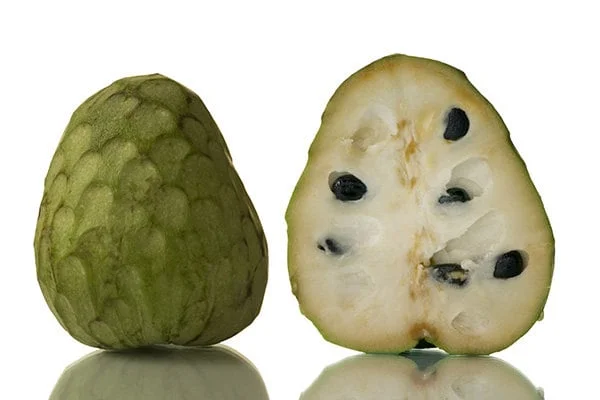
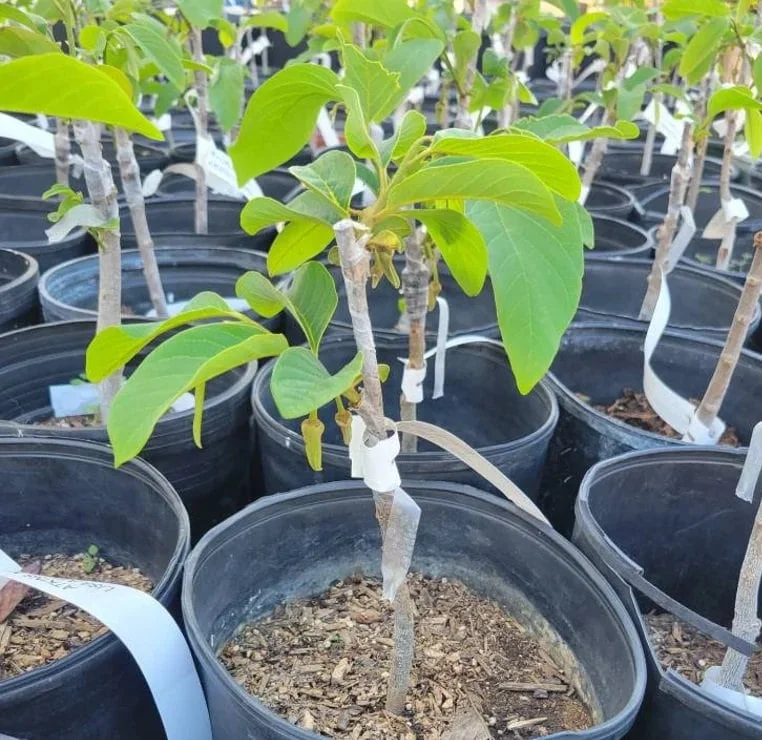
Bring the taste of the tropics to your home garden with this exquisite cherimoya live plant. Known botanically as Annona cherimola, the cherimoya is celebrated for its delectable, creamy fruit often described as a blend of pineapple, mango, and strawberry. This particular plant stands at a healthy 2 feet tall and is carefully shipped in a robust 3-gallon pot, ensuring it arrives ready for planting and establishment. The cherimoya, sometimes called the ‘custard apple,’ is a medium-sized, semi-deciduous tree that thrives in subtropical climates, making it a fantastic addition for those in suitable USDA zones or for dedicated container growers in cooler regions. Growing your own annona cherimola tree offers the unparalleled satisfaction of harvesting fresh, organic fruit directly from your backyard.
Our cherimoya live plant is selected for vigor and health, providing you with a strong foundation for a fruitful future. With proper care, this tree will not only produce an abundance of delicious fruit but also add an attractive, lush green presence to your landscape. It’s an ideal choice for gardening enthusiasts looking to expand their edible garden with something truly special and rewarding.
Key Benefits
Growing a cherimoya tree offers numerous advantages, from its unique fruit to its aesthetic appeal. This tropical fruit tree provides a bounty of benefits for any gardener:
-
Exotic and Delicious Fruit: Harvest your own sweet, creamy cherimoya fruit, known for its complex tropical flavor profile. Enjoy fresh, organic produce right from your tree, free from pesticides and chemicals.
-
Nutrient-Rich Harvest: Cherimoya fruit is packed with vitamins, minerals, and antioxidants, contributing to a healthy diet. It’s a natural source of Vitamin C, B vitamins, and dietary fiber.
-
Attractive Ornamental Tree: Beyond its fruit, the cherimoya tree features attractive foliage and fragrant flowers, making it a beautiful addition to any garden or patio. Its semi-deciduous nature ensures year-round interest in warmer climates.
-
Rewarding Gardening Experience: Experience the joy and satisfaction of nurturing a unique fruit tree from a young plant to a productive specimen. Learning how to grow cherimoya provides a fulfilling horticultural challenge.
-
Potential for Container Growing: For those in cooler climates, cherimoya can be grown successfully in large containers, allowing you to move it indoors during cold weather. This flexibility makes it accessible to a wider range of gardeners.
-
Unique Culinary Uses: The fruit can be enjoyed fresh, in smoothies, desserts, or even savory dishes, adding a gourmet touch to your culinary creations. Its versatility in the kitchen is a delightful bonus.
-
Conversation Starter: Owning a cherimoya tree is sure to spark interest and conversation among friends and family, showcasing your adventurous gardening spirit and providing a unique harvest.
Plant Care & Growing Tips
To ensure your cherimoya live plant thrives and produces abundant fruit, understanding its specific care requirements is crucial. Cherimoyas prefer a subtropical climate with mild winters and warm summers, but without extreme heat. They are best suited for USDA Zones 9-11, where they can be planted outdoors. In cooler regions, container growing with winter protection is recommended. The tree requires a location with at least 6-8 hours of direct sunlight per day, though some afternoon shade can be beneficial in very hot climates to prevent leaf scorch. Protection from strong winds is also important, as their branches can be somewhat brittle.
Proper watering is essential for healthy growth and fruit production. Keep the soil consistently moist but never waterlogged. Allow the top few inches of soil to dry out slightly between waterings, especially during the fruiting season. Overwatering can lead to root rot, while underwatering can cause fruit drop and reduced vigor. Well-draining soil is paramount; a sandy loam with a slightly acidic to neutral pH (6.5-7.0) is ideal. Amend heavy clay soils with organic matter to improve drainage. Fertilize your annona cherimola tree with a balanced slow-release fertilizer designed for fruit trees, typically in spring and mid-summer. Follow package instructions for dosage, as too much fertilizer can harm the plant. Pruning should be done in late winter or early spring to shape the tree, remove dead or diseased branches, and encourage new growth and fruit production. Hand-pollination may be necessary to ensure good fruit set, as natural pollinators can be scarce.
Understanding cherimoya plant care also involves monitoring for common pests and diseases, although cherimoyas are generally quite resilient. Keep an eye out for mealybugs, scale, and aphids, treating them with horticultural oil or insecticidal soap if necessary. Ensure good air circulation to prevent fungal issues. With consistent attention to these cultural practices, your cherimoya tree will reward you with years of delicious fruit.
Size & Details
This offering is for one robust cherimoya live plant, which stands approximately 2 feet tall from the base of the soil to the tip of its tallest stem. It arrives securely rooted and growing in a 3-gallon nursery pot, providing a well-established root system ready for transplanting. While the exact height may vary slightly due to natural growth patterns, each plant is carefully selected to meet our quality standards. Cherimoya trees are moderate growers, typically reaching a mature height of 15-30 feet if left unpruned, though they can be maintained at a smaller size with regular pruning, making them suitable for various garden spaces or large containers. You can expect your tree to begin flowering and fruiting within 3-5 years from planting, with peak production occurring as the tree matures. The plant is shipped in its nursery pot with soil, ensuring minimal shock during transit and a smooth transition to its new home.
Frequently Asked Questions
-
Q: How big does this plant get and what size pot does it come in? A: This cherimoya live plant is approximately 2 feet tall and is shipped in a 3-gallon nursery pot. At maturity, if planted in the ground, cherimoya trees can reach 15-30 feet tall, but they can be kept smaller with pruning or grown in large containers.
-
Q: Is this an indoor or outdoor plant? How much sunlight does it need? A: Cherimoyas are tropical fruit trees best suited for outdoor planting in USDA Zones 9-11. In cooler climates, they can be grown in containers and moved indoors during winter. They require 6-8 hours of direct sunlight daily, but appreciate some afternoon shade in extremely hot areas.
-
Q: Is this plant easy to care for? Is it good for beginners? A: While not as low-maintenance as some houseplants, with proper attention to watering, sunlight, and soil, a cherimoya live plant can be successfully grown by dedicated beginners. Understanding cherimoya plant care is key to success.
-
Q: What condition will it arrive in? Is it shipped in soil? A: Your cherimoya plant will arrive healthy, actively growing, and securely rooted in its 3-gallon nursery pot with soil. We take great care in packaging to ensure it reaches you in excellent condition.
-
Q: How long until it blooms and produces fruit? A: Typically, a tropical fruit tree like the cherimoya will begin to flower and set fruit within 3-5 years from planting, with production increasing as the tree matures and establishes itself. Hand-pollination may be beneficial for better fruit set.
-
Q: What’s the best soil type for an Annona cherimola tree? A: An annona cherimola tree thrives in well-draining, slightly acidic to neutral sandy loam soil. It’s crucial to avoid heavy clay soils that retain too much moisture, as this can lead to root rot. Amending with organic matter improves drainage.
-
Q: Will it survive winter in my zone? What’s the minimum temperature? A: Cherimoyas are sensitive to frost. They can tolerate brief dips to around 25-28°F (-4 to -2°C) but prefer temperatures above freezing. If you’re outside USDA Zones 9-11, you’ll need to provide winter protection or grow it in a container to bring indoors.
-
Q: Can I grow cherimoya from seed? A: While you can grow cherimoya from seed, it typically takes much longer to fruit (7+ years) and the fruit quality may vary significantly from the parent plant. Starting with a grafted or established live plant ensures faster fruiting and known fruit quality.
-
Q: What are some common uses for cherimoya fruit? A: Cherimoya fruit is wonderful eaten fresh, chilled, and spooned directly from the peel. It’s also excellent in smoothies, ice creams, sorbets, and fruit salads. Its unique custard-like texture and sweet flavor make it a versatile ingredient for various desserts and beverages.
-
Q: Is the cherimoya tree self-fertile? A: Cherimoya trees are technically self-fertile, but their flowers are protogynous, meaning the female parts mature before the male parts. This often leads to poor natural pollination, making hand-pollination highly recommended to ensure a good fruit set, especially for a single cherimoya live plant.


Reviews
There are no reviews yet.