Overview
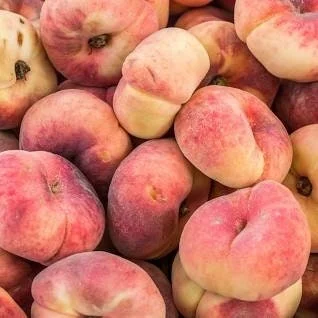
The donut peach tree, also known as Saturn peach or flat peach, is a truly unique addition to any home orchard. This live plant offers an exciting opportunity to grow your own delicious and distinctive fruit. Known for its flattened, saucer-like shape and sweet, white-fleshed fruit, the donut peach is a favorite among gardeners and fruit enthusiasts. Its mild, often almond-like flavor sets it apart from traditional round peaches. This particular variety is celebrated for its beautiful early spring blooms, followed by a bountiful harvest of uniquely shaped, flavorful peaches. Growing to a manageable size of 2-3 feet tall, it’s perfect for smaller gardens or even large containers, making fresh, homegrown peaches accessible to more people. This donut peach tree is a live plant, shipped with good roots, ready to establish and thrive in your garden.
Originating from Asia, these peaches have gained immense popularity worldwide for their ease of eating and delightful taste. The ‘Donut’ variety is also prized for its relatively low chill peach hour requirement, making it suitable for a wider range of climates. Imagine plucking a perfectly ripe, sweet peach directly from your own tree – an experience unmatched by store-bought fruit. The tree’s attractive foliage and fragrant blossoms further enhance its appeal, providing both ornamental beauty and delicious produce.
Key Benefits
Adding a donut peach tree to your garden brings a multitude of rewards, from visual appeal to delectable harvests. This fruit tree is a fantastic choice for both novice and experienced gardeners.
- Unique & Delicious Fruit: Enjoy sweet, white-fleshed peaches with a distinctive flat, ‘doughnut’ shape and a delightful almond-like flavor. These peaches are easy to eat and a true gourmet treat.
- Ornamental Value: Beyond its fruit, the tree boasts beautiful blooms in spring, adding a touch of elegance and fragrance to your landscape before the fruit even appears.
- Low Chill Requirement: This variety is a low chill peach, meaning it requires fewer hours of cold weather to set fruit, making it suitable for warmer climates where other peach varieties might struggle.
- Manageable Size: Typically growing 2-3 feet tall, this peach tree is perfect for smaller gardens, urban spaces, or even container planting on a patio.
- Homegrown Freshness: Experience the unparalleled taste of freshly picked, tree-ripened peaches, free from commercial waxes or pesticides.
- Gardening Satisfaction: There’s immense satisfaction in nurturing a plant from a young stage to a fruit-bearing tree, providing a rewarding gardening experience.
- Versatile Use: The fruit from your donut peach tree can be enjoyed fresh, in desserts, jams, or as a healthy snack.
Plant Care & Growing Tips
Caring for your donut peach tree is a rewarding experience that will lead to plentiful harvests. Proper care ensures a healthy tree and delicious fruit. Peach trees thrive in full sun, requiring at least 6-8 hours of direct sunlight per day. Choose a location in your garden that receives ample sun exposure throughout the day. Well-draining soil is crucial for peach trees; they do not tolerate soggy roots. A slightly acidic to neutral soil pH (6.0-7.0) is ideal. Amend heavy clay soils with organic matter like compost or aged manure to improve drainage and fertility. When planting, ensure the graft union (the swollen part where the tree was grafted) is above the soil line.
Watering should be consistent, especially during dry spells and when the fruit is developing. Young trees need more frequent watering to establish their root system. Water deeply, allowing the top few inches of soil to dry out between waterings. Avoid overhead watering to reduce the risk of fungal diseases. Fertilize your flat peach plant in early spring with a balanced fruit tree fertilizer, following the product’s instructions. Pruning is essential for maintaining tree shape, promoting fruit production, and improving air circulation. Prune in late winter or early spring while the tree is dormant, removing dead, diseased, or crossing branches. Thinning fruit in late spring, after the natural fruit drop, will encourage larger, higher-quality peaches.
Protection from pests and diseases is also an important aspect of peach tree care. Common issues can include peach leaf curl, brown rot, and various insect pests. Organic sprays or appropriate fungicides can help manage these problems. Covering the tree with netting can protect ripening fruit from birds and other wildlife. Ensure your donut peach tree has adequate air circulation to prevent fungal growth. Knowing the specific USDA hardiness zone for your area will help determine if the tree needs winter protection, although this low-chill variety is generally more adaptable. Regular observation of your tree will help you catch and address any issues early, ensuring a robust and productive plant.
Size & Details
This donut peach tree is a live plant, typically shipped at a height of 2 to 3 feet tall, making it a substantial starter plant ready for immediate planting. It arrives in a 3-gallon nursery pot, ensuring the root system is well-established and robust. The tree is expected to grow to a mature height of 6-10 feet with a similar spread, depending on pruning and growing conditions, fitting well into most home garden landscapes. With proper care, you can expect fruit production within 2-3 years after planting. The ‘Donut’ variety is known for its moderate growth rate. It is a deciduous tree, meaning it will lose its leaves in the fall and enter dormancy for the winter months, preparing for new growth and fruit production in the spring. This sweet peach tree is ideal for growing in USDA Zones 5-9, requiring approximately 200-300 chill hours.
Frequently Asked Questions
- Q: How big does this donut peach tree get? A: This donut peach tree typically grows to a mature height of 6-10 feet tall with a similar spread, making it a manageable size for most home gardens. It is shipped as a 2-3 feet tall live plant.
- Q: What size pot does it come in? A: The donut peach tree is shipped in a 3-gallon nursery pot, providing a healthy root ball for successful transplanting.
- Q: Is this an indoor or outdoor plant? A: This peach tree is an outdoor plant and requires full sun exposure to produce fruit. It is not suitable for long-term indoor growth.
- Q: How much sunlight does it need? A: For optimal growth and fruit production, your flat peach plant needs at least 6-8 hours of direct sunlight per day.
- Q: Is this plant easy to care for? A: Peach trees require consistent care, including proper watering, fertilizing, and pruning, but with the right attention, they are very rewarding for gardeners of all skill levels. This peach tree care guide provides essential tips.
- Q: What condition will it arrive in? A: Your donut peach tree will arrive as a live plant with a healthy, established root system, ready for planting. We take great care in packaging our plants for safe transit.
- Q: Can I use the peaches in cooking? A: Absolutely! The sweet, almond-flavored peaches from your tree are excellent for fresh eating, baking, jams, preserves, and various culinary creations.
- Q: How long until it blooms and produces fruit? A: This sweet peach tree typically starts blooming in early spring. You can expect your first harvest of fruit within 2-3 years after planting, with increasing yields as the tree matures.
- Q: When is the best time to plant this peach tree? A: The best time to plant your donut peach tree is in early spring or fall, allowing the roots to establish before extreme summer heat or winter cold.
- Q: Will it survive winter in my zone? A: This low chill peach variety is generally hardy in USDA Zones 5-9. Ensure your local climate falls within this range for best results.


Reviews
There are no reviews yet.