Overview
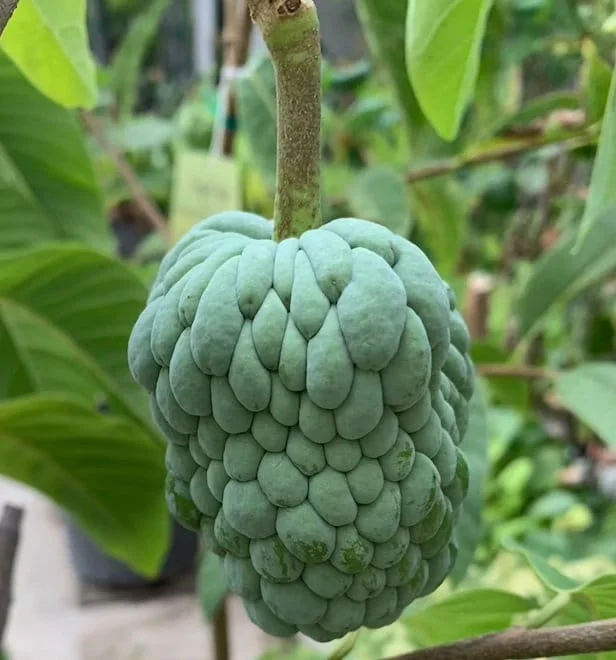
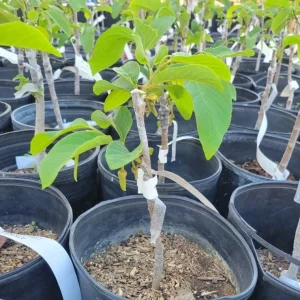
Introduce a taste of the tropics to your garden with the exquisite Atemoya live plant, a hybrid fruit tree celebrated for its rich, sweet, and custardy flavor. This offering features the highly prized Na Hoang Hau Atemoya variety, renowned for its superior fruit quality and robust growth. Originating from a cross between the cherimoya and sugar apple, the atemoya combines the best characteristics of both parents, yielding large, heart-shaped fruits with a delectable, aromatic white flesh. Our Atemoya live plant arrives healthy and ready to thrive, providing an exciting opportunity for home growers to enjoy this exotic delicacy fresh from their own backyard. It’s an excellent choice for those looking to expand their edible landscape with unique and rewarding fruit-bearing trees.
The Na Hoang Hau Atemoya is particularly favored for its high sugar content and smooth texture, with fewer seeds compared to other varieties. This makes it a delightful treat for fresh eating, desserts, or even frozen confections. Growing your own tropical fruit tree offers the satisfaction of harvesting fresh, organic produce, while also adding an attractive, lush element to your outdoor space. With proper care, this plant will mature into a productive tree, providing years of delicious fruit.
Key Benefits
The Atemoya live plant offers a multitude of benefits for the discerning gardener and fruit enthusiast. Its unique characteristics make it a standout addition to any tropical-themed garden or edible landscape:
-
Exotic Fruit Production: Enjoy the rare opportunity to grow your own delicious atemoya fruit, a hybrid known for its sweet, creamy, and aromatic flesh, often described as a blend of pineapple, mango, and vanilla. This provides a truly unique culinary experience.
-
Superior Na Hoang Hau Variety: This specific Na Hoang Hau Atemoya variety is highly regarded for its exceptional flavor profile, larger fruit size, and often smoother texture with fewer seeds, making it a premium choice for home cultivation.
-
Ornamental Appeal: Beyond its fruit, the Atemoya live plant features attractive foliage and a graceful growth habit, adding a lush, tropical aesthetic to your garden, patio, or greenhouse, enhancing the overall beauty of your outdoor space.
-
Rewarding Growing Experience: Cultivating a tropical fruit tree like the atemoya is a fulfilling hobby, allowing you to connect with nature and enjoy the fresh, organic fruits of your labor right from your own home. It’s an ideal project for gardeners of all skill levels.
-
Health Benefits: Atemoya fruits are not only delicious but also packed with essential vitamins, minerals, and antioxidants, contributing to a healthy diet. Enjoying fresh fruit directly from your garden ensures maximum nutritional value.
-
Versatile Culinary Uses: The sweet and creamy flesh of the atemoya can be enjoyed fresh, chilled, or incorporated into a variety of desserts, smoothies, ice creams, and other culinary creations, offering endless possibilities for gourmet meals.
-
Long-Term Investment: A well-cared-for Atemoya live plant can produce fruit for many years, providing a sustainable source of delicious tropical produce and increasing the value and appeal of your property.
Plant Care & Growing Tips
Successful cultivation of your Atemoya live plant, especially the Na Hoang Hau Atemoya variety, requires attention to its specific tropical needs. Atemoyas thrive in warm, subtropical to tropical climates and are sensitive to frost. They prefer a location with full sun exposure, meaning at least 6-8 hours of direct sunlight daily, to ensure optimal fruit production and healthy growth. In very hot climates, some afternoon shade can be beneficial to prevent leaf scorch. When considering growing Atemoya, it’s crucial to understand its environmental requirements.
The ideal soil for an Atemoya live plant is well-draining, rich in organic matter, and slightly acidic to neutral (pH 6.0-7.0). Amend heavy clay soils with compost or sand to improve drainage, as atemoyas do not tolerate waterlogged conditions, which can lead to root rot. Consistent watering is key, especially during dry periods and when the tree is flowering and fruiting. Allow the top few inches of soil to dry out slightly between waterings, but avoid letting the soil become completely parched. Fertilize your tropical fruit tree with a balanced fertilizer formulated for fruit trees, applying it regularly during the growing season (spring through summer). Pruning should be done to maintain a manageable size, encourage air circulation, and remove any dead or diseased branches. Protecting young trees from strong winds and frost is essential; consider covering them or moving potted plants indoors during colder months. For specific guidance, a comprehensive Atemoya care guide can be invaluable.
Pollination can sometimes be a challenge with atemoyas, as the flowers are protogynous (female parts mature before male parts). Hand pollination can significantly increase fruit set. This involves collecting pollen from male-phase flowers in the evening and applying it to female-phase flowers the following morning. Watch out for common pests like mealybugs and scale insects, and treat them with horticultural oil or insecticidal soap if necessary. Fungal diseases can be prevented by ensuring good air circulation and avoiding overhead watering. Regular monitoring and proactive care will ensure your Atemoya live plant remains vigorous and productive.
Size & Details
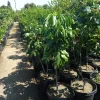
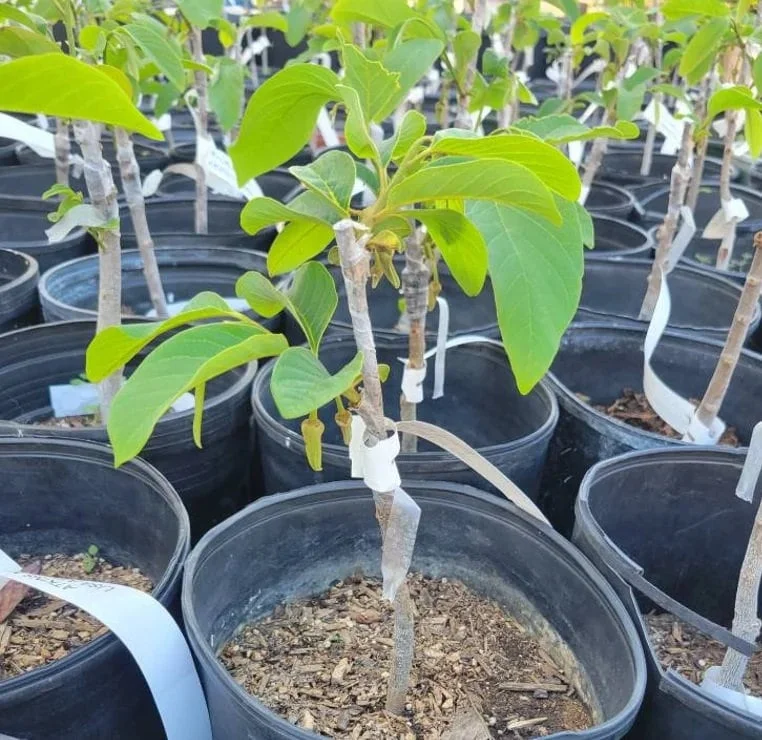
This offering is for a single Atemoya live plant of the distinguished Na Hoang Hau variety, typically measuring 1 to 2 feet in height from the base of the soil to the tip of the foliage. Each plant is carefully cultivated and shipped in a sturdy 3-gallon nursery pot, ensuring its roots are well-established and ready for transplanting into your garden or a larger container. The 3-gallon pot size provides ample space for initial root development and allows for a smooth transition to its permanent home. These young tropical fruit trees exhibit a moderate growth rate, and with proper care, they can begin to produce fruit within 2-3 years, offering a rewarding long-term investment for your edible landscape.
The plant’s height and vigor make it suitable for immediate planting in warm climates or for continued growth in a pot in cooler regions where it can be moved indoors during winter. The Na Hoang Hau variety is known for its robust growth habit and ability to reach mature sizes of 15-20 feet if left unpruned in ideal conditions, though it can be maintained at a smaller size with regular pruning. The plant will arrive with healthy foliage, carefully packed to minimize stress during transit, ready for you to continue its journey of growing Atemoya into a bountiful fruit producer.
Frequently Asked Questions
-
Q: How big will my Atemoya live plant get? A: Your Atemoya live plant will arrive 1 to 2 feet tall in a 3-gallon pot. With proper care and ideal conditions, mature trees can reach heights of 15-20 feet, though they can be kept smaller through regular pruning, making them suitable for various garden sizes or large containers.
-
Q: Is this an indoor or outdoor plant? A: Atemoya is a tropical fruit tree that thrives outdoors in USDA Zones 9-11. In cooler climates, it can be grown in a large pot and moved indoors to a sunny location or a greenhouse during the colder winter months to protect it from frost, which it is very sensitive to.
-
Q: How much sunlight does the Na Hoang Hau Atemoya need? A: For optimal growth and fruit production, your Na Hoang Hau Atemoya plant requires full sun exposure, meaning at least 6 to 8 hours of direct sunlight each day. In extremely hot and intense climates, some afternoon shade can be beneficial to prevent leaf burn.
-
Q: How often should I water my Atemoya live plant? A: Water regularly and deeply, especially during dry periods and when the tree is flowering and fruiting. Allow the top 2-3 inches of soil to dry out slightly between waterings. Avoid overwatering, as atemoyas are susceptible to root rot in waterlogged conditions. Consistent moisture is key for healthy growing Atemoya.
-
Q: When can I expect fruit from my tropical fruit tree? A: While your Atemoya live plant is young, with good care and favorable conditions, you can typically expect your first fruits within 2 to 3 years after planting. Fruit production will increase as the tree matures, offering a rewarding harvest for years to come.
-
Q: Is this Atemoya care guide suitable for beginners? A: Yes, the Atemoya care guide principles outlined are suitable for beginners. While atemoyas have specific needs, they are generally rewarding to grow with consistent attention to watering, sunlight, and frost protection. Hand pollination might be a new technique but is easily learned.
-
Q: What kind of soil is best for growing Atemoya? A: Growing Atemoya requires well-draining soil that is rich in organic matter. A slightly acidic to neutral pH (6.0-7.0) is ideal. If your soil is heavy clay, amend it with compost, perlite, or sand to improve drainage and aeration, which is crucial for root health.
-
Q: Will my Atemoya plant survive winter in a cold climate? A: Atemoya plants are tropical and very sensitive to frost. If you live in a climate with temperatures below freezing, you must protect your Atemoya live plant. This usually means growing it in a container that can be moved indoors to a warm, bright location or a heated greenhouse for the winter months.
-
Q: What condition will the plant arrive in? A: Your Atemoya live plant will be carefully packaged to ensure it arrives in excellent, healthy condition. It will be rooted in its 3-gallon pot, with healthy foliage, ready for you to transplant or continue growing in its current container.
-
Q: Can I use the fruits from the Na Hoang Hau Atemoya in cooking? A: Absolutely! The fruits of the Na Hoang Hau Atemoya are renowned for their sweet, custardy texture and delicious flavor, making them perfect for fresh eating, smoothies, ice creams, custards, and various tropical desserts. They are a versatile and delightful addition to many culinary creations.


Reviews
There are no reviews yet.