Overview
Discover the joy of growing your own exotic fruit with the white sapote suebelle tree. This exceptional cultivar, often referred to simply as ‘Suebelle’, is a highly prized grafted fruit tree known for its prolific and consistent production of sweet, creamy fruit. Originating from California, the ‘Suebelle’ variety (Casimiroa edulis ‘Suebelle’) has earned its reputation as perhaps the best-known cultivar due to its adaptability and delicious taste. This offering is for a healthy, vibrant live plant, approximately 2 feet tall, carefully nurtured and shipped in a 3-gallon pot, making it ready for immediate planting and establishment in your home garden. Ideal for backyard culture, the ‘Suebelle’ white sapote offers a unique blend of ornamental beauty and edible bounty.
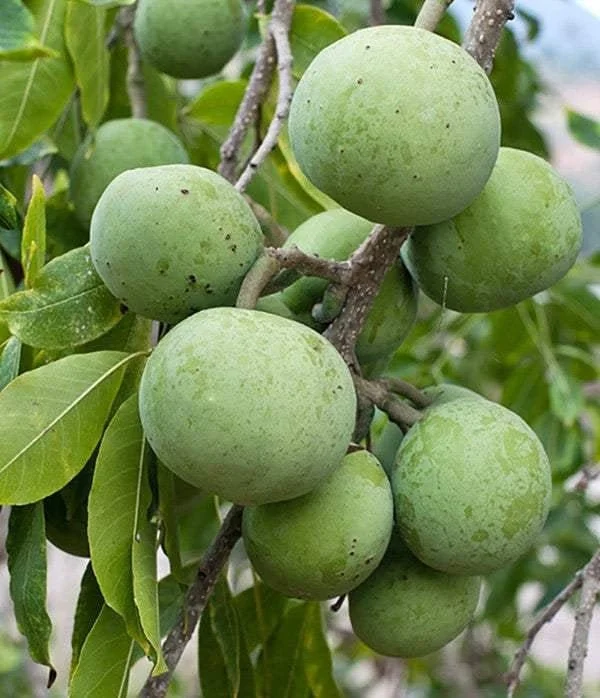
The White Sapote ‘Suebelle’ is a medium-sized tree that can bear fruit nearly year-round in suitable climates, providing a continuous harvest of its delectable produce. Its vigorous growth and reliable fruiting make it a favorite among fruit enthusiasts looking to grow white sapote. The fruit itself is small to medium, typically yellow when ripe, and has a distinctive asymmetrical shape. Its creamy, custard-like flesh is exceptionally sweet, making it a delightful treat straight from the tree or used in various culinary applications. This particular grafted fruit tree ensures that you receive a plant with the exact desirable characteristics of the ‘Suebelle’ cultivar, guaranteeing a successful and rewarding growing experience.
Key Benefits
The white sapote suebelle tree offers a wealth of benefits for home gardeners and fruit lovers alike, making it a standout choice for your landscape. Its unique characteristics contribute to its popularity and ease of cultivation.
- Prolific and Extended Fruiting: One of the most significant advantages of the ‘Suebelle’ is its ability to produce fruit nearly year-round in favorable conditions. This means a continuous supply of fresh, delicious white sapote for an extended period, unlike many seasonal fruit trees.
- Superior Flavor Profile: The ‘Suebelle’ cultivar is celebrated for its exceptionally sweet, creamy, and custard-like fruit flesh. Its unique taste is often compared to a blend of banana, peach, and vanilla, offering a truly gourmet experience straight from your own backyard.
- Excellent for Backyard Culture: As a medium-sized tree, the suebelle fruit tree is well-suited for home gardens, even those with limited space. Its manageable size and productive nature make it an ideal specimen for personal orchards and landscape integration.
- Grafted for True-to-Type Fruit: This plant is a grafted fruit tree, ensuring that it will produce fruit identical in quality and characteristics to the renowned ‘Suebelle’ cultivar. Grafting also often leads to earlier fruiting compared to seed-grown trees.
- Nutrient-Rich Fruit: White sapote fruit is not only delicious but also a good source of vitamins and minerals, contributing to a healthy diet. Enjoy fresh, organic fruit directly from your garden.
- Ornamental Appeal: Beyond its fruit, the ‘Suebelle’ tree possesses attractive foliage, making it a beautiful addition to any garden or landscape. Its lush green leaves and moderate size enhance outdoor aesthetics.
- Relatively Low Maintenance: Once established, the casimiroa edulis suebelle is known for being relatively easy to care for, requiring standard fruit tree maintenance practices to thrive and produce abundantly.
Plant Care & Growing Tips
To ensure your white sapote suebelle tree thrives and produces abundant fruit, proper care and attention to its growing conditions are essential. This live plant prefers a warm, subtropical to tropical climate, making it well-suited for regions with mild winters.
Sunlight and Location: White sapote trees, including the ‘Suebelle’ cultivar, flourish in full sun. Choose a location in your garden that receives at least 6-8 hours of direct sunlight per day. While mature trees can tolerate some light shade, optimal fruit production occurs with ample sun exposure. Protect young trees from harsh, intense afternoon sun in extremely hot climates. The tree is generally suitable for USDA Zones 9-11, requiring protection from frost in the lower end of its hardiness range.
Soil and Watering: The ‘Suebelle’ white sapote prefers well-draining soil with a pH between 6.0 and 7.0. A loamy, fertile soil enriched with organic matter is ideal. Avoid heavy, waterlogged soils, as this can lead to root rot. Water your tree regularly, especially during dry periods and while the fruit is developing. The goal is consistent moisture, not saturation. Allow the top few inches of soil to dry out slightly between waterings. Reduce watering during cooler, dormant periods. Proper irrigation is key to helping your grafted fruit tree establish and produce effectively.
Fertilization and Pruning: Fertilize your casimiroa edulis suebelle with a balanced fruit tree fertilizer, following the product’s instructions, typically applied in early spring and again in mid-summer. Young trees benefit from more frequent, lighter applications. Pruning is generally minimal for white sapote. Focus on removing dead, diseased, or crossing branches to maintain good air circulation and shape. Light pruning can also be done to manage size and facilitate harvesting. Remember that the ‘Suebelle’ variety is known to grow white sapote fruit that should be picked when soft for the best flavor.
Size & Details
This offering is for one healthy white sapote suebelle tree, a robust live plant that has been carefully grafted to ensure superior fruit quality. The tree stands approximately 2 feet tall from the base of the pot, providing a significant head start for establishment in your garden. It is shipped securely in a 3-gallon nursery pot, complete with an established root system, minimizing transplant shock and promoting vigorous growth upon arrival. The ‘Suebelle’ is known as a medium-sized tree, typically reaching a height of 15-20 feet at maturity, though its size can be managed with pruning, making it an excellent choice for a backyard suebelle fruit tree. Its growth rate is moderate, and with proper care, you can expect fruit production within a few years.
The fruit of the ‘Suebelle’ is small to medium in size, with a distinctive yellow skin and an asymmetrical shape when ripe. The creamy, sweet flesh is best enjoyed when the fruit is soft to the touch, indicating peak ripeness. This grafted fruit tree is a long-term investment, offering many years of delicious harvests. It’s a fantastic way to enjoy fresh, homegrown tropical fruit. Ensure you have adequate space and suitable climate conditions to help your casimiroa edulis suebelle thrive.
Frequently Asked Questions
- Q: How big does this White Sapote Suebelle tree get? A: This particular white sapote suebelle tree is approximately 2 feet tall when shipped. At maturity, a ‘Suebelle’ tree can reach heights of 15-20 feet, though its size can be managed with regular pruning, making it suitable for many home gardens.
- Q: Is this an indoor or outdoor plant? A: The White Sapote ‘Suebelle’ is primarily an outdoor fruit tree. It thrives in warm, subtropical to tropical climates (USDA Zones 9-11). In colder zones, it can be grown in a large container and moved indoors during winter, but it requires significant light.
- Q: How much sunlight does the ‘Suebelle’ tree need? A: For optimal growth and fruit production, your suebelle fruit tree needs at least 6-8 hours of direct sunlight per day. Full sun exposure is highly recommended.
- Q: What condition will the live plant arrive in? A: Your live plant will arrive carefully packaged, approximately 2 feet tall, and securely planted in a 3-gallon nursery pot with a healthy, established root system, ready for transplanting.
- Q: How long until this grafted fruit tree produces fruit? A: As a grafted fruit tree, the ‘Suebelle’ often begins to bear fruit sooner than seed-grown trees, typically within 2-4 years after planting, depending on growing conditions and care.
- Q: What kind of soil is best for growing White Sapote? A: White Sapote trees prefer well-draining, fertile soil with a slightly acidic to neutral pH (6.0-7.0). Amend heavy clay soils with organic matter to improve drainage.
- Q: Is the ‘Suebelle’ variety easy to care for? A: Once established, the ‘Suebelle’ white sapote is considered relatively easy to care for. It requires regular watering, adequate sunlight, and occasional fertilization, similar to other fruit trees.
- Q: When is the best time to pick the fruit from a ‘Suebelle’ tree? A: The fruit from your casimiroa edulis suebelle should be picked when it feels soft to the touch, similar to a ripe avocado or peach. This indicates it has reached its peak sweetness and flavor.
- Q: Will this tree survive winter in my zone? A: The ‘Suebelle’ white sapote is hardy in USDA Zones 9-11. If you are in Zone 9, provide protection from frost, especially for young trees. In zones colder than 9, it is best grown in a greenhouse or as a potted plant moved indoors for winter.
- Q: Can I grow white sapote in a container? A: Yes, the ‘Suebelle’ white sapote can be successfully grown in a large container, especially in regions outside its hardiness zone. Ensure the container is large enough to accommodate its root system and has good drainage.


Reviews
There are no reviews yet.