Overview
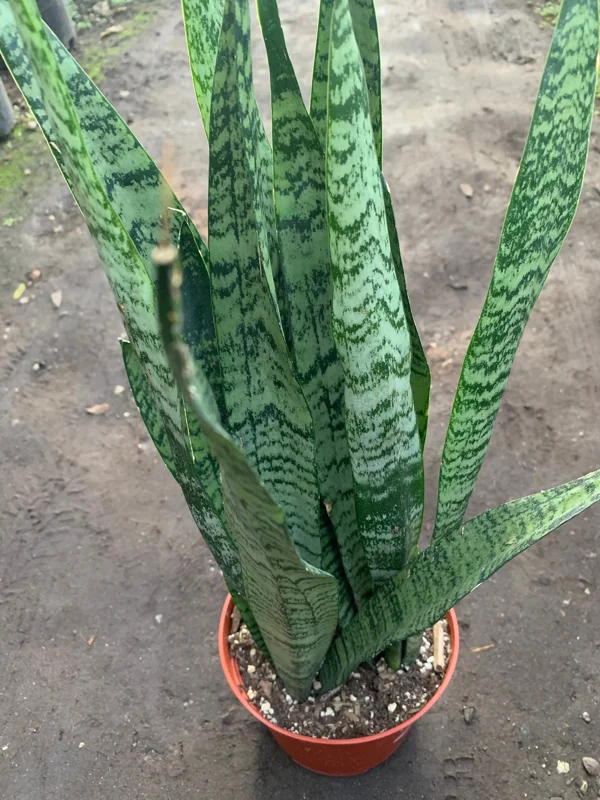
The snake plant indoor, scientifically known as Sansevieria trifasciata, is a highly popular and resilient houseplant beloved by both novice and experienced plant enthusiasts. Renowned for its striking, sword-like foliage that grows upright, this plant adds a touch of modern sophistication to any interior. Often referred to as Mother-in-Law’s Tongue, this particular specimen arrives as a robust 2-foot tall live plant, carefully nurtured and ready to be a prominent feature in your home or office. Its architectural form and ease of care make it an excellent choice for those seeking a low-maintenance yet impactful greenery.
Sansevieria trifasciata care is incredibly straightforward, making it one of the most forgiving plants available. It’s an excellent choice for anyone looking to enhance their living space with natural beauty without demanding constant attention. Originating from tropical West Africa, the snake plant has adapted to various indoor environments, thriving even in less-than-ideal conditions. Its ability to tolerate neglect and still maintain its vibrant appearance is truly remarkable, solidifying its status as a top-tier houseplant. This 2-foot tall plant, shipped securely in a 3-gallon pot, ensures a healthy start in its new home.
Key Benefits
The Sansevieria trifasciata offers a multitude of benefits beyond its aesthetic appeal, making it a valuable addition to any indoor setting. Its resilience and air-purifying qualities are just a few reasons why it’s such a cherished plant.
- Air Purification: The snake plant indoor is well-known for its ability to filter indoor air, removing toxins such as formaldehyde, benzene, xylene, and trichloroethylene. Unlike many other plants, it also converts carbon dioxide into oxygen at night, improving air quality while you sleep.
- Low Maintenance: This plant is incredibly hardy and forgiving, making it perfect for busy individuals or those new to plant care. Minimal watering and light requirements mean you can enjoy its beauty without constant fuss. This aspect makes easy care snake plant an accurate description.
- Drought Tolerant: Sansevieria can go for extended periods without water, thanks to its succulent-like leaves that store moisture. This characteristic makes it highly resilient to occasional neglect and ideal for forgetful waterers.
- Adaptable to Light Conditions: While it thrives in bright, indirect light, the snake plant can tolerate a wide range of light levels, including low light. This versatility allows you to place it in various spots within your home. It’s a true low light houseplant.
- Stylish and Modern Aesthetic: With its upright, architectural leaves, the Sansevieria trifasciata adds a contemporary and elegant touch to any decor style, from minimalist to bohemian.
- Pet-Friendly (with caution): While generally considered mildly toxic if ingested in large quantities, its bitter taste usually deters pets from consuming enough to cause serious harm. However, it’s always best to keep it out of reach of curious pets.
- Pest Resistant: This plant is generally resistant to most common houseplant pests, further contributing to its reputation as an easy care snake plant.
Plant Care & Growing Tips
Caring for your snake plant indoor is refreshingly simple, making it one of the most popular choices for beginners and seasoned plant parents alike. Understanding its basic needs will ensure your plant thrives and continues to enhance your living space for years to come. The most crucial aspect of sansevieria trifasciata care is to avoid overwatering, as this is the primary cause of issues for this resilient plant.
For sunlight requirements, the snake plant is incredibly adaptable. While it can tolerate very low light conditions, it will grow best and produce more vibrant foliage in bright, indirect light. Avoid direct, harsh sunlight, which can scorch its leaves. A spot near a north-facing window or a few feet away from an east or west-facing window is often ideal. When it comes to watering, less is more. Allow the soil to dry out completely between waterings. In winter, you may only need to water once a month or even less. Overwatering leads to root rot, so ensure your pot has excellent drainage. The ideal temperature range for Sansevieria is between 65-80°F (18-27°C). It is not frost-tolerant, so protect it from cold drafts and temperatures below 50°F (10°C). Our low light houseplant is perfect for USDA zones 9-11 if grown outdoors, but it’s primarily enjoyed as an indoor specimen.
A well-draining potting mix is essential for the snake plant. A cactus or succulent potting mix works perfectly, or you can amend regular potting soil with perlite or sand to improve drainage. Fertilize sparingly; a balanced liquid fertilizer diluted to half strength once or twice during the growing season (spring and summer) is sufficient. Avoid fertilizing in fall and winter. Common problems usually stem from overwatering, leading to soft, mushy leaves. If this occurs, reduce watering frequency and ensure proper drainage. Pests are rarely an issue for this robust plant, but occasionally mealybugs or spider mites might appear, which can be treated with neem oil or insecticidal soap. Following these simple guidelines will ensure your easy care snake plant remains healthy and beautiful.
Size & Details
This offering is for a healthy, established snake plant indoor (Sansevieria trifasciata) that stands approximately 2 feet tall from the base of the plant to the tip of its tallest leaves. It is shipped as a live plant, rooted and thriving, contained within a sturdy 3-gallon nursery pot. The pot dimensions are designed to accommodate the plant’s current size and allow for healthy root development during transit and upon arrival. The leaves are typically broad and upright, showcasing the characteristic variegated green and yellow patterns that make this plant so appealing.
Upon arrival, the plant will be ready to be placed in its new home or repotted into a decorative container of your choice. While the snake plant is a relatively slow grower, it can eventually reach heights of 3-4 feet indoors with proper care. Its compact growth habit makes it suitable for various spaces, from floor plants to tabletop accents. This sansevieria trifasciata care specimen is mature enough to provide immediate visual impact and will continue to grow and purify your air for years to come.
Frequently Asked Questions
- Q: How big does this plant get? A: This particular snake plant indoor is 2 feet tall upon arrival. With proper care, it can reach an indoor height of 3-4 feet over time, though it is a slow grower.
- Q: What size pot does it come in? A: The plant is shipped in a 3-gallon nursery pot, providing ample space for its root system and ensuring a healthy transition to your home.
- Q: Is this an indoor or outdoor plant? A: While Sansevieria can tolerate outdoor conditions in warm climates (USDA zones 9-11), it is primarily cultivated and sold as a low light houseplant due to its sensitivity to cold.
- Q: How much sunlight does it need? A: The snake plant thrives in bright, indirect light but is highly tolerant of low light conditions, making it one of the most versatile houseplants for various room exposures. Avoid direct, intense sunlight.
- Q: Is this plant easy to care for? A: Yes, the snake plant is renowned for its ease of care, making it an ideal choice for beginners and those with busy schedules. Its resilience and minimal requirements contribute to its reputation as an easy care snake plant.
- Q: What condition will it arrive in? A: Your sansevieria trifasciata care specimen will arrive as a healthy, established live plant, securely packaged in its 3-gallon pot, ready to be enjoyed.
- Q: Is it shipped in soil? A: Yes, the plant is shipped fully rooted in its nursery pot with its growing medium, ensuring minimal shock during transit.
- Q: Is it pet-safe? A: Sansevieria is considered mildly toxic if ingested. While typically not life-threatening, it can cause upset stomach. It’s best to place it where curious pets cannot easily access it.
- Q: What type of soil is best for this plant? A: A well-draining potting mix is crucial. A cactus or succulent mix is ideal, or you can amend regular potting soil with perlite or sand for improved drainage.
- Q: How often should I water my snake plant? A: Water sparingly. Allow the soil to dry out completely between waterings. Overwatering is the most common cause of problems for this plant.


Reviews
There are no reviews yet.