Overview
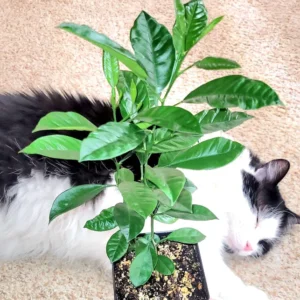
Bring the taste of the tropics to your home with a Kent mango tree live plant. This offering is for a vibrant, healthy, and grafted mango tree, typically standing between 1 to 2 feet tall, ready to thrive in your garden or a suitable container. The Kent mango (Mangifera indica ‘Kent’) is celebrated for its exceptional fruit quality, known for being sweet, juicy, and virtually fiberless, making it a favorite among mango enthusiasts. Grafting ensures that the tree will produce fruit true to the Kent variety and often leads to earlier fruiting compared to seed-grown trees. This tropical fruit tree is a fantastic addition for anyone looking to enjoy fresh, homegrown mangoes with a rich, aromatic flavor and smooth texture.
The Kent mango tree live plant is a vigorous grower and, with proper care, will mature into a productive tree. Its attractive foliage adds an ornamental touch to any landscape or patio. Whether you’re an experienced gardener or just starting your journey with fruit trees, the Kent mango offers a rewarding growing experience and the promise of abundant, delicious harvests. Prepare to enjoy the exotic taste of your own freshly picked mangoes.
Key Benefits
Growing a Kent mango tree live plant offers numerous advantages, from its delicious fruit to its aesthetic appeal. Here are some of the key benefits you can expect:
- Exceptional Fruit Quality: The Kent mango is renowned for its superior taste, featuring a rich, sweet, and aromatic flavor profile. Its smooth, fiberless flesh makes it ideal for eating fresh, juicing, or incorporating into various culinary dishes.
- Grafted for Reliability: This is a grafted mango tree, meaning it will produce fruit identical to the parent Kent variety. Grafting also promotes faster growth and earlier fruit production, often within a few years of planting.
- Ornamental Appeal: Beyond its delicious fruit, the Kent mango tree boasts attractive, glossy green foliage that provides a lush, tropical look to your garden, patio, or indoor space, making it a beautiful landscape specimen.
- Nutritional Value: Mangoes are packed with vitamins, minerals, and antioxidants, contributing to a healthy diet. Growing your own ensures you have access to fresh, nutrient-rich fruit.
- Rewarding Growing Experience: Cultivating your own tropical fruit tree provides immense satisfaction. Watching your Kent mango tree live plant grow and produce fruit is a truly fulfilling experience for any gardener.
- Adaptable to Containers: While it can grow large in the ground, the Kent mango tree can also be successfully grown in large containers, making it suitable for patios or as a potted specimen in cooler climates where it can be moved indoors during winter.
- Known for Productivity: With proper care, the Kent mango variety is known to be a productive bearer, providing a generous yield of delicious fruit once established.
Plant Care & Growing Tips
Caring for your Kent mango tree live plant requires attention to its specific tropical needs to ensure healthy growth and bountiful harvests. Mango trees thrive in warm, sunny environments. They prefer full sun, meaning at least 6-8 hours of direct sunlight per day. If growing indoors, place it near a south-facing window or supplement with grow lights. Ensure good air circulation to prevent fungal issues. The ideal temperature range for mango trees is between 70-90°F (21-32°C), and they are sensitive to frost, so protection is crucial in cooler zones. This grafted mango tree will appreciate consistent warmth.
Watering should be consistent but not excessive. Allow the top few inches of soil to dry out between waterings. Overwatering can lead to root rot, especially in poorly draining soils. During flowering and fruiting, ensure adequate moisture. The best soil for a Kent mango tree live plant is well-draining, slightly acidic (pH 6.0-6.5), and rich in organic matter. A good quality potting mix designed for citrus or tropical plants works well for container-grown trees. Fertilize regularly during the growing season (spring through summer) with a balanced fertilizer formulated for fruit trees, following package instructions. Reduce fertilization in fall and winter. Pruning is important for shape, size management, and promoting fruit production. Remove any dead, diseased, or crossing branches. For a compact tree or easier harvesting, consider judicious pruning to maintain a manageable size. Watch out for common pests like scale and mealybugs, and address them with horticultural oil or insecticidal soap if necessary. Understanding Kent mango care will lead to a thriving tree.
Size & Details
This offering is for a healthy Kent mango tree live plant, which arrives grafted and typically stands between 1 to 2 feet tall from the base of the plant to the top of its foliage. The tree is shipped in a nursery pot, ensuring its root system is intact and ready for transplanting into a larger container or directly into your garden if your climate permits. The exact height may vary slightly depending on the individual plant’s growth stage and recent pruning. This grafted mango tree is a juvenile plant, and while it may not bear fruit immediately, grafting significantly reduces the time to maturity compared to growing from seed, with fruit production often beginning within 2-4 years under optimal conditions. The growth rate is moderate to fast, allowing it to establish quickly in its new environment.
When mature, a Kent mango tree can reach heights of 15-20 feet or more in the ground, but it can be maintained at a smaller, more manageable size through regular pruning, especially when grown in a container. The width will typically be proportional to its height. The plant will arrive with healthy leaves and a robust root system, carefully packaged to minimize stress during transit. This size is ideal for establishing a strong foundation for future growth and fruit production, making it an excellent choice for those learning how to grow mango trees successfully.
Frequently Asked Questions
- Q: How big does this Kent mango tree get? A: This Kent mango tree live plant is 1 to 2 feet tall upon arrival. In the ground, mature trees can reach 15-20 feet, but they can be kept smaller through pruning, especially when grown in large containers.
- Q: Is this an indoor or outdoor plant? A: Kent mango trees are tropical and prefer warm climates. They can be grown outdoors year-round in USDA Zones 9-11. In cooler zones, they should be grown in containers and moved indoors during colder months.
- Q: How much sunlight does a Kent mango tree need? A: This grafted mango tree requires full sun, meaning at least 6-8 hours of direct sunlight per day, for optimal growth and fruit production.
- Q: Is this plant easy to care for? A: Mango trees require consistent care, including proper watering, fertilization, and protection from cold. They are moderately easy to care for once their specific needs are understood, making Kent mango care manageable for dedicated gardeners.
- Q: What condition will the plant arrive in? A: Your Kent mango tree live plant will arrive in a nursery pot with its root ball intact, carefully packaged to ensure it is healthy and ready for transplanting.
- Q: How long until it blooms and produces fruit? A: As a grafted tree, it typically begins to bloom and produce fruit within 2-4 years of planting, much faster than seed-grown trees.
- Q: What’s the best soil for this mango tree? A: A well-draining, slightly acidic soil rich in organic matter is ideal. For container growing, a high-quality potting mix formulated for tropical or citrus plants is recommended.
- Q: Can I use the fruit from this tree in cooking? A: Absolutely! The Kent mango is highly prized for its sweet, fiberless flesh, making it perfect for eating fresh, in smoothies, desserts, or various culinary applications. This is a great way to learn how to grow mango for personal consumption.
- Q: Will it survive winter in my zone? A: If you are in USDA Zones 9-11, it can survive winter outdoors. In colder zones, it must be protected from frost or brought indoors when temperatures drop below 40°F (4°C).
- Q: What is the recommended watering schedule? A: Water thoroughly when the top few inches of soil are dry to the touch. Reduce watering during the dormant winter months, but do not let the soil dry out completely.


Reviews
There are no reviews yet.