Overview
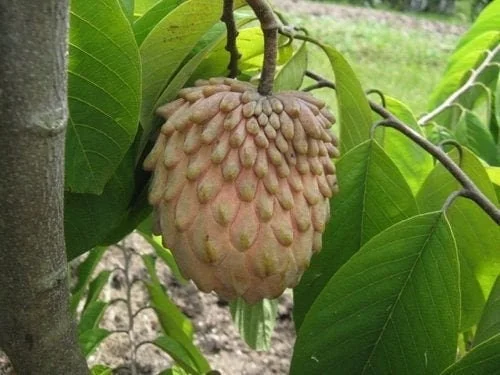
Embark on a rewarding gardening journey with the exquisite Lisa atemoya fruit tree. This remarkable grafted live plant offers the opportunity to cultivate one of the most sought-after tropical fruits right in your home garden or orchard. The Lisa atemoya is renowned for its exceptional flavor profile, combining notes of pineapple, mango, and vanilla into a creamy, custard-like flesh. Known for its vigorous growth and reliable fruiting, this particular variety is a favorite among fruit connoisseurs. Our grafted fruit tree ensures you receive a plant with established characteristics, leading to quicker maturity and consistent fruit production. Perfect for those looking to expand their edible landscape, this Lisa atemoya fruit tree promises both beauty and bounty, bringing a taste of the tropics to your table.
Atemoya, a hybrid of cherimoya and sugar apple, thrives in warm climates and can be a stunning addition to patios, greenhouses, or suitable outdoor environments. This 1-foot tall specimen is carefully nurtured to ensure a healthy start, providing you with a robust foundation to grow atemoya fruit successfully. Its lush foliage and eventual unique, heart-shaped fruits make it a conversation starter and a true garden delight.
Key Benefits
The Lisa atemoya fruit tree offers a multitude of benefits for any gardener, from the novice to the experienced. Its unique characteristics make it a standout choice for those seeking an exotic and productive addition to their plant collection:
- Exotic Fruit Production: Enjoy the rich, sweet, and creamy taste of fresh atemoya fruit, a delightful tropical delicacy often described as a blend of several popular fruits. Growing your own ensures the freshest possible harvest.
- Grafted Quality: This grafted fruit tree provides superior genetic traits, ensuring the plant will produce fruit true to the Lisa variety and often at an earlier age compared to seed-grown plants.
- Ornamental Appeal: Beyond its fruit, the Lisa atemoya tree boasts attractive foliage and a pleasing growth habit, making it an excellent ornamental plant for your garden or patio.
- Rewarding Experience: The process of nurturing a tropical fruit tree from a young plant to a fruit-bearing specimen is incredibly satisfying, offering a unique connection to nature.
- Potential Health Benefits: Atemoya fruit is known to be rich in vitamins and antioxidants, contributing to a healthy diet.
- Conversation Starter: The unusual appearance and delicious taste of atemoya fruit will undoubtedly impress guests and provide a unique topic of discussion.
- Adaptable Growth: While preferring warm climates, with proper care, this Lisa atemoya fruit tree can be successfully grown in containers, allowing for protection in cooler zones.
Plant Care & Growing Tips
Proper atemoya care is crucial for ensuring a healthy and productive tree. This tropical plant thrives with consistent attention to its environmental needs. For optimal growth, provide your Lisa atemoya fruit tree with at least 6-8 hours of direct sunlight per day. In very hot climates, some afternoon shade can be beneficial to prevent leaf scorch. If growing indoors or in a greenhouse, ensure it receives bright, direct light or supplement with grow lights to mimic its natural habitat.
Watering is key for a tropical fruit tree. The soil should be kept consistently moist but never waterlogged. Allow the top inch or two of soil to dry out slightly between waterings. Overwatering can lead to root rot, while under-watering can stress the plant and reduce fruit production. During dry periods or when the plant is actively fruiting, it may require more frequent watering. A well-draining soil mix is essential to prevent water accumulation around the roots. Fertilize your Lisa atemoya fruit tree with a balanced, slow-release fertilizer formulated for tropical fruit trees, following the product instructions, typically every 2-3 months during the growing season. Protect the tree from temperatures below 30°F (approx. -1°C), as it is sensitive to frost. For effective atemoya care, ensure good air circulation around the plant to deter fungal issues.
This tropical fruit plant generally prefers a slightly acidic to neutral soil pH (6.0-7.0). Pruning can be done to maintain shape, size, and to encourage branching and fruit production. Remove any dead, diseased, or crossing branches. Hand-pollination may be necessary in some areas to ensure good fruit set, as natural pollinators might be scarce. Understanding how to grow atemoya fruit successfully involves patience and providing the right conditions for this rewarding plant.
Size & Details
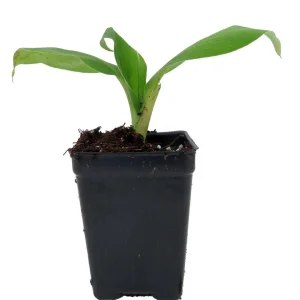
This offering is for one Lisa atemoya fruit tree, a healthy and actively growing live plant. It arrives as a grafted fruit tree, standing approximately 1 foot tall from the base of the soil. The plant is carefully shipped in a 3-gallon nursery pot, providing a robust root system and a good head start for transplanting. Atemoya trees are known for their moderate growth rate, typically reaching 15-20 feet in height when mature in ideal conditions, though they can be kept smaller with pruning or when grown in containers. Expect the tree to begin producing fruit within 2-4 years of planting, depending on care and growing conditions. The Lisa variety is particularly prized for its consistent and high-quality fruit.
Frequently Asked Questions
- Q: How big does this plant get? A: This Lisa atemoya fruit tree arrives at approximately 1 foot tall. Mature trees can reach 15-20 feet in height if planted in the ground, but they can be maintained at a smaller, more manageable size through regular pruning, especially when grown in containers.
- Q: Is this an indoor or outdoor plant? A: The Lisa atemoya is a tropical plant best suited for outdoor growth in USDA Zones 9-11. In cooler climates, it can be grown in containers and brought indoors during colder months, or cultivated in a greenhouse.
- Q: How much sunlight does it need? A: For optimal growth and fruit production, your Lisa atemoya fruit tree requires at least 6-8 hours of direct sunlight daily. In extremely hot climates, some afternoon shade can help prevent leaf burn.
- Q: Is this plant easy to care for? A: While tropical plants require specific conditions, atemoya care is generally considered moderate. Consistent watering, adequate sunlight, and protection from frost are the main requirements. It’s a rewarding plant for those willing to provide its needs.
- Q: What condition will it arrive in? A: Your grafted fruit tree will arrive as a healthy, live plant, carefully packaged in its 3-gallon nursery pot to ensure minimal stress during transit. We take great care to ensure it reaches you in excellent condition.
- Q: How long until it produces fruit? A: As a grafted tree, this Lisa atemoya fruit tree is expected to start producing fruit within 2-4 years after planting, given proper care and ideal growing conditions.
- Q: What is the best way to grow atemoya fruit? A: The best way to grow atemoya fruit is to provide full sun, well-draining soil, consistent moisture, and protection from frost. Regular fertilization and occasional pruning will also contribute to a bountiful harvest.
- Q: Is the fruit edible? A: Yes, atemoya fruit is highly prized for its delicious, sweet, and creamy flesh. It is commonly eaten fresh, chilled, or used in desserts.
- Q: What soil type does it prefer? A: The Lisa atemoya prefers well-draining soil with a slightly acidic to neutral pH (6.0-7.0). A good quality potting mix for tropical plants is ideal for container growing.
- Q: How do I protect it from cold? A: If you live outside USDA Zones 9-11, plant your Lisa atemoya fruit tree in a container so it can be moved indoors to a bright location during winter months to protect it from frost and cold temperatures.


Reviews
There are no reviews yet.