Overview
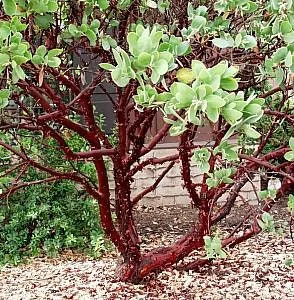
Add a touch of natural elegance to your garden with the Dr. Hurd Manzanita live plant. This captivating evergreen shrub, scientifically known as Arctostaphylos manzanita ‘Dr. Hurd’, is celebrated for its distinctive aesthetic appeal, making it a standout feature in any landscape. Originating from California, this natural hybrid boasts beautiful dark reddish-brown bark that peels gracefully, creating an attractive contrast with its glossy, light green foliage. It’s a relatively fast-growing shrub that can be expertly pruned in late summer to achieve your desired height or spread, with the potential to mature into a small, multi-branched tree. Beyond its visual charm, the Dr. Hurd Manzanita live plant is a resilient and adaptable species, known for its ability to thrive in various conditions, including challenging dry climates. Its white flowers bloom from February to April, followed by clusters of berries in the fall, making it a valuable year-round pollinator plant that supports local ecosystems.
The unique character of the Arctostaphylos manzanita Dr. Hurd makes it a prized specimen for gardeners seeking both beauty and durability. Its multi-branched, treelike form and vibrant foliage provide continuous interest throughout the seasons. This particular manzanita cultivar is also noted for its tolerance to some summer water and richer soils, though it performs exceptionally well in clay and sandy soils, showcasing its versatility. Whether you’re designing a drought-adapted garden or simply looking for a robust and attractive evergreen, the Dr. Hurd Manzanita live plant is an excellent choice that promises to enhance your outdoor space with minimal fuss.
Key Benefits
The Dr. Hurd Manzanita live plant offers a multitude of benefits for the discerning gardener, combining aesthetic appeal with ecological value and low maintenance. Its unique characteristics make it a valuable addition to many landscapes.
- Stunning Year-Round Interest: Enjoy the beauty of dark reddish-brown bark and glossy, light green foliage that provides visual appeal throughout all seasons. The bark naturally exfoliates, adding textural interest to your garden.
- Excellent Pollinator Support: White flowers emerge from February to April, followed by berry clusters in fall, providing continuous food and habitat for pollinators like bees and birds, making it a great year-round pollinator plant.
- Drought-Tolerant & Water-Wise: Once established, this drought tolerant manzanita requires minimal irrigation, making it an ideal choice for water-wise landscaping and gardens in arid or Mediterranean climates.
- Adaptable to Various Soils: While preferring well-draining conditions, the Dr. Hurd Manzanita live plant is surprisingly adaptable, thriving in clay soil and tolerating sandy soil, as well as handling richer soil types.
- Architectural Focal Point: Its distinctive brown-red bark and lovely multi-branched form create an architectural statement, making it a prized specimen plant and a natural focal point in garden designs.
- Fast Growing & Prunable: As one of the faster-growing manzanitas, it can be pruned in late summer to maintain desired height and spread, allowing you to shape it as a shrub or small tree.
- Low Maintenance Evergreen: As an evergreen manzanita shrub, it retains its leaves all year, providing constant color and structure with relatively little care once established.
Plant Care & Growing Tips
Caring for your Dr. Hurd Manzanita live plant is relatively straightforward, especially once it’s established, making it a reliable choice for various garden settings. Understanding its specific needs will ensure it thrives and displays its full beauty. For optimal growth, proper site selection and initial care are crucial for this Arctostaphylos manzanita Dr. Hurd.
When it comes to sunlight, the Dr. Hurd Manzanita live plant shows some regional preferences. Along the coast, it prefers full sun exposure to develop its best form and flowering. If you are planting inland, it thrives in part shade, particularly benefiting from protection from the intense afternoon sun. This adaptability makes it suitable for a range of garden positions. Regarding watering, once established, it is perfectly drought-adapted in most gardens, requiring infrequent to no supplemental water. However, it can handle some summer water if the soil is well-draining. Overwatering, especially in heavy soils, should be avoided as it can lead to root issues. The ideal soil type is well-draining, but this resilient shrub also performs well in clay soil and tolerates sandy soil. A slightly acidic to neutral pH is generally preferred. Good drainage is paramount to prevent waterlogging.
The evergreen manzanita shrub is hardy in USDA zones 8-10, tolerating temperatures down to about 10-20°F (-12 to -7°C). Fertilization is generally not necessary, and in fact, too much fertilizer can be detrimental. If your soil is very poor, a light application of a slow-release, low-phosphorus fertilizer in early spring can be considered, but err on the side of caution. Pruning is best done in late summer after flowering to shape the plant and remove any dead or crossing branches. This also helps maintain its desired size and encourages its tree-like habit. Regular inspection for pests and diseases is recommended, though manzanitas are generally quite resistant. Following a consistent manzanita care guide will ensure your plant flourishes.
Size & Details
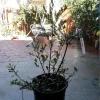
This offering includes one Dr. Hurd Manzanita live plant, which arrives as a starter plant, approximately 6 inches tall, and shipped securely in a 6-inch nursery pot. This size provides a robust foundation for establishing your new shrub in the garden. The ‘Dr. Hurd’ cultivar is known for being one of the faster-growing manzanitas, enabling it to reach a substantial size relatively quickly. In maturity, this multi-branched shrub can grow to be 10-15 feet tall and equally wide, potentially becoming a small tree if allowed. Its rapid growth and substantial size make it an excellent choice for creating a significant landscape feature or a natural screen. The plant is evergreen, meaning it retains its attractive glossy, light green foliage throughout the year, ensuring continuous visual interest. Its distinctive reddish-brown bark will become more pronounced as the plant matures, adding to its ornamental value.
Frequently Asked Questions
- Q: How big does this Dr. Hurd Manzanita get? A: The Dr. Hurd Manzanita live plant is a relatively fast-growing evergreen shrub that can reach a mature height of 10-15 feet and a similar spread. With proper pruning, it can even be trained into a small tree form.
- Q: Is this an indoor or outdoor plant? A: The Dr. Hurd Manzanita live plant is an outdoor shrub, best suited for garden landscapes. It is highly drought-adapted and thrives in various outdoor conditions within its recommended USDA hardiness zones.
- Q: How much sunlight does the Dr. Hurd Manzanita need? A: Along the coast, this drought tolerant manzanita prefers full sun. If planted inland, it thrives in part shade, benefiting from protection during the hottest part of the day. Consistent sunlight is key for robust growth and flowering.
- Q: Is this plant easy to care for? A: Yes, the Dr. Hurd Manzanita live plant is considered low maintenance once established. It’s known for its resilience and drought tolerance, making it a reliable shrub for many gardeners, especially when following a simple manzanita care guide.
- Q: What condition will the Dr. Hurd Manzanita arrive in? A: Your Dr. Hurd Manzanita live plant will arrive as a 6-inch tall starter plant, shipped in a 6-inch nursery pot, carefully packaged to ensure it reaches you in healthy condition, ready for planting.
- Q: When is the best time to plant Dr. Hurd Manzanita? A: The best time to plant the evergreen manzanita shrub is typically in the fall or early spring, allowing it to establish its root system before the extreme heat of summer or cold of winter.
- Q: What type of soil does Dr. Hurd Manzanita prefer? A: This Arctostaphylos manzanita Dr. Hurd prefers well-draining soil but is adaptable. It can grow well in clay soil and tolerates sandy soil, and can also handle richer soil compositions, provided drainage is adequate.
- Q: Will the Dr. Hurd Manzanita attract pollinators? A: Absolutely! The white flowers that bloom from February to April, followed by berry clusters in the fall, make the Dr. Hurd Manzanita live plant a great year-round pollinator plant, attracting bees and birds to your garden.
- Q: What USDA hardiness zones is this manzanita suitable for? A: The Dr. Hurd Manzanita is hardy in USDA Zones 8-10, making it suitable for regions with mild winters and hot, dry summers.
- Q: Does this manzanita require frequent watering? A: No, once established, the Dr. Hurd Manzanita live plant is highly drought-adapted and requires minimal watering. It’s a perfect choice for water-wise landscapes.


Reviews
There are no reviews yet.