Overview
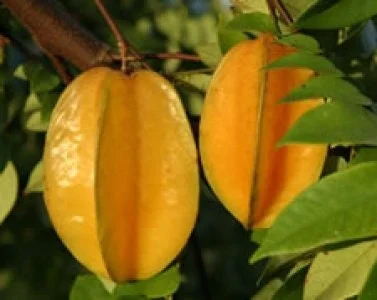
Introduce a taste of the tropics to your garden with this magnificent carambola live plant. Also widely known as the star fruit tree, this beautiful and symmetrical tree is celebrated for its prolific fruiting and distinctive star-shaped produce. Our healthy specimens stand between 3 to 4 feet tall, offering a significant head start for gardeners eager to enjoy fresh, homegrown star fruit. Each plant is carefully cultivated and shipped in a robust 3-gallon pot, ensuring it arrives with a well-established root system ready for planting. The Carambola, or Averrhoa carambola, is a small to medium-sized evergreen tree that brings both ornamental beauty and delicious, refreshing fruit to your landscape. Its unique appearance and delightful flavor make it a truly special addition to any home garden, especially for those looking to cultivate tropical fruit.
The fruit of the star fruit tree is highly versatile, commonly enjoyed fresh due to its crisp texture and sweet, citrus-like flavor. It’s an excellent addition to fruit salads, used as an attractive garnish, or even incorporated into beverages for a refreshing twist. This carambola live plant is an ideal choice for both experienced tropical fruit growers and enthusiastic beginners, promising a rewarding cultivation experience and a bountiful harvest of uniquely shaped, flavorful fruit.
Key Benefits
Cultivating a carambola live plant offers a wealth of advantages, transforming your garden into a productive and visually appealing space. From its unique fruit to its relatively manageable size, this tropical gem provides numerous reasons to make it a central part of your landscape:
- Prolific Fruit Production: The star fruit tree is renowned for its ability to produce an abundance of fruit. Under optimal conditions, you can expect a generous harvest of the distinctive star-shaped carambola, providing a steady supply for your culinary needs.
- Delicious & Refreshing Flavor: Carambola fruit boasts a delightful sweet and tangy citrus-like flavor. It’s incredibly refreshing when eaten fresh and adds a vibrant, exotic taste to various dishes and drinks.
- Ornamental Appeal: Beyond its fruit, the carambola tree itself is highly attractive. Its symmetrical growth habit and glossy green foliage make it an excellent choice for a focal point in your garden or patio.
- Versatile Culinary Uses: The unique shape and flavor of star fruit make it perfect for garnishes, fruit salads, smoothies, and desserts. It’s a fantastic way to add an exotic touch to your meals.
- High in Nutrients: Carambola fruit is a good source of Vitamin C, antioxidants, and dietary fiber, contributing to a healthy diet. Enjoying freshly picked fruit directly from your own carambola live plant enhances its nutritional value.
- Adaptable Growth: While a tropical plant, with proper care and protection in cooler climates, the star fruit tree can be grown in containers, allowing you to move it indoors during colder months.
- Educational Experience: Growing your own tropical fruit provides a fascinating and educational experience, allowing you to observe the life cycle of the carambola from flower to fruit.
Plant Care & Growing Tips
Proper carambola plant care is essential for a healthy and productive tree. Carambola thrives in warm, humid climates and requires specific conditions to flourish. It prefers a location with full sun exposure, meaning at least 6-8 hours of direct sunlight per day. While it can tolerate some partial shade, abundant sunlight is crucial for optimal fruit production and overall vigor. When grown in containers, ensure it receives maximum light, rotating the pot periodically to encourage even growth. For outdoor planting, choose a spot protected from strong winds, which can damage its somewhat brittle branches.
Watering is critical, especially during dry periods and when the tree is young. The soil should be kept consistently moist but not waterlogged. Good drainage is paramount to prevent root rot. Water deeply when the top inch of soil feels dry, and reduce watering slightly in cooler months. Regarding soil, the star fruit tree prefers slightly acidic to neutral soil (pH 5.5-7.0) that is rich in organic matter and drains well. A sandy loam or a good quality potting mix amended with compost works best. Fertilize regularly during the growing season (spring through fall) with a balanced fertilizer formulated for tropical fruit trees. Young trees benefit from more frequent, lighter applications, while mature trees can be fertilized every 2-3 months. Protect your carambola live plant from temperatures below 30°F (-1°C); it is generally suitable for USDA zones 9-11. In colder regions, it’s best grown in a container and brought indoors during winter.
Pruning should be done to maintain shape, encourage branching, and remove any dead or diseased wood. Light pruning after fruiting is ideal. Watch out for common pests like scale insects and mealybugs, and treat with horticultural oil or insecticidal soap as needed. Ensuring proper air circulation also helps prevent fungal diseases. With diligent growing carambola practices, your plant will reward you with abundant, delicious fruit.
Size & Details
This vibrant carambola live plant stands impressively between 3 to 4 feet tall, offering a substantial specimen ready to be integrated into your garden or patio. It is carefully nurtured and shipped in a robust 3-gallon nursery pot, ensuring a well-developed root system that minimizes transplant shock. The tree’s size makes it suitable for immediate outdoor planting in appropriate climates or for continued container growth, especially for those in cooler regions needing to move it indoors during winter. The growth rate of the star fruit tree is considered moderate, and with proper care, it can begin fruiting within 1-2 years of planting. Expect a mature tree to reach heights of 20-30 feet if planted in the ground, though container-grown plants will remain smaller and more manageable, typically reaching 10-15 feet.
The plant arrives as a live, established tree, ensuring you receive a healthy and vigorous specimen. Its symmetrical growth habit will add an elegant touch to your landscape. This size provides a good balance, being large enough to have a head start on fruiting but still manageable for transport and initial planting. For those interested in tropical fruit tree cultivation, this carambola offers a reliable and rewarding experience.
Frequently Asked Questions
- Q: How big does this plant get? A: This carambola live plant is currently 3 to 4 feet tall and shipped in a 3-gallon pot. When planted in the ground, it can reach heights of 20-30 feet, but it can be maintained smaller in containers with proper pruning.
- Q: What size pot does it come in? A: The star fruit tree is shipped in a 3-gallon nursery pot, providing ample space for its root system and ensuring a healthy start.
- Q: Is this an indoor or outdoor plant? A: Carambola is a tropical plant best grown outdoors in USDA zones 9-11. In colder climates, it can be grown in a container and brought indoors during winter to protect it from frost.
- Q: How much sunlight does it need? A: The carambola live plant thrives in full sun, requiring at least 6-8 hours of direct sunlight per day for optimal growth and fruit production.
- Q: Is this plant easy to care for? A: While tropical, carambola is relatively easy to care for if its basic needs for warmth, sunlight, consistent moisture, and well-draining soil are met. It’s a good choice for those interested in growing carambola.
- Q: What condition will it arrive in? A: You will receive one nice, healthy star fruit tree that is 3 to 4 feet tall, with a good root system, carefully packaged and shipped in its 3-gallon pot.
- Q: How long until it blooms and fruits? A: With proper care, this carambola plant, given its size, can begin to bloom and produce fruit within 1-2 years after planting.
- Q: Will it survive winter in my zone? A: The carambola live plant is cold-sensitive and will not survive freezing temperatures. It is best suited for USDA Zones 9-11 outdoors year-round or as a container plant moved indoors in colder zones.
- Q: What’s the minimum temperature it can tolerate? A: Carambola can tolerate brief drops to around 30°F (-1°C), but sustained temperatures below this can cause significant damage or even kill the tree.
- Q: Can I use the fruit in cooking? A: Absolutely! The fruit from your star fruit tree is perfect for fresh eating, salads, garnishes, and even in drinks or tropical desserts due to its unique shape and sweet-citrus flavor.


Reviews
There are no reviews yet.