Overview
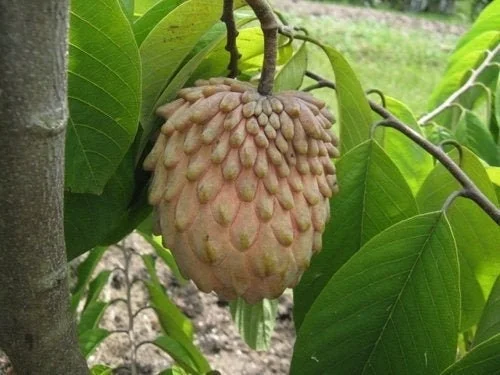
Embark on a tropical gardening adventure with the exquisite lisa atemoya fruit tree. Known for its distinct, heart-shaped fruit with a sweet, creamy, and aromatic flesh, the atemoya is a hybrid of the cherimoya and sugar apple, combining the best qualities of both. This particular variety, ‘Lisa’, is highly prized for its reliable production and exceptional flavor. Our live plants are carefully cultivated to ensure a strong root system and healthy growth, making them an ideal choice for both seasoned gardeners and those new to growing tropical fruit. Imagine harvesting your own exotic fruit, renowned for its nutritional value and unique taste profile, right from your backyard or patio. This tropical fruit tree is not only productive but also adds an ornamental touch with its lush green foliage.
Atemoyas are cherished by fruit enthusiasts for their delightful taste, often compared to a blend of pineapple, mango, and vanilla custard. The ‘Lisa’ variety is celebrated for its relatively smooth skin and fewer seeds compared to other atemoya types, making it a truly enjoyable eating experience. Growing your own lisa atemoya fruit tree allows you to savor the freshest fruit, picked at peak ripeness, ensuring the most vibrant flavors and aromas. This plant is a fantastic investment for anyone looking to expand their edible landscape with something truly special and rewarding.
Key Benefits
Adding a lisa atemoya fruit tree to your collection offers numerous advantages, from its unique fruit to its aesthetic appeal. Here are some of the key benefits you can expect:
- Exotic Fruit Production: Enjoy a consistent harvest of delicious, sweet, and creamy atemoya fruit, perfect for fresh eating, desserts, or smoothies. The ‘Lisa’ variety is known for its high-quality, flavorful produce.
- Ornamental Value: With its attractive foliage and unique fruit, the atemoya tree serves as a beautiful focal point in your garden, patio, or greenhouse, adding a touch of tropical elegance.
- Nutrient-Rich Harvest: Atemoya fruit is packed with vitamins, minerals, and antioxidants, contributing to a healthy diet straight from your own garden.
- Unique Flavor Profile: Experience a taste unlike any other, often described as a blend of various tropical fruits, offering a gourmet experience that is hard to find in stores.
- Rewarding Growing Experience: Cultivating your own tropical fruit provides immense satisfaction and a deeper connection to your food source, making atemoya plant care a fulfilling endeavor.
- Adaptable Growth: While tropical, atemoyas can be grown in containers in cooler climates, allowing them to be moved indoors during colder months, making this tropical fruit tree live plant versatile for various environments.
- Conversation Starter: The unusual appearance and exceptional taste of the atemoya fruit are sure to intrigue guests and become a topic of admiration.
Plant Care & Growing Tips
Proper care is essential for a thriving lisa atemoya fruit tree. These tropical plants require specific conditions to produce their best fruit. They prefer a location with full sun, meaning at least 6-8 hours of direct sunlight per day. In very hot climates, some afternoon shade can be beneficial to prevent leaf scorch. When it comes to watering, consistency is key. Keep the soil consistently moist, especially during flowering and fruiting periods, but avoid waterlogging, which can lead to root rot. Allow the top inch or two of soil to dry out slightly between waterings.
Atemoyas thrive in well-draining soil that is rich in organic matter. A slightly acidic to neutral pH (6.0-7.0) is ideal. If growing in a pot, use a high-quality potting mix designed for fruit trees or tropical plants. Fertilize regularly during the growing season (spring through fall) with a balanced fertilizer, or one slightly higher in phosphorus and potassium to encourage flowering and fruiting. Reduce fertilization in winter. The ‘Lisa’ atemoya is generally suited for USDA zones 9-11 for outdoor planting. In cooler zones, it can be grown in a container and brought indoors during winter, making it a great option for those looking to grow atemoya fruit outside its native range.
Pruning should be done to maintain a manageable size, encourage branching, and remove any dead or diseased wood. Light pruning can be done after harvest. Protect your lisa atemoya fruit tree from strong winds, especially when young. Pollination can sometimes be an issue for atemoyas; hand-pollination can significantly increase fruit set. Look for pollen on the male flowers in the evening and transfer it to the receptive female flowers the following morning. Vigilance against common pests like aphids or mealybugs is also important, addressing any infestations promptly with appropriate organic or chemical controls.
Size & Details
This offering is for a vibrant lisa atemoya fruit tree, a live plant that has been carefully nurtured to reach an impressive height of approximately 2 to 3 feet tall. It is shipped securely in a 3-gallon nursery pot, providing ample space for its established root system to continue growing during transit and upon arrival. The substantial pot size ensures the plant has a strong foundation, making the transition to your garden or a larger container much smoother. This size is ideal for establishing quickly and beginning to produce fruit in a relatively short timeframe, typically within 2-3 years, depending on growing conditions and care.
The ‘Lisa’ atemoya is a moderately fast-growing tree, and with proper care, it can eventually reach heights of 15-20 feet if planted in the ground, though it can be kept smaller with regular pruning, especially when grown in a container. The healthy foliage and robust structure of this atemoya tree for sale indicate a plant ready to thrive and become a productive addition to your edible landscape. You can expect a good branching structure, setting the stage for abundant fruit production. The plant’s current size makes it manageable for shipping and easy to handle upon receipt.
Frequently Asked Questions
- Q: How big does this plant get? A: This lisa atemoya fruit tree is currently 2 to 3 feet tall and shipped in a 3-gallon pot. If planted in the ground, it can eventually reach 15-20 feet, but it can be maintained at a smaller size with pruning, especially in containers.
- Q: Is this an indoor or outdoor plant? A: Atemoya trees are tropical and thrive outdoors in USDA Zones 9-11. In cooler climates, they can be grown in containers and brought indoors during the colder months to protect them from frost.
- Q: How much sunlight does it need? A: A lisa atemoya fruit tree requires full sun, meaning at least 6-8 hours of direct sunlight daily for optimal growth and fruit production. In extremely hot climates, some afternoon shade can be beneficial.
- Q: Is this plant easy to care for? A: Atemoyas require consistent care, including regular watering, proper fertilization, and protection from frost. While not entirely hands-off, with a little attention, atemoya plant care is manageable for most gardeners.
- Q: What condition will it arrive in? A: Your tropical fruit tree live plant will arrive in a 3-gallon pot with a healthy root system and established foliage, carefully packaged to ensure its safety during transit.
- Q: How long until it blooms and fruits? A: Typically, a lisa atemoya fruit tree of this size can begin to flower and set fruit within 2-3 years after planting, given ideal growing conditions and proper care.
- Q: What’s the minimum temperature this tree can tolerate? A: Atemoyas are sensitive to frost. They can tolerate brief dips to around 30°F (-1°C), but prolonged exposure to temperatures below freezing can cause damage or even kill the tree.
- Q: Can I grow atemoya fruit in a large pot on my patio? A: Yes, growing atemoya tree for sale in large containers is a popular and effective method, especially in non-tropical climates. This allows you to move the plant indoors during winter.
- Q: What kind of soil is best for this atemoya? A: A well-draining, rich, loamy soil with a slightly acidic to neutral pH (6.0-7.0) is ideal for a lisa atemoya fruit tree. For container growing, use a high-quality potting mix formulated for tropical plants.
- Q: Do I need more than one tree for fruit production? A: While atemoyas are technically self-fertile, hand-pollination can significantly improve fruit set and yield. Having multiple trees might encourage better cross-pollination, but it’s not strictly necessary for a single tree to produce.


Reviews
There are no reviews yet.