Overview
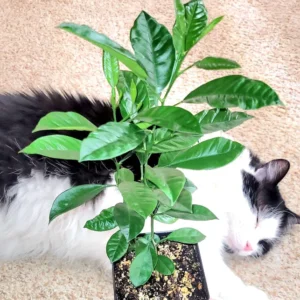
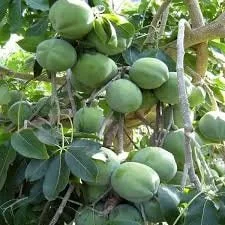
Introduce an extraordinary fruiting tree to your garden with our white sapote live plant. This exquisite specimen, botanically known as Casimiroa edulis, arrives as a robust 2-foot tall plant, carefully nurtured in a 3-gallon pot, ensuring it’s ready for successful transplantation. The white sapote is celebrated for its unique and delicate fruit, often described as tasting like a creamy sugar cube, offering a delightful blend of peach, banana, and vanilla flavors. Unlike many fruit trees, the white sapote live plant can begin fruiting in as little as one to two years, bringing the joy of home-grown exotic fruit to your table relatively quickly. Perfect for fruit enthusiasts and gardeners looking to expand their edible landscape, this tree promises both beauty and delicious bounty.
Originating from Central America, the white sapote live plant adapts well to various warm climates and can be a fantastic addition to subtropical gardens. Its lush foliage provides an attractive evergreen presence, while its distinctive fruit offers a culinary adventure. Whether you’re an experienced horticulturist or a budding gardener, growing a white sapote live plant is a rewarding experience. Explore the unique characteristics and benefits of this remarkable fruit tree and learn how to grow white sapote successfully in your home garden.
Key Benefits
The white sapote live plant offers a multitude of benefits, making it a highly desirable addition to any garden or edible landscape. From its delicious fruit to its aesthetic appeal, this tree provides much to appreciate:
- Exotic, Delicious Fruit: Enjoy the unique, creamy, and sweet flavor of fresh white sapote fruit, perfect for eating fresh, chilling, or incorporating into desserts like ice cream and milkshakes. The fruit is typically baseball to softball-sized.
- Early Fruiting: Unlike many fruit trees that take years to mature, this white sapote live plant can start producing fruit in just one to two years after planting, providing a quicker return on your gardening efforts.
- Attractive Evergreen Foliage: The tree maintains lush, green leaves year-round in suitable climates, offering continuous visual appeal and shade.
- Potential Health Benefits: Known in Mexico as the “sleepy sapote,” the fruit is traditionally reputed to have a soporific effect, making it an interesting natural addition to your diet.
- Versatile Use: Beyond fresh consumption, the fruit’s creamy texture makes it excellent for culinary experiments, adding a tropical twist to various dishes and beverages.
- Relatively Low Maintenance: Once established, these trees are quite resilient and require moderate care, making them suitable for gardeners of varying experience levels.
- Unique Garden Addition: Cultivate a conversation starter and a unique food source that will impress guests and delight your family with its unusual and delicious produce.
Plant Care & Growing Tips
Caring for your white sapote live plant involves understanding its specific needs to ensure robust growth and abundant fruit production. These trees thrive in warm, subtropical to tropical climates and require careful attention to sunlight, watering, and soil. They are generally suited for USDA Hardiness Zones 9-11, where they can be grown outdoors year-round. In cooler climates, they can be grown in large containers and moved indoors during winter or treated as a greenhouse specimen.
For optimal growth, plant your white sapote live plant in a location that receives full sun, meaning at least 6-8 hours of direct sunlight per day. While they can tolerate some partial shade, ample sunlight is crucial for fruit development. The ideal soil for casimiroa edulis is well-draining, fertile, and slightly acidic to neutral (pH 6.0-7.0). Amend heavy clay soils with organic matter like compost or aged manure to improve drainage and fertility. Regular watering is essential, especially during dry periods and when the tree is young. Aim to keep the soil consistently moist but never waterlogged. Allow the top inch or two of soil to dry out slightly between waterings.
Fertilize your white sapote live plant with a balanced slow-release fertilizer or an organic fruit tree fertilizer during the growing season (spring and summer). Reduce fertilization in fall and winter. Pruning should focus on shaping the tree, removing dead or diseased branches, and encouraging air circulation. Light pruning can also help manage the tree’s size and make fruit harvesting easier. Watch out for common pests like aphids or scale insects and treat them with horticultural oil or insecticidal soap if necessary. Proper care will ensure your white sapote tree care routine results in a healthy, productive plant.
Size & Details
This offering is for one white sapote live plant, which stands approximately 2 feet tall upon arrival. It is carefully grown and shipped in a sturdy 3-gallon nursery pot, providing ample root space for a smooth transition to your garden or a larger container. The tree has already established a healthy root system, which is crucial for its subsequent growth and fruit production. The fruit produced by the sleepy sapote fruit tree typically ranges from baseball to softball size, offering a substantial and satisfying harvest. When mature, these trees can reach heights of 15 to 20 feet if left unpruned, but can be maintained at a smaller, more manageable size with regular pruning. Expect your tree to begin flowering and setting fruit within 1-2 years of planting, given proper care and conditions. The growth rate is moderate, allowing you to observe its development over time. This plant is a fantastic choice for anyone looking to grow white sapote and enjoy its unique, tropical flavors.
Frequently Asked Questions
- Q: How big does this white sapote plant get? A: This white sapote live plant arrives at approximately 2 feet tall in a 3-gallon pot. When mature, if left unpruned, it can reach heights of 15-20 feet, but can be maintained at a smaller size with regular pruning.
- Q: Is this an indoor or outdoor plant? A: White sapote trees are best grown outdoors in USDA Hardiness Zones 9-11. In cooler climates, they can be grown in large containers and brought indoors during cold weather or cultivated in a greenhouse.
- Q: How much sunlight does the white sapote need? A: For optimal growth and fruit production, your white sapote live plant requires full sun, which means at least 6-8 hours of direct sunlight per day.
- Q: Is this plant easy to care for? A: Once established, white sapote tree care is considered moderate. They require consistent watering, well-draining soil, and protection from frost in colder regions. They are generally resilient.
- Q: What condition will it arrive in? A: Your white sapote live plant will arrive as a healthy, actively growing plant, approximately 2 feet tall, securely rooted in a 3-gallon nursery pot, ready for planting.
- Q: How long until it starts producing fruit? A: With proper care, this casimiroa edulis can begin to fruit in as little as one to two years after planting, offering a relatively quick harvest of its delicious fruit.
- Q: What is the best soil type for white sapote? A: White sapote thrives in fertile, well-draining soil with a slightly acidic to neutral pH (6.0-7.0). Amending with organic matter is beneficial, especially in heavier soils.
- Q: Can I grow white sapote in a pot? A: Yes, you can successfully grow white sapote in a large container, especially in areas where winter temperatures fall below freezing. Ensure the pot has good drainage and the plant is moved indoors during cold periods.
- Q: What does white sapote taste like? A: The fruit of the sleepy sapote fruit is known for its creamy, sweet flavor, often described as a blend of peach, banana, and vanilla, with a custardy texture.
- Q: When is the best time to plant a white sapote tree? A: The best time to plant a white sapote tree is in spring or early summer, after the last risk of frost has passed, allowing it ample time to establish before cooler weather.


Reviews
There are no reviews yet.