Overview
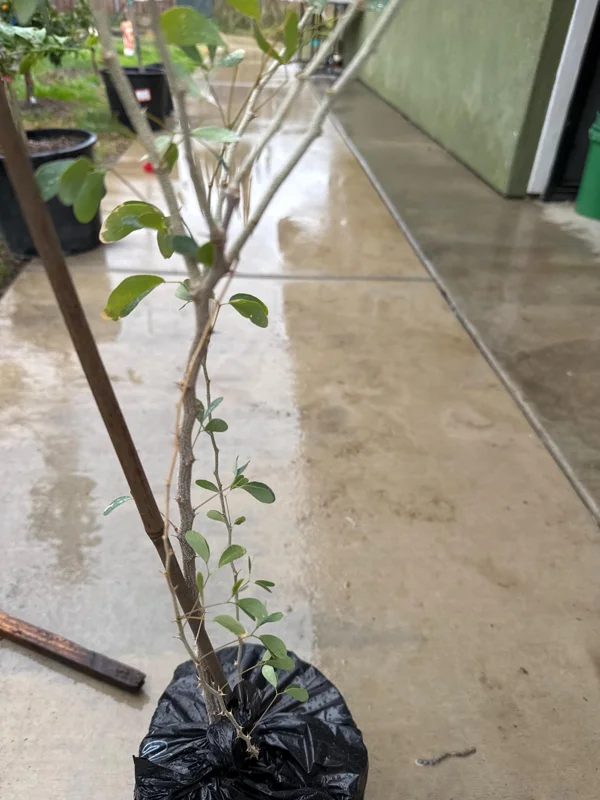
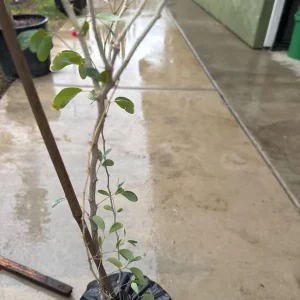
Introduce a unique and versatile addition to your landscape with the guamuchil tree live plant, scientifically known as Pithecellobium dulce. This fascinating tree, also commonly called Madras Thorn, Manila Tamarind, or Sweet Inga, is renowned for its sweet, edible pods and numerous practical applications. Originating from the Americas, the guamuchil tree is a medium-sized, fast-growing specimen that can adapt to various climates, making it a resilient choice for many gardeners. Shipped as a healthy 2-foot tall plant in a 6-inch pot, it arrives ready to establish in your garden. The guamuchil tree offers both aesthetic appeal with its unique foliage and practical benefits, including providing shade, edible fruits, and even firewood.
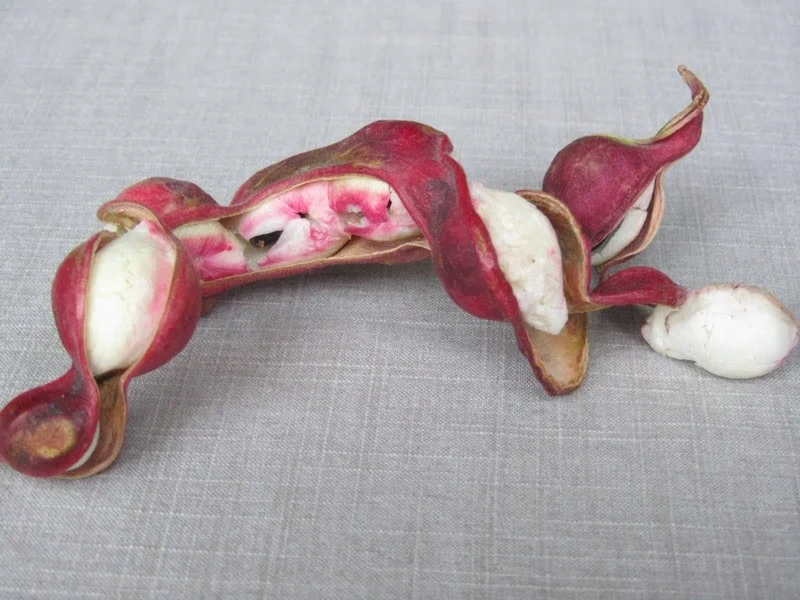
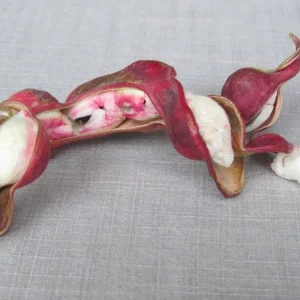
The guamuchil tree live plant is a true survivor, thriving even in hostile environmental conditions. Its distinctive leaves are deciduous but are quickly replaced by new growth, giving the tree an attractive evergreen appearance throughout the year. The small, white, fragrant flowers develop into characteristic pinkish pods that spiral as they mature, housing the sweet and tangy pulp. This plant is not just a food source; it also contributes to local ecosystems by attracting pollinators and providing shelter. Whether you’re looking to enhance your garden with an unusual fruit tree or seeking a resilient shade provider, the Pithecellobium dulce is an excellent choice.
Key Benefits
The guamuchil tree live plant offers a multitude of benefits, making it a highly desirable addition to any suitable garden or landscape. Its unique characteristics provide both ecological and practical advantages.
- Edible Sweet Pods: The primary allure of the guamuchil tree is its delicious, sweet-acidic pods. The pulp, which can be white or red, is enjoyed raw, roasted, or used to make refreshing beverages. This makes it a fantastic source of fresh, homegrown fruit.
- Versatile Uses: Beyond its fruit, the tree provides firewood, fodder for livestock, and even ingredients for soap oil and tannin. Its adaptability makes it a valuable resource in many contexts.
- Shade Provider: As a medium-sized tree, it develops a good canopy, offering excellent shade, which is particularly beneficial in warmer climates. This creates a comfortable outdoor living space.
- Drought Tolerance: The guamuchil tree is known for its ability to withstand dry conditions and hostile climates, requiring less water once established compared to many other fruit trees. This makes pithecellobium dulce care relatively low-maintenance.
- Attractive Foliage and Flowers: Despite being technically deciduous, its rapid new leaf growth gives it an evergreen look. The small white flowers are visually appealing and contribute to a vibrant garden environment.
- Hedge and Barrier Plant: With its thin paired spines at the base of leaves, it can be effectively used for creating natural hedges and protective barriers around your property.
- Ecological Contributions: The tree’s flowers attract pollinators, and its fruits provide food for wildlife, contributing positively to biodiversity in your garden. Understanding guamuchil fruit benefits extends to supporting local ecosystems.
Plant Care & Growing Tips
Caring for your guamuchil tree live plant is relatively straightforward, thanks to its resilient nature. This tree thrives in warm, sunny environments and is quite adaptable to various soil conditions. For optimal growth, plant your guamuchil tree in a location that receives full sun, meaning at least 6-8 hours of direct sunlight per day. While it can tolerate partial shade, full sun will encourage better flowering and fruit production. It prefers well-draining soil and can grow in sandy, loamy, or clay soils, as long as they are not waterlogged. Once established, the guamuchil tree is quite drought-tolerant, but regular watering during dry spells, especially in its first few years, will promote stronger growth. Avoid overwatering, as this can lead to root rot.
The Pithecellobium dulce is suitable for USDA hardiness zones 9-11, preferring subtropical to tropical climates. It can tolerate light frosts but prolonged freezing temperatures may damage young plants. If you live in a colder zone, consider growing it in a large container that can be moved indoors during winter. Fertilize your guamuchil tree annually in spring with a balanced, slow-release fertilizer to support healthy growth and fruit development. Pruning should be done to shape the tree, remove dead or diseased branches, and manage its size. Young plants may benefit from staking to encourage a strong central leader. While generally robust, keep an eye out for common pests like aphids or scale insects, and treat with organic insecticidal soap if necessary. Proper pithecellobium dulce care ensures a healthy and productive tree for years to come. Understanding the best practices for growing this edible pod tree will yield delicious results.
Size & Details
This offering is for one healthy guamuchil tree live plant, measuring approximately 2 feet tall from the base of the plant to the top of its foliage. It is shipped securely in a 6-inch nursery pot, ensuring its roots are well-protected and ready for transplanting. The guamuchil tree is known for its moderate to fast growth rate, and with proper care, it can quickly establish itself in your garden. Mature trees typically reach heights of 20 to 50 feet with a spread of 15 to 30 feet, forming a rounded, spreading canopy. The distinctive pods are about 5 inches long and spiral as they mature, turning a pinkish hue. Expect the tree to start producing fruit within 3-5 years from planting, depending on growing conditions and care. This tropical shade tree will be a striking feature in your landscape.
The plant you receive will have a well-developed root system, fresh from our garden, ensuring a strong start. It is crucial to handle the plant gently upon arrival and transplant it into its permanent location or a larger pot as soon as possible. The initial pot size of 6 inches is suitable for temporary housing, but for long-term growth and maximizing the guamuchil fruit benefits, a larger container or direct ground planting is recommended. The tree’s deciduous yet evergreen-like appearance adds year-round interest, making it a fantastic specimen plant.
Frequently Asked Questions
- Q: How big does this plant get? A: This guamuchil tree live plant is approximately 2 feet tall when shipped. In optimal conditions, mature guamuchil trees can reach heights of 20 to 50 feet with a spread of 15 to 30 feet, providing substantial shade.
- Q: What size pot does it come in? A: The plant will arrive in a 6-inch nursery pot, providing a healthy start for its journey to your garden. We recommend transplanting it into a larger pot or directly into the ground soon after arrival.
- Q: Is this an indoor or outdoor plant? A: The guamuchil tree is primarily an outdoor plant, thriving in full sun and warm climates (USDA Zones 9-11). In colder zones, it can be grown in a large container and brought indoors during winter.
- Q: How much sunlight does it need? A: For best growth and fruit production, your guamuchil tree live plant requires full sun, meaning at least 6-8 hours of direct sunlight daily. It can tolerate partial shade but may have reduced fruiting.
- Q: Is this plant easy to care for? A: Yes, the guamuchil tree is known for its resilience and relatively low maintenance. Once established, it is quite drought-tolerant and can survive in various soil types, making pithecellobium dulce care quite manageable.
- Q: What condition will it arrive in? A: Your guamuchil tree live plant will arrive with a good root system, fresh from our garden, carefully packaged to ensure its health during transit. It will be a healthy, vibrant specimen ready for planting.
- Q: Can I eat the fruit from this tree? A: Absolutely! The guamuchil tree is highly prized for its sweet and tangy pods, which are delicious eaten raw, roasted, or used in beverages. These edible pod tree fruits are a unique culinary treat.
- Q: How long until it produces fruit? A: With good care, your guamuchil tree can start producing fruit within 3-5 years after planting. The yield will increase as the tree matures.
- Q: Will it survive winter in my zone? A: The guamuchil tree is best suited for USDA Zones 9-11. It can tolerate light frost but will need protection or to be moved indoors in zones with prolonged freezing temperatures.
- Q: What are the main uses of the guamuchil tree? A: Beyond its edible fruit, the guamuchil tree is valued for shade, firewood, animal fodder, and as a natural hedge. The guamuchil fruit benefits extend to its overall utility and ecological role.


Reviews
There are no reviews yet.